Morel mushroom rare
1344×768 · AVIF · CC BY 4.0
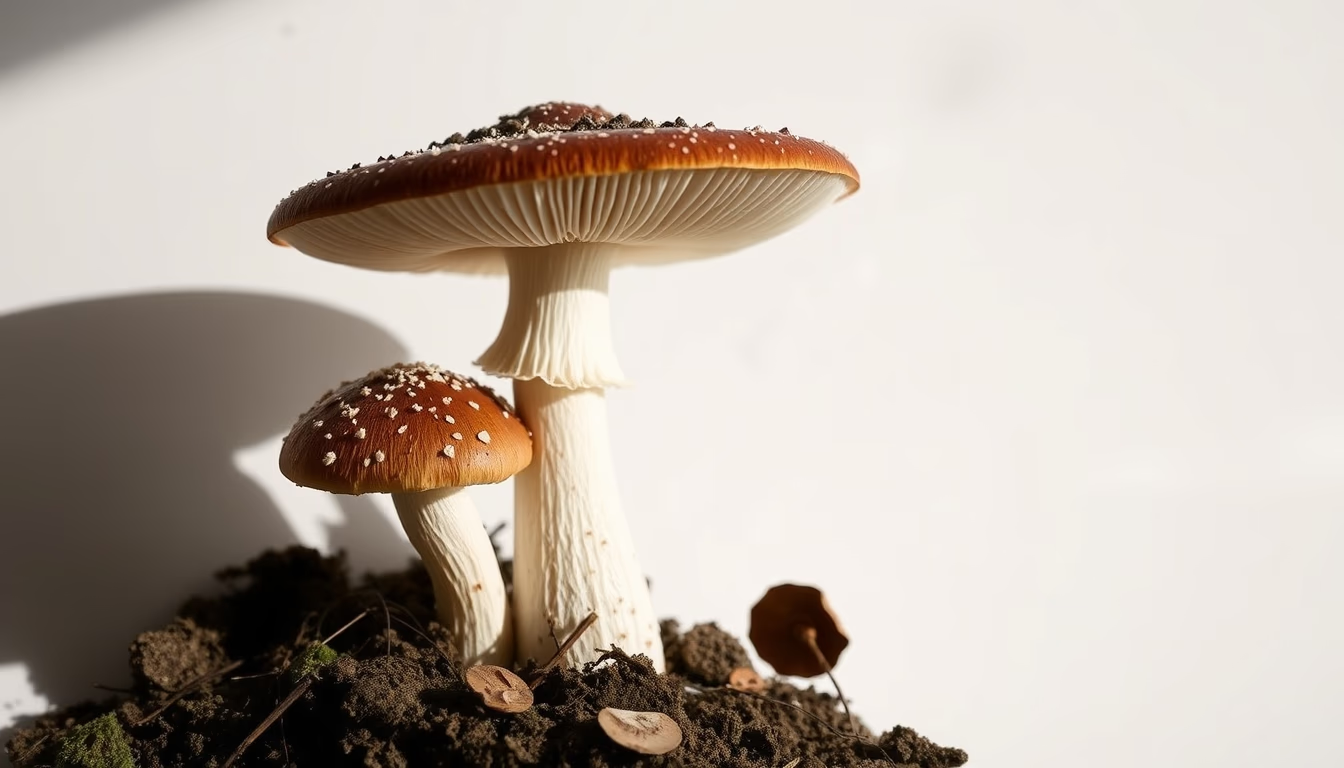
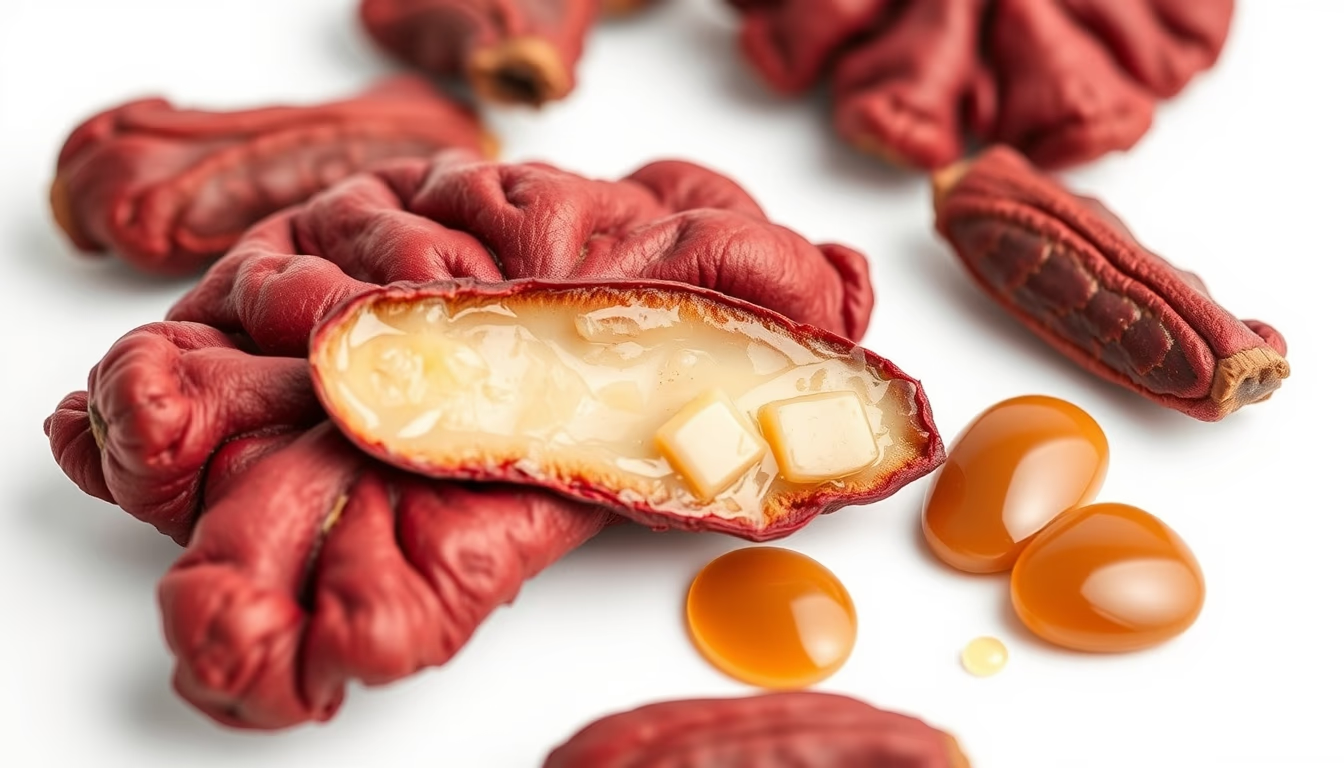
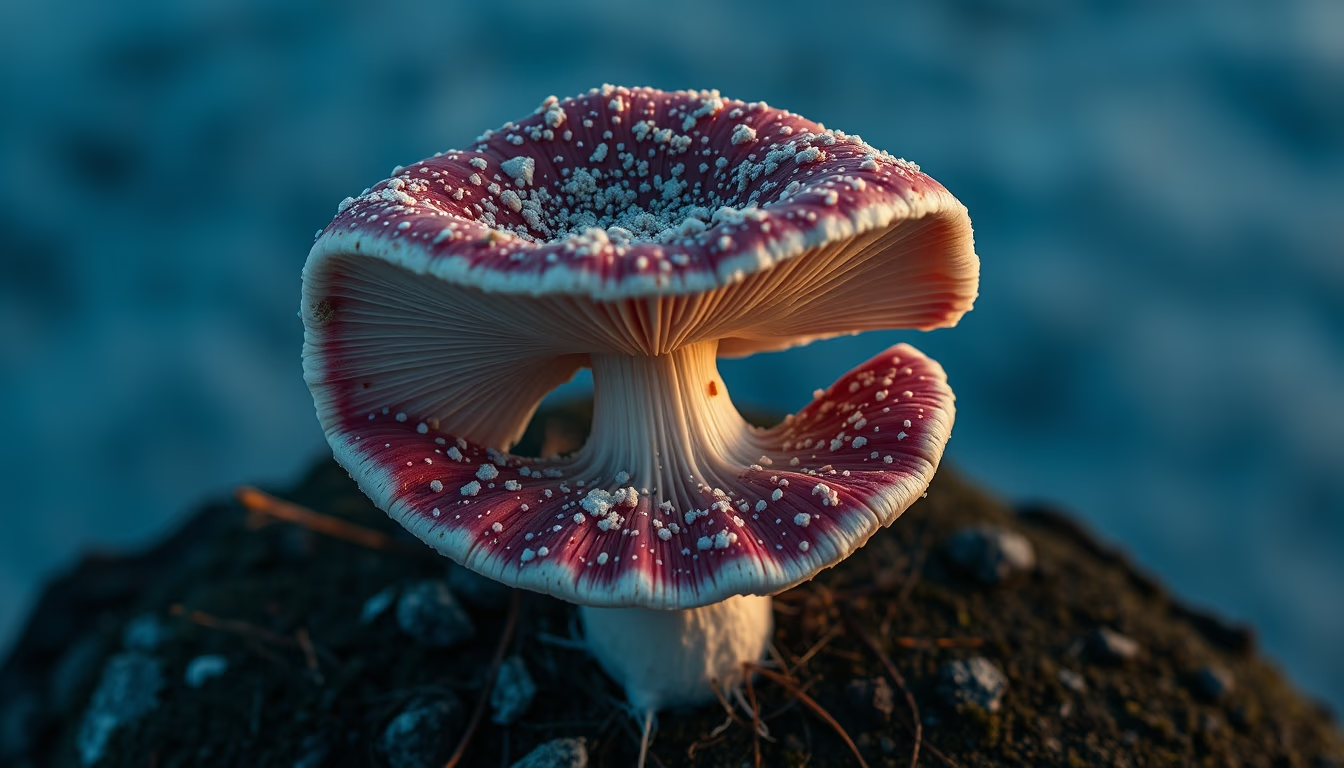
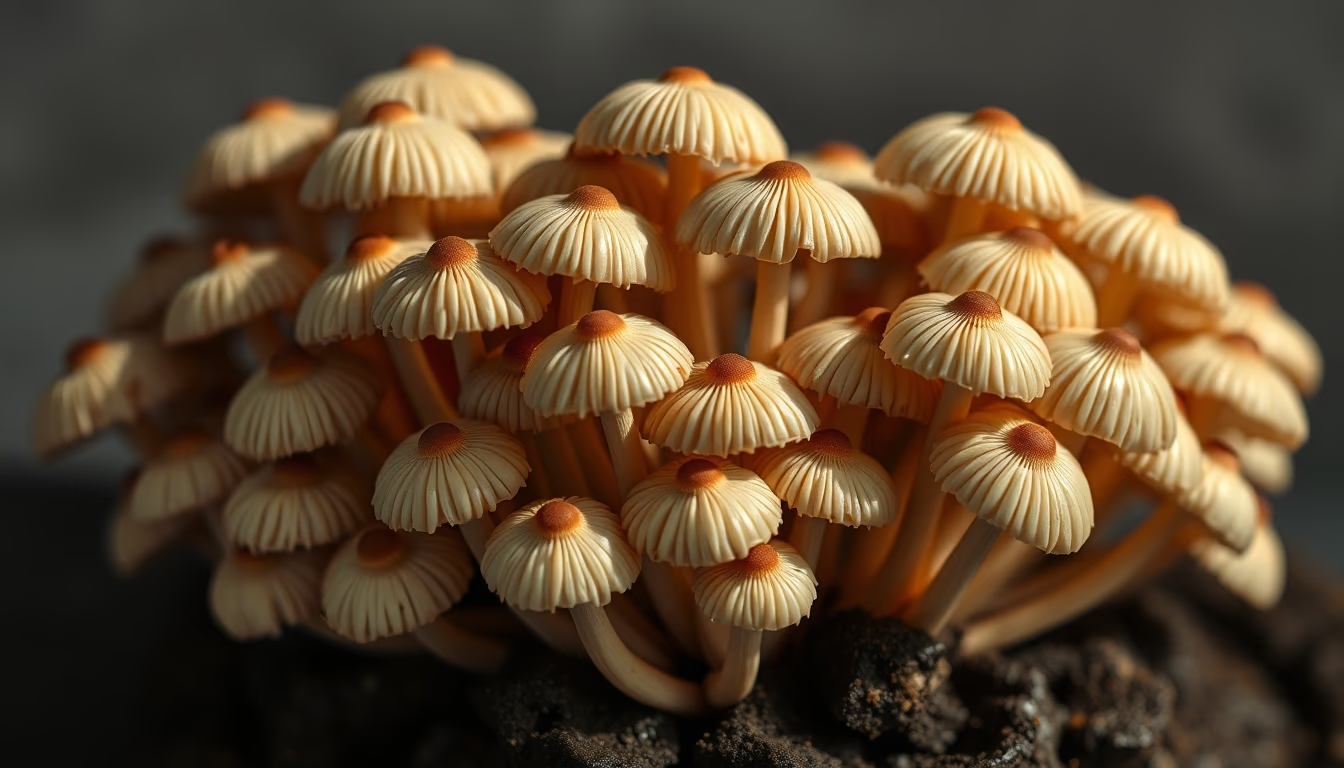
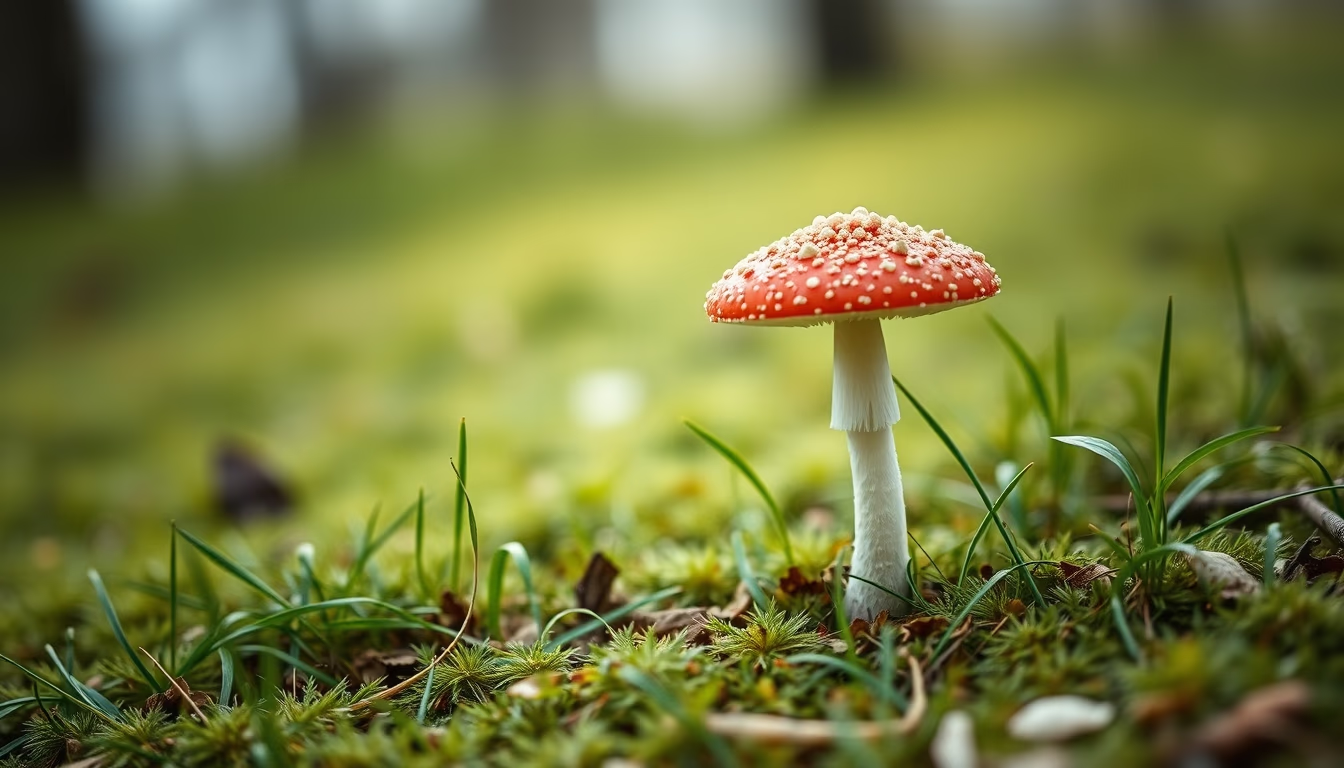
The morel mushroom, a rare delicacy highly sought after by chefs and foragers, is renowned for its unique flavor and unmistakable honeycomb appearance.
About this subject
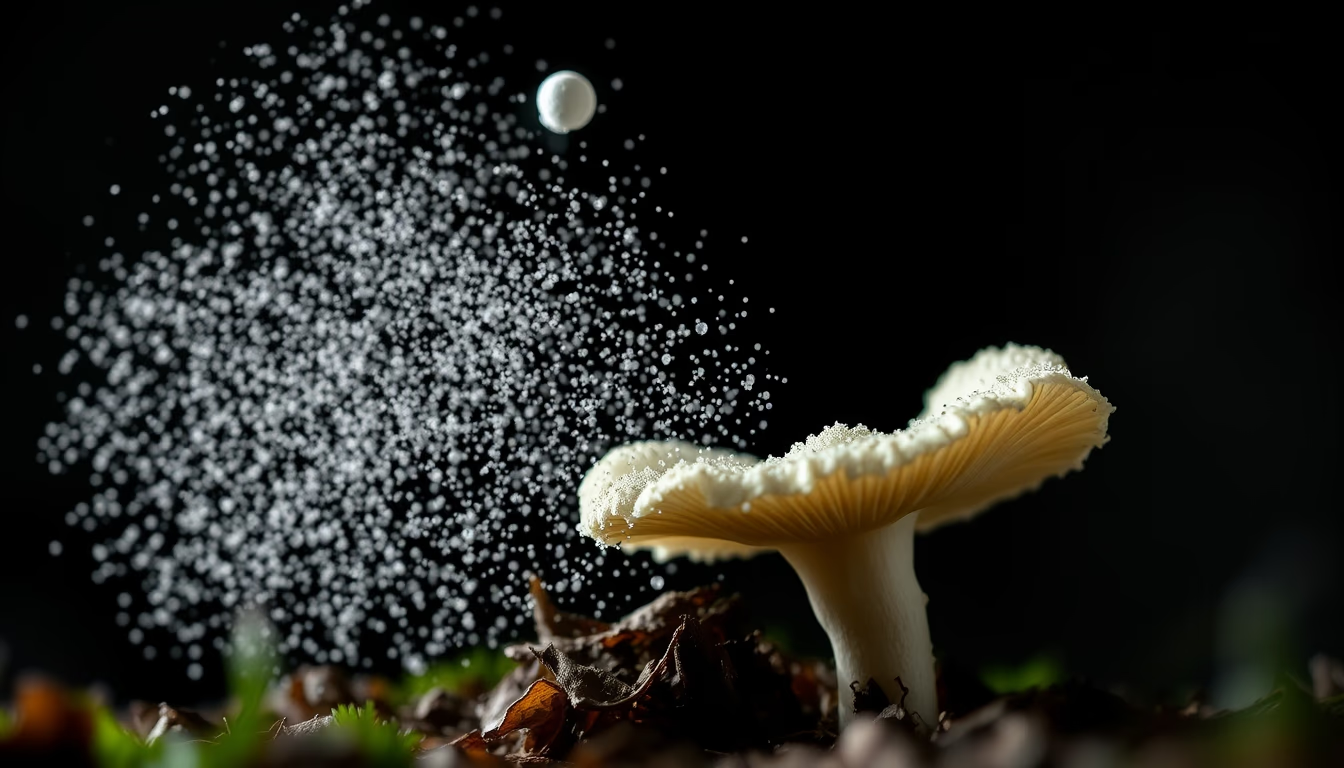
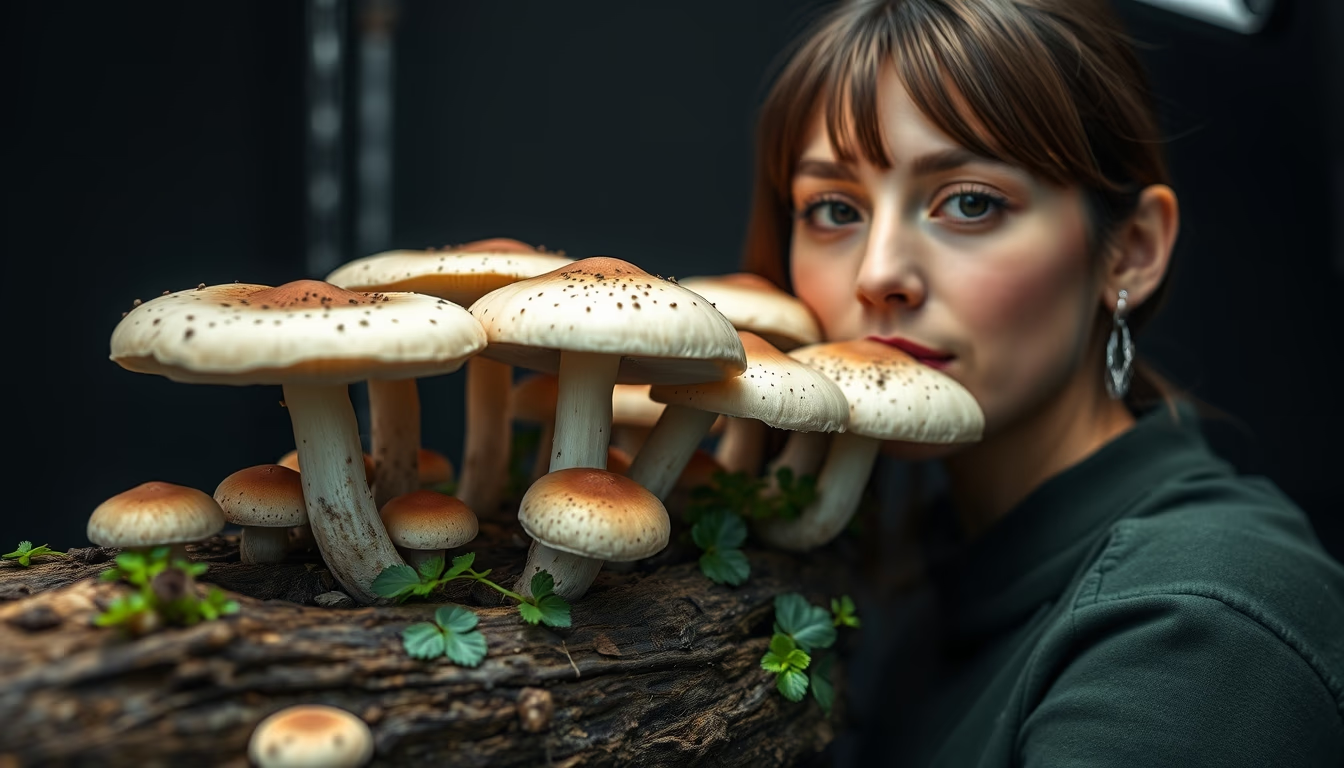
Morel mushrooms (Morchella spp.) are among the most prized fungi in the world, celebrated for their earthy, nutty flavor and firm, meaty texture. They emerge in spring, typically in temperate forests, often after wildfires or near decaying trees like elms and ashes. Their rarity stems from an unpredictable life cycle and the near impossibility of commercial cultivation; nearly all morels consumed globally are foraged from the wild, especially in North America, Europe, and parts of Asia.
Correct identification is essential, as false morels (Gyromitra spp.) are poisonous. True morels feature a completely hollow stem and cap, with a honeycomb-like, pitted surface ranging from pale cream to dark gray. They are a symbol of spring in the Northern Hemisphere, and foraging them is a cherished tradition in countries like France, Italy, and the United States, where amateur mycologists head to the woods in April and May.
In the kitchen, morels are often dried to preserve their intense flavor, then rehydrated before use. They star in creamy sauces, risottos, and paired with premium meats. Prices can exceed $1,000 per kilogram dried, reflecting both the difficulty of harvest and steady demand from high-end restaurants. Research also suggests antioxidant and anti-inflammatory properties, though their culinary appeal remains the primary draw.
Frequently Asked Questions
Why are morel mushrooms so expensive?
Morels are expensive due to their rarity and difficulty to cultivate. Most are wild-foraged, requiring specific environmental conditions and a short spring season.
How to distinguish true morels from false morels?
True morels have a completely hollow cap and stem. False morels (Gyromitra) have a brain-like texture (no honeycomb) and are solid inside. Always consult an expert if unsure.
Can morel mushrooms be grown at home?
Yes, but it is extremely challenging. Commercial kits exist, but success rates are low. Methods like sterilized substrates and temperature control can help, but large-scale cultivation remains unviable.
Direct URL
https://pub-c7d6a6ea828543ac903a74a341ccb2e1.r2.dev/imagens/morel-mushroom-rare-magazine-editorial-p0.avifHow to credit
Include a visible link back to UtilizAí. Copy one of the snippets below:
<a href="https://xn--utiliza-eza.com/en/midia/imagens/morel-mushroom-rare-magazine-editorial-p0">Morel mushroom rare</a> by <a href="https://xn--utiliza-eza.com">UtilizAí</a>, licensed under <a href="https://creativecommons.org/licenses/by/4.0/">CC BY 4.0</a>.
[Morel mushroom rare](https://xn--utiliza-eza.com/en/midia/imagens/morel-mushroom-rare-magazine-editorial-p0) by [UtilizAí](https://xn--utiliza-eza.com), CC BY 4.0
License: CC-BY-4.0