Morel mushroom rare
1344×768 · AVIF · CC BY 4.0
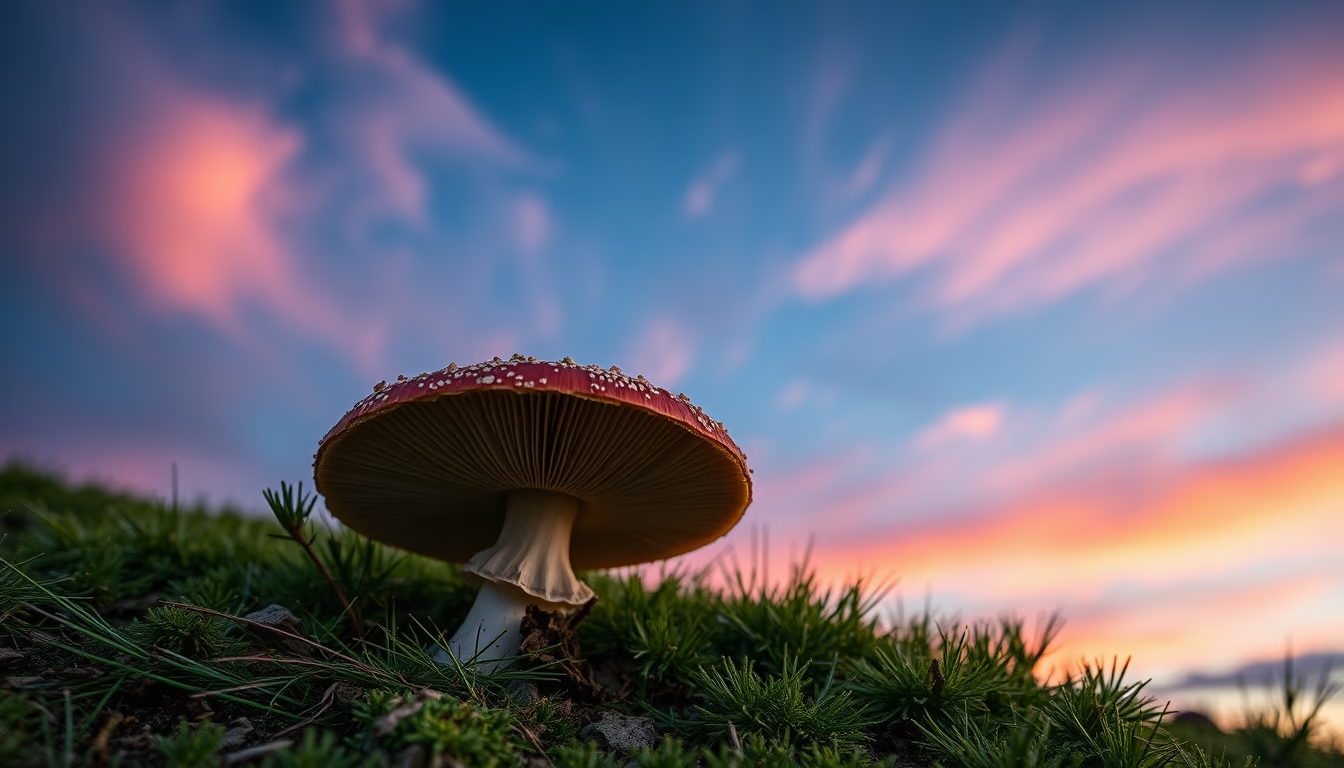
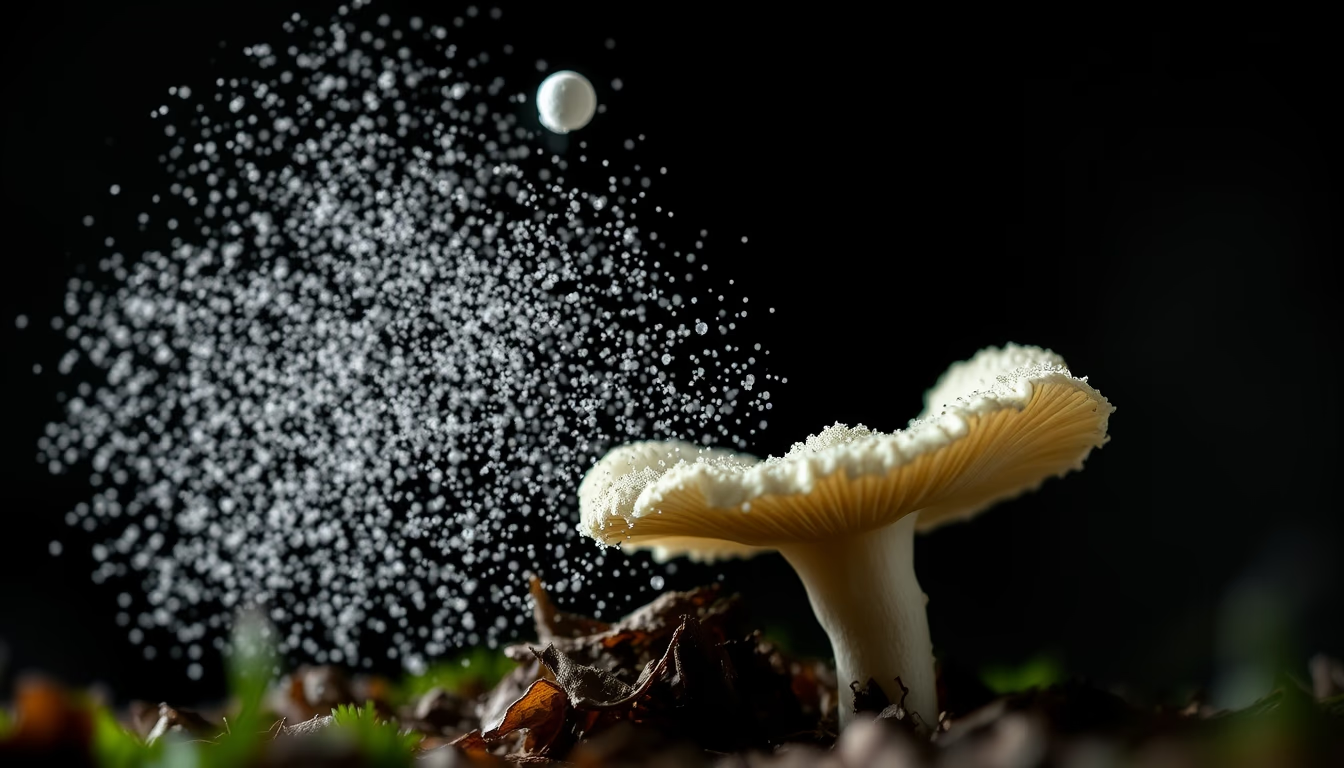
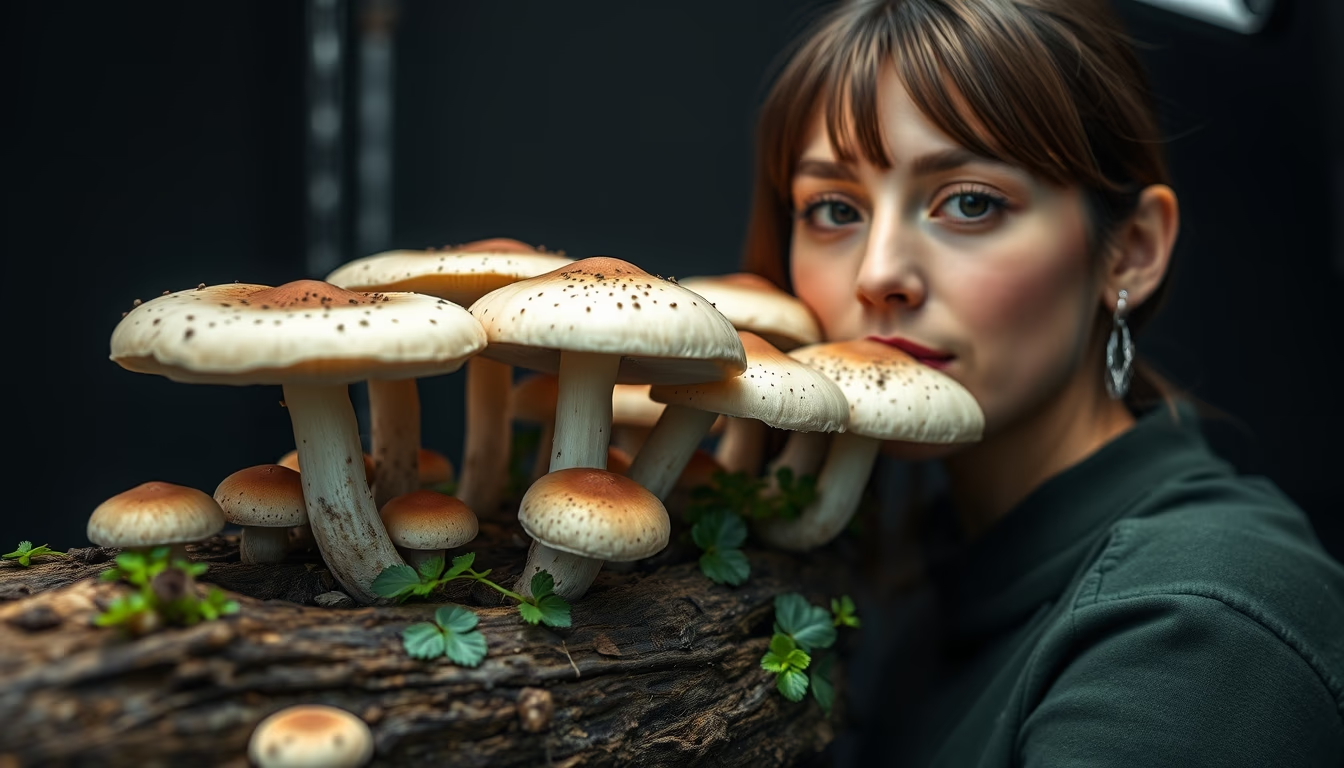
Morel mushrooms are rare wild fungi highly prized in cuisine, known for their unique flavor and honeycomb appearance.
About this subject
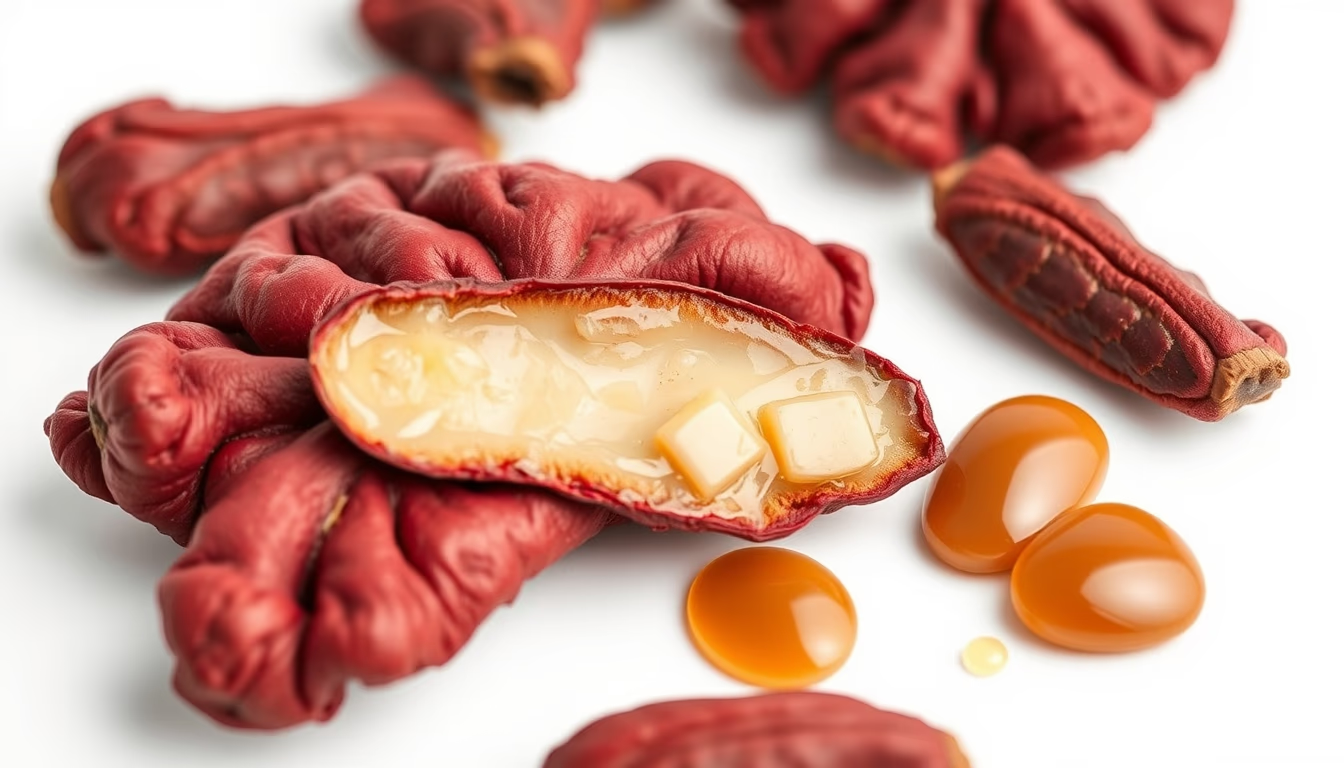
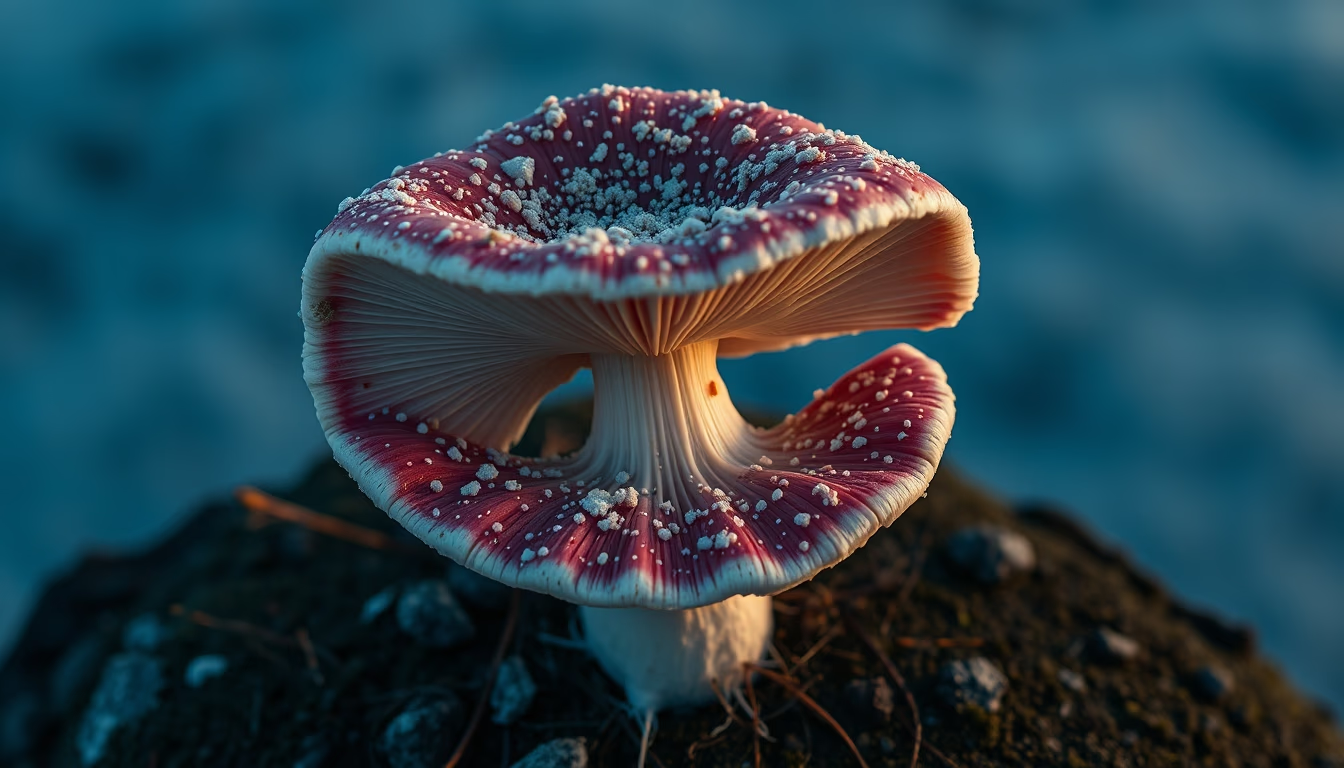
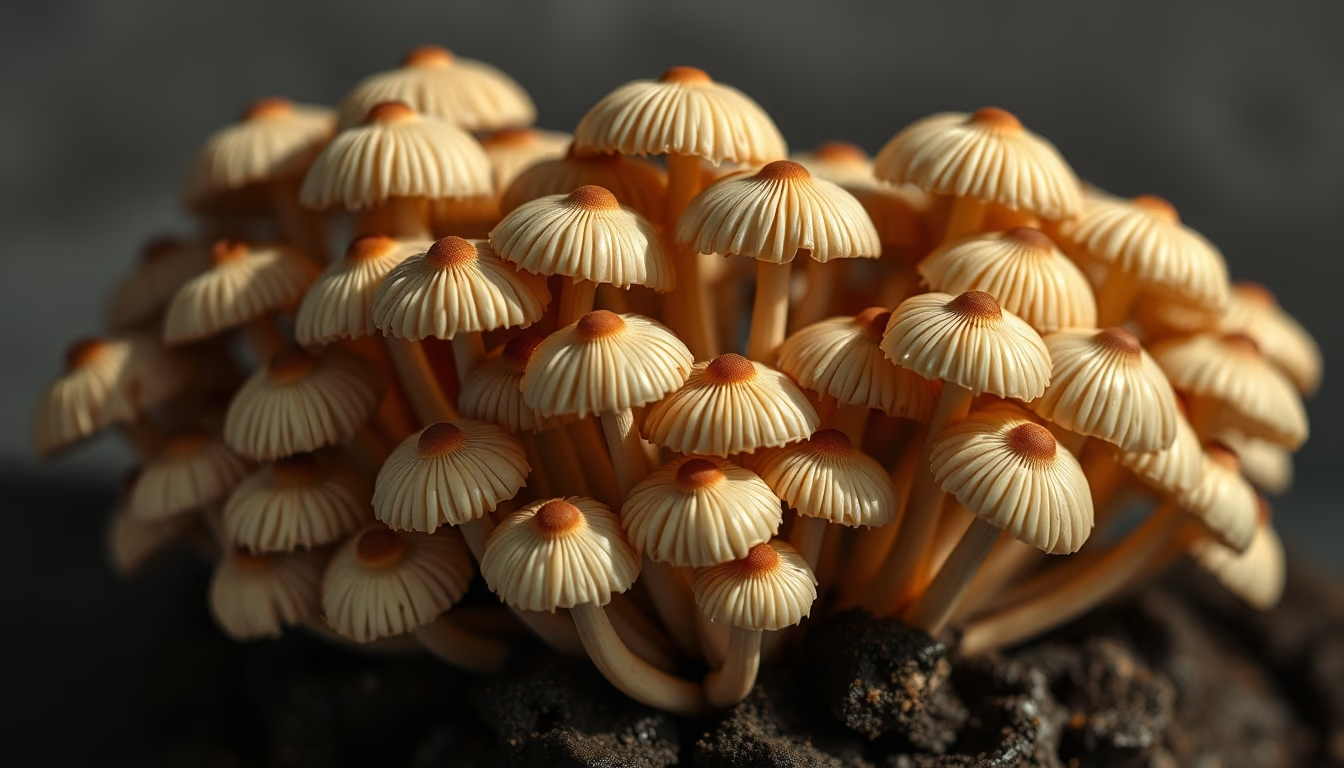
The morel mushroom (Morchella spp.) is one of the most prized edible fungi in the world, especially in Europe and North America. Its rarity stems from the fact that it cannot be commercially cultivated on a large scale like button mushrooms or shiitakes, relying on specific soil and climate conditions to emerge spontaneously in temperate forests. The distinctive honeycomb-like cap, hollow and pitted, makes identification relatively easy, but caution is necessary as there are toxic look-alikes such as the false morel (Gyromitra esculenta).
Morels appear primarily in spring, often after forest fires or in ash-rich areas, fueling the belief that they grow on burned ground. In reality, they form symbiotic relationships with certain trees like elms, ashes, and apple trees. Their flavor is earthy, nutty, and slightly smoky, making them a star ingredient in sauces, risottos, and dishes with fine meats. Due to high demand and short season, fresh morels can fetch high prices, sometimes exceeding $50 per pound in specialty markets.
In South America, morels are not native but can be found in mild climates, such as southern Brazil, where they are cultivated by amateur mycologists. Interest in the fungus has grown in recent years, driven by high-end gastronomy and the search for exotic ingredients. Despite their popularity, consumption should be moderate, as some people experience digestive sensitivity, especially when morels are eaten raw or undercooked. Always cook them thoroughly to neutralize any mild toxins.
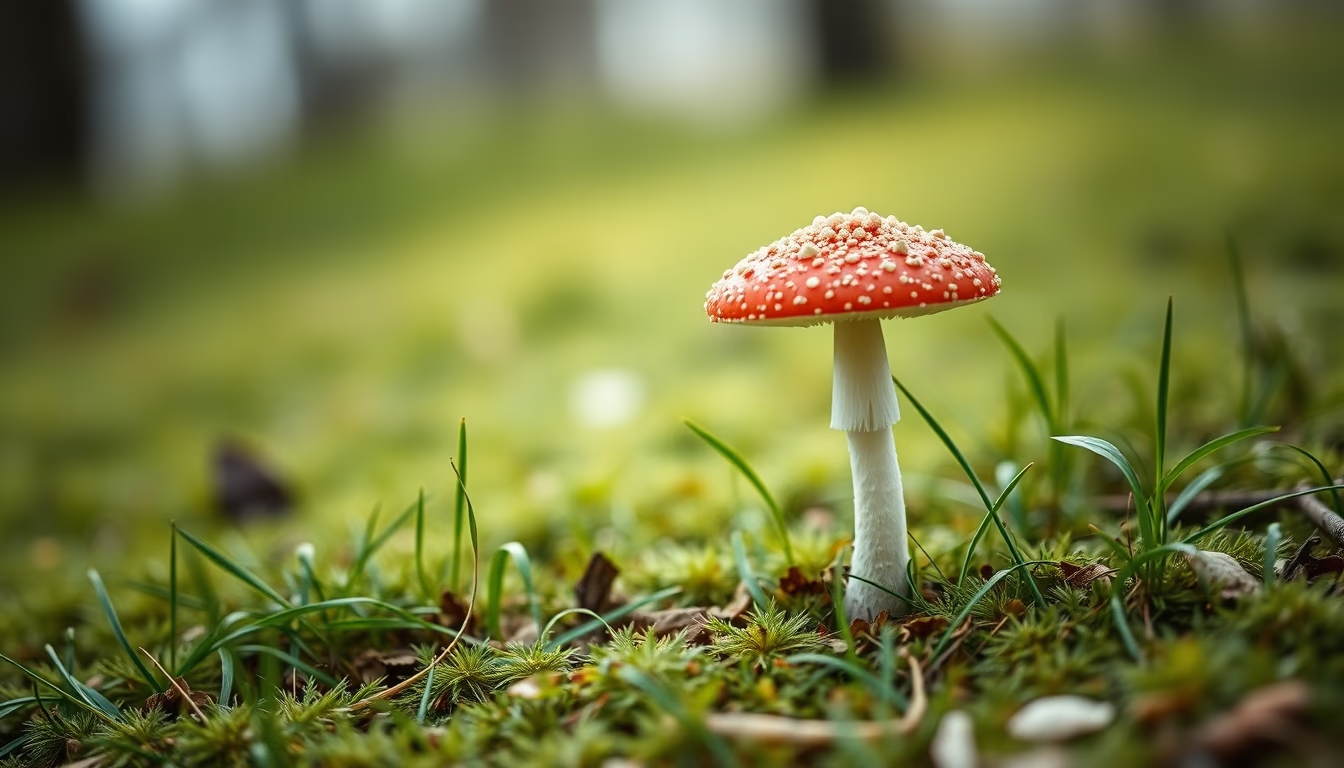
Beyond their culinary value, morels fascinate foragers and scientists due to their peculiar biology. The genus Morchella comprises dozens of species, many still poorly studied. The suggested long exposure in the image can highlight the mushroom's delicate texture and intricate details, reinforcing its natural beauty and rarity.
Frequently Asked Questions
How can I identify a true morel mushroom?
A true morel has a hollow, honeycomb-like cap with irregular pits. The stem is attached to the cap and also hollow. The false morel (Gyromitra) has a brain-like appearance and is toxic.
What is the best season to find morels?
Morel season is spring, typically from March to May in the Northern Hemisphere. They appear after rains and mild temperatures, often in areas that have recently burned.
Is it safe to eat raw morels?
No. Raw or undercooked morels can cause mild food poisoning, with symptoms like nausea and cramps. Always cook morels thoroughly, preferably sautéed or boiled for at least 10 minutes.
Direct URL
https://pub-c7d6a6ea828543ac903a74a341ccb2e1.r2.dev/imagens/morel-mushroom-rare-long-exposure-p9.avifHow to credit
Include a visible link back to UtilizAí. Copy one of the snippets below:
<a href="https://xn--utiliza-eza.com/en/midia/imagens/morel-mushroom-rare-long-exposure-p9">Morel mushroom rare</a> by <a href="https://xn--utiliza-eza.com">UtilizAí</a>, licensed under <a href="https://creativecommons.org/licenses/by/4.0/">CC BY 4.0</a>.
[Morel mushroom rare](https://xn--utiliza-eza.com/en/midia/imagens/morel-mushroom-rare-long-exposure-p9) by [UtilizAí](https://xn--utiliza-eza.com), CC BY 4.0
License: CC-BY-4.0