Morel mushroom rare
1344×768 · AVIF · CC BY 4.0
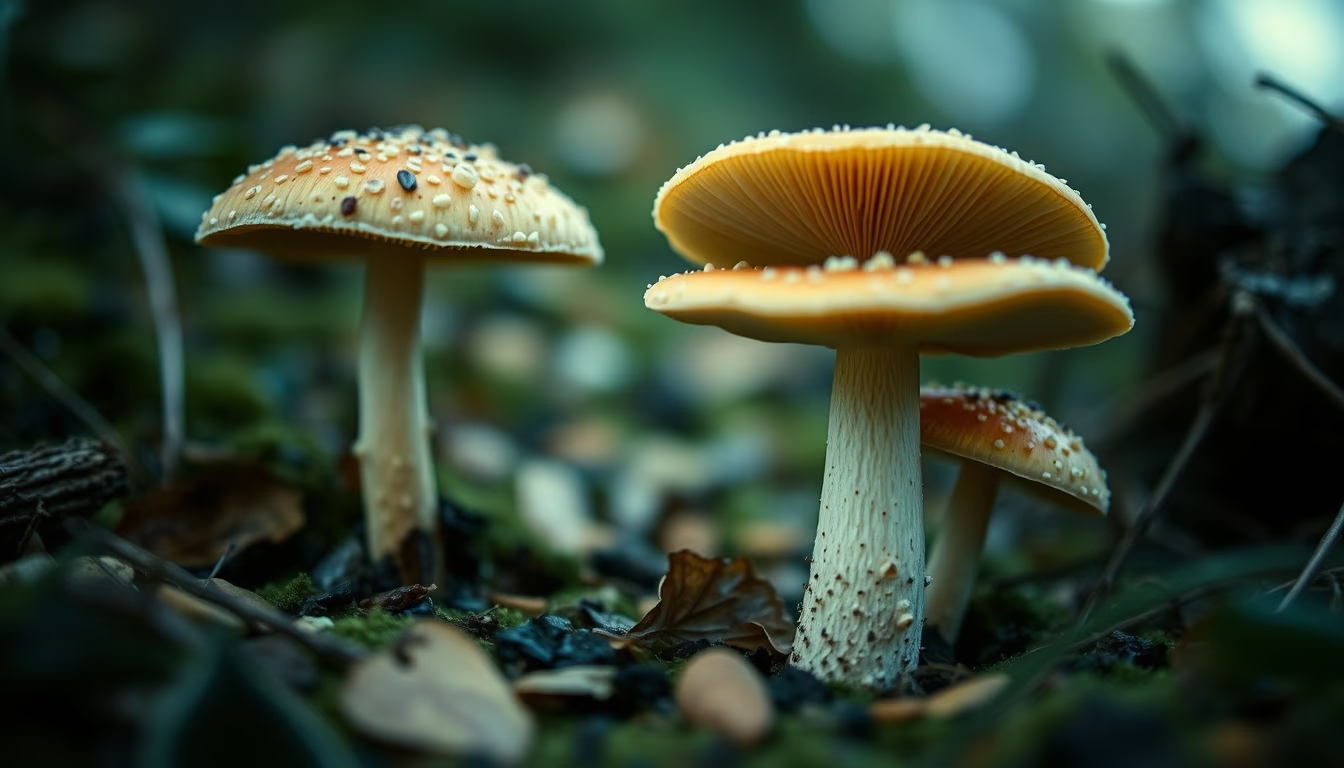
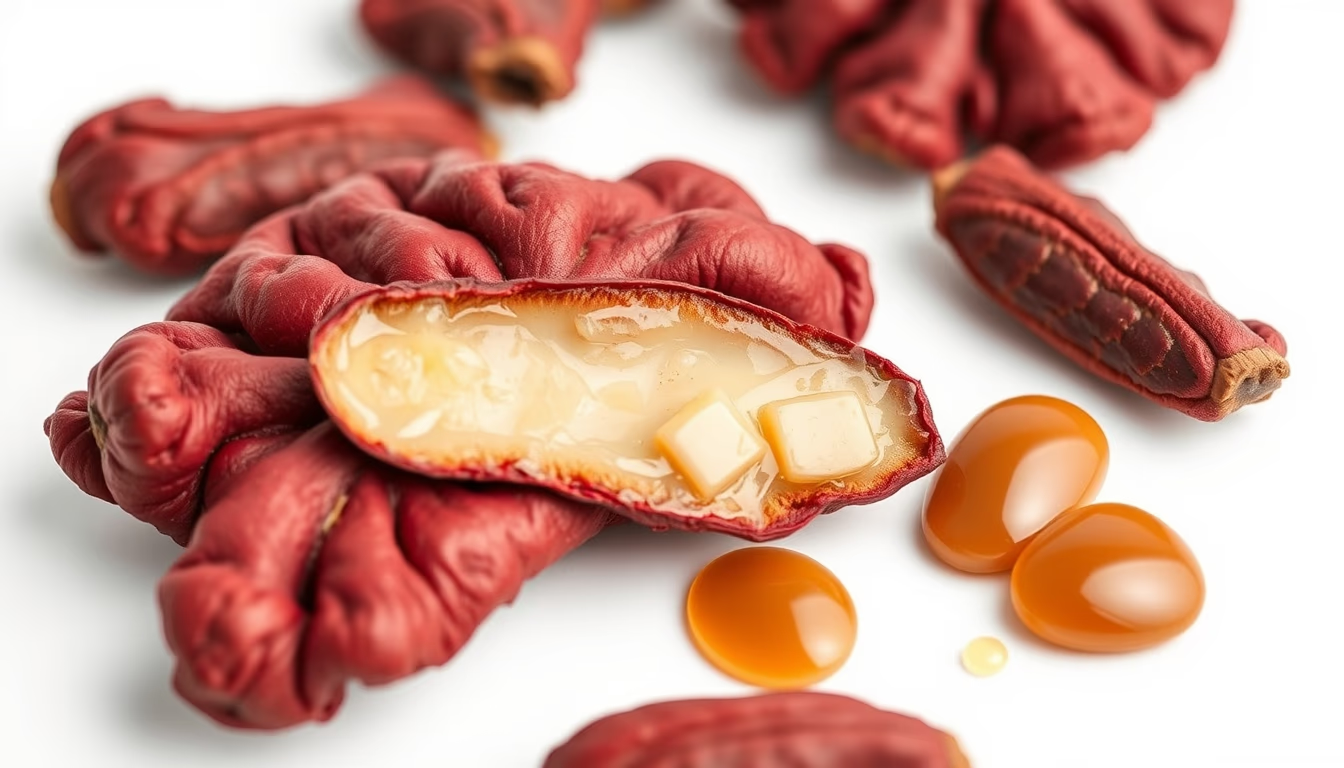
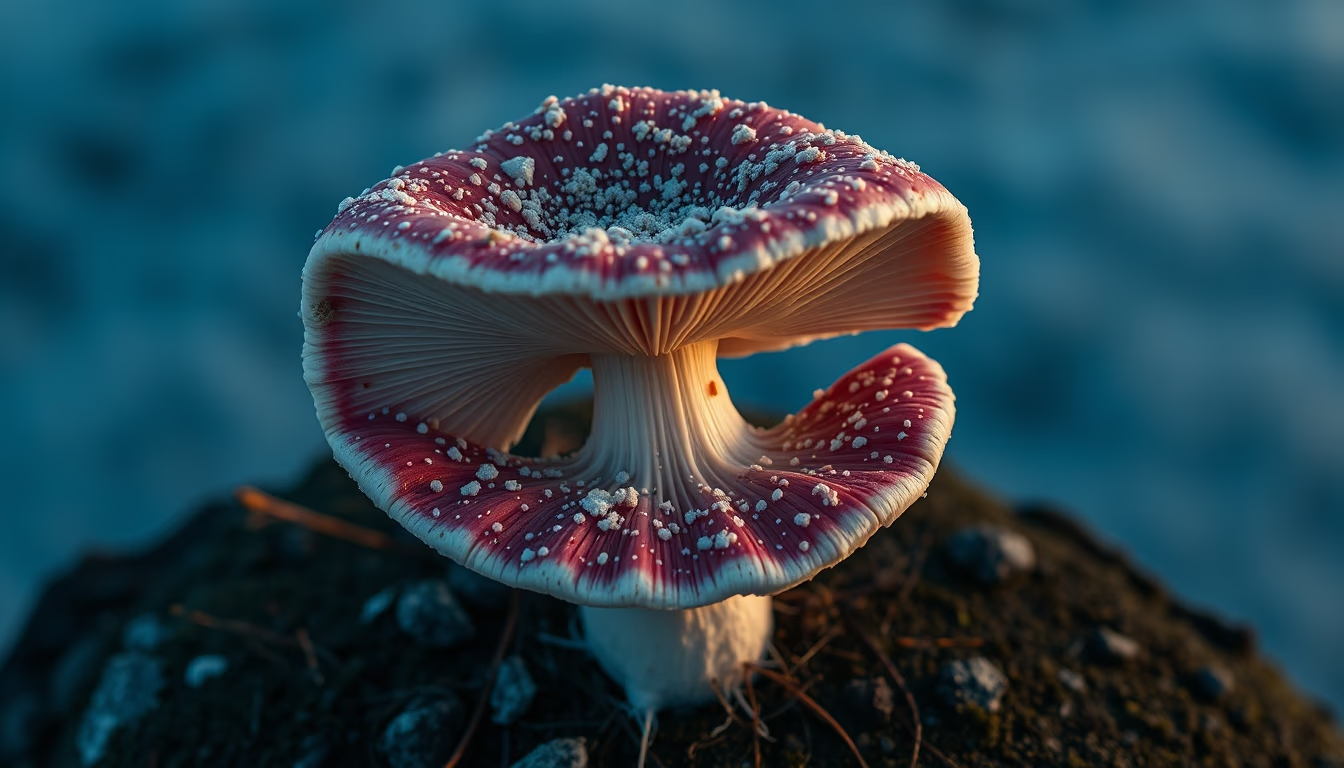
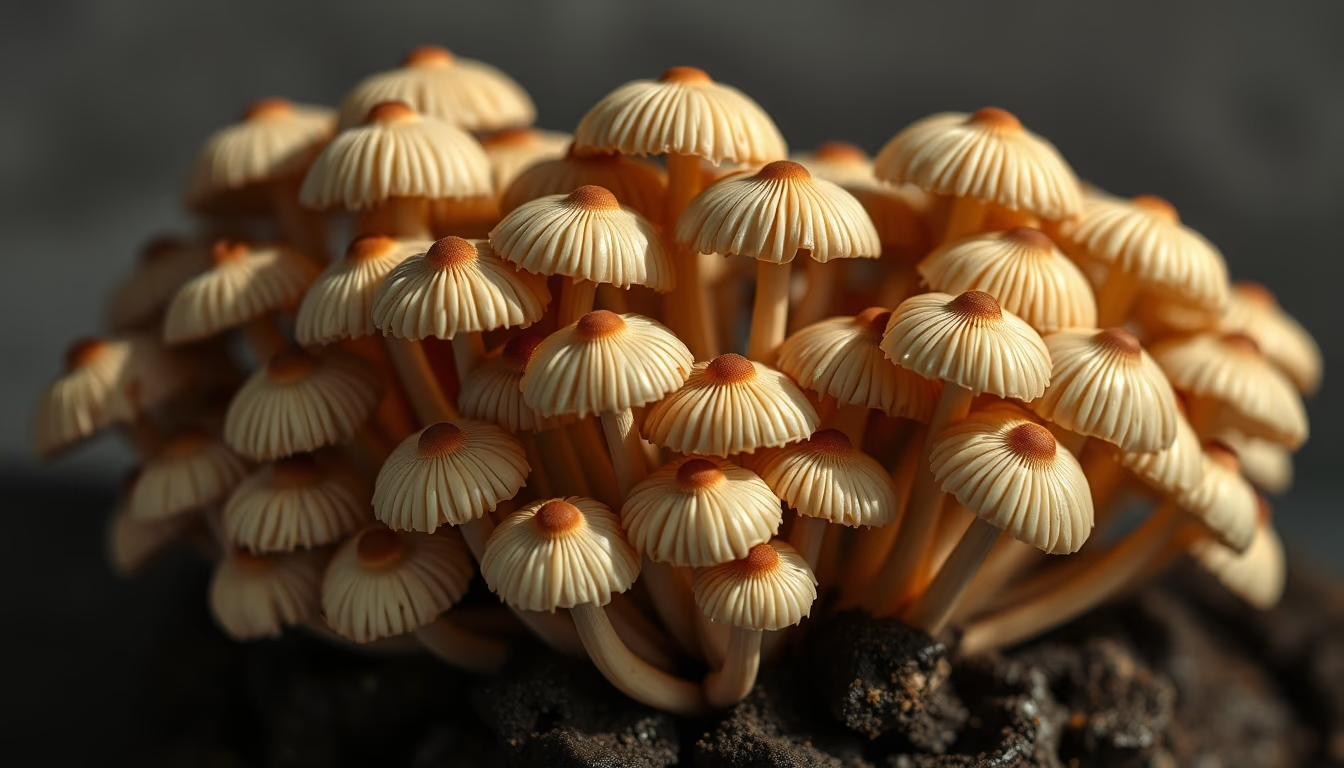
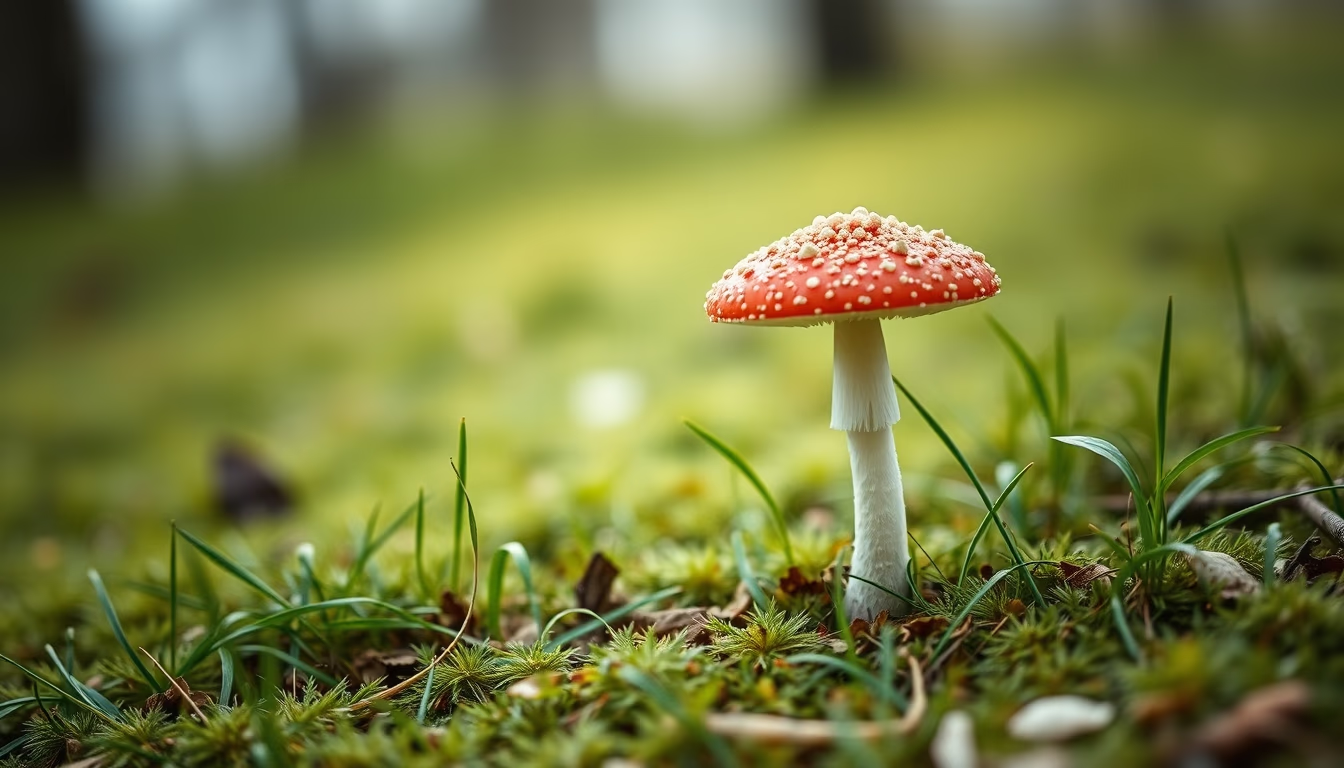
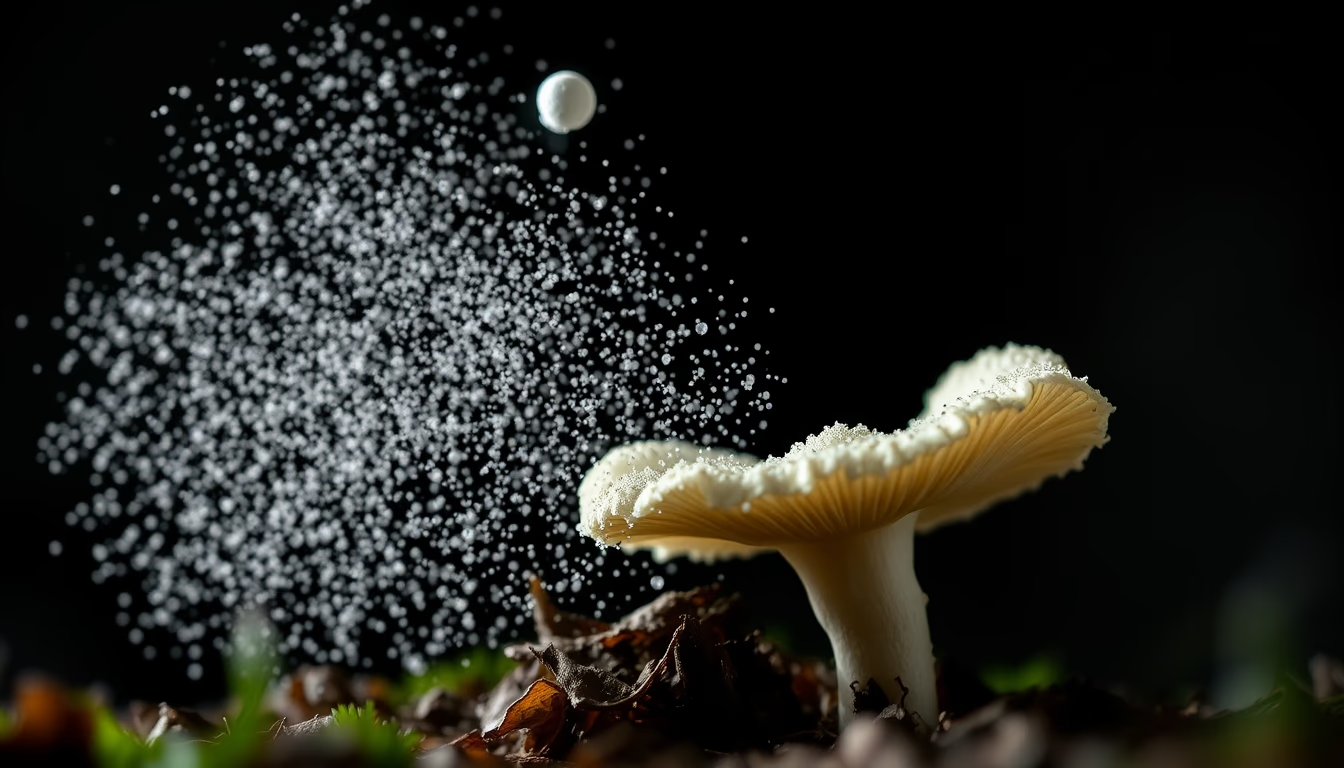
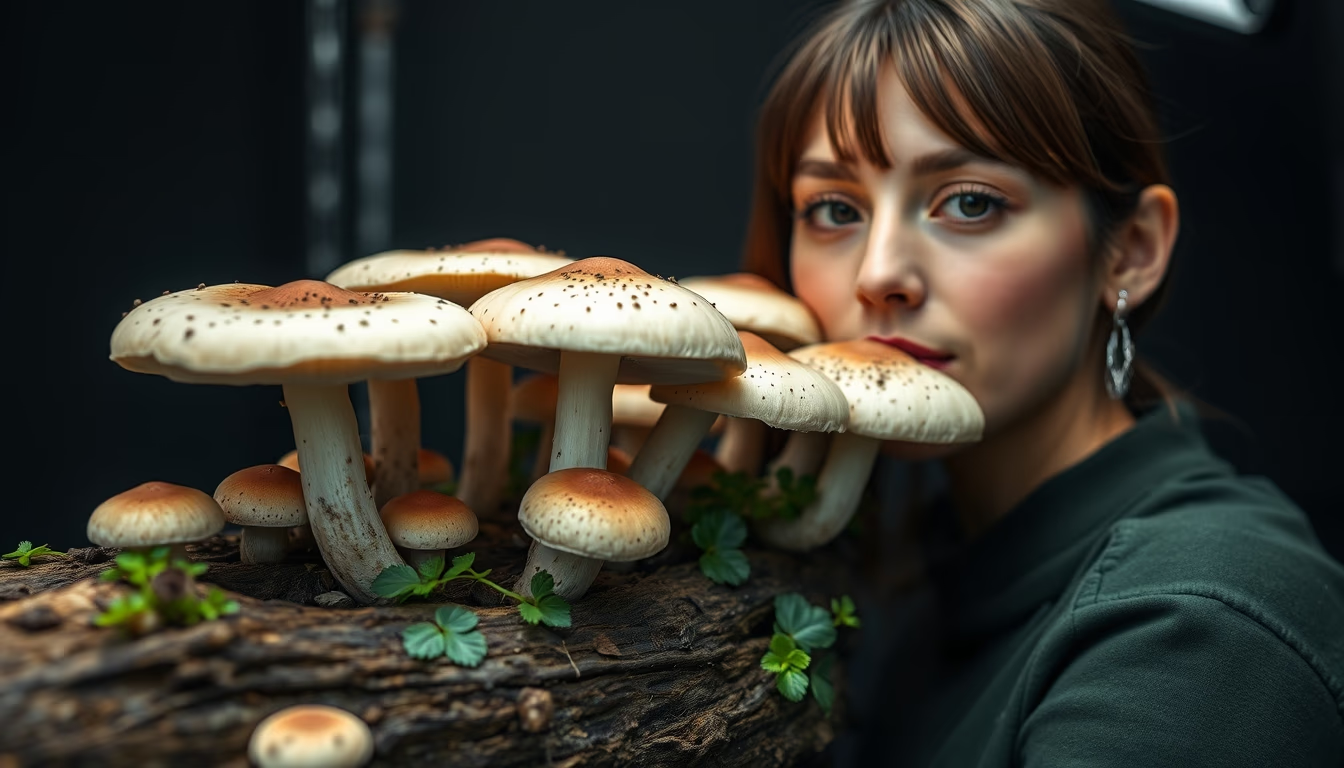
Morel is a rare wild mushroom highly prized in cuisine, known for its earthy flavor and honeycomb-like appearance.
About this subject
The morel mushroom (Morchella spp.) is one of the most coveted edible fungi worldwide, famous for its deep flavor and unique texture. Unlike common mushrooms, morels are not easily cultivated, being primarily found wild during spring in temperate regions of the Northern Hemisphere, such as North America, Europe, and parts of Asia. They grow in rich organic soils, often near trees like ash, elm, and apple, and are known to appear after forest fires, a phenomenon not yet fully understood.
The morel's morphology is unmistakable: a cap shaped like a cone or honeycomb, with deep pits and a color ranging from cream to dark brown. The stem is hollow and continuous with the cap. Several species exist, such as Morchella esculenta (yellow morel) and Morchella elata (black morel), each with specific habitat and fruiting time. Due to their rarity and demand, morels fetch high prices in the market, sold fresh or dried.
In cooking, morels are prized for their earthy, slightly nutty flavor, pairing well with butter, cream, and meats. They must be cooked before consumption, as raw morels can cause digestive discomfort. Harvesting requires caution: accurate identification is essential to avoid toxic look-alikes like the false morel (Gyromitra esculenta), which contains carcinogenic hydrazines. Morel hunting has become a seasonal tradition, with dedicated communities and even festivals in the American Midwest.
Scientific research attempts to unravel morel biology to enable commercial cultivation. Although some methods are being developed, production remains limited, preserving their status as a wild delicacy. The morel symbolizes the connection between nature and gastronomy, representing one of spring's most ephemeral treasures.
Frequently Asked Questions
Where can I find morel mushrooms?
Morels grow in temperate regions of the Northern Hemisphere, such as North America, Europe, and Asia, during spring. They prefer rich organic soils near trees like ash, elm, and apple, and often appear after forest fires.
How should morel mushrooms be prepared?
Wash thoroughly to remove dirt and insects. Always cook them, as raw morels can be toxic. Sauté with butter or oil, add garlic and herbs, or use in creamy sauces, risottos, and omelets.
Are there any poisonous look-alikes to morels?
Yes, the false morel (Gyromitra esculenta) is toxic and can be mistaken. False morels have irregular, brain-like caps and a solid stem. Never consume without expert identification.
Direct URL
https://pub-c7d6a6ea828543ac903a74a341ccb2e1.r2.dev/imagens/morel-mushroom-rare-film-grain-authentic-p6.avifHow to credit
Include a visible link back to UtilizAí. Copy one of the snippets below:
<a href="https://xn--utiliza-eza.com/en/midia/imagens/morel-mushroom-rare-film-grain-authentic-p6">Morel mushroom rare</a> by <a href="https://xn--utiliza-eza.com">UtilizAí</a>, licensed under <a href="https://creativecommons.org/licenses/by/4.0/">CC BY 4.0</a>.
[Morel mushroom rare](https://xn--utiliza-eza.com/en/midia/imagens/morel-mushroom-rare-film-grain-authentic-p6) by [UtilizAí](https://xn--utiliza-eza.com), CC BY 4.0
License: CC-BY-4.0