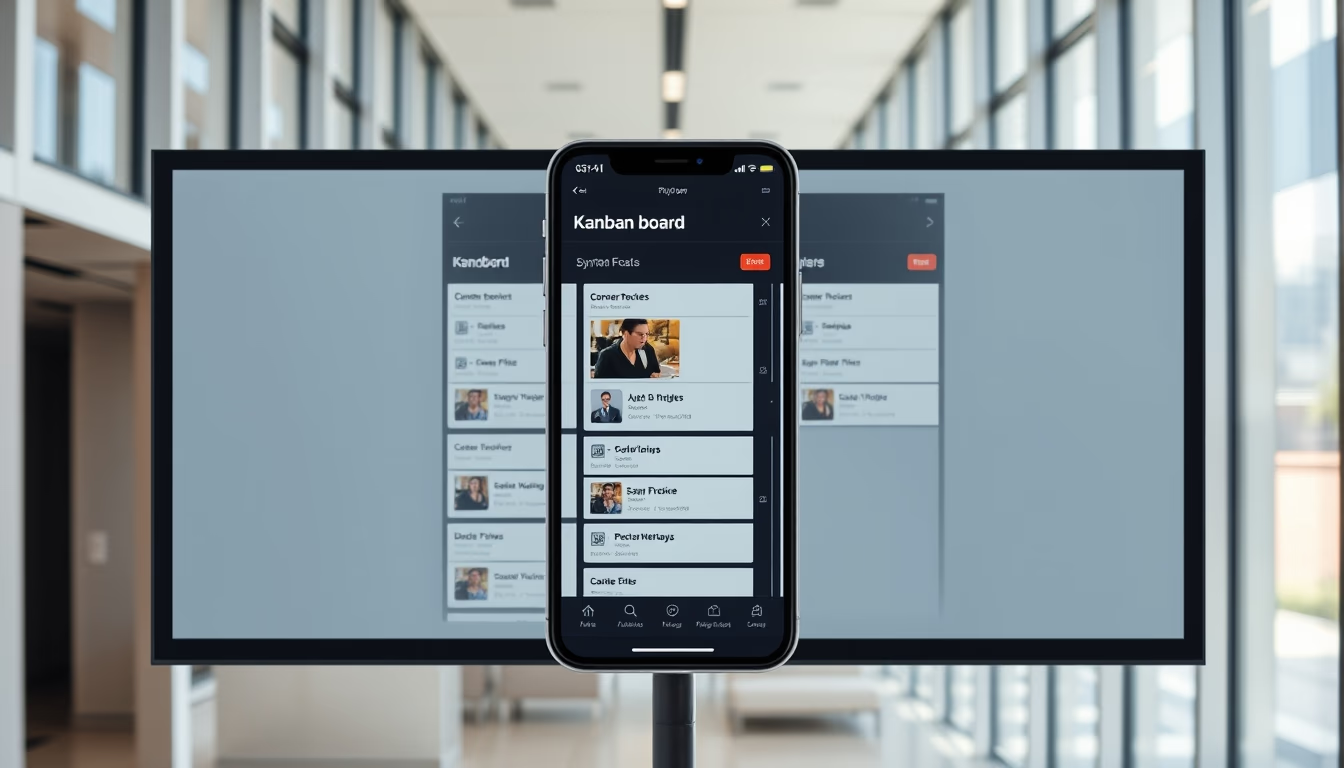
Mobile app onboarding
1344×768 · AVIF · CC BY 4.0
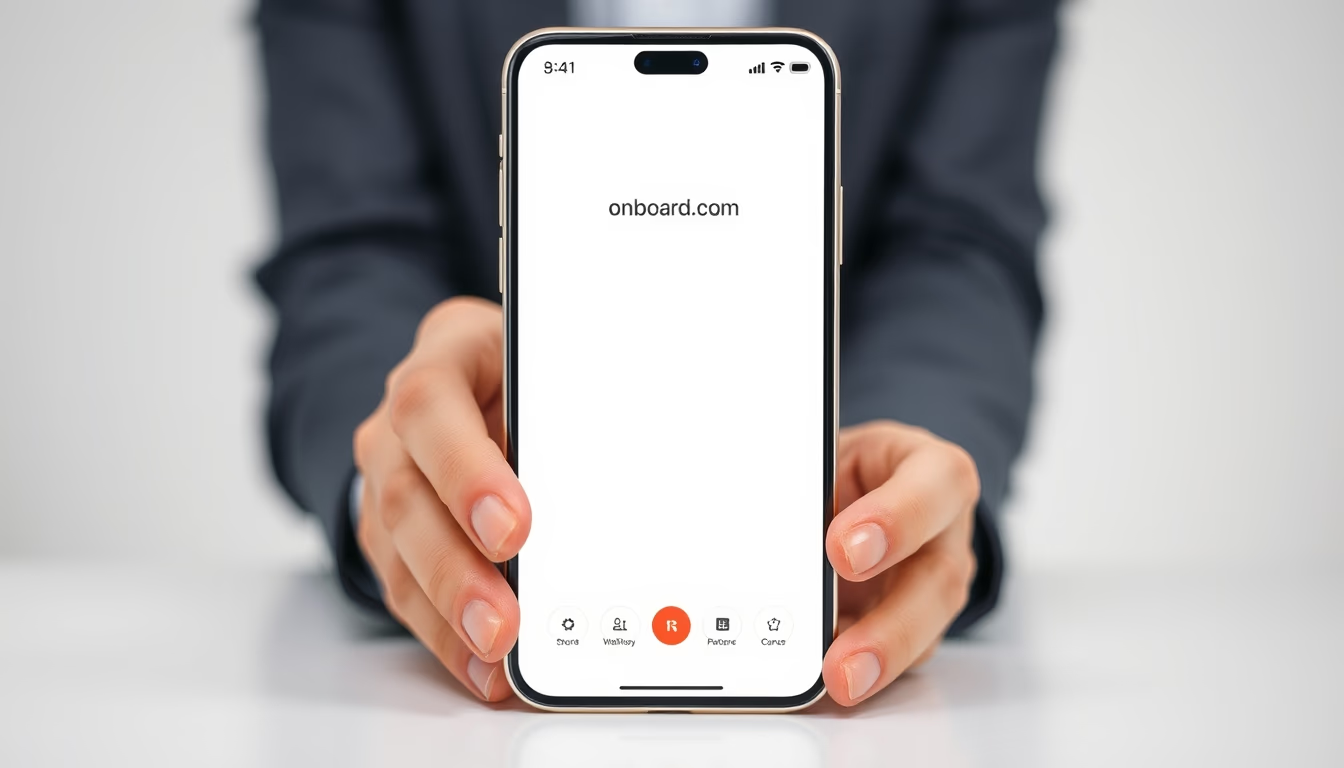
Mobile app onboarding, the process of user integration, is crucial for customer retention and ensuring a positive first experience.
About this subject
Mobile app onboarding is the process through which new users are introduced to an app's features and value. According to Appsflyer, up to 80% of users abandon an app within the first three days after download, and poor onboarding is a leading cause. Effective onboarding can boost retention by up to 50%, as reported by Localytics.
Different onboarding approaches exist: step-by-step tutorials, progressive onboarding (which gradually reveals features), and benefits-based onboarding that highlights value before explaining features. The use of visual elements, micro-interactions, and clear calls to action improves completion rates. Companies like Duolingo and Spotify are benchmarks for using personalized onboarding and gamification to engage users from the first interaction.
Choosing the right method depends on the app type. Productivity apps often use quick tutorials, while social networks prefer a lighter onboarding that encourages exploration. Google's collection of best practices suggests onboarding should not exceed three steps, and users should be able to skip or revisit instructions at any time. Monitoring where users drop off using analytics allows for continuous flow optimization.
Interestingly, the term onboarding originates from corporate environments, referring to the integration of new employees. In the digital context, the concept was first adapted by software companies in the early 2000s with the rise of SaaS apps. Today, mobile onboarding is considered a key growth lever for startups and established companies, directly impacting retention metrics and lifetime value (LTV).
Frequently Asked Questions
Why is onboarding important for mobile apps?
Onboarding is crucial because it reduces early abandonment rates. A good first experience can increase user retention by up to 50%, and it educates users about the app's value.
What are the main types of mobile onboarding?
The main types are: step-by-step tutorials, progressive onboarding (gradually revealing features), and benefits-based onboarding (focusing on value before instructions). The choice depends on the app's purpose.
How long should an ideal onboarding take?
Experts recommend onboarding should not exceed three steps, and users should be able to skip or revisit instructions. The focus should be on quickly showing value without overwhelming.
Direct URL
https://pub-c7d6a6ea828543ac903a74a341ccb2e1.r2.dev/imagens/mobile-app-onboarding-commercial-product-photography-p0.avifHow to credit
Include a visible link back to UtilizAí. Copy one of the snippets below:
<a href="https://xn--utiliza-eza.com/en/midia/imagens/mobile-app-onboarding-commercial-product-photography-p0">Mobile app onboarding</a> by <a href="https://xn--utiliza-eza.com">UtilizAí</a>, licensed under <a href="https://creativecommons.org/licenses/by/4.0/">CC BY 4.0</a>.
[Mobile app onboarding](https://xn--utiliza-eza.com/en/midia/imagens/mobile-app-onboarding-commercial-product-photography-p0) by [UtilizAí](https://xn--utiliza-eza.com), CC BY 4.0
License: CC-BY-4.0