Maya glyphs codex
1344×768 · AVIF · CC BY 4.0
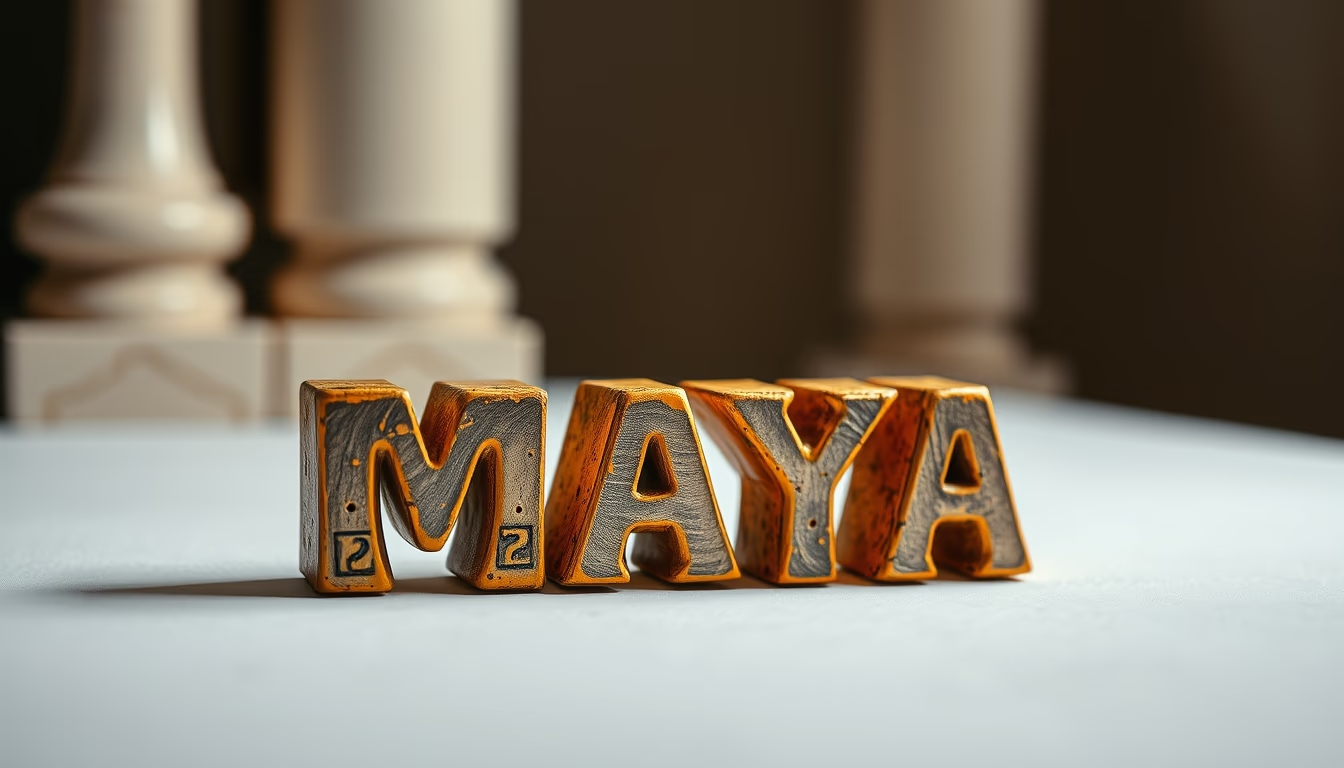
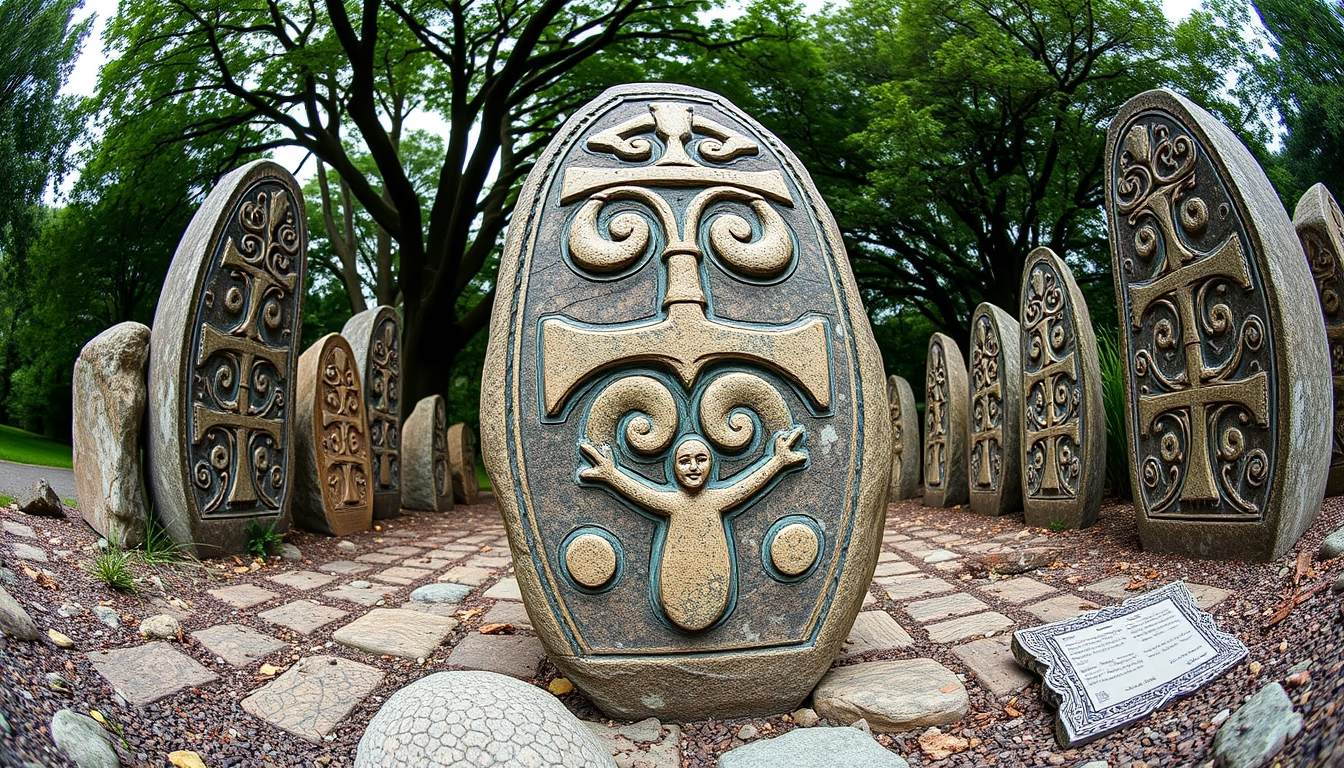
Maya glyphs constitute one of the most sophisticated writing systems of pre-Columbian America, recorded on bark-paper codices.
About this subject
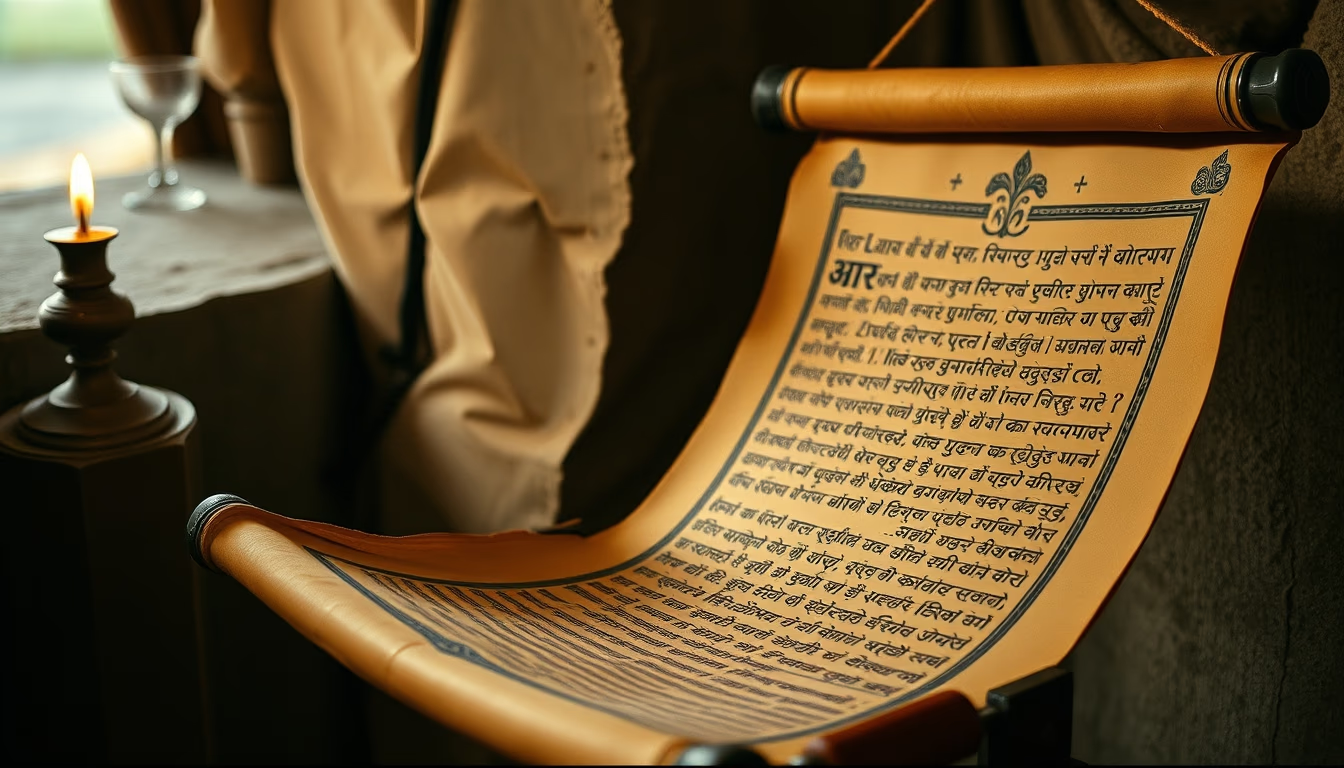
The Maya civilization developed a hieroglyphic writing system combining logograms and syllabic symbols, used for over two thousand years in Mesoamerica. The glyphs were carved on stone monuments, murals, pottery, and especially on codices made from processed fig bark. Only four pre-Columbian Maya codices survive today: the Dresden Codex, the Madrid Codex, the Paris Codex, and the Grolier Codex (the latter of debated authenticity). These documents recorded astronomical knowledge, ritual calendars, agricultural practices, and religious ceremonies with remarkable precision.
Maya writing remained undeciphered for centuries after the Spanish conquest, until decisive advances by Soviet linguist Yuri Knorozov in the 1950s demonstrated the phonetic nature of the glyphs. Today, about 60% of signs are understood, allowing substantial reconstruction of Maya history and culture. The glyphs were arranged in rectangular blocks, read in pairs from left to right and top to bottom, often accompanied by iconographic representations.
The Dresden Codex, preserved in Germany, is the most complete and includes astronomical tables accurately calculating the Venus cycle and solar eclipses. The Madrid Codex, the longest, primarily contains rituals and prophecies linked to the agricultural calendar. Production of these manuscripts required highly trained scribes from the noble or priestly elite, who used brushes made of human hair and mineral and vegetable pigments.
Today, the study of Maya glyphs is a central field of Mesoamerican epigraphy, with new interpretations emerging from technologies such as multispectral photography. Maya calligraphic art inspires contemporary designers who incorporate its stylized strokes into typography and visual identity projects. Preserving the remaining codices is a priority for museums and international institutions, given their immeasurable value to humanity's cultural heritage.
Frequently Asked Questions
How many Maya codices survive today?
Only four pre-Columbian Maya codices are known: Dresden, Madrid, Paris, and Grolier. They were produced between the 11th and 15th centuries.
How were Maya glyphs deciphered?
Soviet linguist Yuri Knorozov in the 1950s demonstrated that the glyphs had phonetic value, enabling the reading of syllables and words. Since then, about 60% of signs have been deciphered.
What is the significance of the Dresden Codex?
The Dresden Codex is the most complete and includes astronomical tables that accurately calculate the Venus cycle and solar eclipses, showcasing advanced Maya mathematical knowledge.
Direct URL
https://pub-c7d6a6ea828543ac903a74a341ccb2e1.r2.dev/imagens/maya-glyphs-codex-studio-still-life-fresh17.avifHow to credit
Include a visible link back to UtilizAí. Copy one of the snippets below:
<a href="https://xn--utiliza-eza.com/en/midia/imagens/maya-glyphs-codex-studio-still-life-fresh17">Maya glyphs codex</a> by <a href="https://xn--utiliza-eza.com">UtilizAí</a>, licensed under <a href="https://creativecommons.org/licenses/by/4.0/">CC BY 4.0</a>.
[Maya glyphs codex](https://xn--utiliza-eza.com/en/midia/imagens/maya-glyphs-codex-studio-still-life-fresh17) by [UtilizAí](https://xn--utiliza-eza.com), CC BY 4.0
License: CC-BY-4.0