Martian colony dome
1344×768 · AVIF · CC BY 4.0
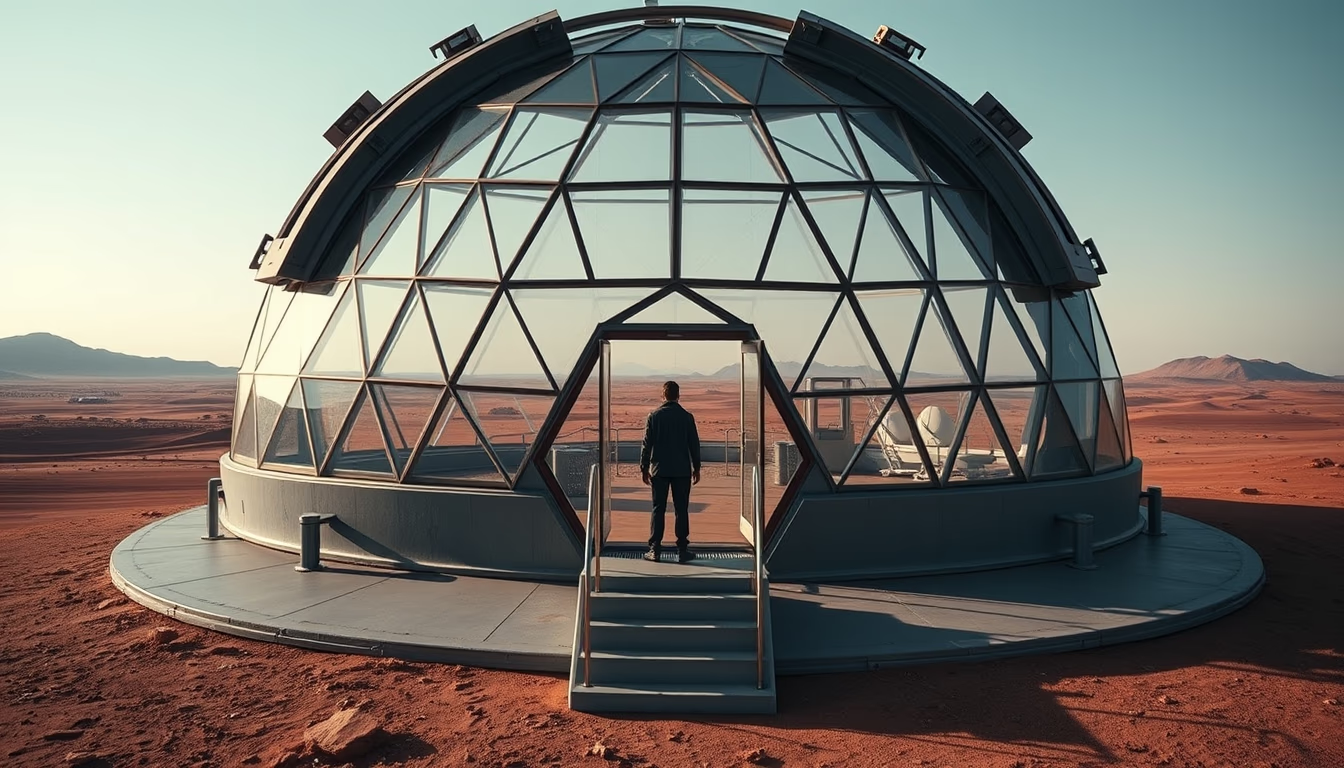
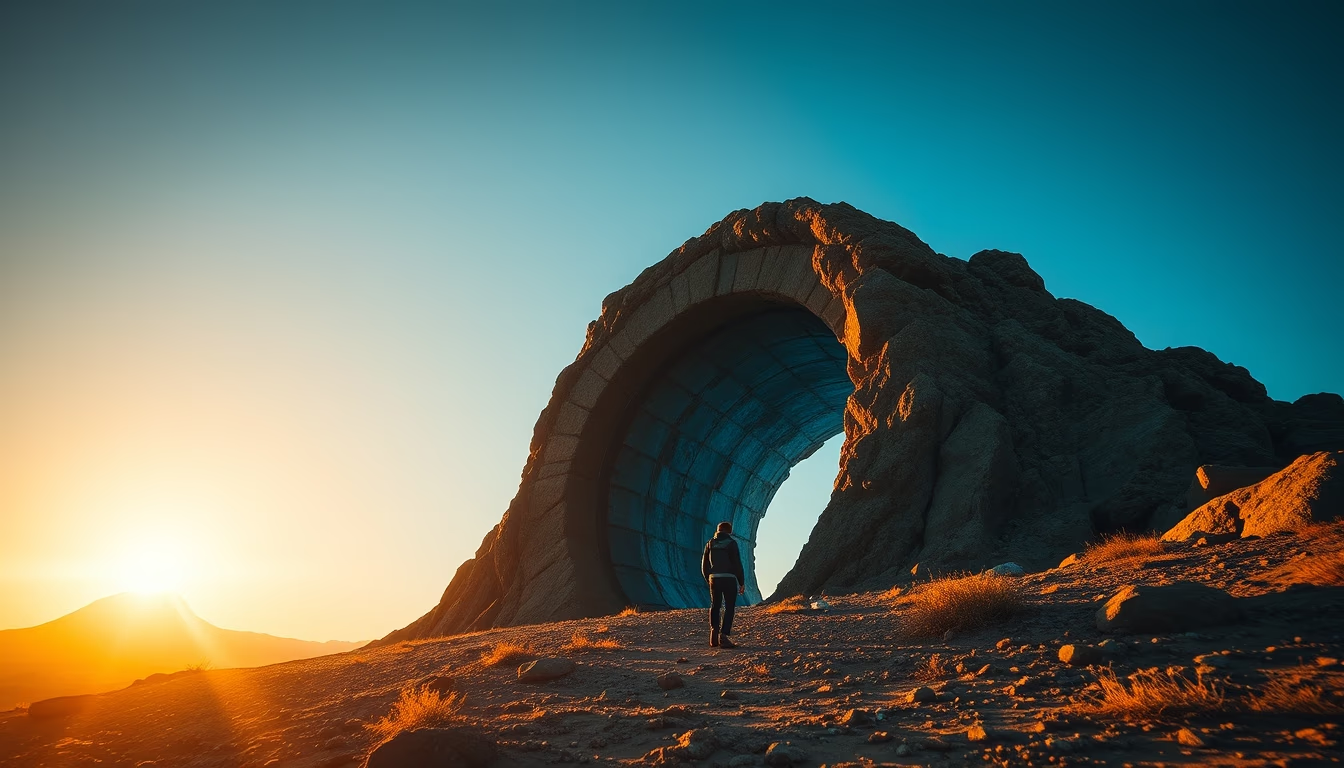
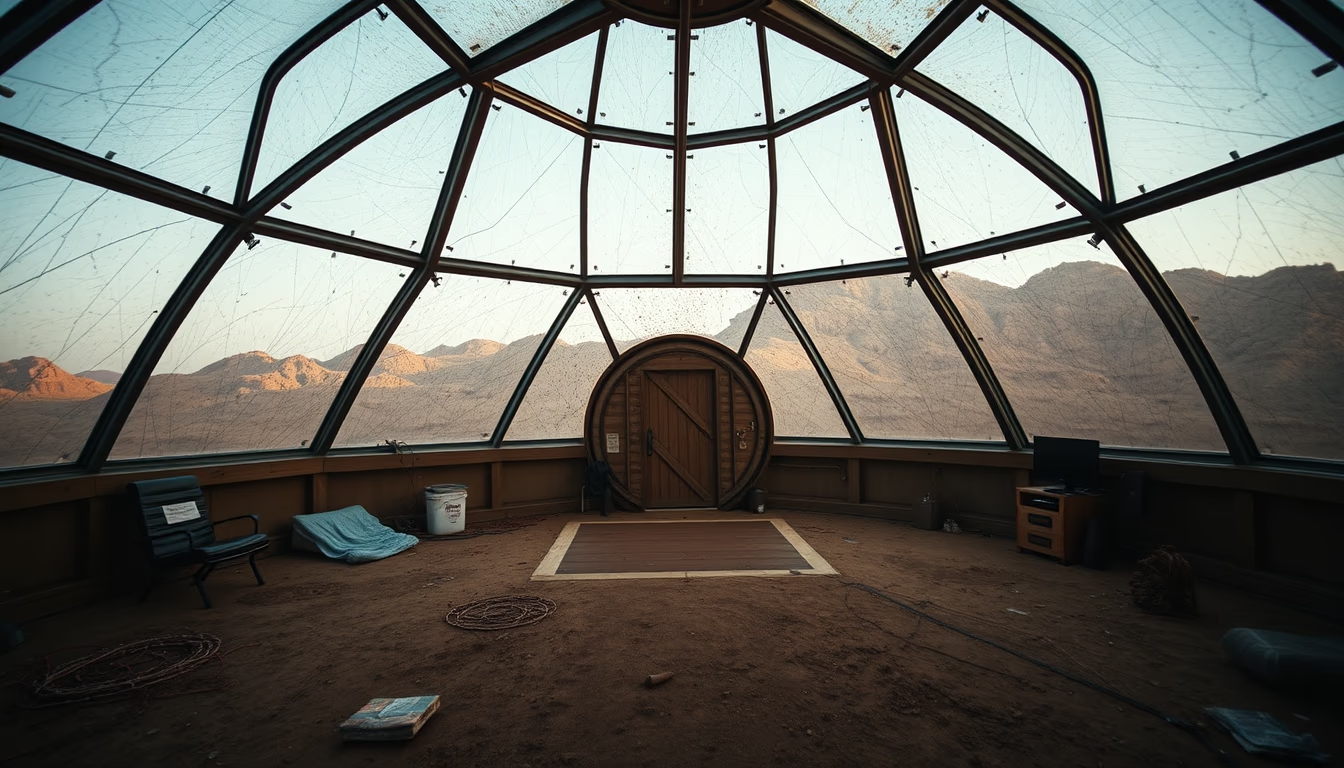
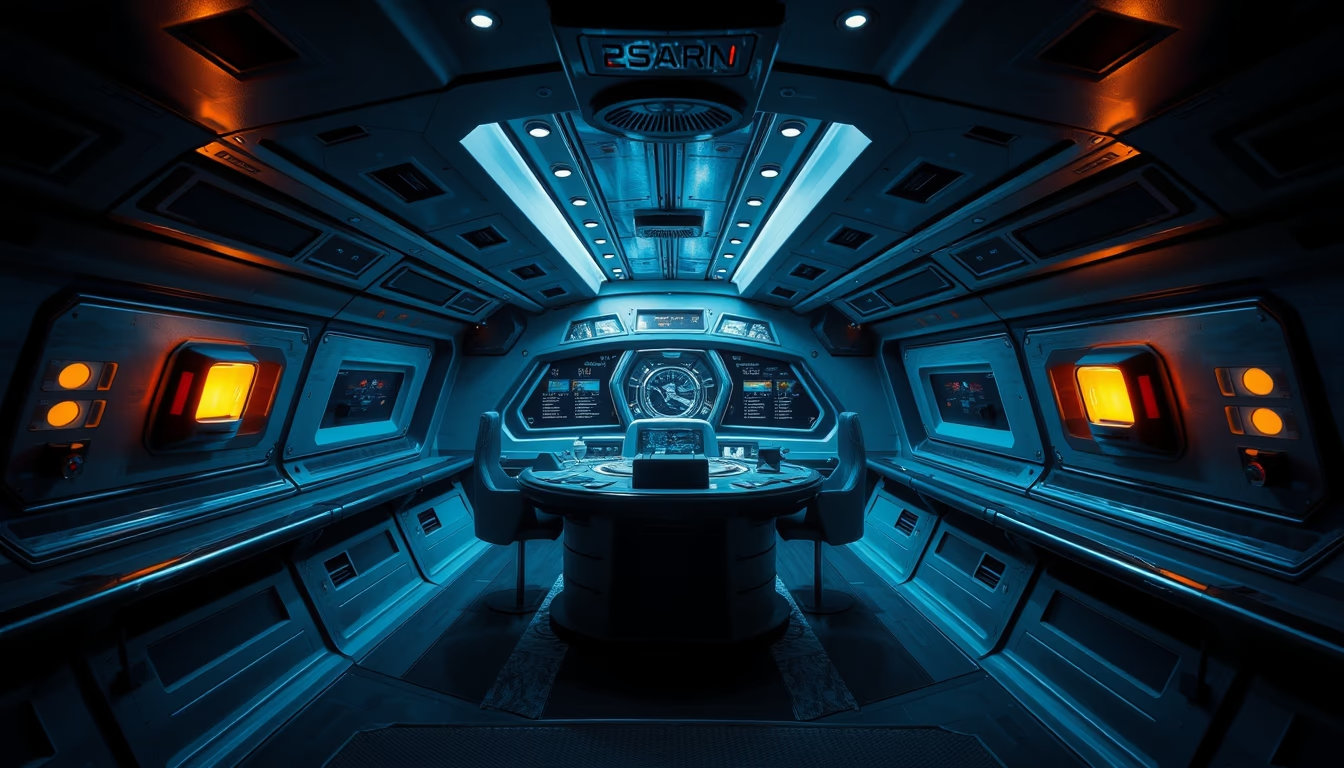
Martian colony domes are pressurized structures shielding human inhabitants from Mars's thin atmosphere and radiation, essential for exploring the Red Planet.
About this subject
Martian colony domes are a central concept in Mars colonization projects, driven by space agencies like NASA and private companies such as SpaceX. Mars's atmospheric pressure is about 0.6% of Earth's, and its lack of a magnetic field exposes the surface to cosmic and solar radiation, making pressurized habitats mandatory. These domes are designed using composite and inflatable materials, often covered with Martian regolith for added protection. The Mars Ice House, a NASA competition winner, proposes using frozen water in walls for radiation shielding. The average temperature on Mars is -60°C, requiring efficient heating systems. Power can come from solar panels or compact nuclear reactors. The first human settlement on Mars, planned for the 2040s by SpaceX, would rely on modular domes. In-situ oxygen production from atmospheric CO2, demonstrated by NASA's MOXIE experiment on the Perseverance rover, is a crucial step toward self-sufficiency. Additionally, Martian gravity at one-third of Earth's will require physiological adaptations for colonists. Construction of these domes involves advanced robotics and 3D printing with local materials. The dome concept also inspires science fiction, such as in Andy Weir's 'The Martian' and the film 'The Martian', where the habitat is vital for survival. Mars colonization raises ethical and legal questions about extraterrestrial resource exploitation. China and the UAE have also announced plans for crewed missions to the Red Planet in the coming decades. Dome technology continues to evolve, with research into biosupport and controlled agriculture for food production on Mars.
Frequently Asked Questions
Why do Martian colonies need pressurized domes?
Mars's atmosphere is only 0.6% of Earth's pressure and mostly CO2, with no magnetic field. Domes must maintain internal pressure of 1 atm and provide radiation shielding for human survival.
Common materials for Martian dome construction?
Domes can use inflatable materials like Kevlar and Mylar, covered with regolith for protection. Concepts like the Mars Ice House use water ice for shielding. 3D printing using Martian rocks is also explored.
Main challenges of living in a dome on Mars?
Challenges include producing oxygen and water, growing food in controlled environments, maintaining pressure, radiation, low gravity (1/3 Earth), and psychological isolation for colonists.
Direct URL
https://pub-c7d6a6ea828543ac903a74a341ccb2e1.r2.dev/imagens/martian-colony-dome-magazine-editorial-fresh5.avifHow to credit
Include a visible link back to UtilizAí. Copy one of the snippets below:
<a href="https://xn--utiliza-eza.com/en/midia/imagens/martian-colony-dome-magazine-editorial-fresh5">Martian colony dome</a> by <a href="https://xn--utiliza-eza.com">UtilizAí</a>, licensed under <a href="https://creativecommons.org/licenses/by/4.0/">CC BY 4.0</a>.
[Martian colony dome](https://xn--utiliza-eza.com/en/midia/imagens/martian-colony-dome-magazine-editorial-fresh5) by [UtilizAí](https://xn--utiliza-eza.com), CC BY 4.0
License: CC-BY-4.0