Martian colony dome
1344×768 · AVIF · CC BY 4.0
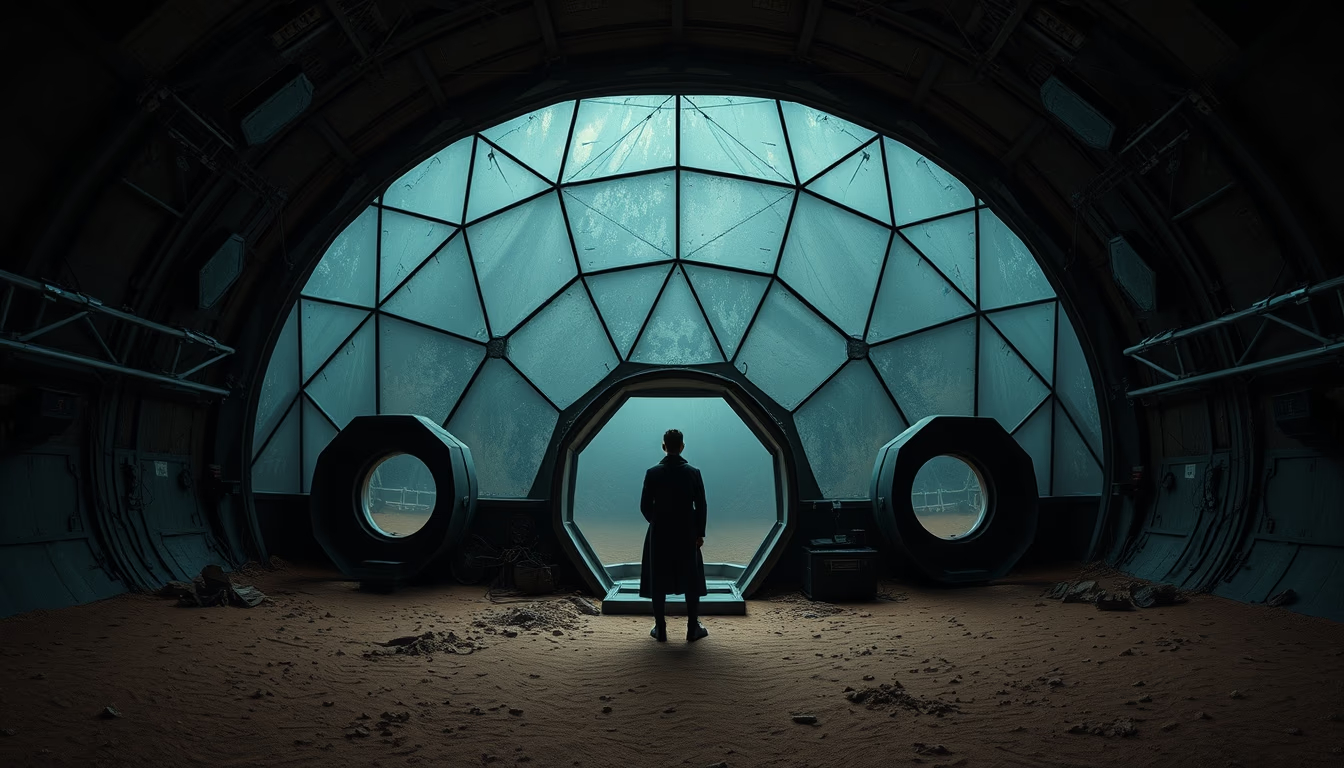
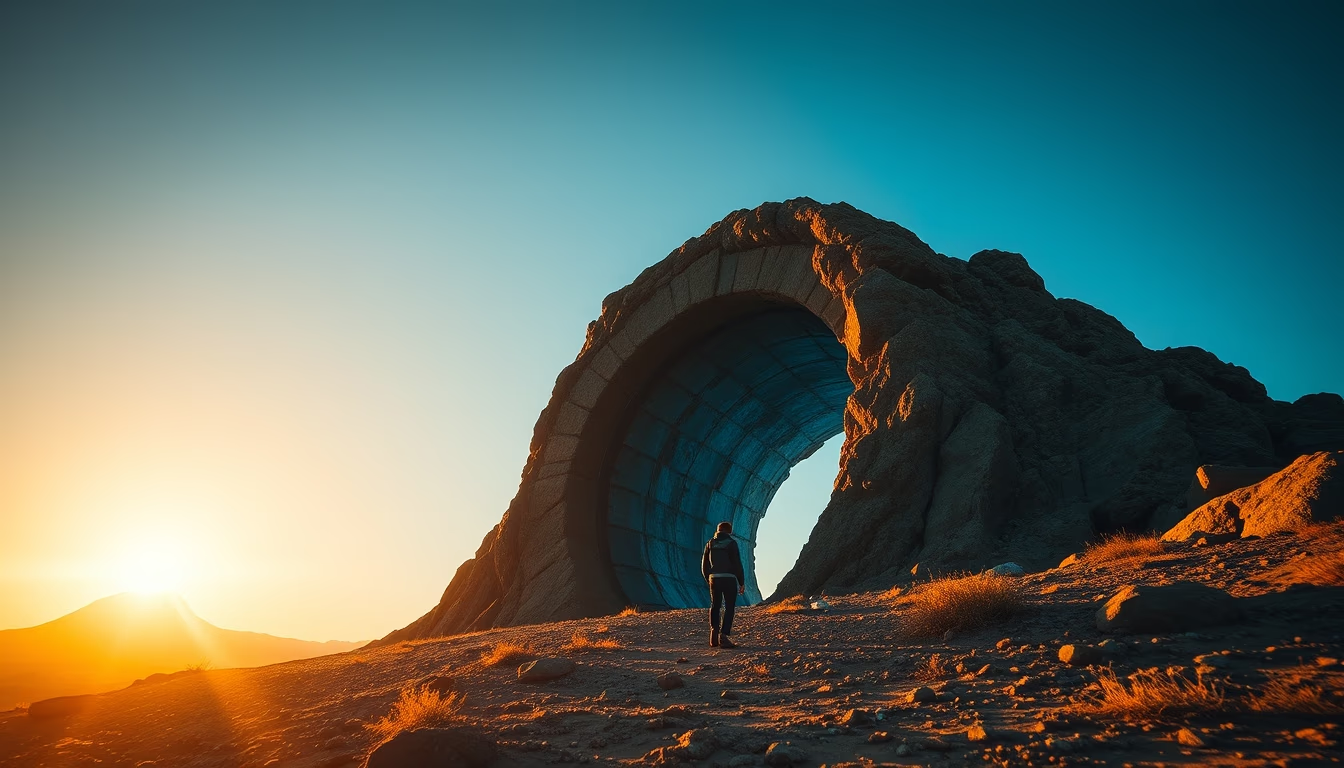
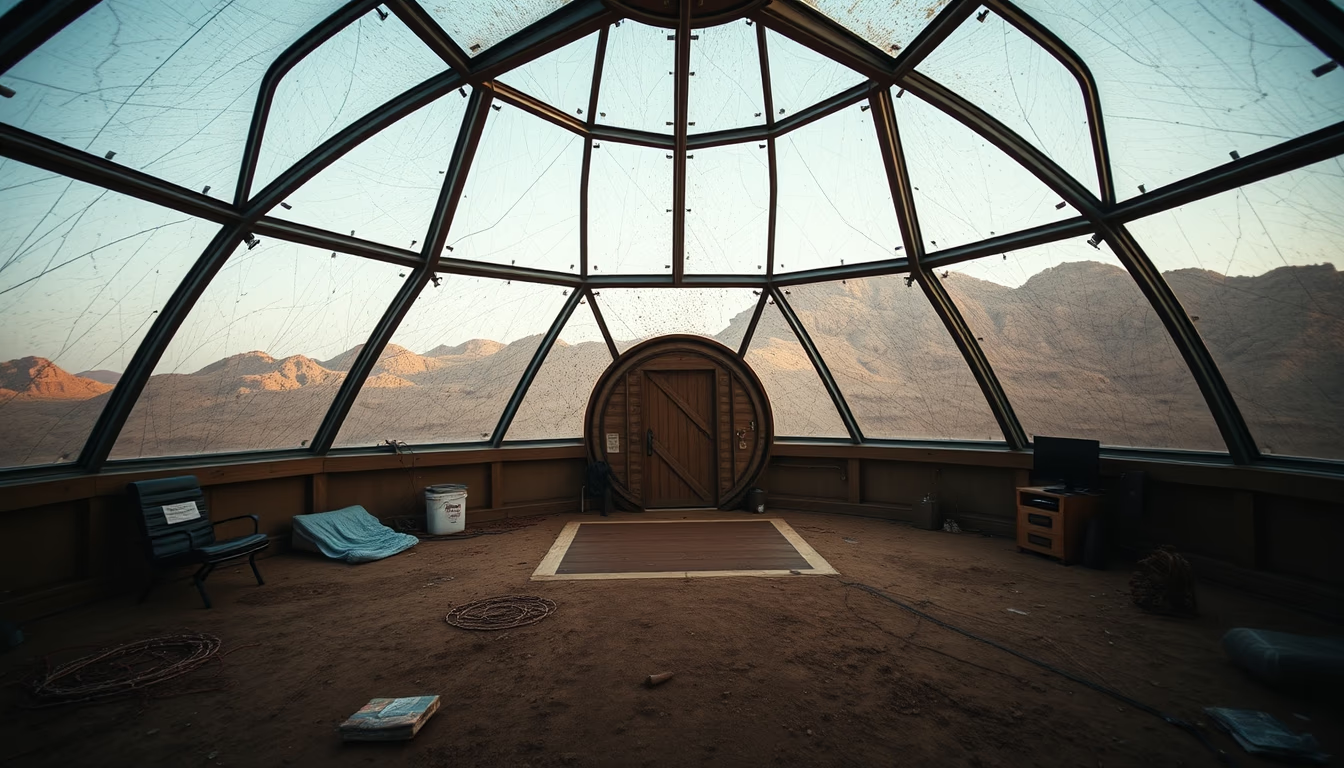
Martian colony domes blend extreme engineering with futuristic aesthetics, inspiring high-fashion editorials that explore human survival on Mars.
About this subject
Martian colony domes are pressurized structures designed to shelter humans on the surface of Mars, where the atmosphere is 95% carbon dioxide and atmospheric pressure is less than 1% of Earth's. To remain habitable, these domes must withstand intense cosmic and solar radiation, temperatures ranging from -140°C to 20°C, and dust storms that can last for weeks. Studied materials include carbon-fiber-reinforced polymers, regolith glass (synthesized from Martian soil), and lightweight metal alloys. The design often adopts a geodesic or toroidal shape to distribute internal pressure evenly.
In popular culture, these domes have become icons of an interstellar future. High-fashion editorials, such as the "Fresh 10K" series, use the contrast between the hostile Martian environment and human elegance to create impactful visual narratives. Clothing combines functionality (pressurized suits, reflective fabrics) with dramatic silhouettes and accessories that evoke engineering components. Artificial lighting inside the domes often simulates Martian day-night cycles, which last 24 hours and 37 minutes, influencing color palettes in fashion collections.
The concept of Martian colonies goes beyond fiction. NASA, SpaceX, and other organizations plan crewed missions within decades, with inflatable or 3D-printed habitats using regolith. Construction companies like ICON and AI SpaceFactory are already testing similar technologies on Earth, such as the Marsha project. The biggest challenge is radiation protection: a dome would need at least 2 meters of Martian soil or active magnetic fields. These technical details fuel the fascination of designers who aim to predict the clothing of future colonists.
Frequently Asked Questions
What material is best for building a Martian colony dome?
Promising materials include carbon-fiber-reinforced polymers, regolith glass (melted Martian soil), and lightweight metal alloys. NASA also studies inflatable habitats with polyethylene lining for radiation protection.
How do Martian domes protect inhabitants from radiation?
Protection can come from thick layers of Martian soil (regolith) on top of the dome, or from artificial magnetic fields. Some designs use water stored in walls as a shield.
Why do fashion editorials use Martian colony themes?
The theme allows exploring contrasts between hostile technology and human elegance, creating futuristic visuals that question how fashion will adapt to extraterrestrial environments. It is an aesthetic trend linked to space exploration.
Direct URL
https://pub-c7d6a6ea828543ac903a74a341ccb2e1.r2.dev/imagens/martian-colony-dome-high-fashion-editorial-fresh8.avifHow to credit
Include a visible link back to UtilizAí. Copy one of the snippets below:
<a href="https://xn--utiliza-eza.com/en/midia/imagens/martian-colony-dome-high-fashion-editorial-fresh8">Martian colony dome</a> by <a href="https://xn--utiliza-eza.com">UtilizAí</a>, licensed under <a href="https://creativecommons.org/licenses/by/4.0/">CC BY 4.0</a>.
[Martian colony dome](https://xn--utiliza-eza.com/en/midia/imagens/martian-colony-dome-high-fashion-editorial-fresh8) by [UtilizAí](https://xn--utiliza-eza.com), CC BY 4.0
License: CC-BY-4.0