Martian colony dome
1344×768 · AVIF · CC BY 4.0
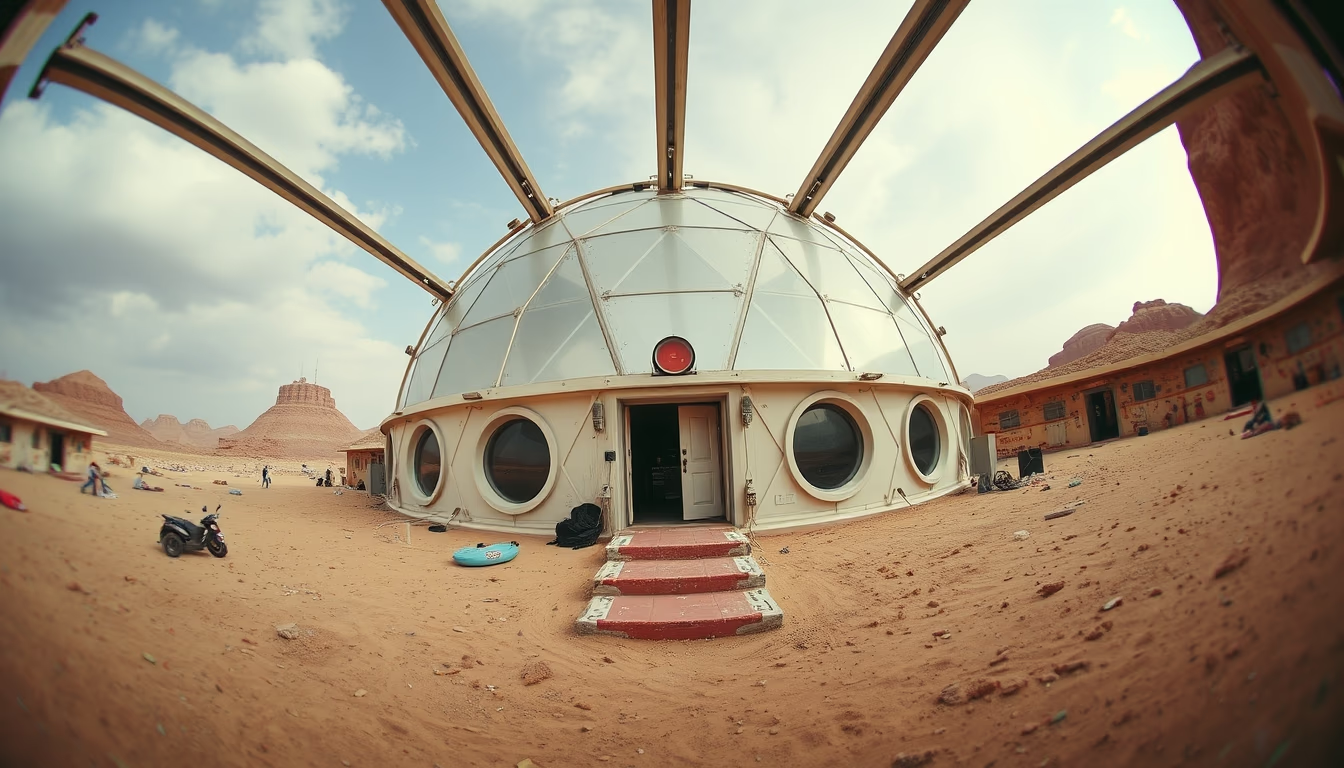
Habitable domes on Mars are a recurring vision in science fiction, grounded in real engineering projects to protect humans from radiation and the thin atmosphere.
About this subject
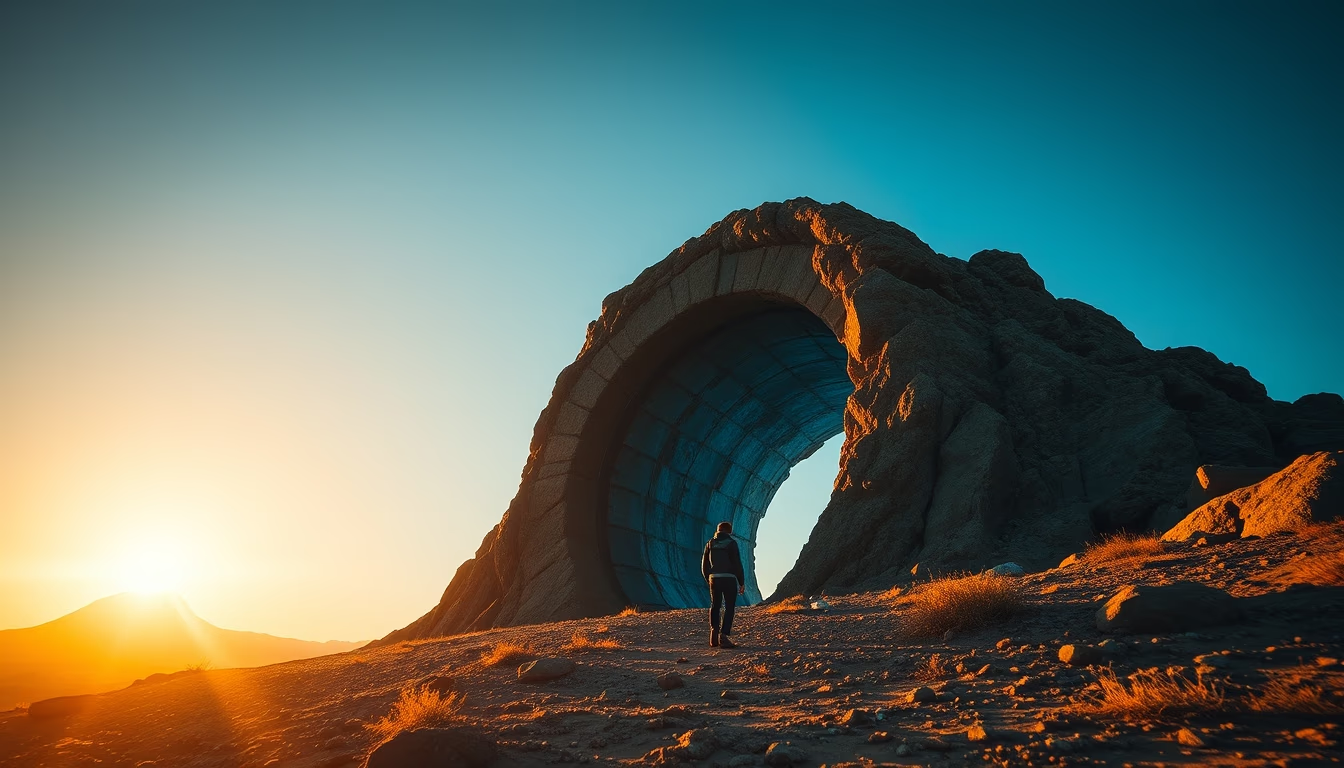
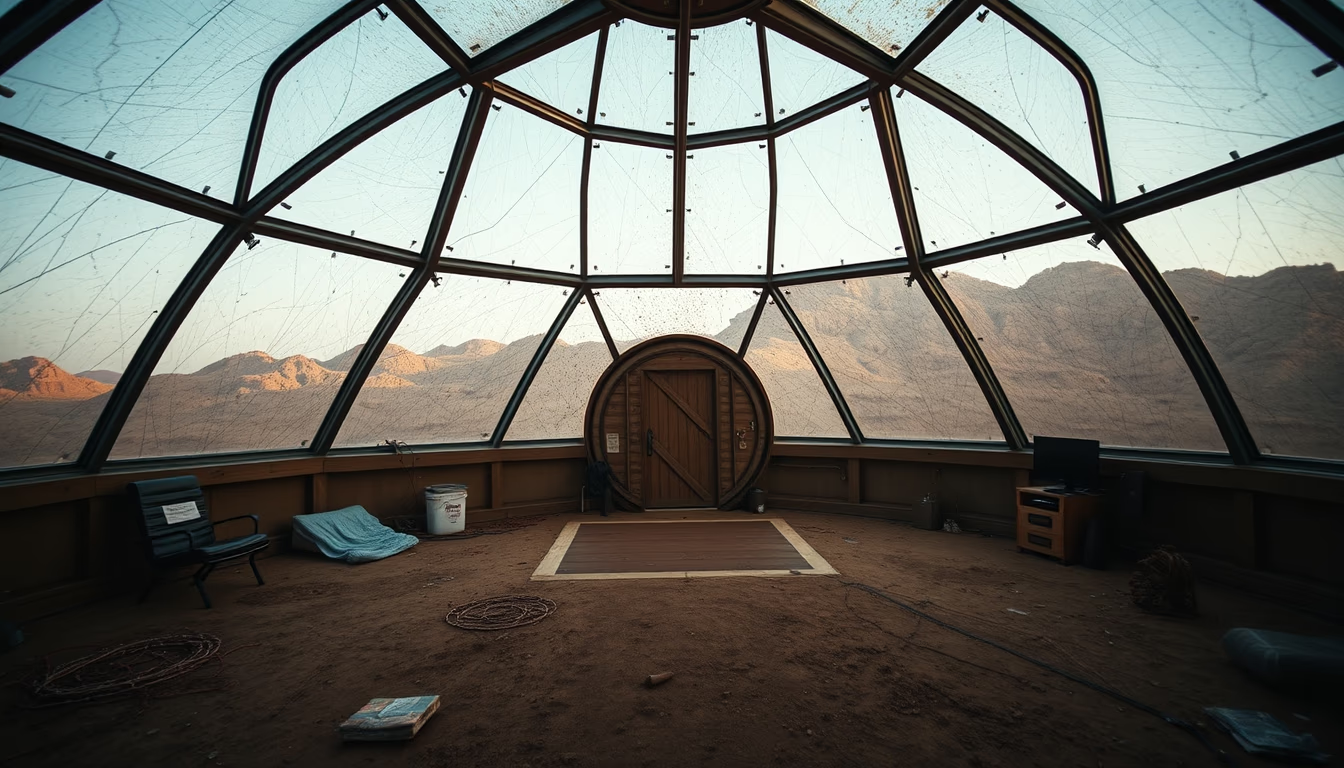
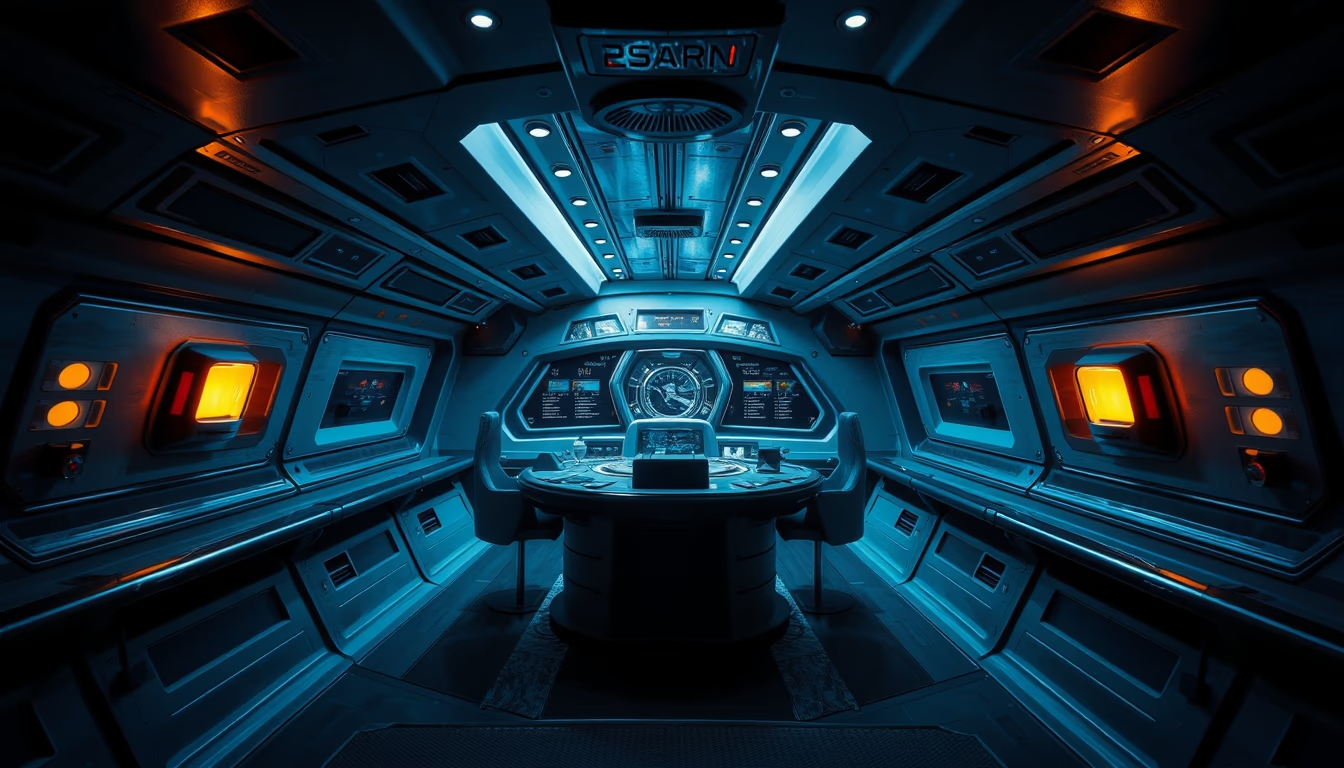
Martian colony domes are among the most iconic representations of future human exploration of the Red Planet. Rather than pure fantasy, the concept builds on decades of studies by space agencies such as NASA and ESA, along with private companies like SpaceX. The main challenge is creating a pressurized, breathable environment in a place where atmospheric pressure is less than 1% of Earth's and average temperatures are -60°C. Domes must withstand cosmic and solar radiation, as Mars lacks a global magnetic field. Proposed solutions include covering structures with Martian regolith to provide additional shielding. Projects like Mars City Design and the NASA 3D-Printed Habitat Challenge encourage architects and engineers to develop self-sufficient habitats, often with transparent domes to allow agriculture using filtered sunlight. Science fiction has popularized these images, but real prototypes such as HERA (Human Exploration Research Analog) and simulations in the Utah desert show that living in a Martian dome will require strict resource management, water recycling, and food production in hydroponic greenhouses. The vision of a green dome amid Mars's arid landscape symbolizes hope for a multiplanetary civilization, although experts estimate that permanent colonies may only become viable by the mid-22nd century.
Frequently Asked Questions
Why are domes considered the best option for living on Mars?
Domes offer an efficient structure to contain internal pressure, protect against radiation, and allow plant cultivation with natural light. The rounded shape evenly distributes stresses, reducing the need for extremely strong materials.
What are the main challenges of building a habitable dome on Mars?
The biggest challenges are cosmic and solar radiation, the low atmospheric pressure (requiring perfect sealing), dust storms, and the need to produce oxygen and water locally while maintaining stable temperatures.
Are there real projects for Martian domes being developed today?
Yes, initiatives such as NASA's Mars City Design and the 3D-Printed Habitat Challenge are seeking habitat prototypes. Companies like SpaceX also study inflatable structures coated with regolith for future missions.
Direct URL
https://pub-c7d6a6ea828543ac903a74a341ccb2e1.r2.dev/imagens/martian-colony-dome-fish-eye-wide-angle-fresh15.avifHow to credit
Include a visible link back to UtilizAí. Copy one of the snippets below:
<a href="https://xn--utiliza-eza.com/en/midia/imagens/martian-colony-dome-fish-eye-wide-angle-fresh15">Martian colony dome</a> by <a href="https://xn--utiliza-eza.com">UtilizAí</a>, licensed under <a href="https://creativecommons.org/licenses/by/4.0/">CC BY 4.0</a>.
[Martian colony dome](https://xn--utiliza-eza.com/en/midia/imagens/martian-colony-dome-fish-eye-wide-angle-fresh15) by [UtilizAí](https://xn--utiliza-eza.com), CC BY 4.0
License: CC-BY-4.0