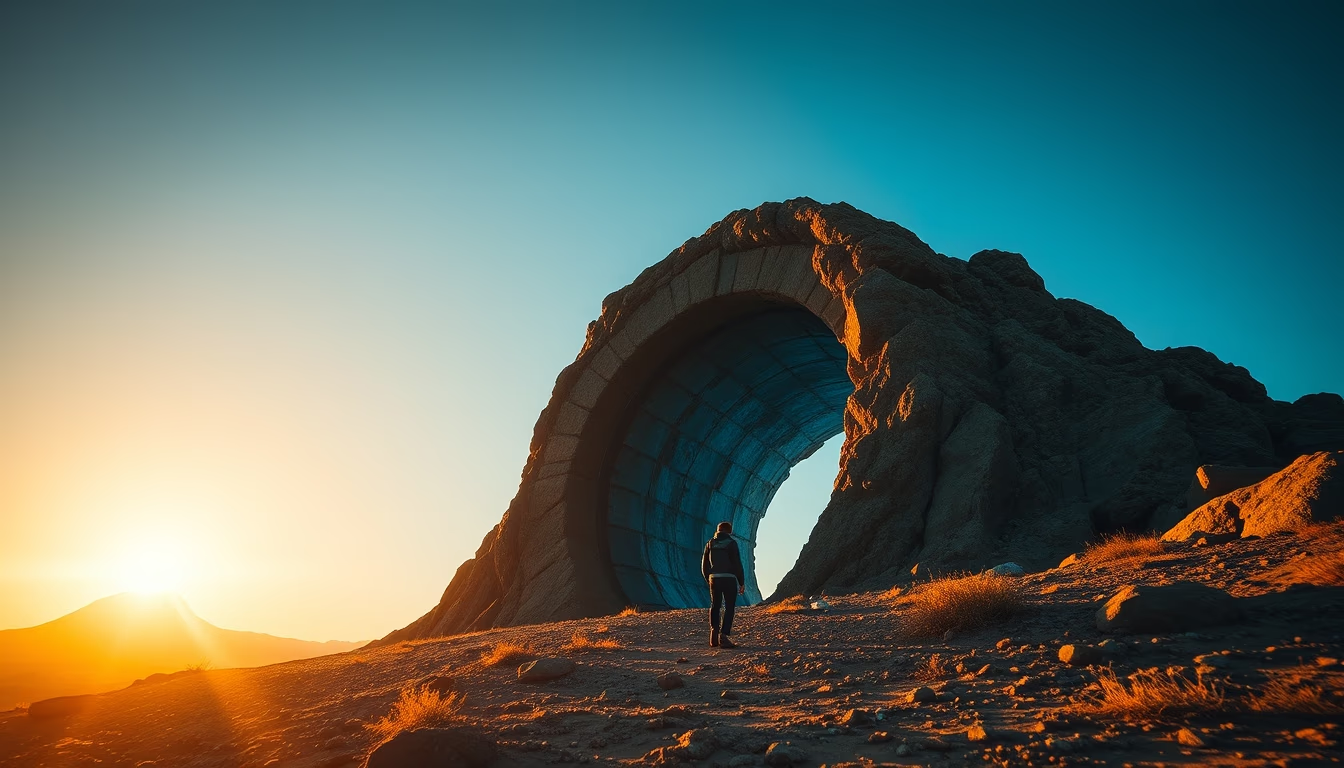
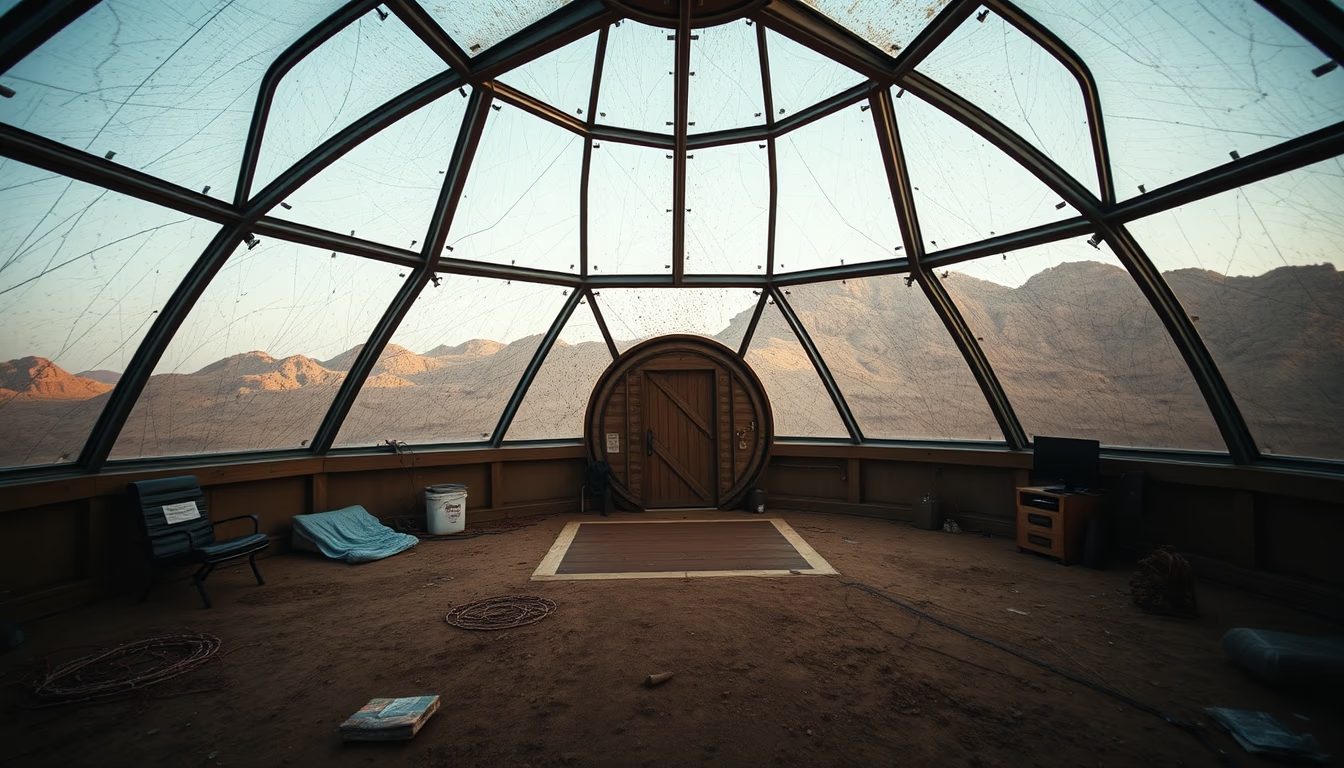
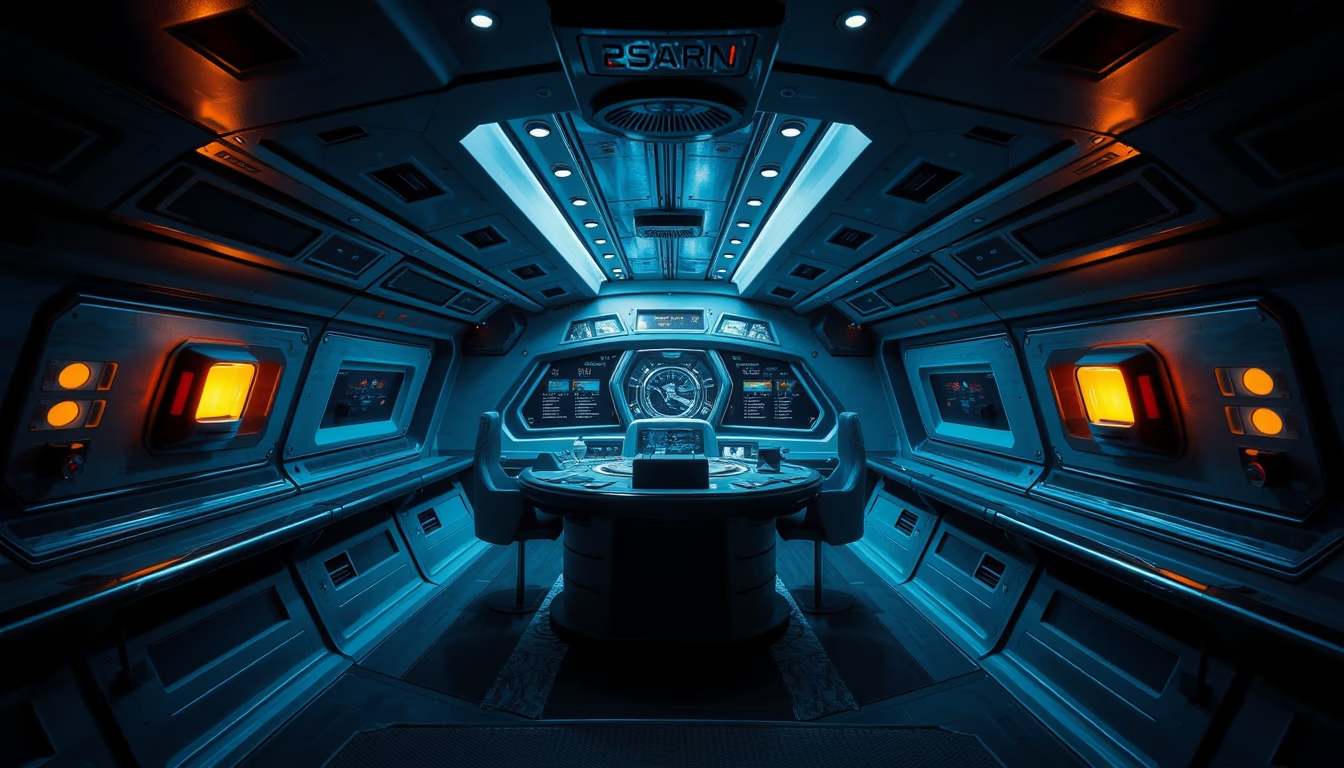
Martian colony dome
1344×768 · AVIF · CC BY 4.0
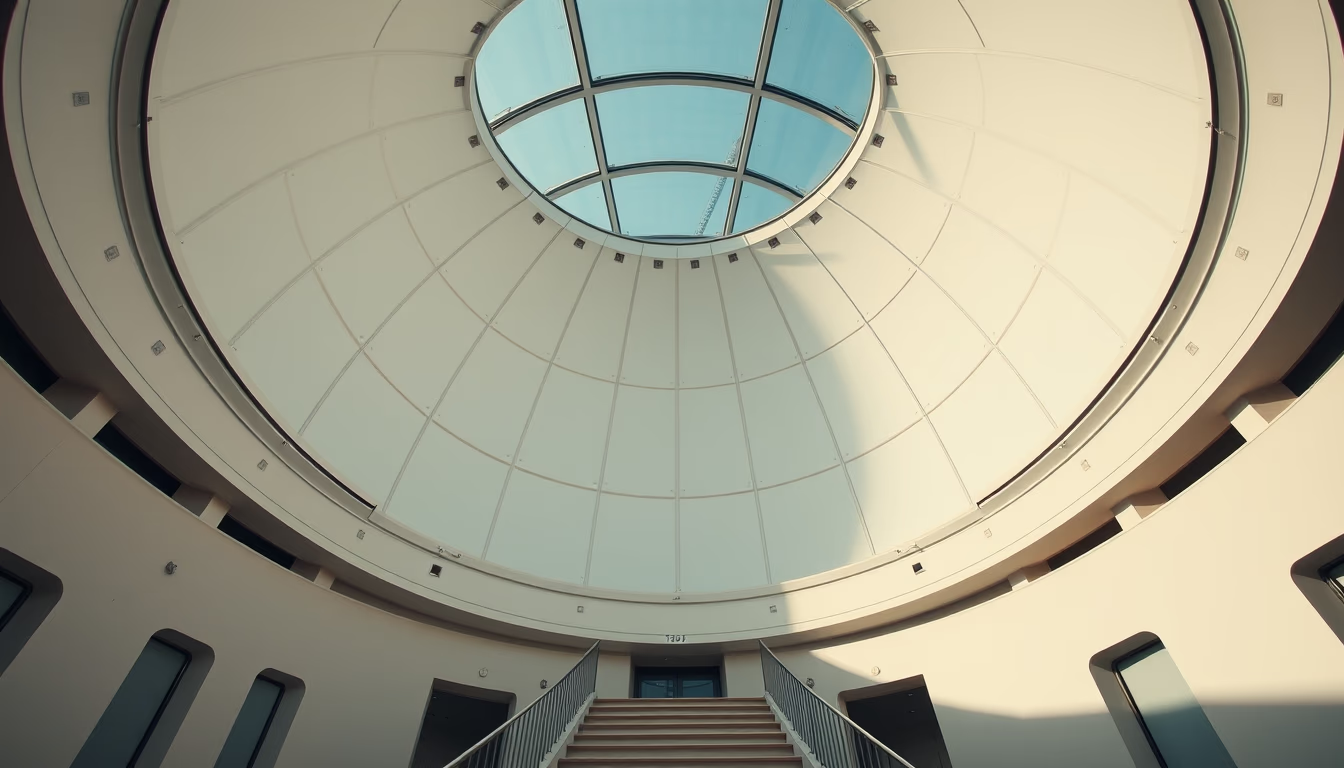
Martian colony domes are pressurized structures essential for sustaining human life on Mars, protecting against radiation and thin atmosphere.
About this subject
Martian colony domes represent one of the main architectural proposals for human habitation on Mars. These enclosed, pressurized structures are designed to create a breathable and safe environment, shielding colonists from the Martian atmosphere composed mostly of carbon dioxide (95%) and intense cosmic and solar radiation. Popular concepts in science fiction, such as in the film "The Martian" (2015) and novels by Kim Stanley Robinson, influence real projects. NASA and SpaceX, with the Starship program, study implementations of inflatable habitats or those built with Martian regolith. The domes must balance transparency for sunlight entry (necessary for plant growth) and radiation protection. Experiments on Earth, like the Mars Desert Research Station in Utah, simulate conditions to test designs. A critical challenge is producing oxygen and water inside the dome, possibly via electrolysis of Martian ice or extraction from the atmosphere. Additionally, domes must withstand global dust storms that can last weeks and drastically reduce sunlight, affecting solar power systems. The construction of permanent domes would be a milestone in Mars colonization, as envisioned by visionaries like Elon Musk for the coming decades.
Frequently Asked Questions
What would colonies on Mars be like?
Martian colonies would likely consist of pressurized domes or underground habitats, using regolith for radiation shielding. Power would come from solar panels or nuclear reactors, and water would be extracted from ground ice.
What is the role of domes in Martian colonies?
Domes provide a controlled environment with breathable air and pressure, enabling agriculture and habitation. They also protect colonists from radiation and extreme temperatures on Mars.
Are there real projects for domes on Mars?
Yes, NASA and SpaceX study concepts like inflatable habitats (Bigelow Aerospace) and 3D-printed structures from Martian regolith. The Mars Science City in the UAE simulates conditions for research.
Direct URL
https://pub-c7d6a6ea828543ac903a74a341ccb2e1.r2.dev/imagens/martian-colony-dome-architectural-photography-fresh9.avifHow to credit
Include a visible link back to UtilizAí. Copy one of the snippets below:
<a href="https://xn--utiliza-eza.com/en/midia/imagens/martian-colony-dome-architectural-photography-fresh9">Martian colony dome</a> by <a href="https://xn--utiliza-eza.com">UtilizAí</a>, licensed under <a href="https://creativecommons.org/licenses/by/4.0/">CC BY 4.0</a>.
[Martian colony dome](https://xn--utiliza-eza.com/en/midia/imagens/martian-colony-dome-architectural-photography-fresh9) by [UtilizAí](https://xn--utiliza-eza.com), CC BY 4.0
License: CC-BY-4.0