Manuka honey new zealand
1344×768 · AVIF · CC BY 4.0
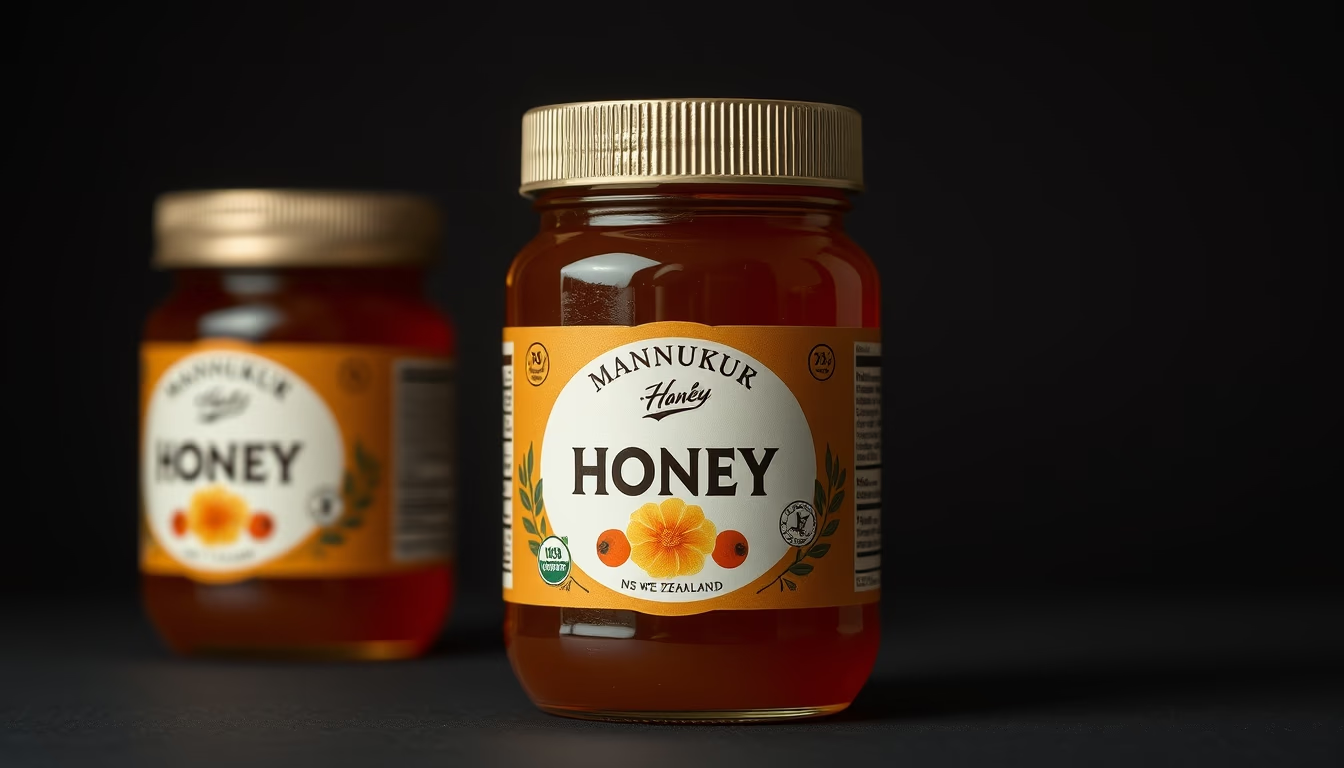
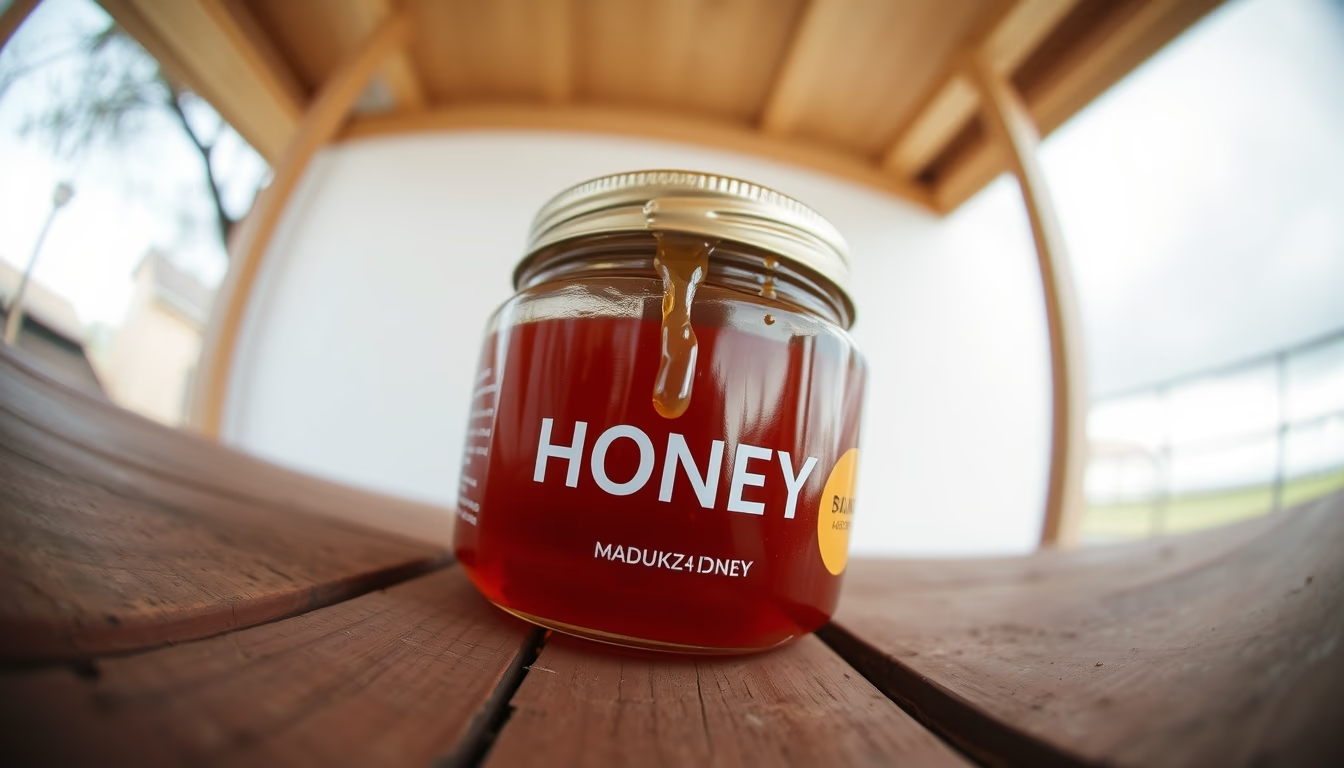
Manuka honey from New Zealand: a superfood with unique antibacterial properties, valued worldwide for its health benefits.
About this subject
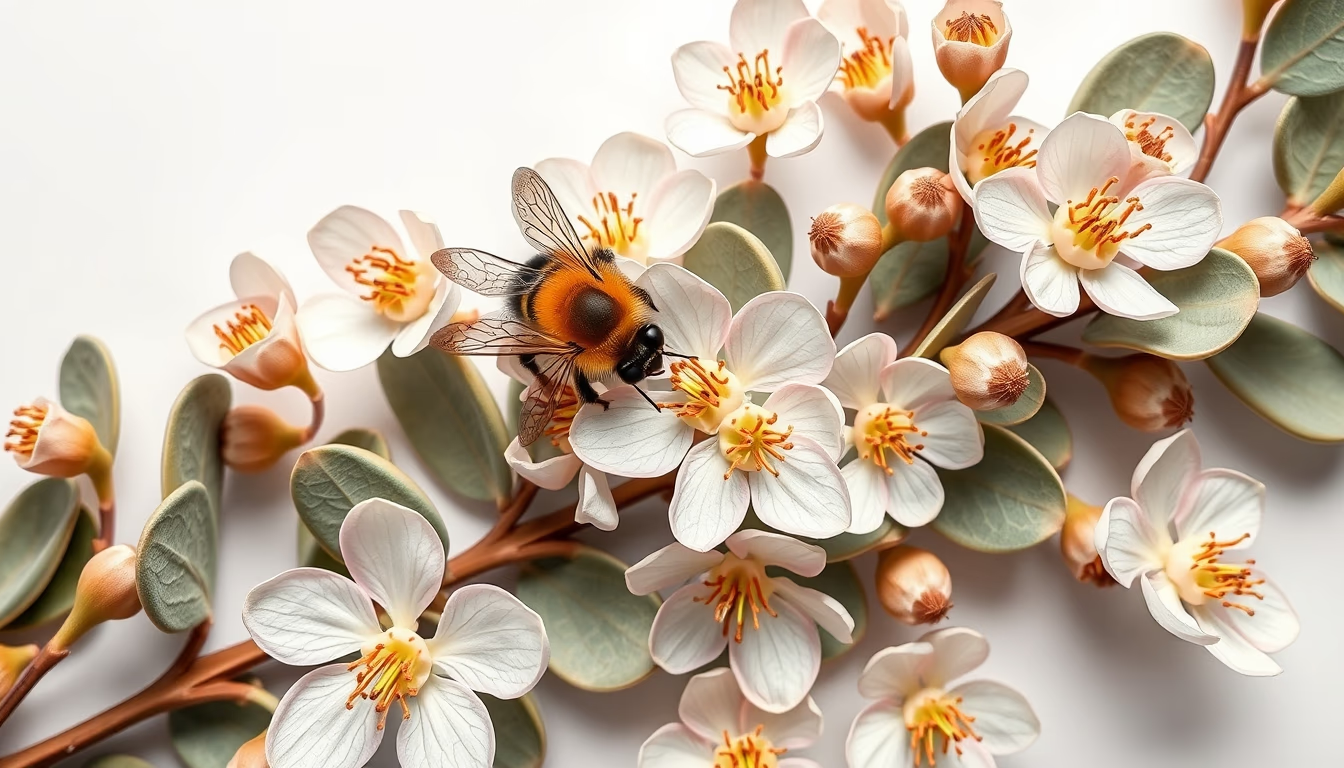
Manuka honey is produced from the nectar of the Manuka tree (Leptospermum scoparium), native to New Zealand and parts of Australia. Its most notable characteristic is the high concentration of methylglyoxal (MGO), a compound with potent antibacterial action, which sets it apart from other honeys. Antibacterial activity is measured by the Unique Manuka Factor (UMF) index, ensuring the product's purity and efficacy. Only honeys certified by the New Zealand Manuka Honey Association can use this classification.
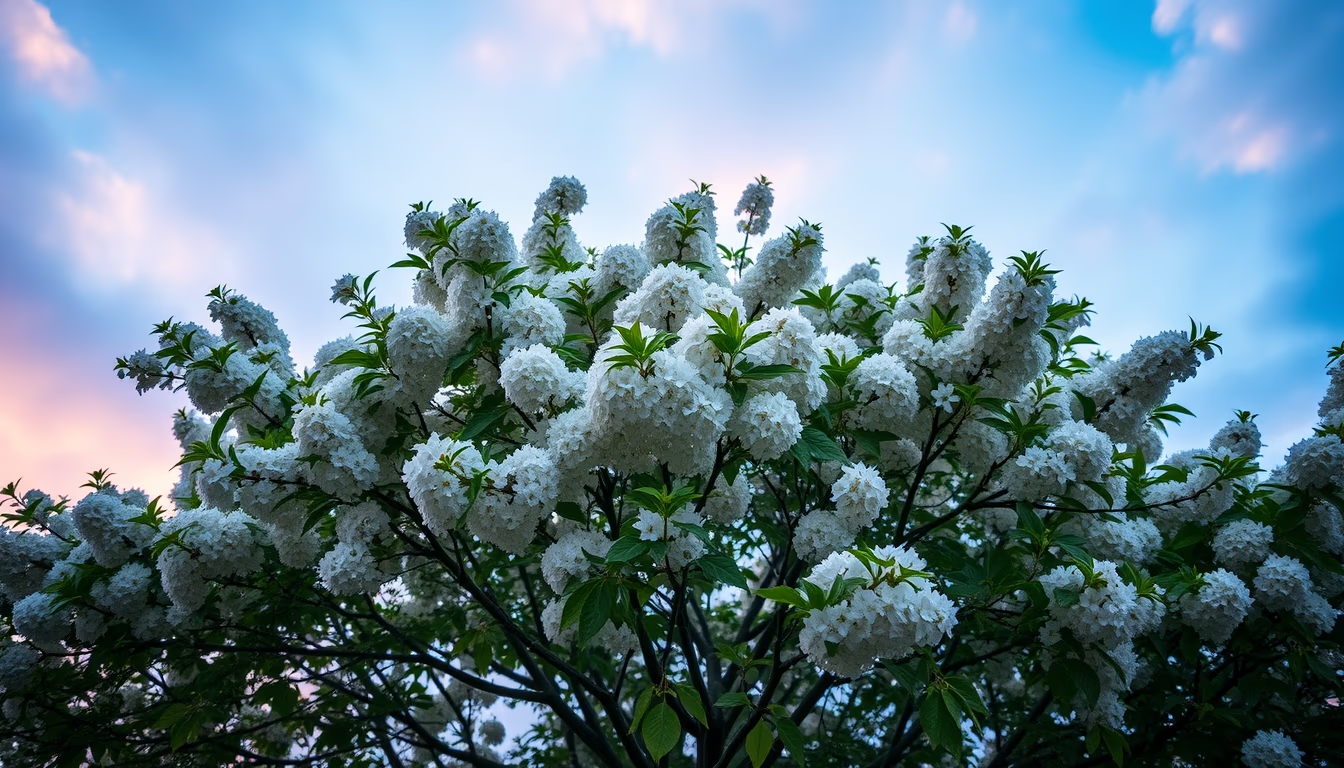
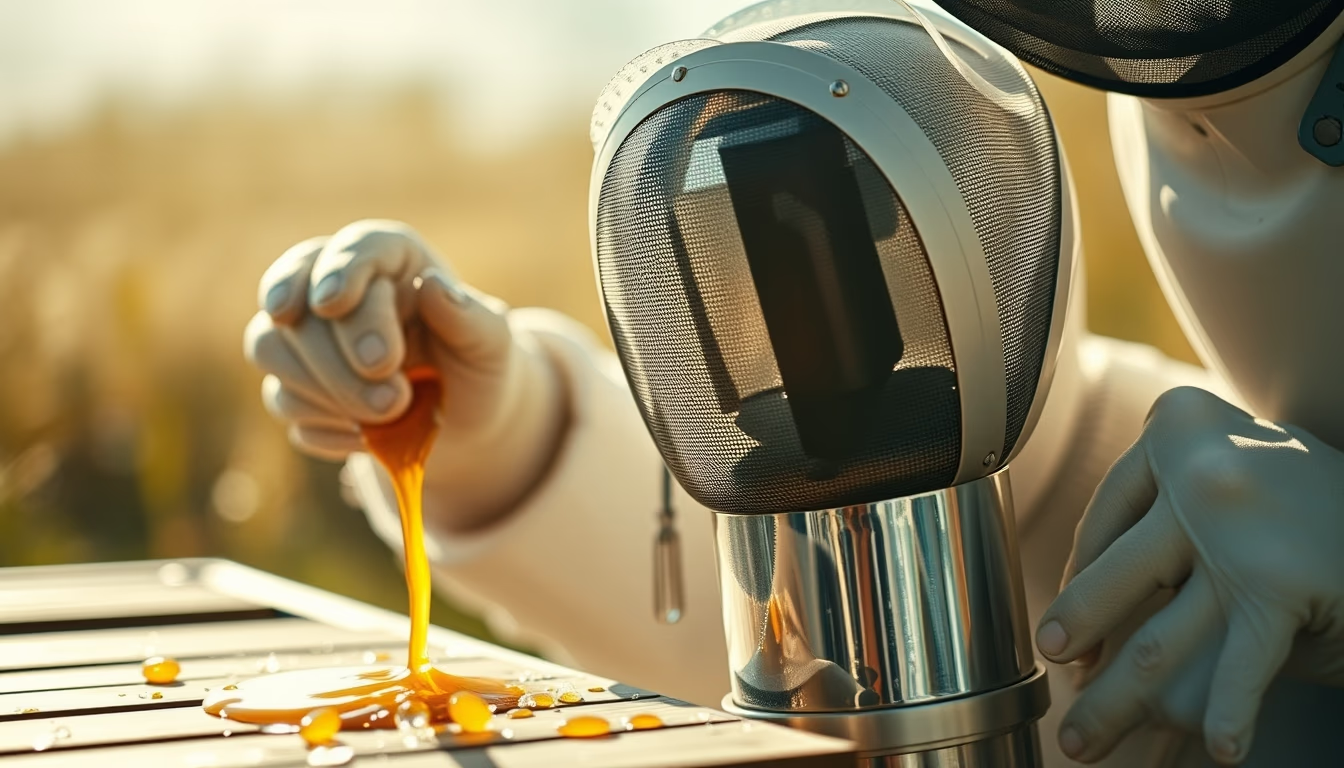
Manuka honey production is seasonal and limited, occurring mainly between November and January. Bees collect nectar from the white and pink flowers of the Manuka tree, which bloom for only 4 to 6 weeks. Due to the short season and specific climate and soil conditions, the honey is scarce and highly commercially valuable. New Zealand is the primary producer, with notable regions including the Coromandel Peninsula, the Bay of Plenty, and the Waikato region.
In addition to its antimicrobial properties, Manuka honey is used topically to treat wounds and burns, and is incorporated into medical dressings. Studies also suggest benefits for oral health, sore throat relief, and improved digestion. However, it is important to consume certified products, as the global market faces issues of adulteration. New Zealand has implemented a traceability system to ensure authenticity, with rigorous testing of MGO and antioxidant activity.
Frequently Asked Questions
What does UMF mean in Manuka honey?
UMF stands for Unique Manuka Factor, a rating system that measures the antibacterial activity of Manuka honey. The higher the UMF, the greater the concentration of active compounds like methylglyoxal (MGO).
Can Manuka honey be used on open wounds?
Yes, medical-grade Manuka honey is used topically to treat wounds and burns, as its antibacterial properties help prevent infection and promote healing. Consult a healthcare professional for proper use.
How to identify authentic Manuka honey?
Look for UMF or MGO certification on the label, along with the New Zealand Manuka Honey Association seal. Authentic products have laboratory tests confirming origin and antibacterial activity.
Direct URL
https://pub-c7d6a6ea828543ac903a74a341ccb2e1.r2.dev/imagens/manuka-honey-new-zealand-studio-still-life-fresh15.avifHow to credit
Include a visible link back to UtilizAí. Copy one of the snippets below:
<a href="https://xn--utiliza-eza.com/en/midia/imagens/manuka-honey-new-zealand-studio-still-life-fresh15">Manuka honey new zealand</a> by <a href="https://xn--utiliza-eza.com">UtilizAí</a>, licensed under <a href="https://creativecommons.org/licenses/by/4.0/">CC BY 4.0</a>.
[Manuka honey new zealand](https://xn--utiliza-eza.com/en/midia/imagens/manuka-honey-new-zealand-studio-still-life-fresh15) by [UtilizAí](https://xn--utiliza-eza.com), CC BY 4.0
License: CC-BY-4.0