Manuka honey new zealand
1344×768 · AVIF · CC BY 4.0
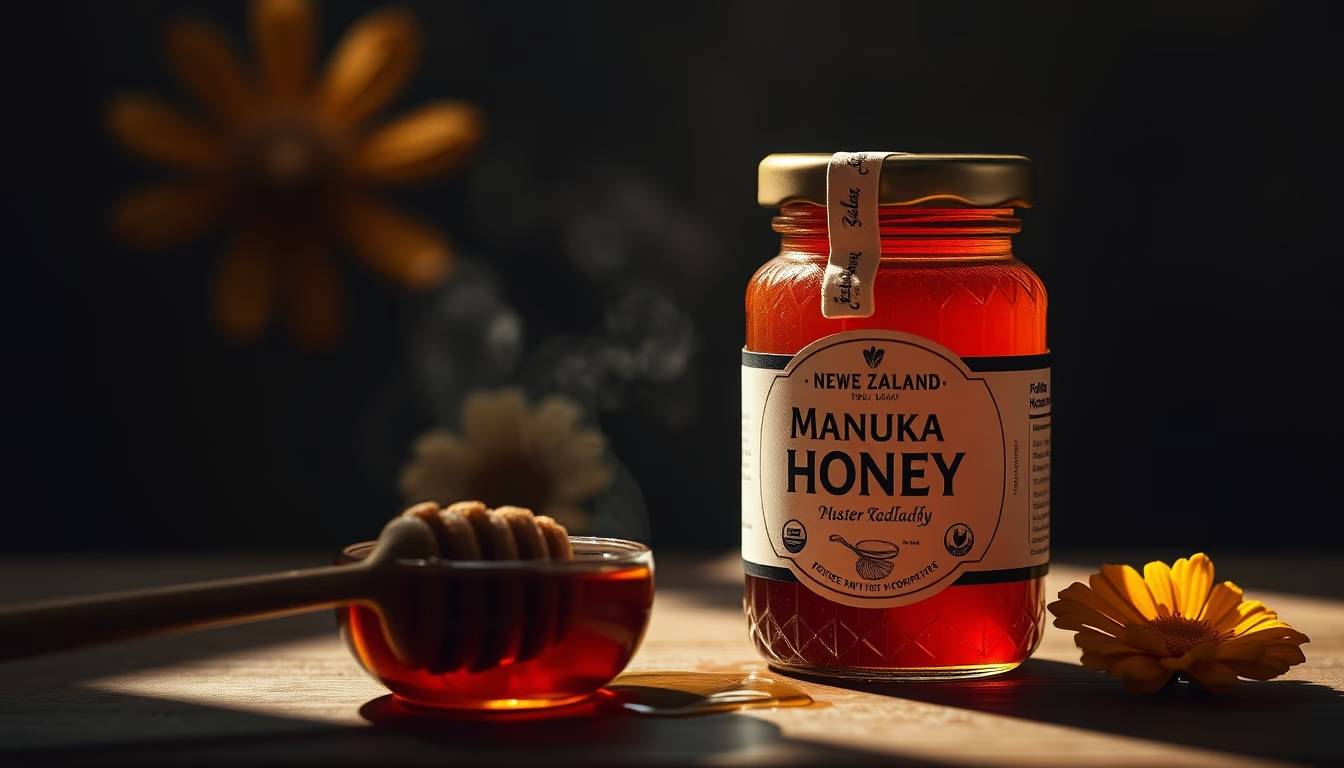
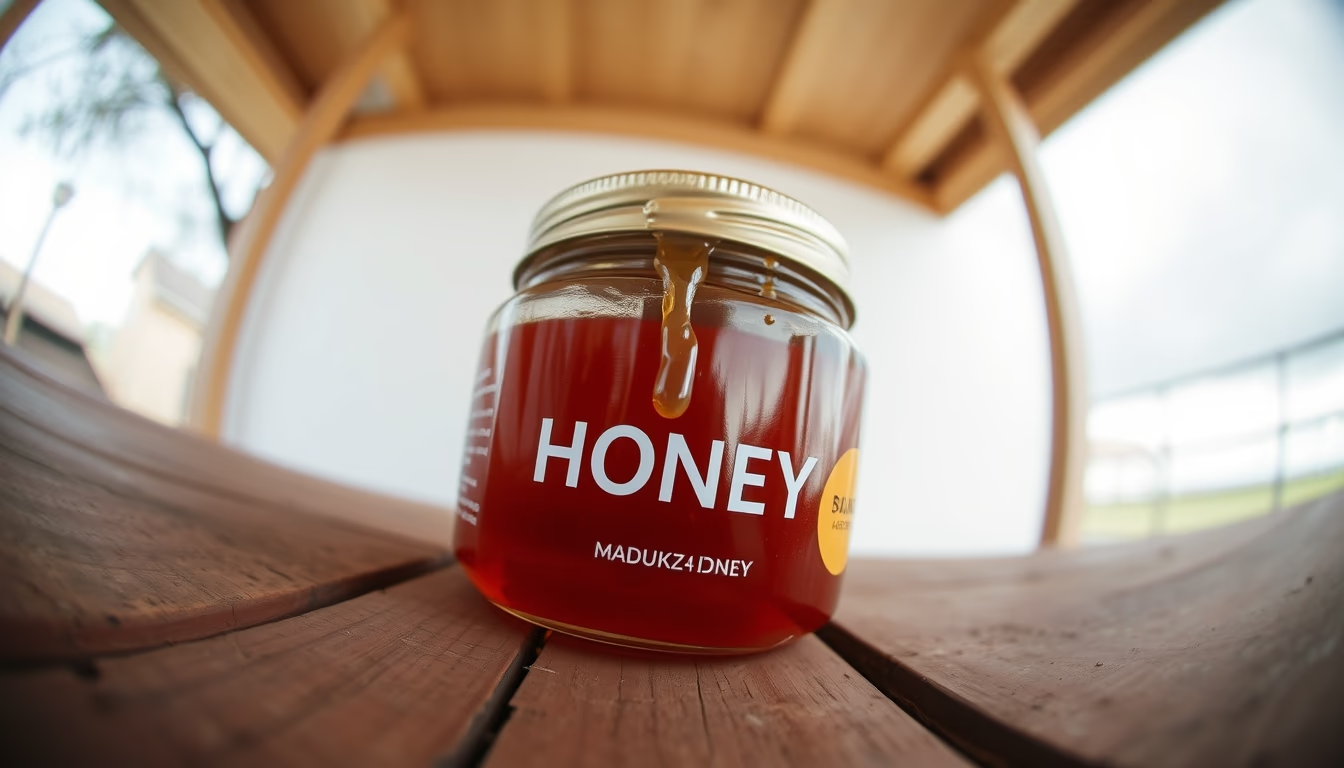
Manuka honey from New Zealand is prized for its unique antibacterial properties, derived from the nectar of the Manuka tree.
About this subject
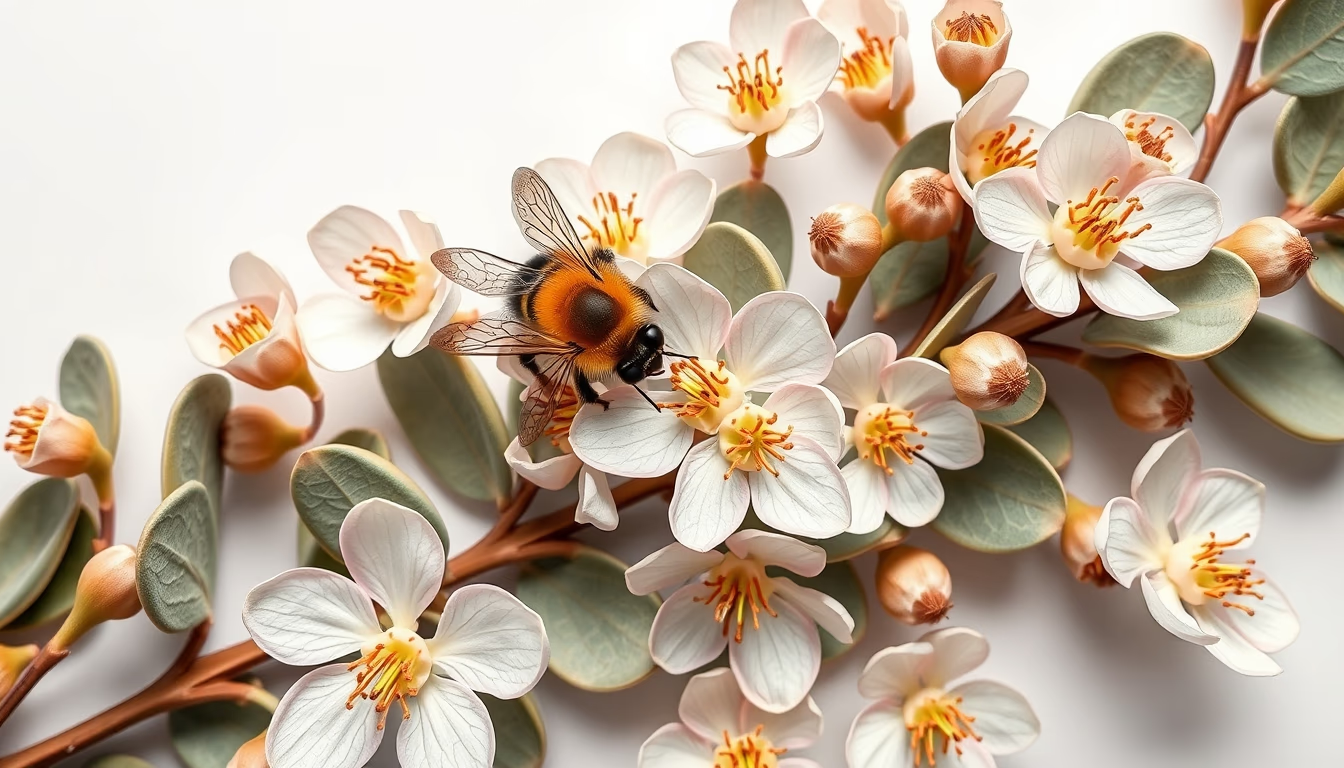
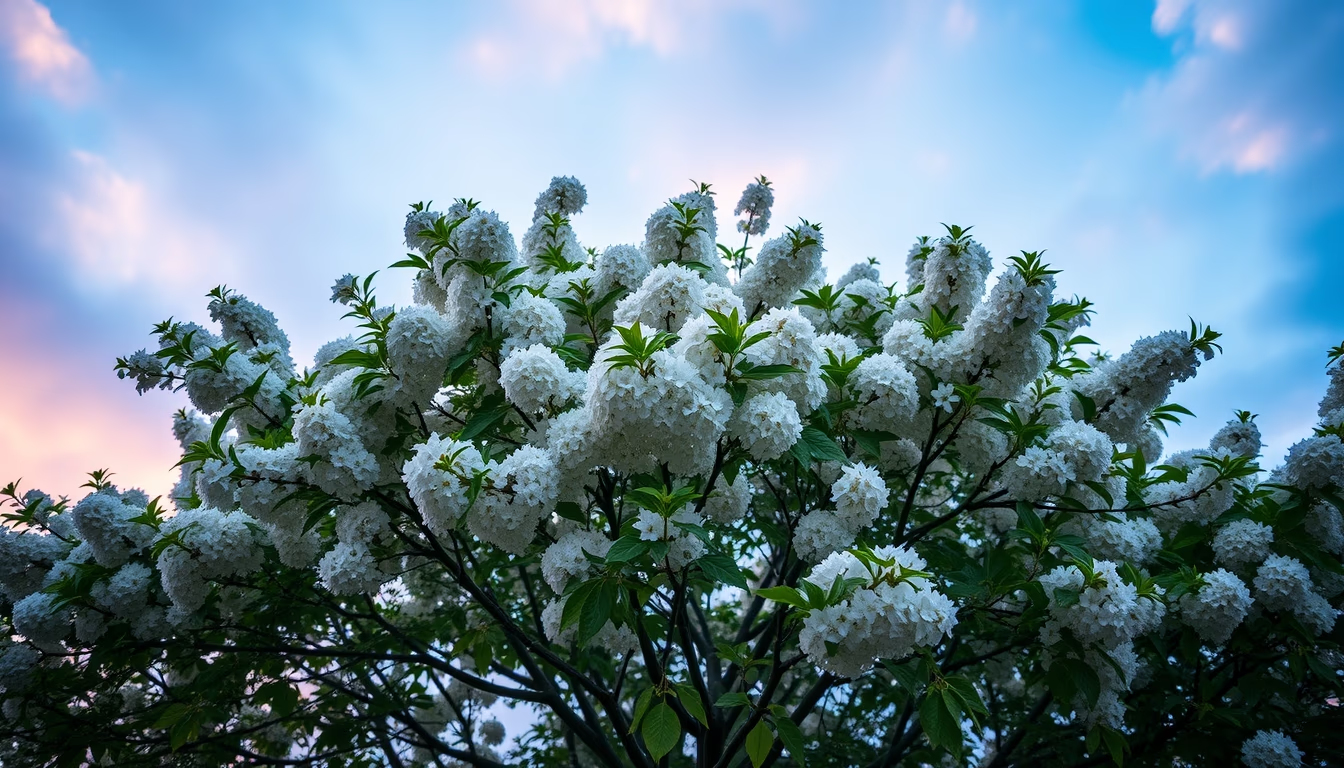
Manuka honey is produced from the nectar of the Manuka tree (Leptospermum scoparium), native to New Zealand and parts of Australia. Unlike other honeys, it contains high levels of methylglyoxal (MGO), a compound responsible for its potent antibacterial activity. MGO is formed from dihydroxyacetone present in the nectar during the honey's maturation process. This component is so stable that Manuka honey can retain its properties for years, provided it is stored correctly.
The classification of Manuka honey is done through the UMF (Unique Manuka Factor) system, which measures levels of MGO and other markers like leptosperin and DHA. The higher the UMF, the stronger the antibacterial action. For instance, UMF 10+ is considered therapeutic, while UMF 20+ is extremely potent. New Zealand has strict standards to ensure authenticity, as Manuka honey is one of the most counterfeited foods in the world, with estimates suggesting up to 50% of products sold globally may be adulterated.
Historically, Manuka honey was used by the Māori to treat wounds and infections. Today, it is applied in medical dressings, particularly for burns and hard-to-heal ulcers. Clinical studies show it can inhibit over 80 types of bacteria, including antibiotic-resistant strains like MRSA. Additionally, it is consumed orally to soothe sore throats and coughs, but should be avoided in infants under one year due to the risk of botulism.
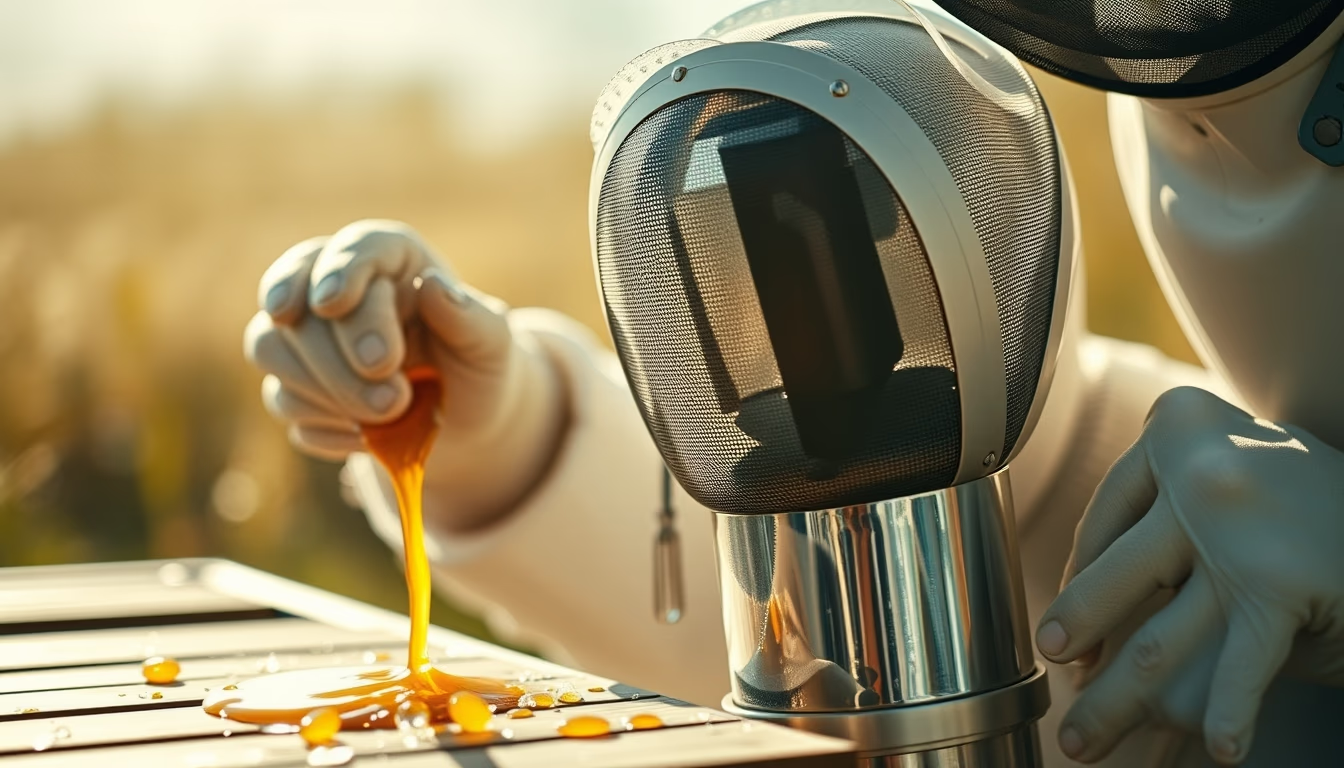
The production of Manuka honey is seasonal and weather-dependent, making it scarce and expensive. Hives are often transported to remote regions during the brief flowering period, which lasts only a few weeks. European honeybees (Apis mellifera) are the primary pollinators, as native New Zealand bees do not produce honey in quantity. Manuka honey is a remarkable example of how a specific ecosystem and traditional practices can yield a product with exceptional properties.
Frequently Asked Questions
What makes Manuka honey special compared to other honeys?
Manuka honey contains high levels of methylglyoxal (MGO), a compound with potent antibacterial activity. This sets it apart from regular honews, which rely on hydrogen peroxide, and makes it effective against resistant bacteria.
How to choose an authentic Manuka honey?
Look for certification labels like UMF (Unique Manuka Factor) or MGO (methylglyoxal). Ensure the product originates from New Zealand and has a traceable batch number. Avoid brands that do not specify a rating.
Can Manuka honey expire or go bad?
Manuka honey is one of the most stable foods and can last for years if stored in a cool, dry place away from sunlight. It does not spoil, but may crystallize over time, which is natural and reversible with a warm water bath.
Direct URL
https://pub-c7d6a6ea828543ac903a74a341ccb2e1.r2.dev/imagens/manuka-honey-new-zealand-rembrandt-lighting-dramatic-shadows-fresh0.avifHow to credit
Include a visible link back to UtilizAí. Copy one of the snippets below:
<a href="https://xn--utiliza-eza.com/en/midia/imagens/manuka-honey-new-zealand-rembrandt-lighting-dramatic-shadows-fresh0">Manuka honey new zealand</a> by <a href="https://xn--utiliza-eza.com">UtilizAí</a>, licensed under <a href="https://creativecommons.org/licenses/by/4.0/">CC BY 4.0</a>.
[Manuka honey new zealand](https://xn--utiliza-eza.com/en/midia/imagens/manuka-honey-new-zealand-rembrandt-lighting-dramatic-shadows-fresh0) by [UtilizAí](https://xn--utiliza-eza.com), CC BY 4.0
License: CC-BY-4.0