Manuka honey new zealand
1344×768 · AVIF · CC BY 4.0
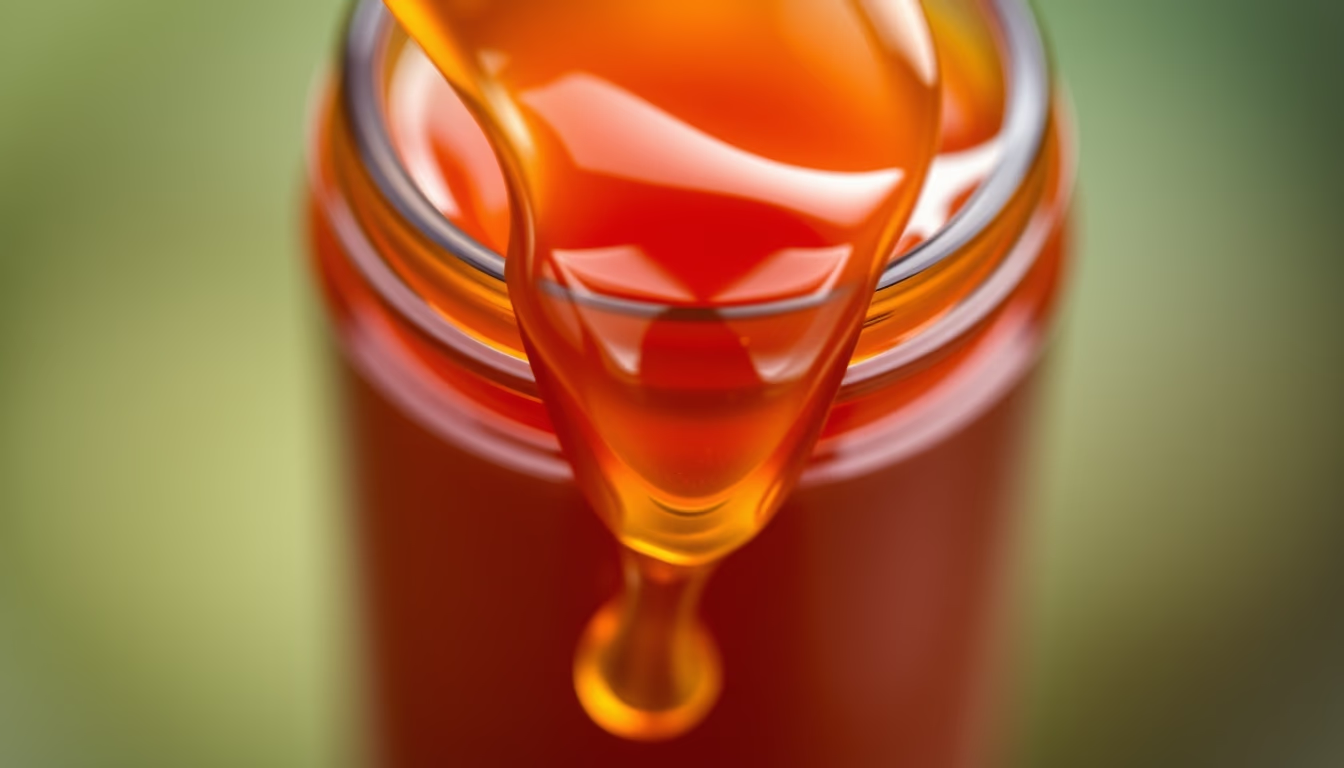
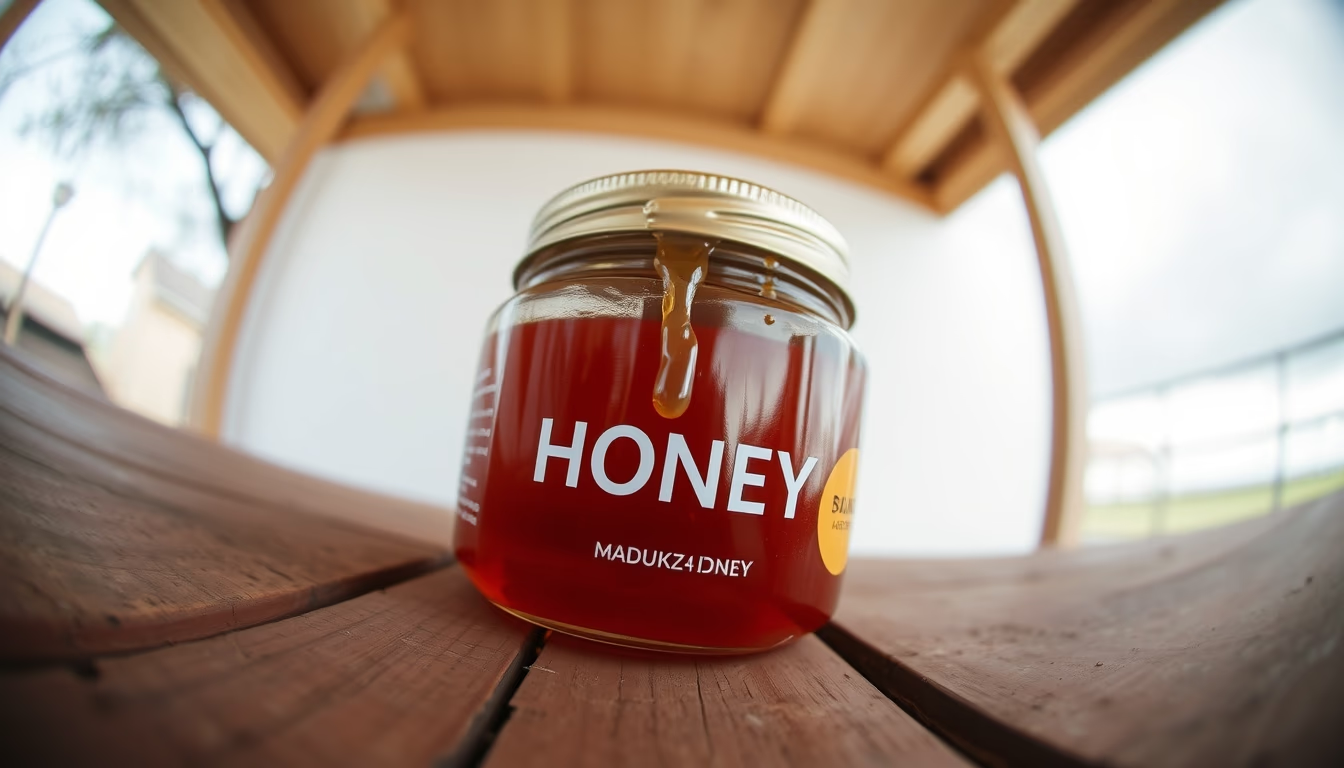
Manuka honey, produced in New Zealand from the Manuka tree, is renowned for its potent antibacterial properties and high therapeutic value.
About this subject
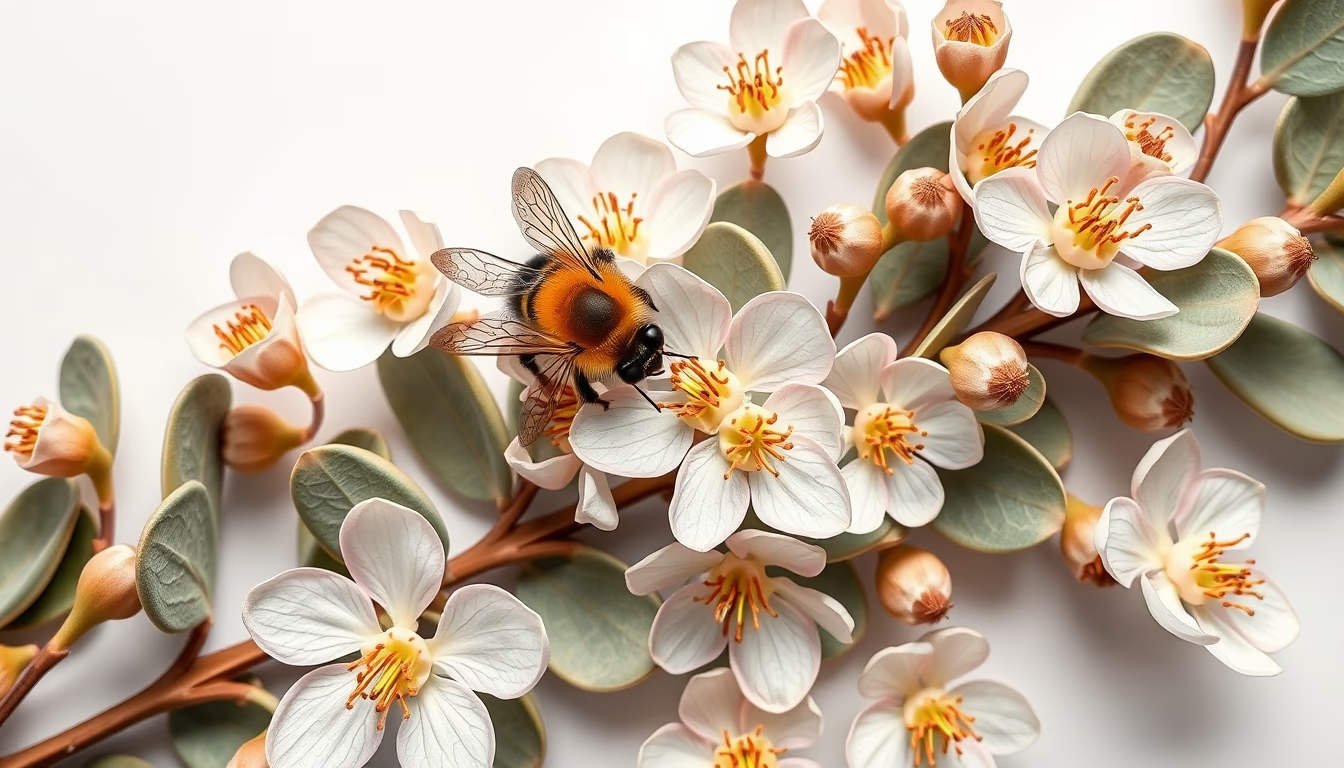
Manuka honey is a type of monofloral honey derived from the nectar of the Manuka tree (Leptospermum scoparium), which is native to New Zealand. This honey has gained worldwide recognition for its unique antibacterial properties, primarily attributed to the compound methylglyoxal (MGO). The concentration of MGO is used to grade the honey's potency, with rating systems such as UMF (Unique Manuka Factor) and MGO ensuring authenticity and quality. High-UMF Manuka honey is often used in medical applications, including wound and burn care, due to its ability to inhibit bacterial growth and promote healing.
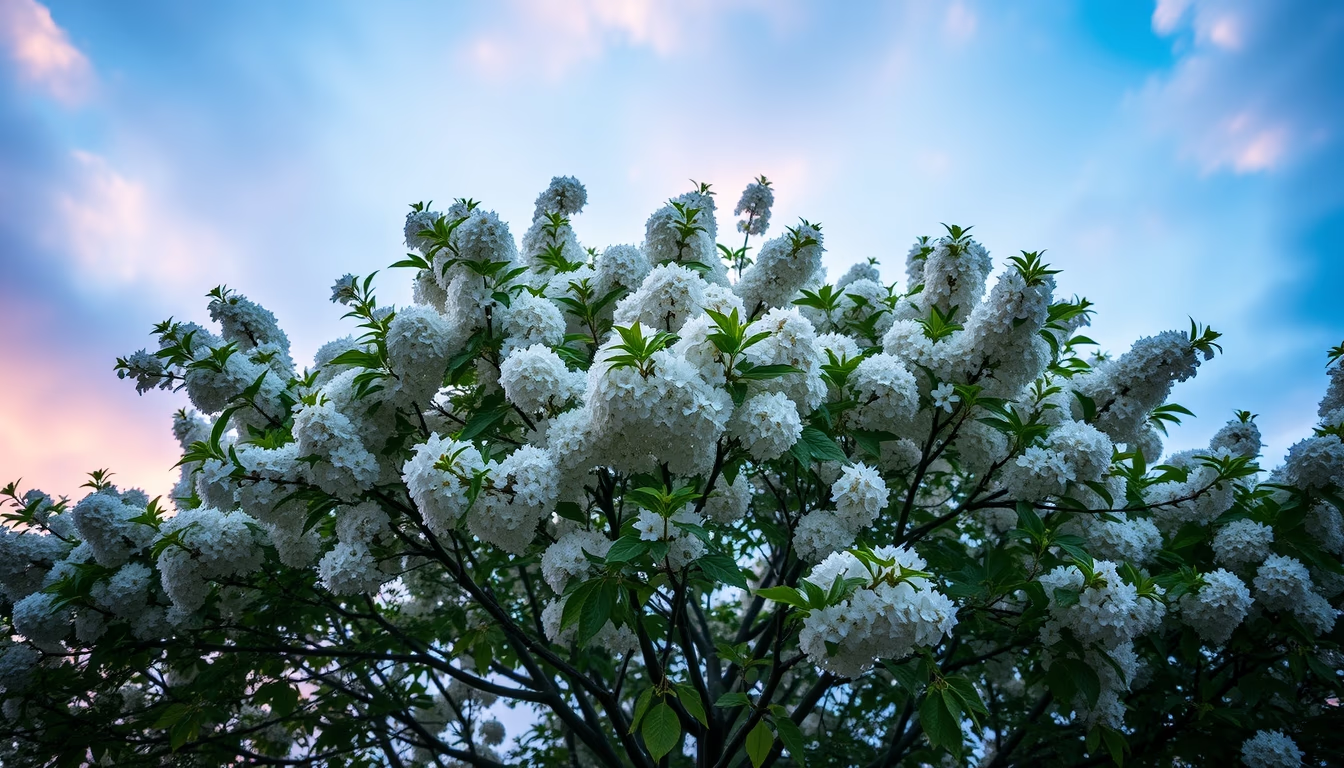
Manuka honey production is seasonal, occurring mainly during the New Zealand spring and summer when the trees bloom. Beehives are placed in specific regions with abundant Manuka populations, such as the Coromandel Peninsula and the Northland region. The honey is harvested and processed carefully to preserve its natural enzymes and bioactive compounds. New Zealand has strict regulations for certifying the origin and quality of Manuka honey, including DNA testing to confirm the presence of Manuka pollen and chemical analyses to measure MGO and other markers.
Beyond its medicinal uses, Manuka honey is valued as a gourmet ingredient, with an intense, earthy flavor that varies by region and harvest. It is consumed raw, used as a natural sweetener for teas and recipes, or incorporated into beauty and skincare products. Global demand for Manuka honey has boosted the New Zealand economy but has also raised concerns about sustainability and counterfeiting. Organizations like the Unique Manuka Factor Honey Association (UMFHA) work to protect the product's integrity by promoting certification and educating consumers on how to identify genuine Manuka honey.
Frequently Asked Questions
What makes Manuka honey special compared to other honeys?
Manuka honey contains high levels of methylglyoxal (MGO), a compound with strong antibacterial properties that is rare in other honey. This gives it unique therapeutic benefits, especially in wound and infection treatment.
How can I verify if Manuka honey is authentic?
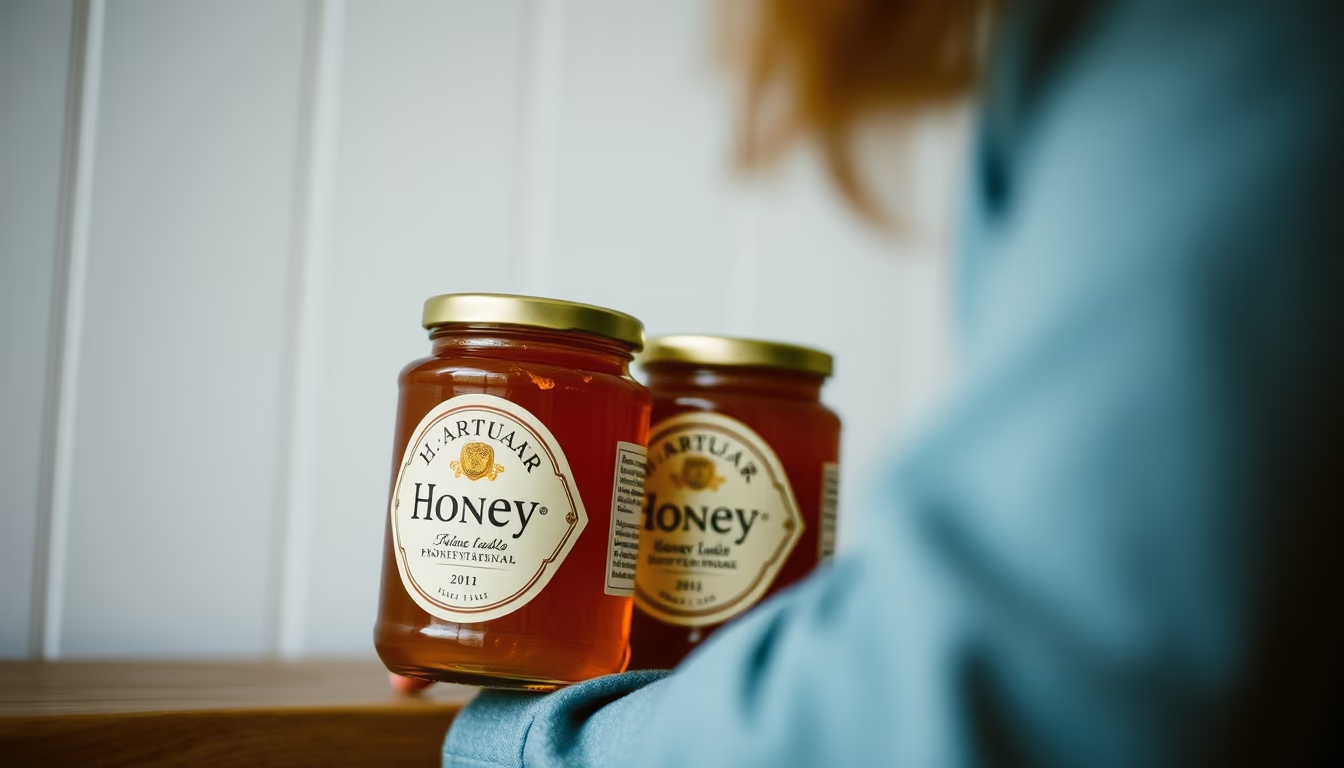
Look for certifications like UMF (Unique Manuka Factor) or MGO on the label. Genuine products also display a batch number and can be tested by independent laboratories. The presence of Manuka pollen is another indicator, but chemical analysis is more reliable.
What is the difference between UMF and MGO?
UMF (Unique Manuka Factor) and MGO (methylglyoxal) are grading systems that measure the antibacterial potency of Manuka honey. UMF assesses multiple compounds including MGO, leptosperine, and DHA, while MGO focuses solely on methylglyoxal. UMF 10+ is equivalent to MGO 263+ mg/kg.
Direct URL
https://pub-c7d6a6ea828543ac903a74a341ccb2e1.r2.dev/imagens/manuka-honey-new-zealand-macro-closeup-fresh5.avifHow to credit
Include a visible link back to UtilizAí. Copy one of the snippets below:
<a href="https://xn--utiliza-eza.com/en/midia/imagens/manuka-honey-new-zealand-macro-closeup-fresh5">Manuka honey new zealand</a> by <a href="https://xn--utiliza-eza.com">UtilizAí</a>, licensed under <a href="https://creativecommons.org/licenses/by/4.0/">CC BY 4.0</a>.
[Manuka honey new zealand](https://xn--utiliza-eza.com/en/midia/imagens/manuka-honey-new-zealand-macro-closeup-fresh5) by [UtilizAí](https://xn--utiliza-eza.com), CC BY 4.0
License: CC-BY-4.0