Manuka honey new zealand
1344×768 · AVIF · CC BY 4.0
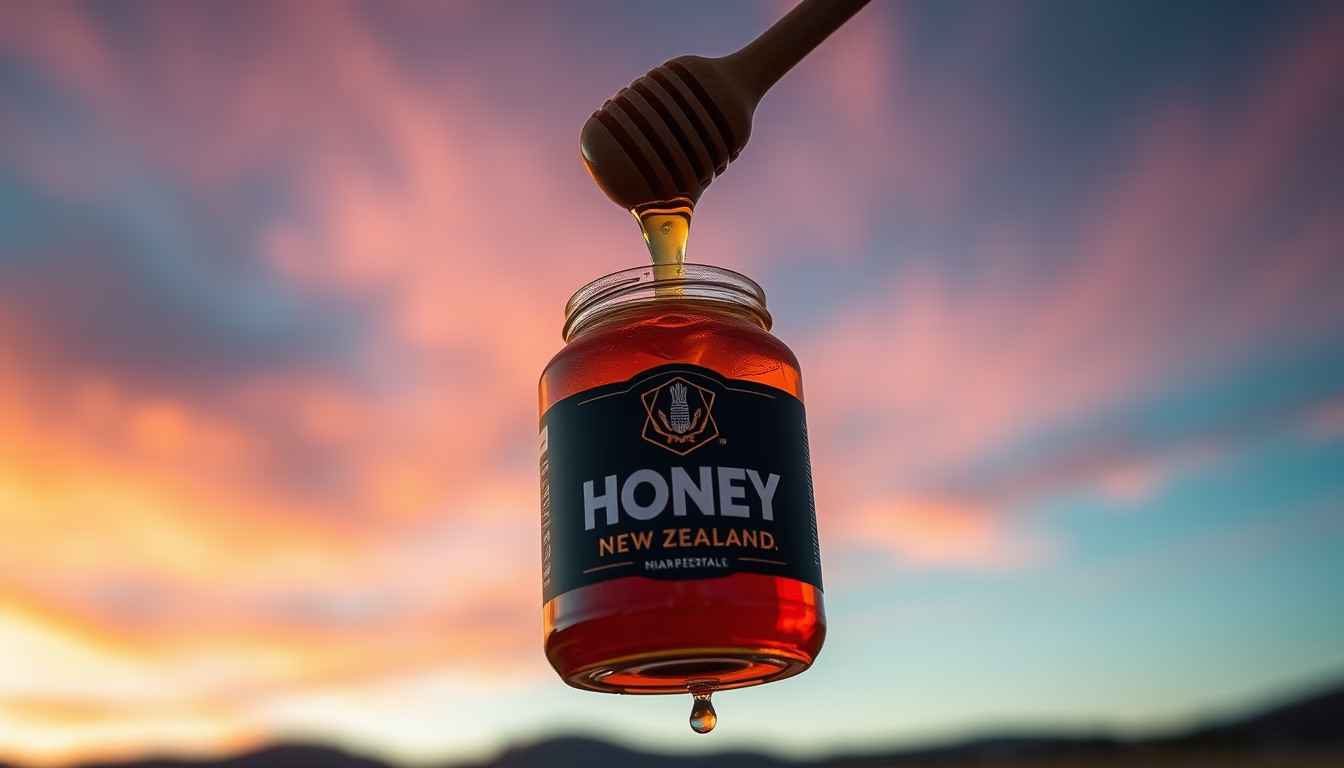
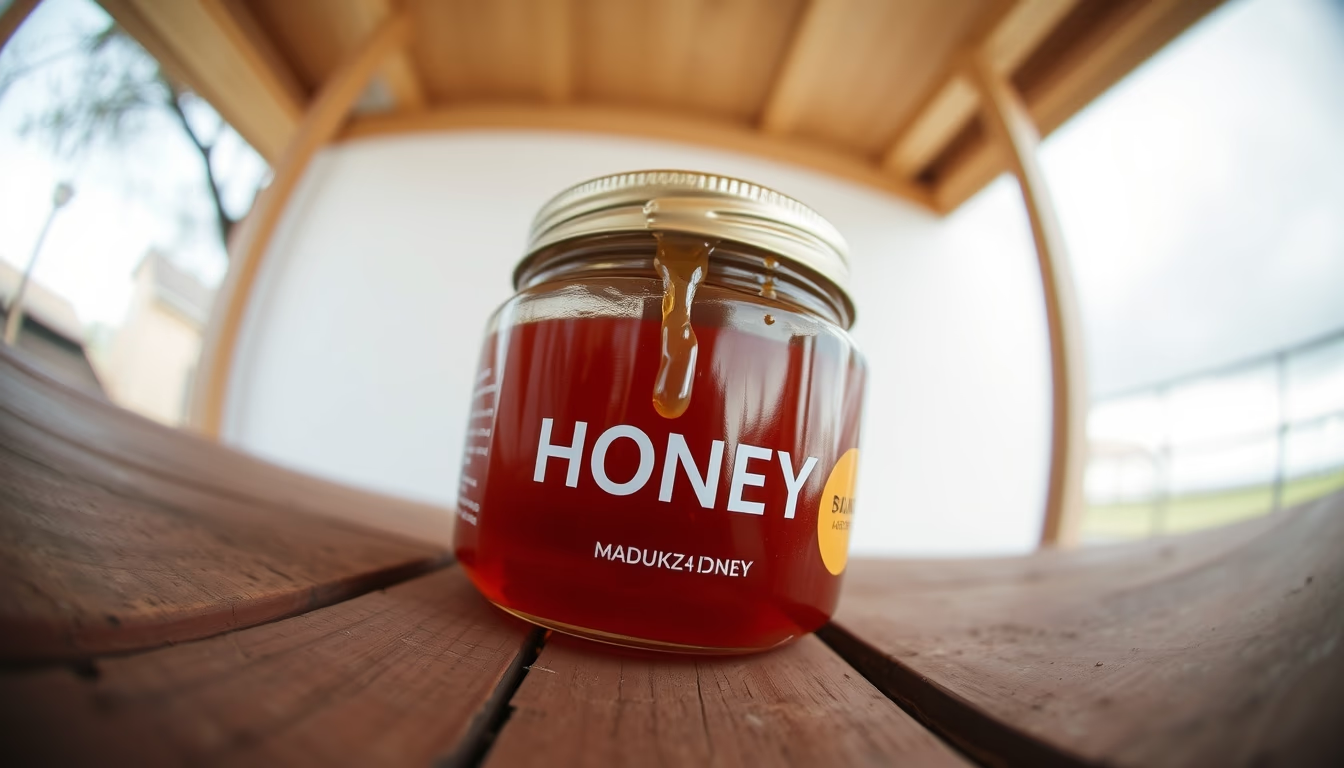
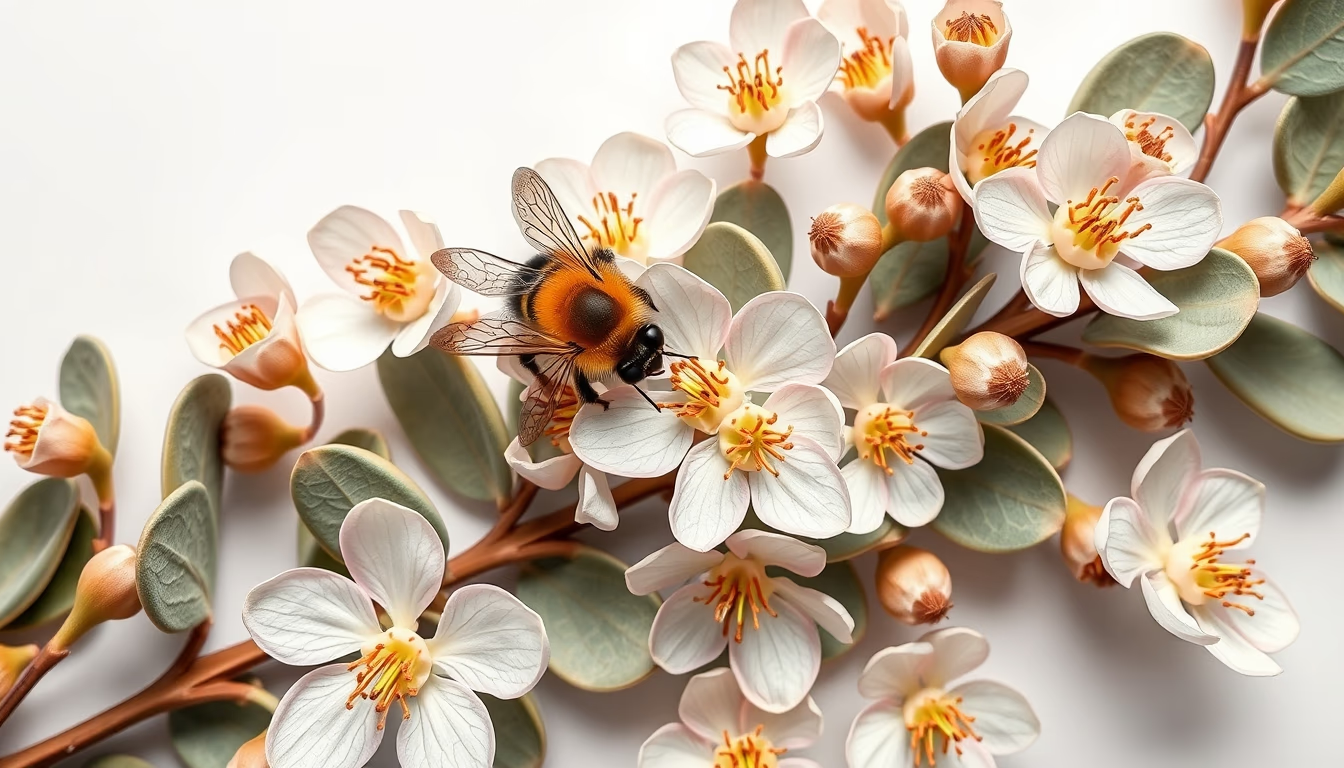
Manuka honey, produced from the flower of the native New Zealand Manuka bush, is renowned for its antibacterial properties and high medicinal value.
About this subject
Manuka honey is a monofloral honey produced from the nectar of the flowers of the Manuka bush (Leptospermum scoparium), native to New Zealand. Its international fame stems from exceptional antibacterial properties, attributed to the compound methylglyoxal (MGO), present in much higher concentrations than in conventional honeys. Antibacterial activity is measured by grading systems such as UMF (Unique Manuka Factor) and MGO, which ensure the product's potency and authenticity.
Production of Manuka honey is strictly controlled and concentrated in specific regions of New Zealand, particularly the North Island. Beehives are placed in areas of native vegetation to ensure bees collect nectar predominantly from the Manuka flower. Due to high demand and limited supply, Manuka honey is one of the most expensive in the world, with prices reaching hundreds of dollars per kilogram for the highest UMF grades.
Historically, the Maori people used the Manuka bush for medicinal purposes, but the honey itself gained global prominence in the 1980s, when researchers began studying its antimicrobial properties. Today, Manuka honey is widely used in wound care products, especially medical dressings, due to its ability to inhibit the growth of antibiotic-resistant bacteria. It is also consumed raw for sore throat relief and immune system support.
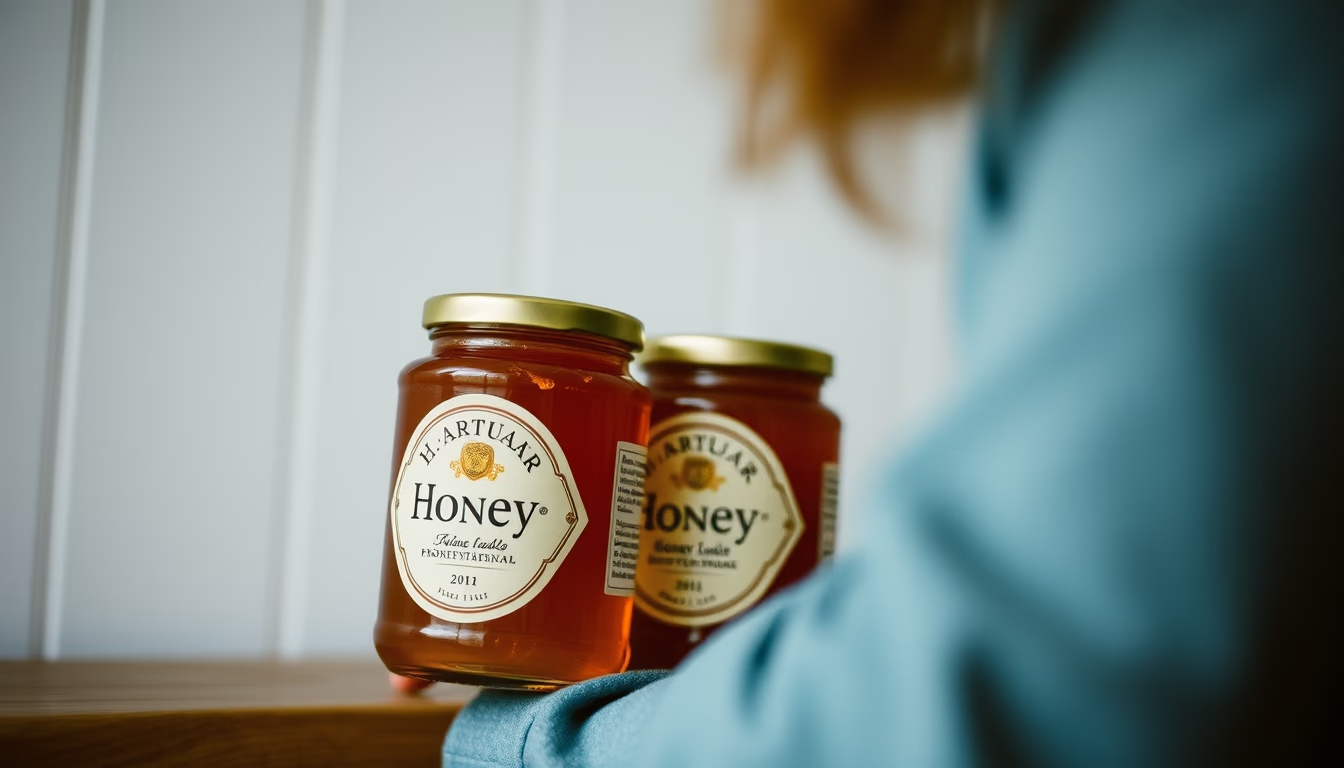
Authenticity of Manuka honey is a constant challenge, as counterfeit or adulterated products are common. To combat this, the New Zealand government has established strict labeling and testing standards, including requirements to quantify MGO and UMF. Genuine Manuka honey also has a unique compound profile, such as leptosperin, which helps differentiate it from other honeys. Its color ranges from light amber to dark, and its flavor is intense, earthy, and slightly bitter.
Frequently Asked Questions
What makes Manuka honey different from other honeys?
Manuka honey contains high levels of methylglyoxal (MGO), an antibacterial compound that gives it superior potency. It is graded by systems like UMF and MGO, which measure its antimicrobial activity. Additionally, its production is limited to specific regions of New Zealand, making it more expensive and valued.
How can I tell if Manuka honey is authentic?
Check the label for UMF or MGO levels, along with the producer's name and the certification seal from the Unique Manuka Factor Honey Association (UMFHA). Authentic products also list leptosperin as a chemical marker. Avoid honeys without this information or with very low prices.
Can Manuka honey be used for wound treatment?
Yes, high-grade Manuka honey (UMF 10+) is used in medical dressings to prevent infection and speed healing. Studies show effectiveness against resistant bacteria, including MRSA. However, it does not replace professional medical care and should be used as directed.
Direct URL
https://pub-c7d6a6ea828543ac903a74a341ccb2e1.r2.dev/imagens/manuka-honey-new-zealand-long-exposure-fresh16.avifHow to credit
Include a visible link back to UtilizAí. Copy one of the snippets below:
<a href="https://xn--utiliza-eza.com/en/midia/imagens/manuka-honey-new-zealand-long-exposure-fresh16">Manuka honey new zealand</a> by <a href="https://xn--utiliza-eza.com">UtilizAí</a>, licensed under <a href="https://creativecommons.org/licenses/by/4.0/">CC BY 4.0</a>.
[Manuka honey new zealand](https://xn--utiliza-eza.com/en/midia/imagens/manuka-honey-new-zealand-long-exposure-fresh16) by [UtilizAí](https://xn--utiliza-eza.com), CC BY 4.0
License: CC-BY-4.0