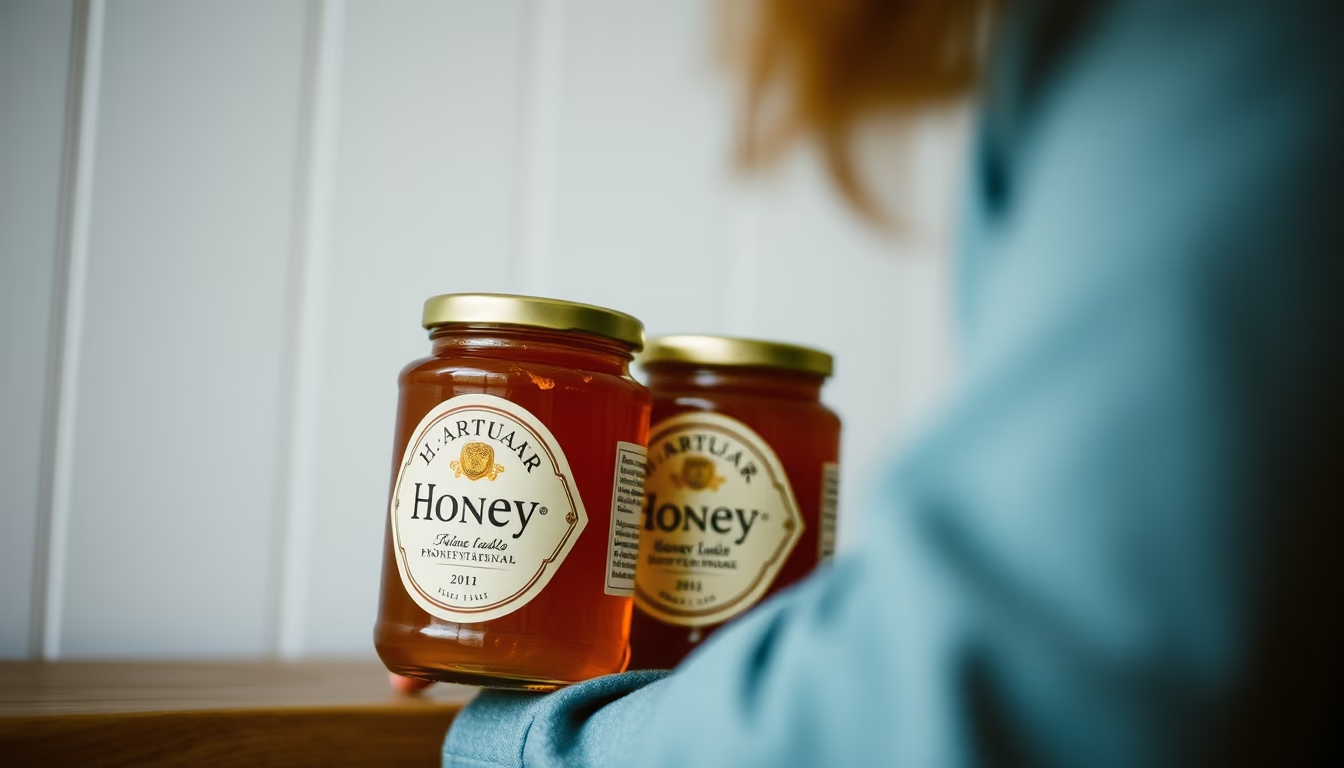
Manuka honey new zealand
1344×768 · AVIF · CC BY 4.0
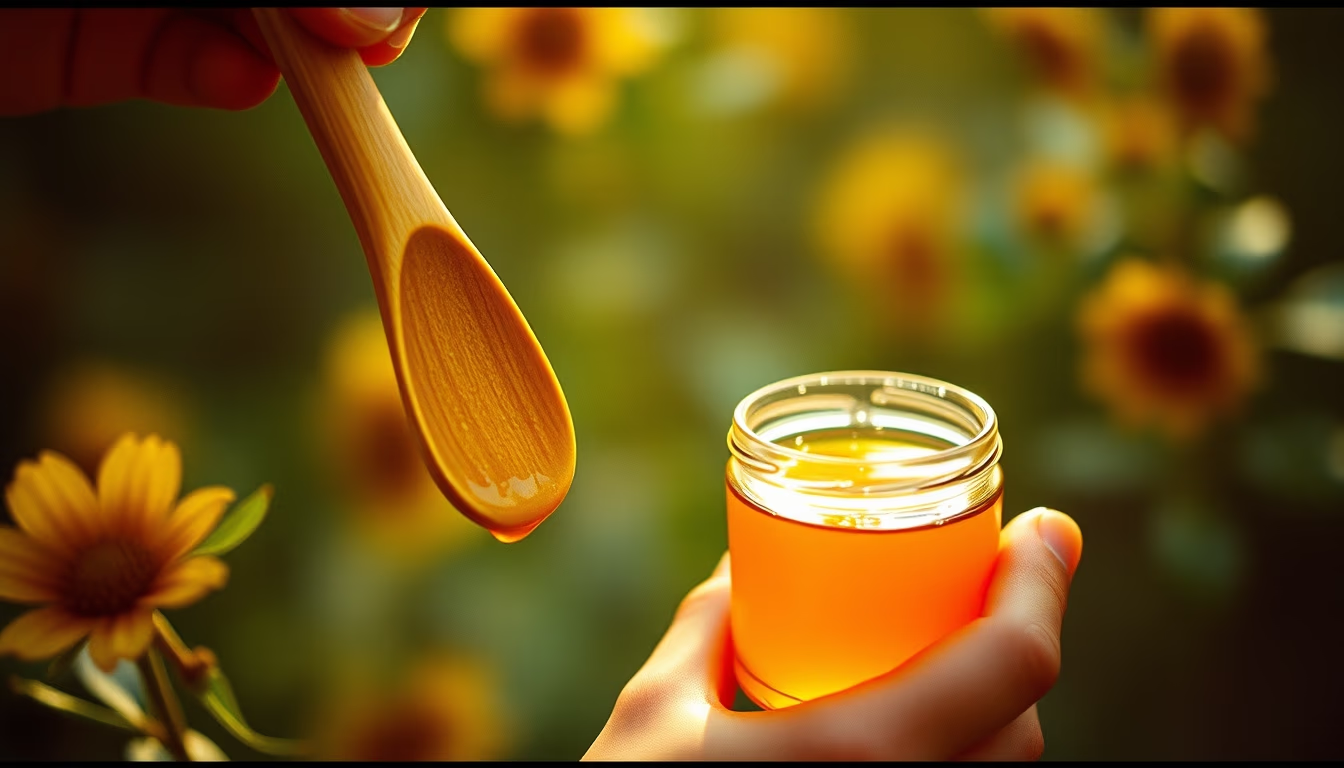
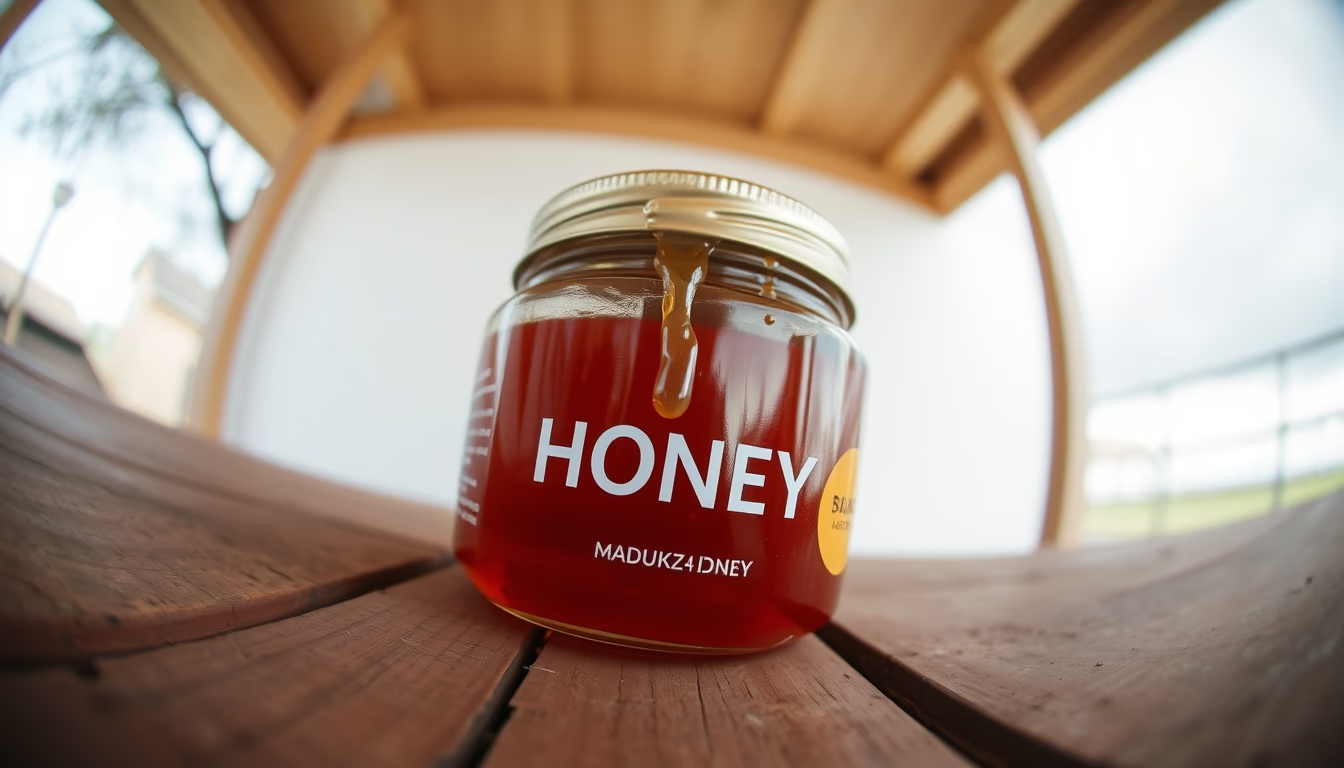
Manuka honey, produced from the nectar of the Manuka tree (Leptospermum scoparium) native to New Zealand, is renowned for its unique antibacterial properties.
About this subject
Manuka honey is a special type of honey produced by bees that pollinate the flowers of the Manuka tree, a plant native to New Zealand. Its worldwide fame stems from a natural compound called methylglyoxal (MGO), which gives it potent antibacterial activity superior to that of regular honey. This property is measured by grading systems such as UMF (Unique Manuka Factor) and MGO, indicating the concentration of the active compound. The Manuka honey industry is strictly regulated in New Zealand, with laboratory tests ensuring authenticity and purity, as the product is frequently counterfeited.
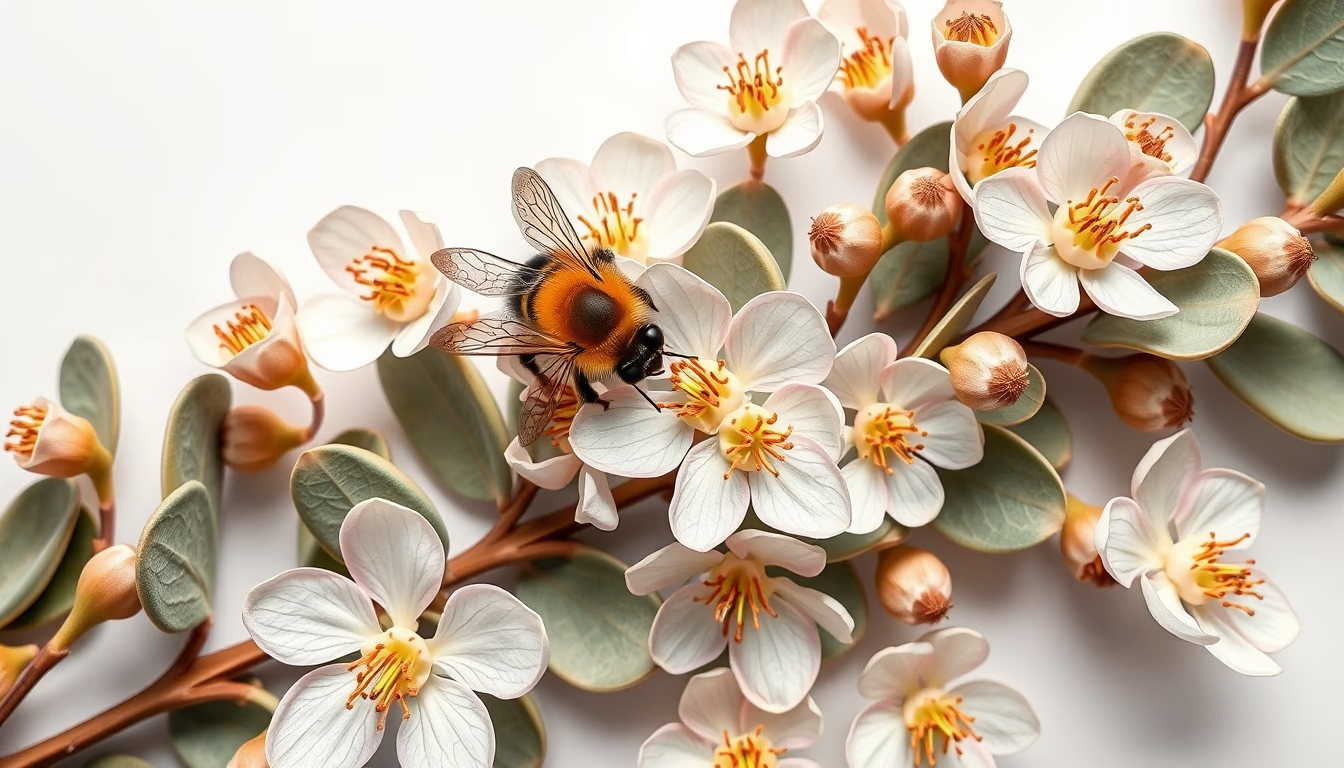
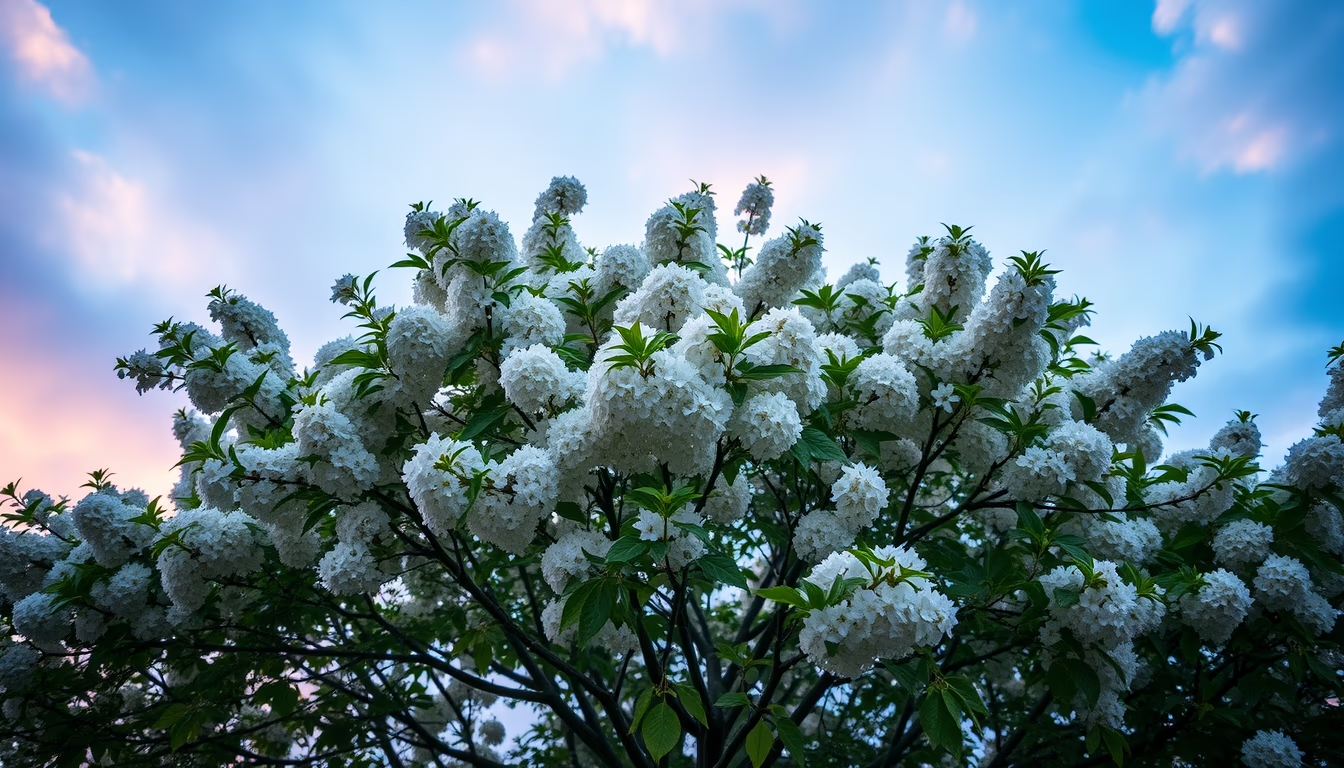
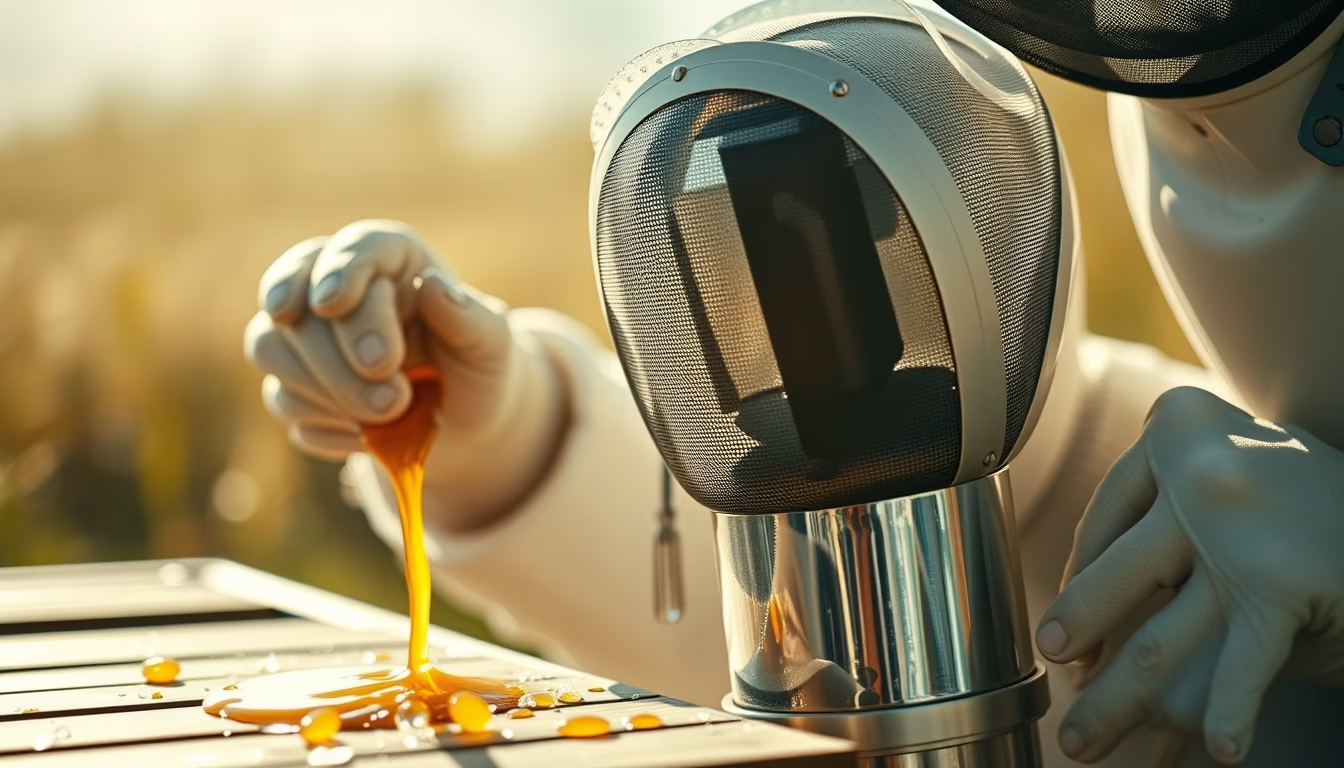
The Manuka tree (Leptospermum scoparium) grows mainly in wild and mountainous regions of New Zealand, blooming for only a few weeks during summer. During this period, bees collect nectar to produce honey, which is harvested and processed with minimal heating to preserve its enzymes and bioactive compounds. Manuka honey is known for its creamy texture and earthy, slightly bitter taste, distinct from conventional honeys.
Manuka honey is widely used in traditional medicine and personal care products, primarily for its anti-inflammatory and wound-healing properties. Scientific studies demonstrate its effectiveness against antibiotic-resistant bacteria such as Staphylococcus aureus. In cooking, it is appreciated as a premium natural sweetener, often consumed plain or in teas. Its limited production and high global demand drive up prices, reaching hundreds of dollars per kilogram for varieties with high MGO ratings.
New Zealand protects the term "Manuka honey" as a geographical indication, and exports are controlled to prevent fraud. The country also promotes ongoing research into health benefits, including its potential in treating chronic wounds and oral infections. For the Māori, the indigenous people of New Zealand, the Manuka tree holds cultural significance and has been used traditionally for medicinal purposes.
Frequently Asked Questions
What sets Manuka honey apart from other honeys?
Manuka honey contains high levels of methylglyoxal (MGO), a compound with strong antibacterial activity, absent in most honeys. Its potency is measured by scales like UMF and MGO.
How can I tell if Manuka honey is authentic?
Look for certifications from New Zealand regulatory bodies, such as the UMF or MGO seal with corresponding numbers. Authentic products have traceability and undergo laboratory testing.
Is Manuka honey safe for everyone?
Yes, for most people, but it should not be given to infants under 1 year due to botulism risk. Diabetics should consume in moderation because of its high sugar content.
Direct URL
https://pub-c7d6a6ea828543ac903a74a341ccb2e1.r2.dev/imagens/manuka-honey-new-zealand-lo-fi-disposable-camera-fresh14.avifHow to credit
Include a visible link back to UtilizAí. Copy one of the snippets below:
<a href="https://xn--utiliza-eza.com/en/midia/imagens/manuka-honey-new-zealand-lo-fi-disposable-camera-fresh14">Manuka honey new zealand</a> by <a href="https://xn--utiliza-eza.com">UtilizAí</a>, licensed under <a href="https://creativecommons.org/licenses/by/4.0/">CC BY 4.0</a>.
[Manuka honey new zealand](https://xn--utiliza-eza.com/en/midia/imagens/manuka-honey-new-zealand-lo-fi-disposable-camera-fresh14) by [UtilizAí](https://xn--utiliza-eza.com), CC BY 4.0
License: CC-BY-4.0