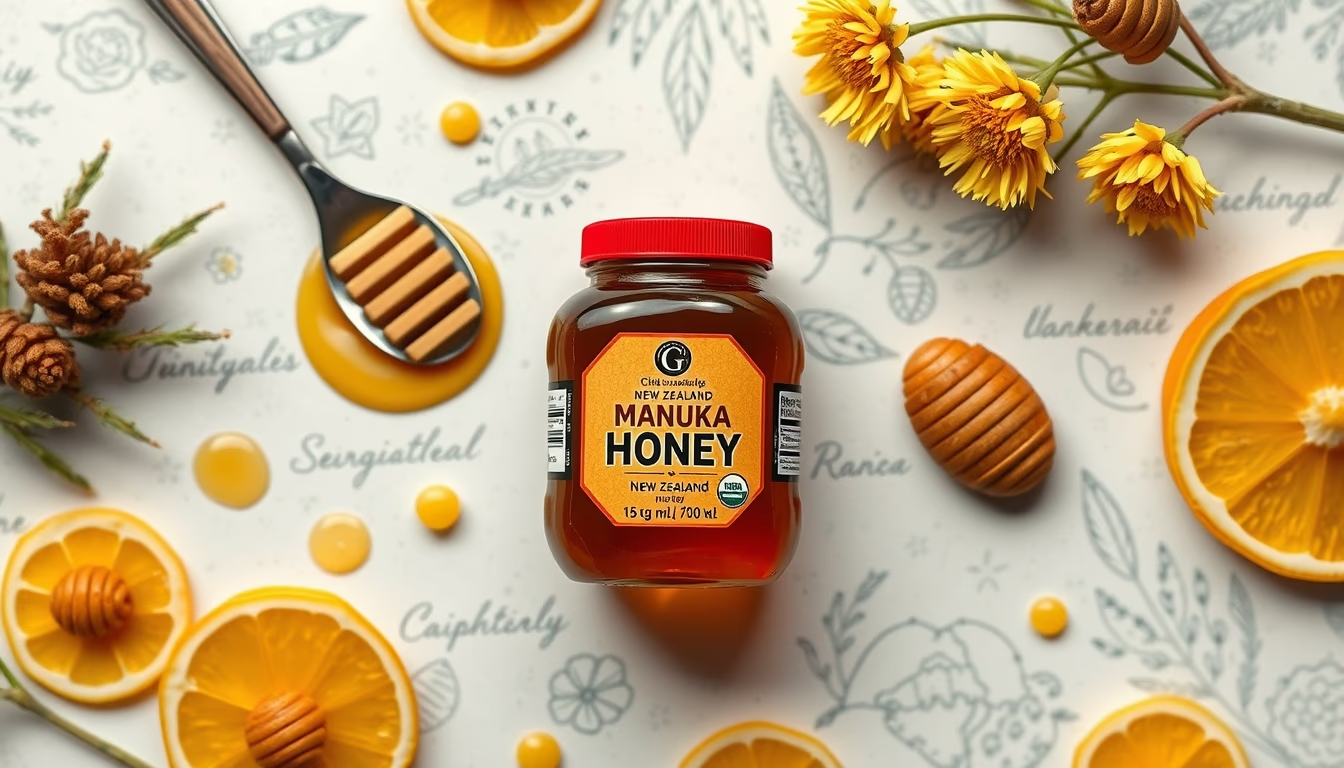
Manuka honey new zealand
1344×768 · AVIF · CC BY 4.0
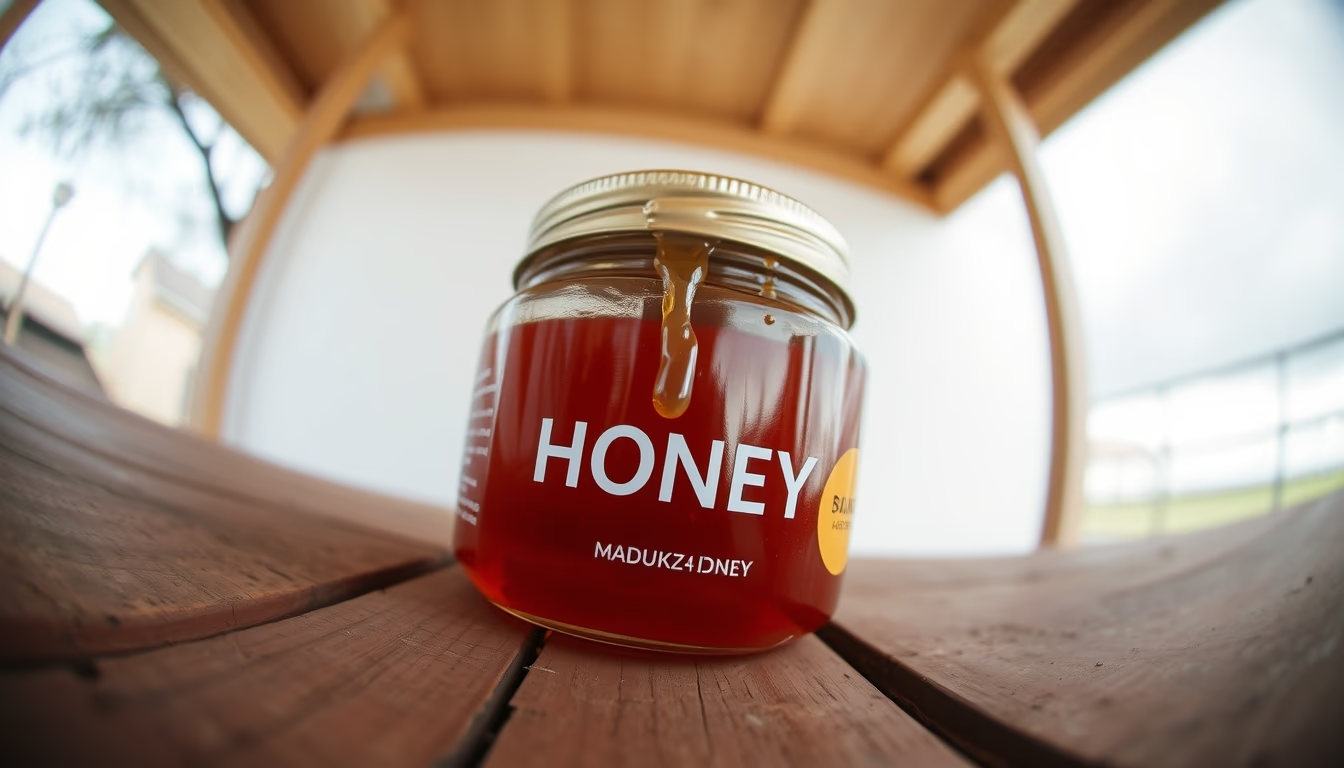
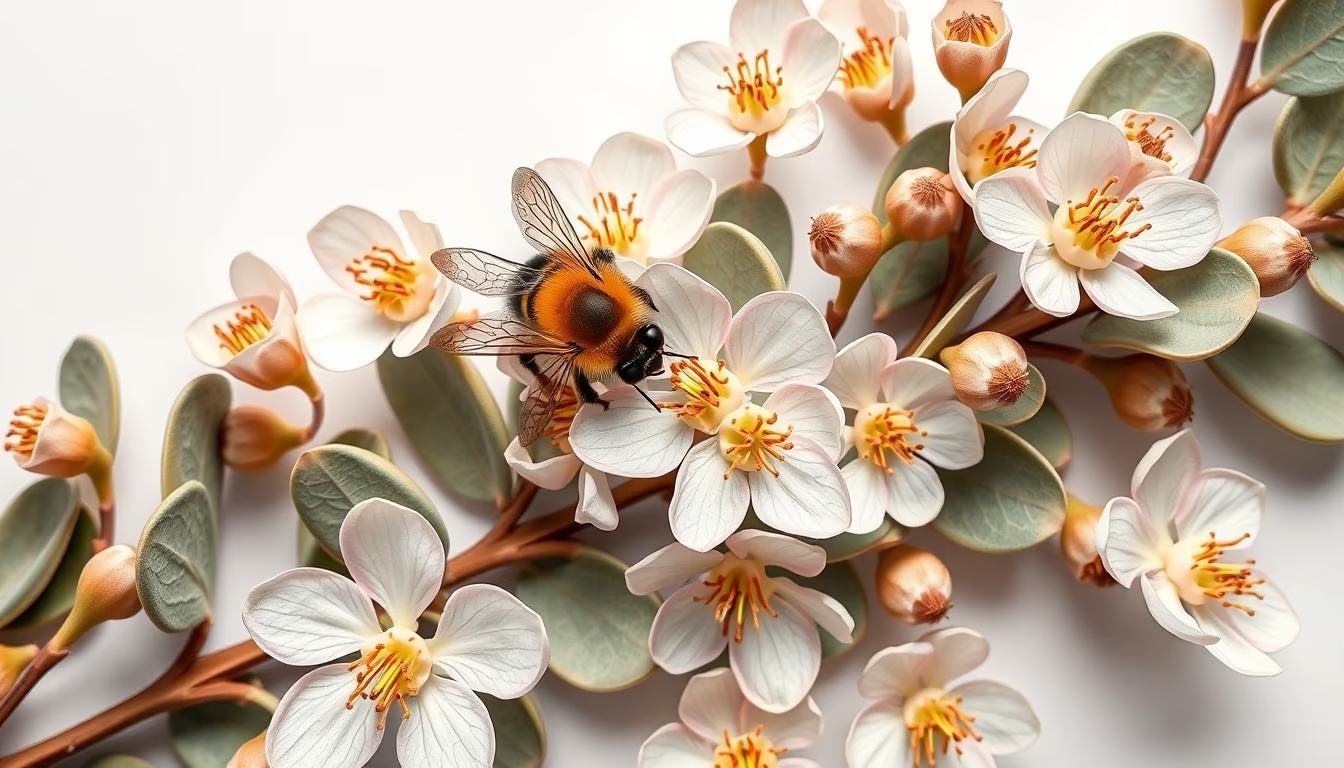
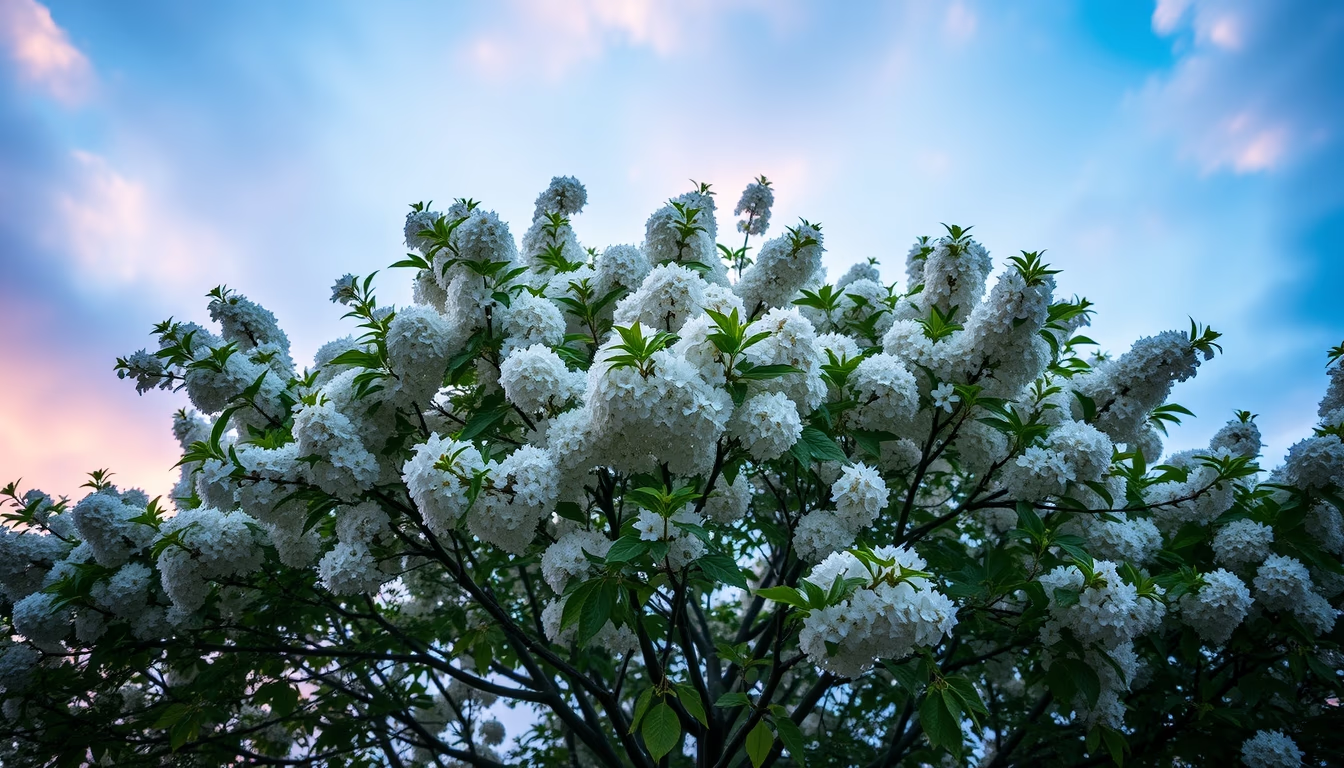
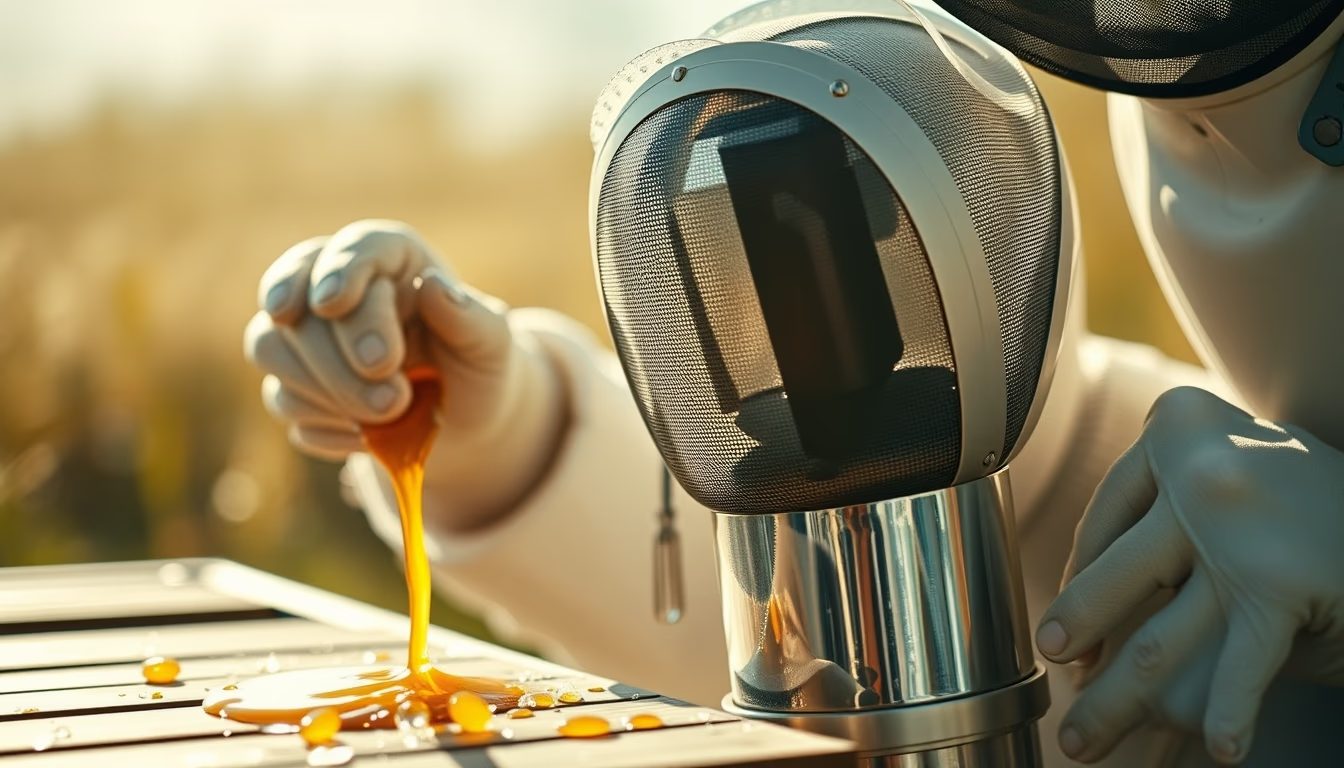
Manuka honey, produced from the nectar of the Leptospermum scoparium tree native to New Zealand, is renowned for its unique antibacterial properties and high therapeutic value.
About this subject
Manuka honey is a special type of monofloral honey produced by bees that pollinate the Manuka tree (Leptospermum scoparium), endemic to New Zealand and parts of Australia. Unlike other honeys, Manuka contains high levels of methylglyoxal (MGO), a compound responsible for its potent antibacterial activity. MGO is formed from the conversion of dihydroxyacetone present in the flower nectar. This honey has been extensively studied for its medicinal properties, such as action against antibiotic-resistant bacteria, wound healing, and sore throat relief.
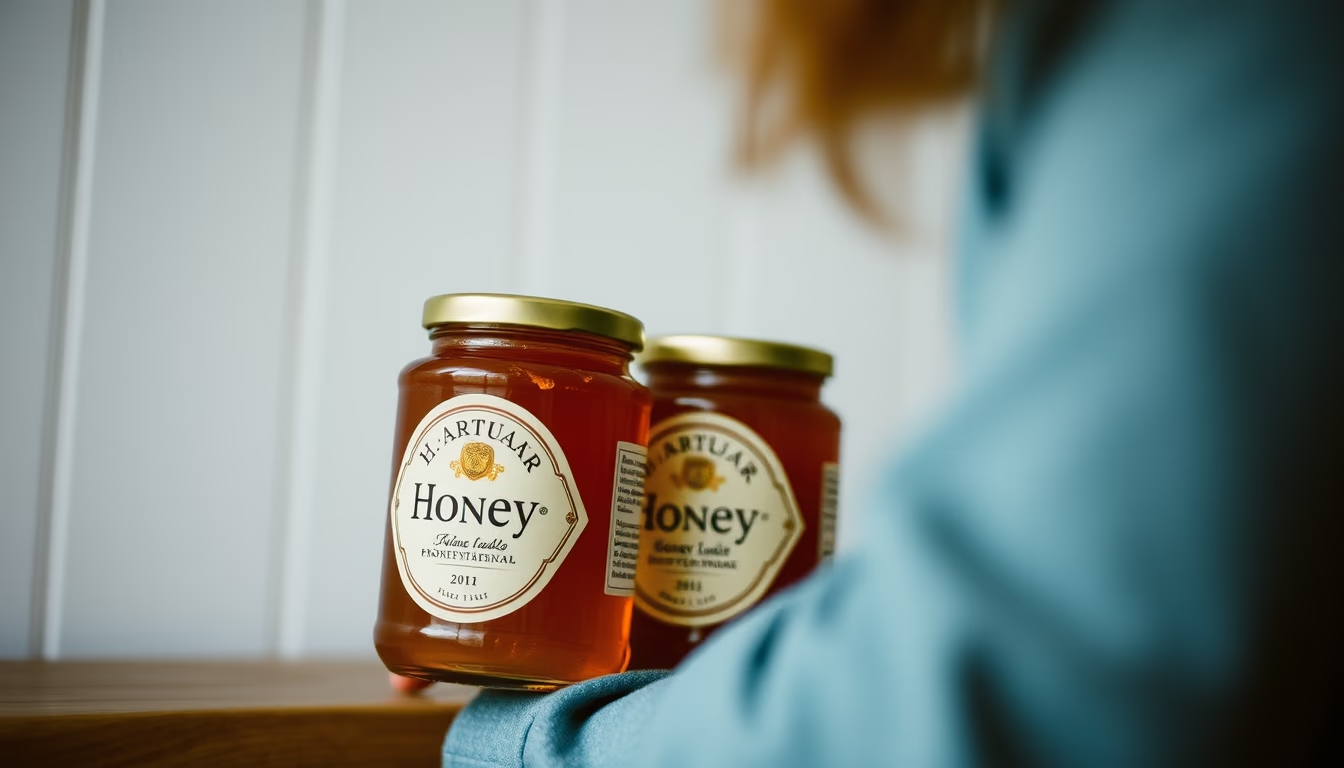
New Zealand has implemented a strict grading system for Manuka honey, measured by the Unique Manuka Factor (UMF) or MGO (mg/kg). The higher the rating, the stronger the antibacterial potency. To be considered authentic, the honey must meet chemical and floral DNA standards set by the New Zealand government. Production is limited because Manuka flowers bloom for only a few weeks each year, and hives are strategically placed in remote areas to ensure purity.
Manuka honey is a significant export product for New Zealand, generating millions of dollars annually. Due to its high demand and relative scarcity, it is often subject to adulteration, leading to tighter regulations. Beyond its medicinal use, Manuka is valued in cooking for its intense earthy flavor, with caramel and herbal notes. Its color ranges from dark amber to brown, and its texture is creamy with slow crystallization.
Frequently Asked Questions
What makes Manuka honey different from other honeys?
Manuka honey contains high levels of methylglyoxal (MGO), giving it powerful antibacterial properties far beyond regular honey. It is graded by systems like UMF and MGO to ensure purity and effectiveness.
How can I tell if Manuka honey is authentic?
Authentic Manuka honey should have a UMF or MGO rating from recognized certifiers like the UMF Honey Association. Check for New Zealand origin and chemical markers such as leptosperin and MGO.
Does Manuka honey expire? How to store it?
Manuka honey has a shelf life of 2 to 5 years. Store it in a cool, dry place away from direct sunlight. Crystallization is natural and not a sign of spoilage; gently warm in a water bath to restore liquid consistency.
Direct URL
https://pub-c7d6a6ea828543ac903a74a341ccb2e1.r2.dev/imagens/manuka-honey-new-zealand-fish-eye-wide-angle-fresh18.avifHow to credit
Include a visible link back to UtilizAí. Copy one of the snippets below:
<a href="https://xn--utiliza-eza.com/en/midia/imagens/manuka-honey-new-zealand-fish-eye-wide-angle-fresh18">Manuka honey new zealand</a> by <a href="https://xn--utiliza-eza.com">UtilizAí</a>, licensed under <a href="https://creativecommons.org/licenses/by/4.0/">CC BY 4.0</a>.
[Manuka honey new zealand](https://xn--utiliza-eza.com/en/midia/imagens/manuka-honey-new-zealand-fish-eye-wide-angle-fresh18) by [UtilizAí](https://xn--utiliza-eza.com), CC BY 4.0
License: CC-BY-4.0