Manuka honey new zealand
1344×768 · AVIF · CC BY 4.0
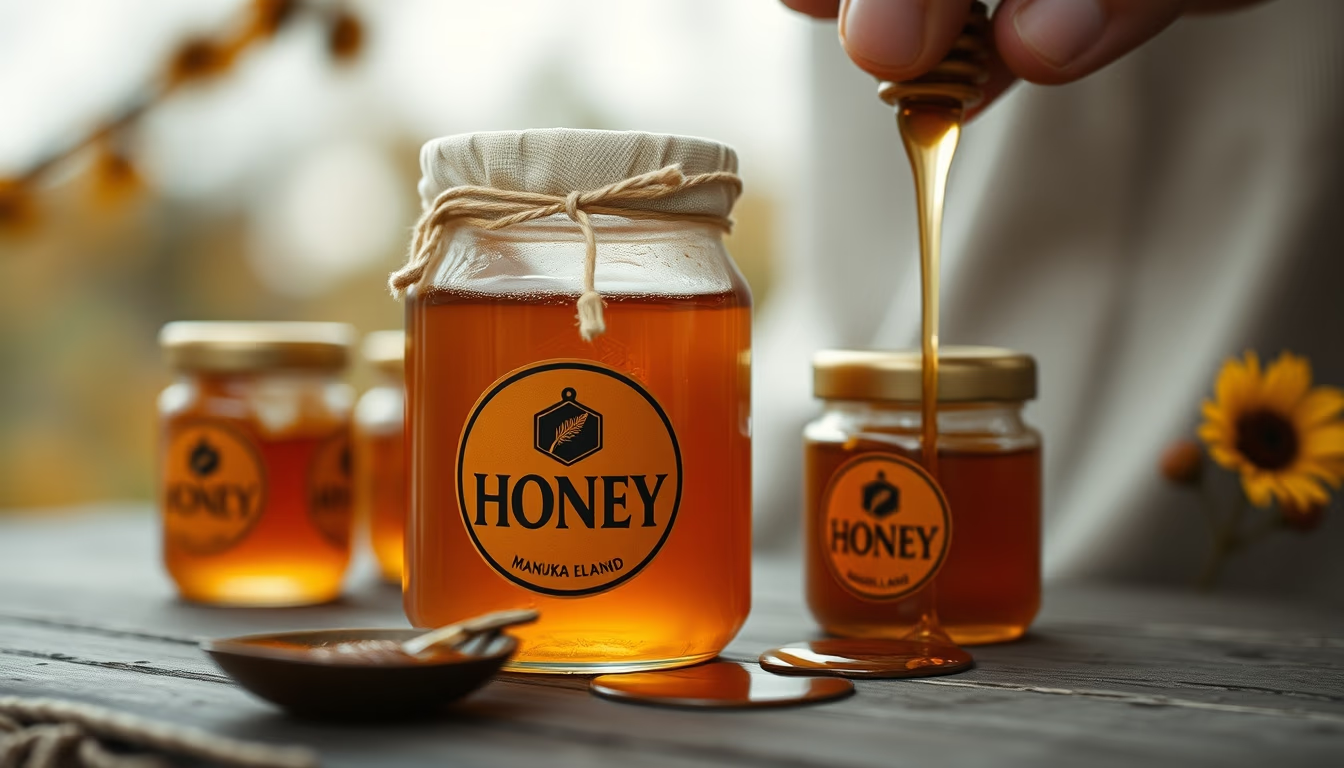
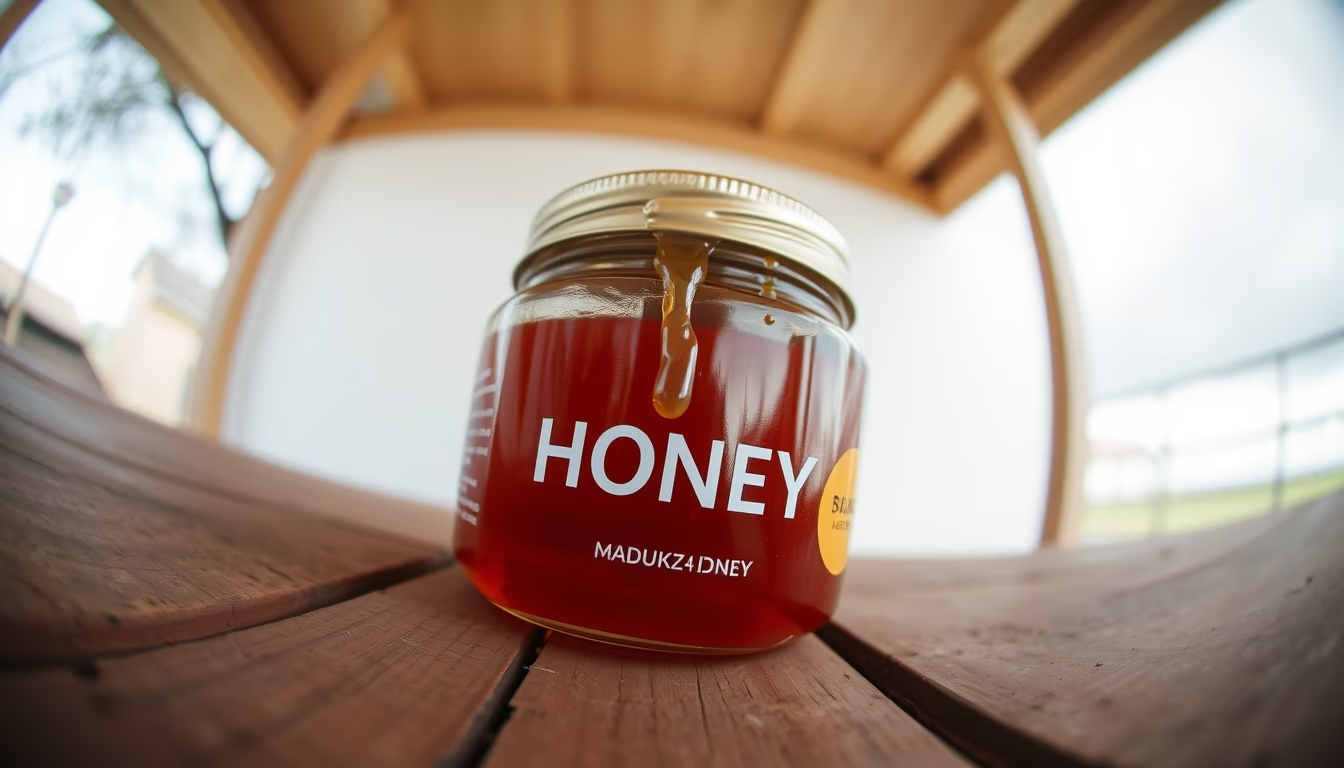
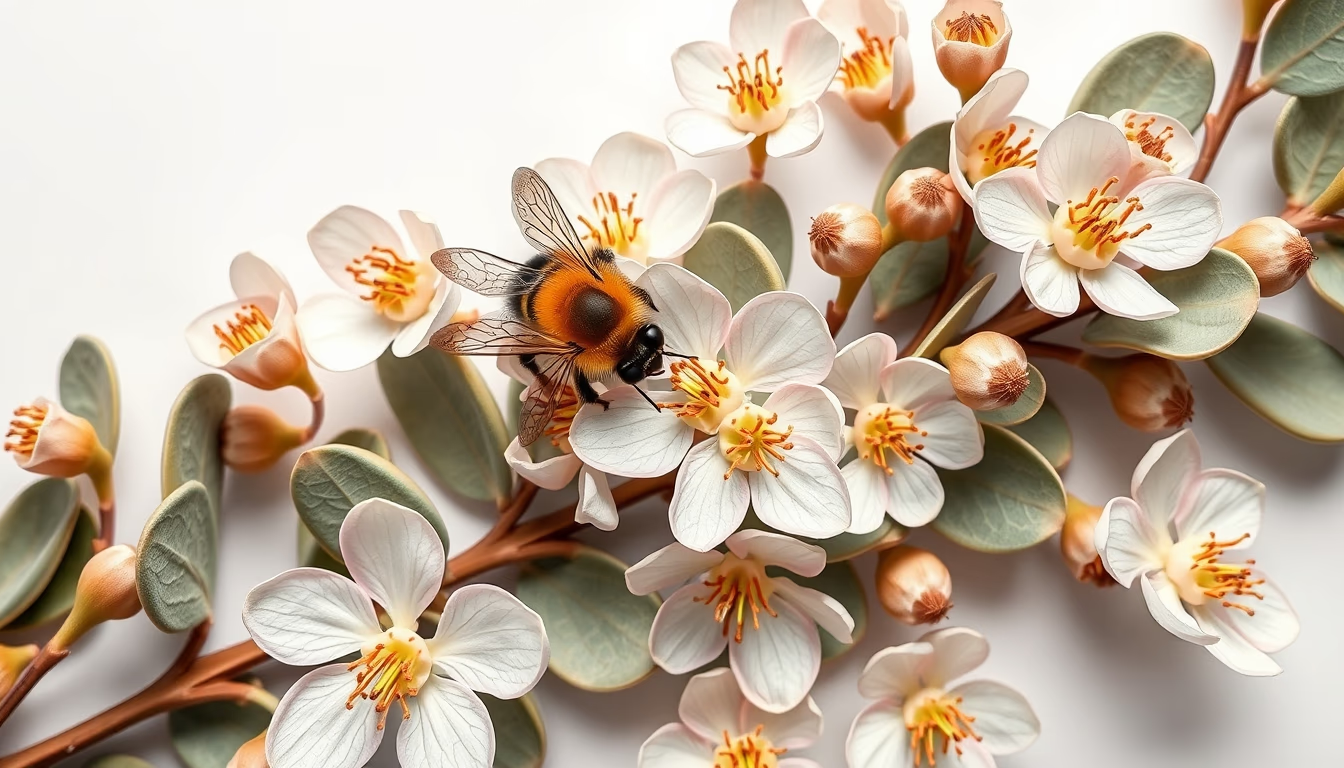
New Zealand Manuka honey is a superfood renowned for its unique antibacterial properties, derived from the flowers of the Leptospermum scoparium plant.
About this subject
Manuka honey is produced from the nectar of the manuka flower (Leptospermum scoparium), a shrub native to New Zealand and parts of Australia. Its fame stems from the compound methylglyoxal (MGO), which provides potent antibacterial activity far exceeding that of ordinary honey. The concentration of MGO is measured by systems such as UMF (Unique Manuka Factor) or MGO, indicating the product's quality and potency.
To be considered genuine, Manuka honey must undergo rigorous testing to verify its origin and MGO levels. New Zealand has an official certification system, the UMFHA (Unique Manuka Factor Honey Association), which guarantees authenticity. Manuka honey with high UMF ratings (above 15) is often used in medicinal applications, such as wound and burn treatment, due to its antiseptic and anti-inflammatory properties.
Manuka honey production is limited and seasonal, occurring mainly between November and January in the Southern Hemisphere. Bees collect nectar only during the few weeks of flowering. Due to its rarity and high certification costs, authentic Manuka honey is one of the most expensive honeys in the world, often costing hundreds of dollars per kilogram. It is important to purchase from reliable sources to avoid fraud, which is common in this market.
Interestingly, Manuka honey is not only consumed raw but also incorporated into cosmetics, lotions, and hygiene products such as soaps and toothpastes, leveraging its beneficial properties for skin and oral health. Scientific studies continue to investigate its potential benefits in combating antibiotic-resistant bacteria.
Frequently Asked Questions
What does UMF mean in Manuka honey?
UMF (Unique Manuka Factor) is a grading system that measures the antibacterial activity of Manuka honey based on its methylglyoxal (MGO) content. The higher the UMF, the more potent the honey. A UMF of 10+ is the minimum for therapeutic effects.
Is Manuka honey safe for children?
Manuka honey is safe for children over 1 year old, just like regular honey. For infants under 1 year, there is a risk of infant botulism, so it is not recommended.
How to identify real Manuka honey?
Look for official certifications like UMFHA, MGO, or KFactor. Check the country of origin (New Zealand) and expiration date. Fake honey usually has a very low price and lacks authenticity seals.
Direct URL
https://pub-c7d6a6ea828543ac903a74a341ccb2e1.r2.dev/imagens/manuka-honey-new-zealand-film-grain-authentic-fresh13.avifHow to credit
Include a visible link back to UtilizAí. Copy one of the snippets below:
<a href="https://xn--utiliza-eza.com/en/midia/imagens/manuka-honey-new-zealand-film-grain-authentic-fresh13">Manuka honey new zealand</a> by <a href="https://xn--utiliza-eza.com">UtilizAí</a>, licensed under <a href="https://creativecommons.org/licenses/by/4.0/">CC BY 4.0</a>.
[Manuka honey new zealand](https://xn--utiliza-eza.com/en/midia/imagens/manuka-honey-new-zealand-film-grain-authentic-fresh13) by [UtilizAí](https://xn--utiliza-eza.com), CC BY 4.0
License: CC-BY-4.0