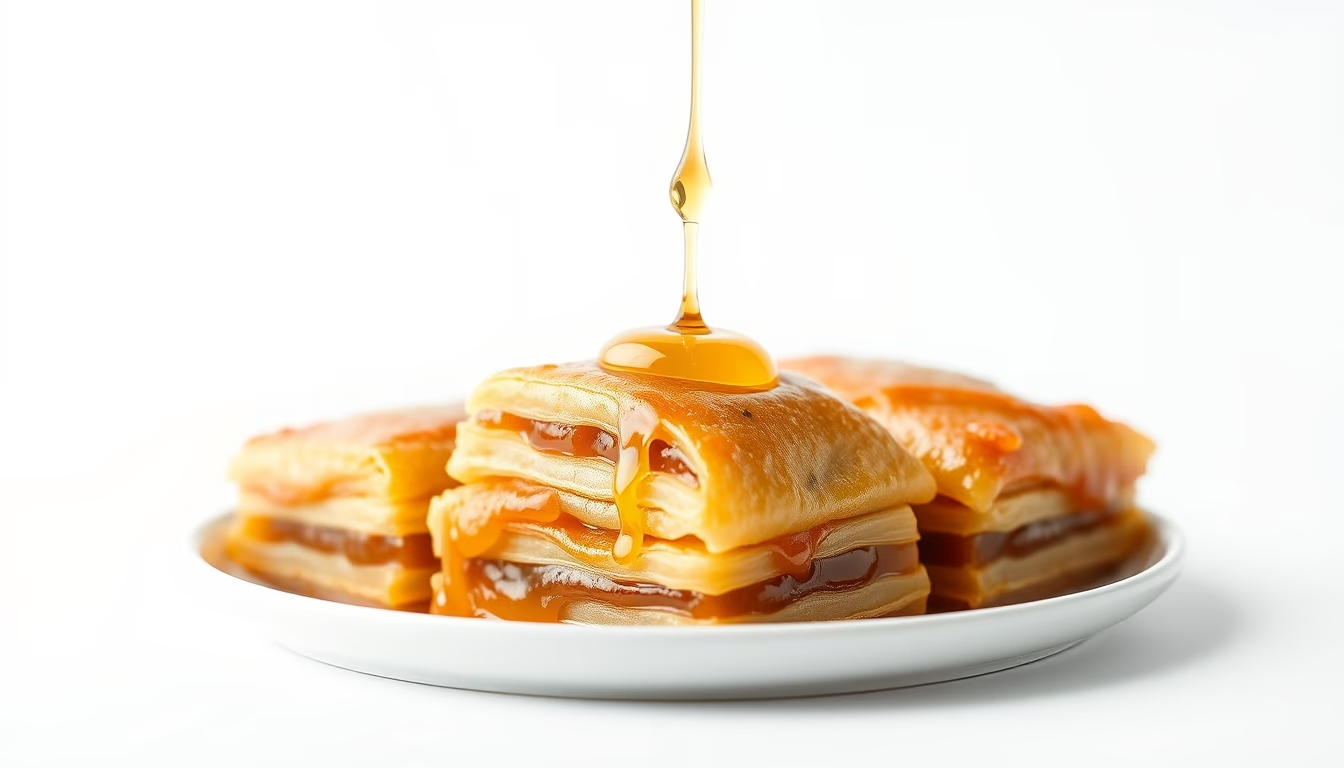
Manuka honey new zealand
1344×768 · AVIF · CC BY 4.0

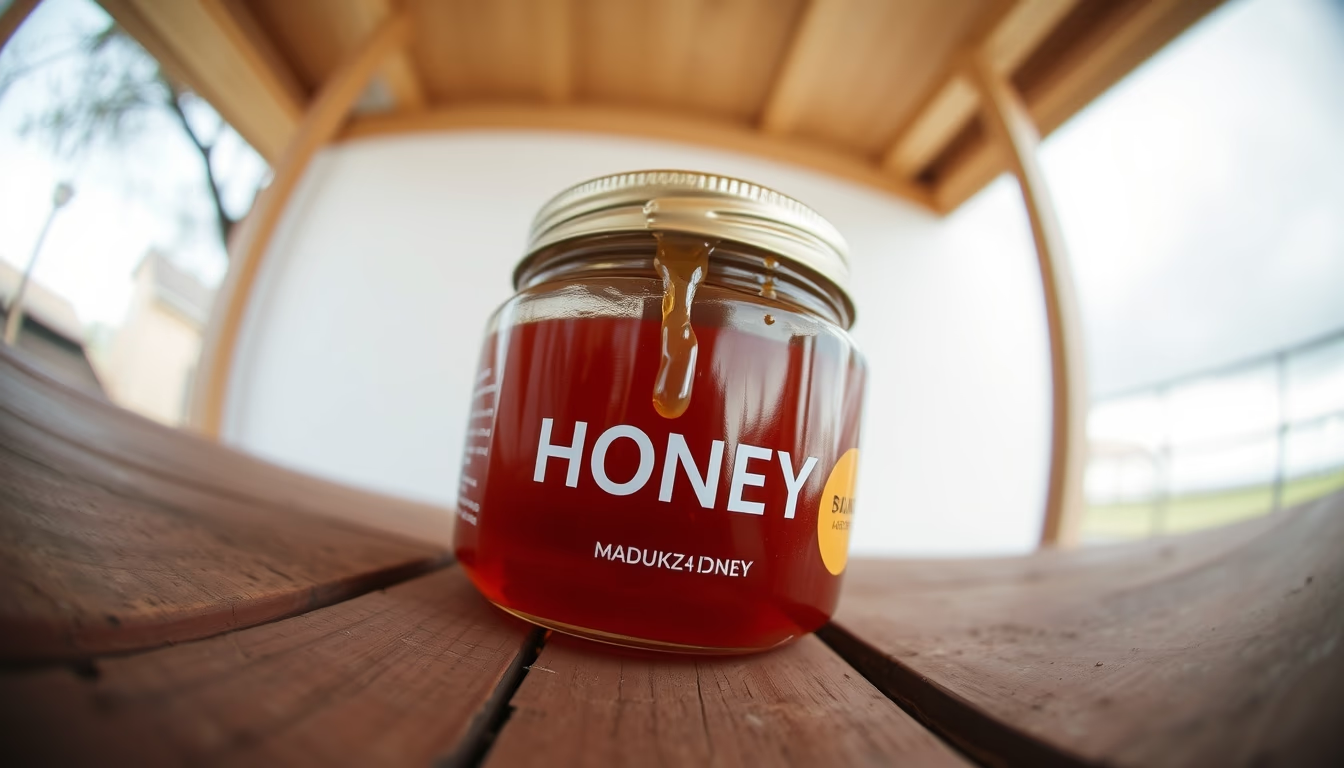
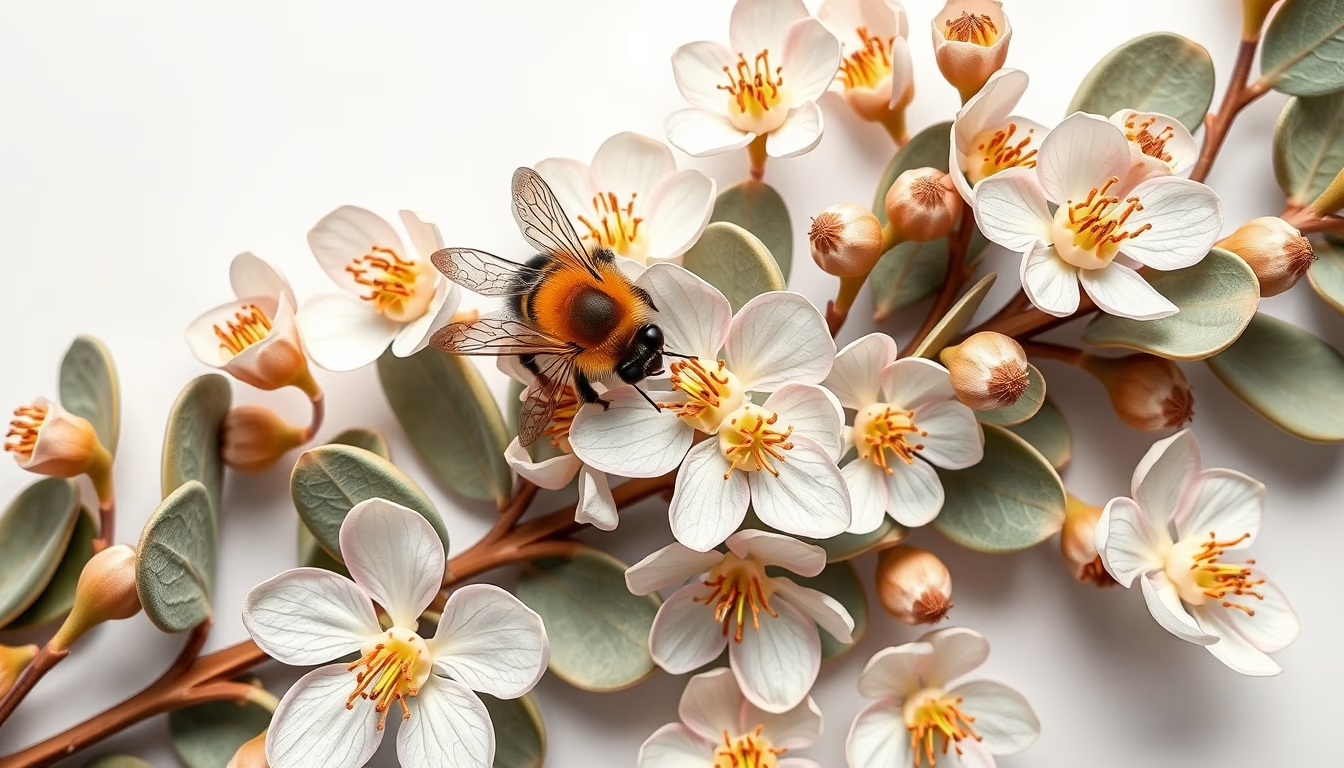
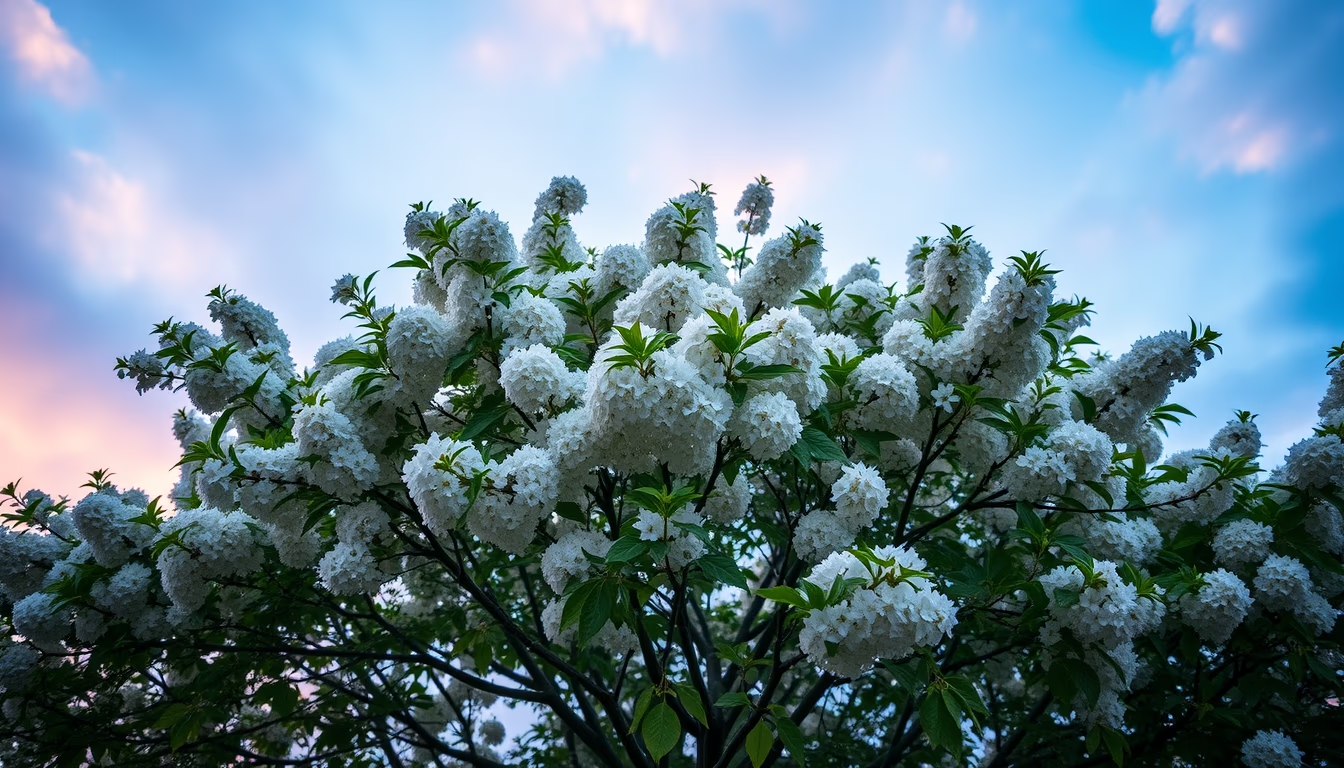
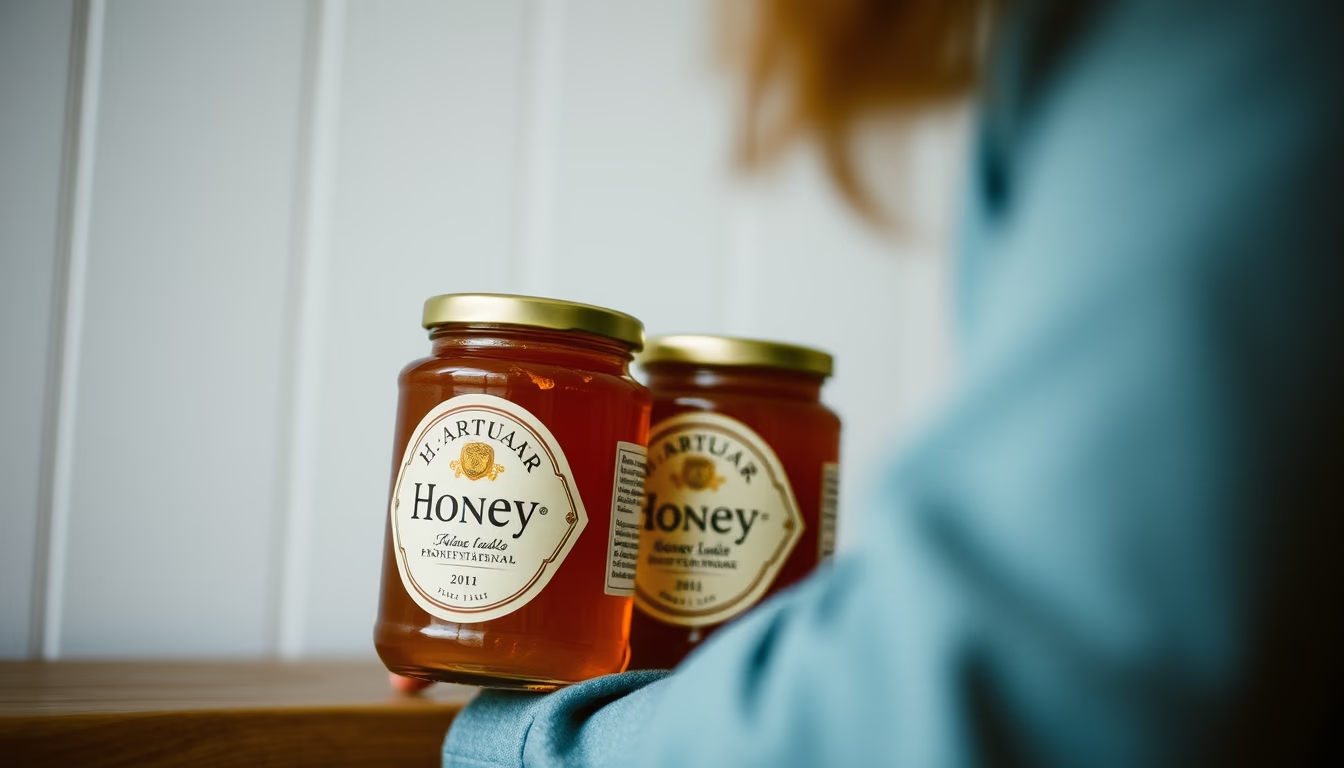
Manuka honey, produced from the nectar of the Manuka tree (Leptospermum scoparium) native to New Zealand, is prized for its unique antibacterial properties.
About this subject
Manuka honey is a type of monofloral honey produced from the nectar of the Manuka tree, scientifically known as Leptospermum scoparium. This plant is native to New Zealand and parts of Australia, but it is in New Zealand that Manuka honey gained worldwide fame due to its exceptional medicinal properties. The main compound responsible for these benefits is methylglyoxal (MGO), a derivative of dihydroxyacetone (DHA) found in the flower's nectar. The higher the MGO concentration, the stronger the antibacterial effect.
The production of Manuka honey is strictly controlled by quality standards such as UMF (Unique Manuka Factor) and MGO, which guarantee the product's authenticity and potency. Manuka honey is used both in cooking and natural medicine, being applied to wound treatment, sore throat relief, and immune system boosting. Scientific studies have demonstrated its effectiveness against antibiotic-resistant bacteria, such as methicillin-resistant Staphylococcus aureus (MRSA).
Culturally, Manuka honey holds special significance for the Māori people, who traditionally used the Manuka tree for medicinal purposes and as firewood. Today, the Manuka honey industry generates billions of dollars annually, attracting international attention and also fraud, leading New Zealand to implement rigorous authenticity testing. The climate and volcanic soil of New Zealand, especially on the North Island and regions like the Coromandel Peninsula and the Bay of Plenty, provide ideal conditions for Manuka growth.
Beyond its medicinal uses, Manuka honey is prized for its intense, earthy flavor with notes of caramel and herbs. Its thick texture and slow crystallization set it apart from other honeys. Due to high production costs and global demand, Manuka honey is one of the most expensive honeys in the world, costing tens of dollars per kilogram, especially high-UMF varieties.
Frequently Asked Questions
What does UMF stand for in Manuka honey?
UMF stands for Unique Manuka Factor, a grading system that measures the concentration of natural antibacterial compounds, mainly methylglyoxal (MGO). The higher the UMF, the greater the antibacterial potential.
Can Manuka honey be used on open wounds?
Yes, high-UMF Manuka honey is used topically in wound dressings due to its antibacterial properties and ability to promote healing. However, it is important to use medical-grade products and consult a healthcare professional.
What is the difference between Manuka honey and regular honey?
Manuka honey contains high levels of methylglyoxal (MGO), a compound with potent antibacterial activity, while most regular honeys have low MGO. Additionally, Manuka honey is more expensive and has a distinct flavor and texture.
Direct URL
https://pub-c7d6a6ea828543ac903a74a341ccb2e1.r2.dev/imagens/manuka-honey-new-zealand-architectural-photography-fresh12.avifHow to credit
Include a visible link back to UtilizAí. Copy one of the snippets below:
<a href="https://xn--utiliza-eza.com/en/midia/imagens/manuka-honey-new-zealand-architectural-photography-fresh12">Manuka honey new zealand</a> by <a href="https://xn--utiliza-eza.com">UtilizAí</a>, licensed under <a href="https://creativecommons.org/licenses/by/4.0/">CC BY 4.0</a>.
[Manuka honey new zealand](https://xn--utiliza-eza.com/en/midia/imagens/manuka-honey-new-zealand-architectural-photography-fresh12) by [UtilizAí](https://xn--utiliza-eza.com), CC BY 4.0
License: CC-BY-4.0