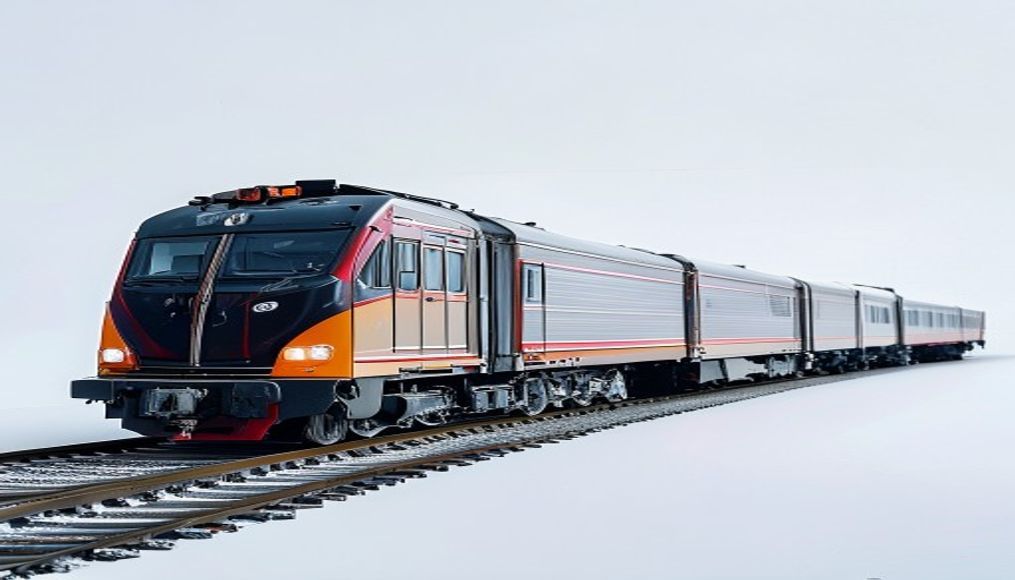
Maglev train tokyo
1344×768 · AVIF · CC BY 4.0
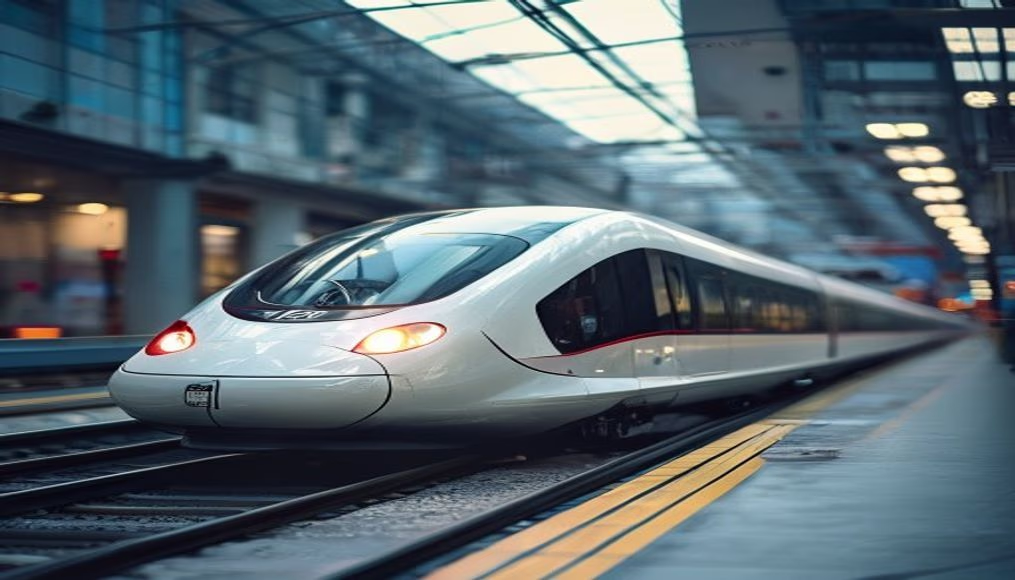
Japan's maglev train, which uses magnetic levitation to achieve speeds over 500 km/h, represents the future of high-speed rail transportation in Japan.
About this subject
Japan's maglev (magnetic levitation) train is one of the most impressive technological advancements in rail transportation. Developed by Central Japan Railway Company (JR Central), the system uses superconducting magnets to levitate and propel the train, eliminating friction with the tracks. This allows commercial speeds exceeding 500 km/h, with a world record of 603 km/h set on April 21, 2015, during tests on the Yamanashi test track.
Currently, JR Central is constructing the Chuo Shinkansen Line, which will connect Tokyo to Nagoya and later to Osaka. The first section, between Tokyo and Nagoya, is scheduled to open in 2027, reducing travel time from about 1 hour 40 minutes to just 40 minutes. The project faces challenges such as high construction costs (estimated over 9 trillion yen) and the need for tunnels in mountainous regions.
Maglev technology differs from conventional high-speed trains (like the Shinkansen) by not using wheels. This results in less mechanical wear, lower external noise, and greater energy efficiency at high speeds. The Japanese system, called SCMaglev (Superconducting Maglev), uses superconducting coils cooled with liquid helium to generate extremely strong magnetic fields.
Besides Japan, other countries like China and Germany have developed maglev systems. The German Transrapid has been operating commercially in Shanghai since 2004, reaching 430 km/h. However, the Japanese project aims for even higher speeds and better integration with the existing rail network. The Chuo Shinkansen Line will primarily use tunnels and viaducts to minimize environmental impact.
Frequently Asked Questions
What is the top speed of the Japanese maglev train?
The Japanese maglev train set a world record of 603 km/h during testing. In commercial operation, it is expected to run at up to 505 km/h.
When will the Tokyo-Nagoya maglev line open?
The section between Tokyo and Nagoya is scheduled to begin operation in 2027, with an extension to Osaka planned for 2037.
How does the magnetic levitation of the Japanese maglev work?
The SCMaglev system uses superconducting magnets in the tracks and on the train, which generate magnetic fields to lift and propel the vehicle. The magnets are cooled with liquid helium to -269°C to achieve superconductivity.
Direct URL
https://pub-c7d6a6ea828543ac903a74a341ccb2e1.r2.dev/imagens/maglev-train-tokyo-studio-editorial-portrait-p2.avifHow to credit
Include a visible link back to UtilizAí. Copy one of the snippets below:
<a href="https://xn--utiliza-eza.com/en/midia/imagens/maglev-train-tokyo-studio-editorial-portrait-p2">Maglev train tokyo</a> by <a href="https://xn--utiliza-eza.com">UtilizAí</a>, licensed under <a href="https://creativecommons.org/licenses/by/4.0/">CC BY 4.0</a>.
[Maglev train tokyo](https://xn--utiliza-eza.com/en/midia/imagens/maglev-train-tokyo-studio-editorial-portrait-p2) by [UtilizAí](https://xn--utiliza-eza.com), CC BY 4.0
License: CC-BY-4.0