Lion mane mushroom
1344×768 · AVIF · CC BY 4.0
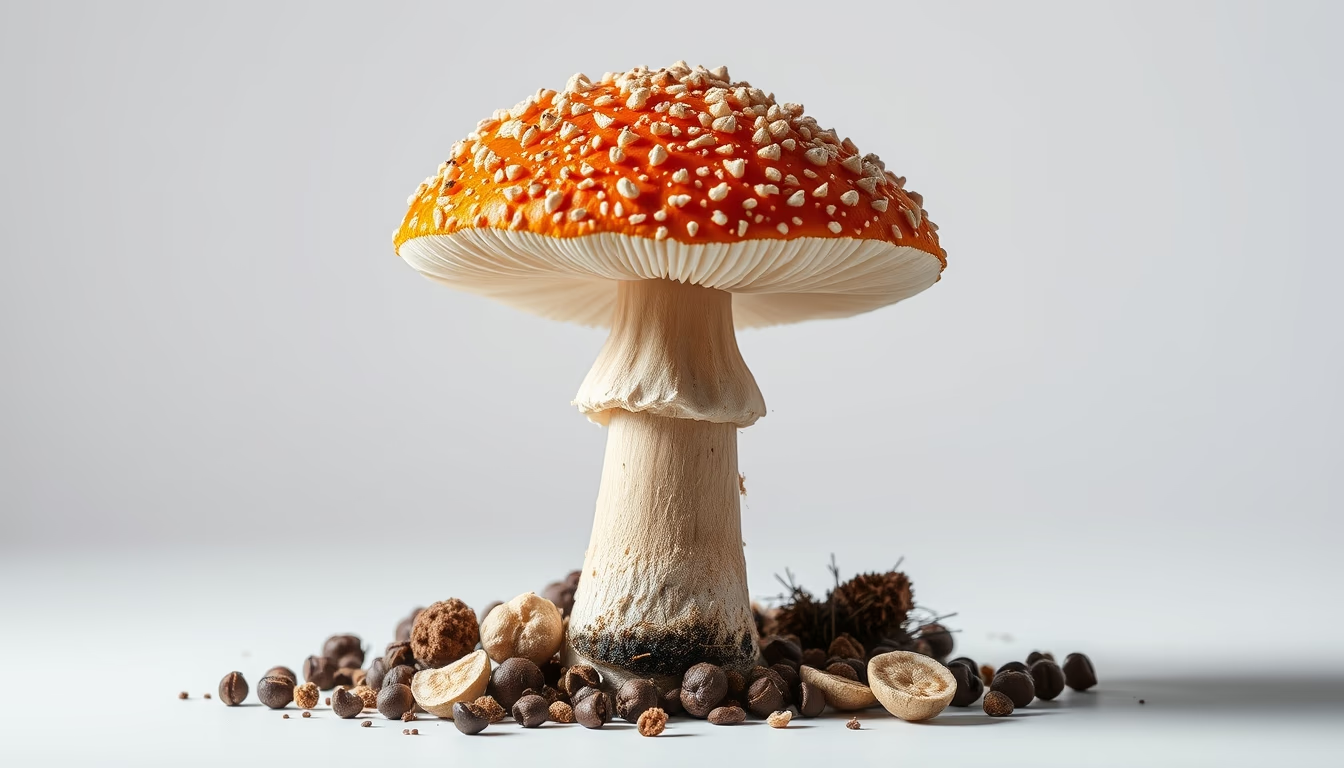
Lion's mane mushroom (Hericium erinaceus) is an edible and medicinal fungus prized for its cognitive benefits and distinctive appearance.
About this subject
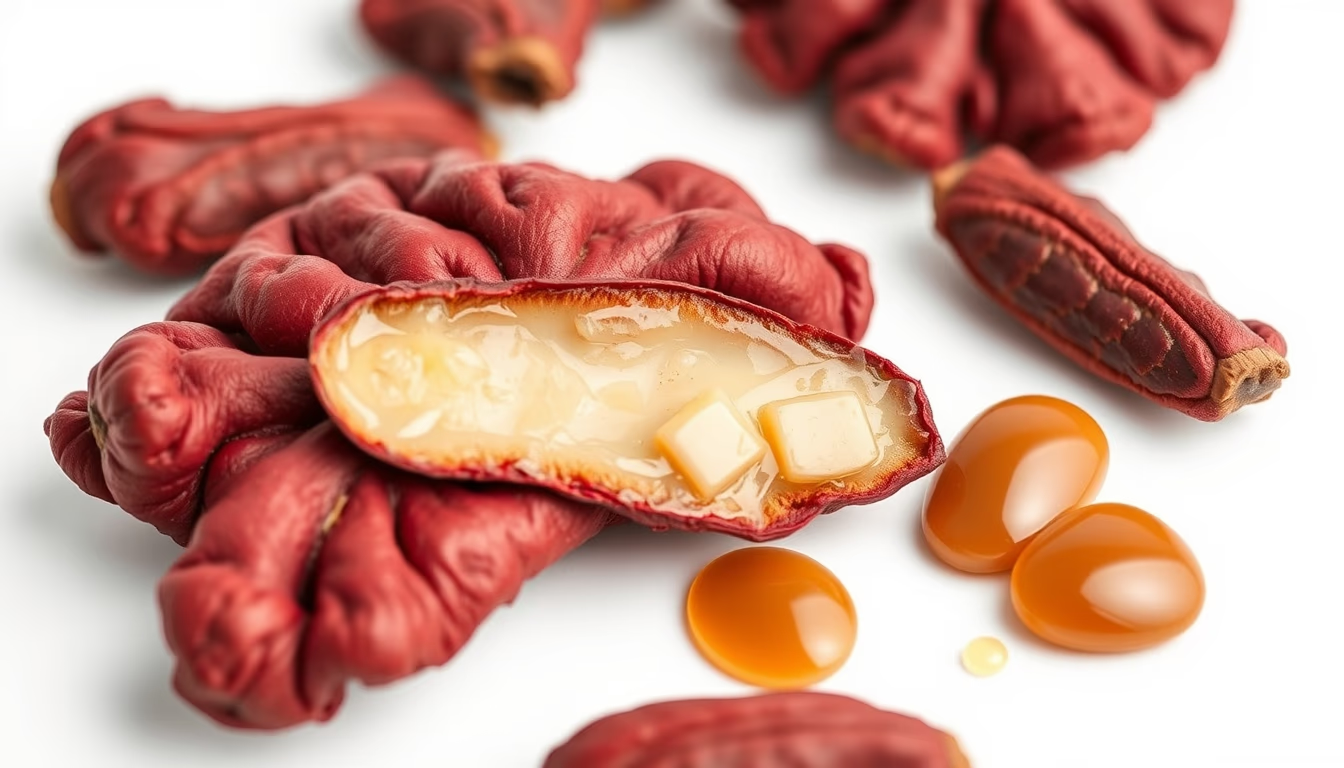
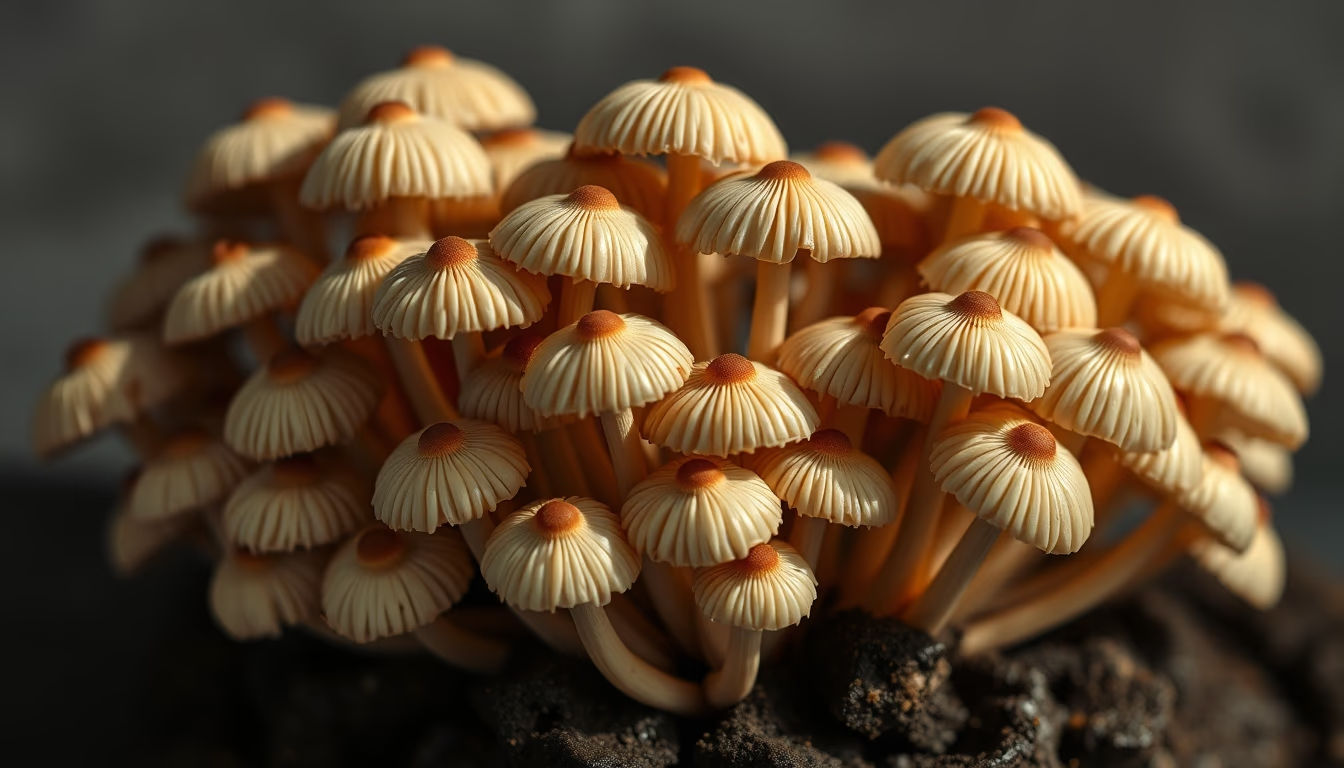
Lion's mane mushroom (Hericium erinaceus), also known as monkey head mushroom or yamabushitake, belongs to the tooth fungus group. Its most striking feature is the cascade of long, icicle-like spines that form a shaggy white globe, reminiscent of a lion's mane. Native to North America, Europe, and Asia, this fungus grows primarily on dead or dying hardwood trees such as oaks and beeches. In cuisine, its flavor resembles seafood, especially lobster or crab, and its texture becomes fibrous when cooked, making it a popular vegan substitute for shellfish.
Scientific research has identified bioactive compounds called erinacines and hericenones in lion's mane, which stimulate the production of nerve growth factor (NGF). This property has shown promise for brain health, potentially aiding in the prevention of cognitive decline, dementia, and peripheral nerve regeneration. The mushroom also exhibits anti-inflammatory, antioxidant, and immune-modulating effects.
Commercial cultivation of lion's mane has expanded globally, particularly in Japan, China, and the United States. It is typically grown on substrates like sawdust supplemented with rice or wheat bran. Due to its beauty and rarity in the wild, it is also prized by mycologists and nature photographers. In traditional Chinese medicine, it has been used for centuries to strengthen the spleen, nourish qi, and improve digestive function.
Frequently Asked Questions
How can you identify lion's mane mushroom in the wild?
It forms a white, roundish mass with long, soft spines resembling a sea urchin. It grows on dead hardwood trees, especially oaks, usually in late summer and fall. It has no distinct stem.
What are the main health benefits of lion's mane?
Research suggests it stimulates nerve growth factor (NGF) production, aiding neuron regeneration. It also has anti-inflammatory and antioxidant properties, linked to improved memory and focus.
Can lion's mane mushroom be eaten raw?
It is not recommended raw due to tough texture and potential digestive issues. Cooking enhances its seafood-like flavor and improves texture. Sautéing in butter or oil until golden is common.
Direct URL
https://pub-c7d6a6ea828543ac903a74a341ccb2e1.r2.dev/imagens/lion-mane-mushroom-studio-still-life-p3.avifHow to credit
Include a visible link back to UtilizAí. Copy one of the snippets below:
<a href="https://xn--utiliza-eza.com/en/midia/imagens/lion-mane-mushroom-studio-still-life-p3">Lion mane mushroom</a> by <a href="https://xn--utiliza-eza.com">UtilizAí</a>, licensed under <a href="https://creativecommons.org/licenses/by/4.0/">CC BY 4.0</a>.
[Lion mane mushroom](https://xn--utiliza-eza.com/en/midia/imagens/lion-mane-mushroom-studio-still-life-p3) by [UtilizAí](https://xn--utiliza-eza.com), CC BY 4.0
License: CC-BY-4.0