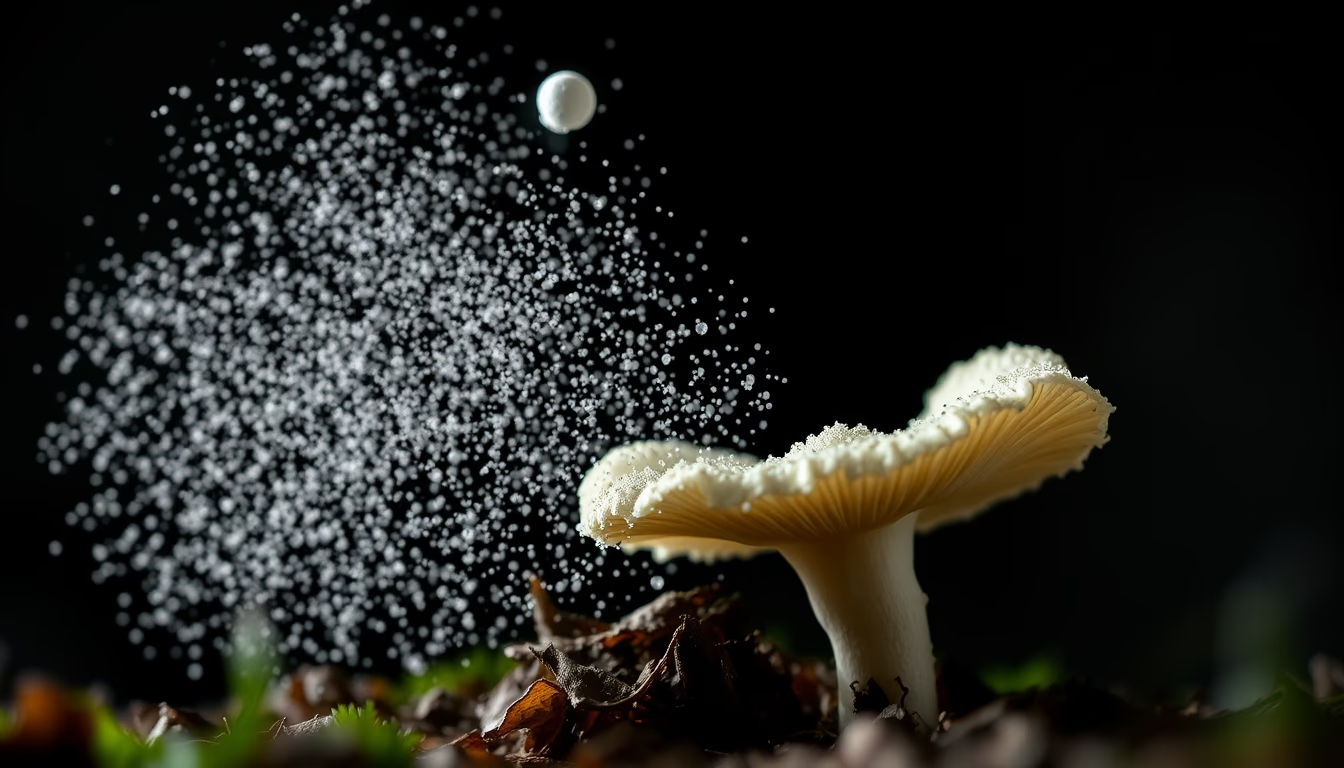
Lion mane mushroom
1344×768 · AVIF · CC BY 4.0

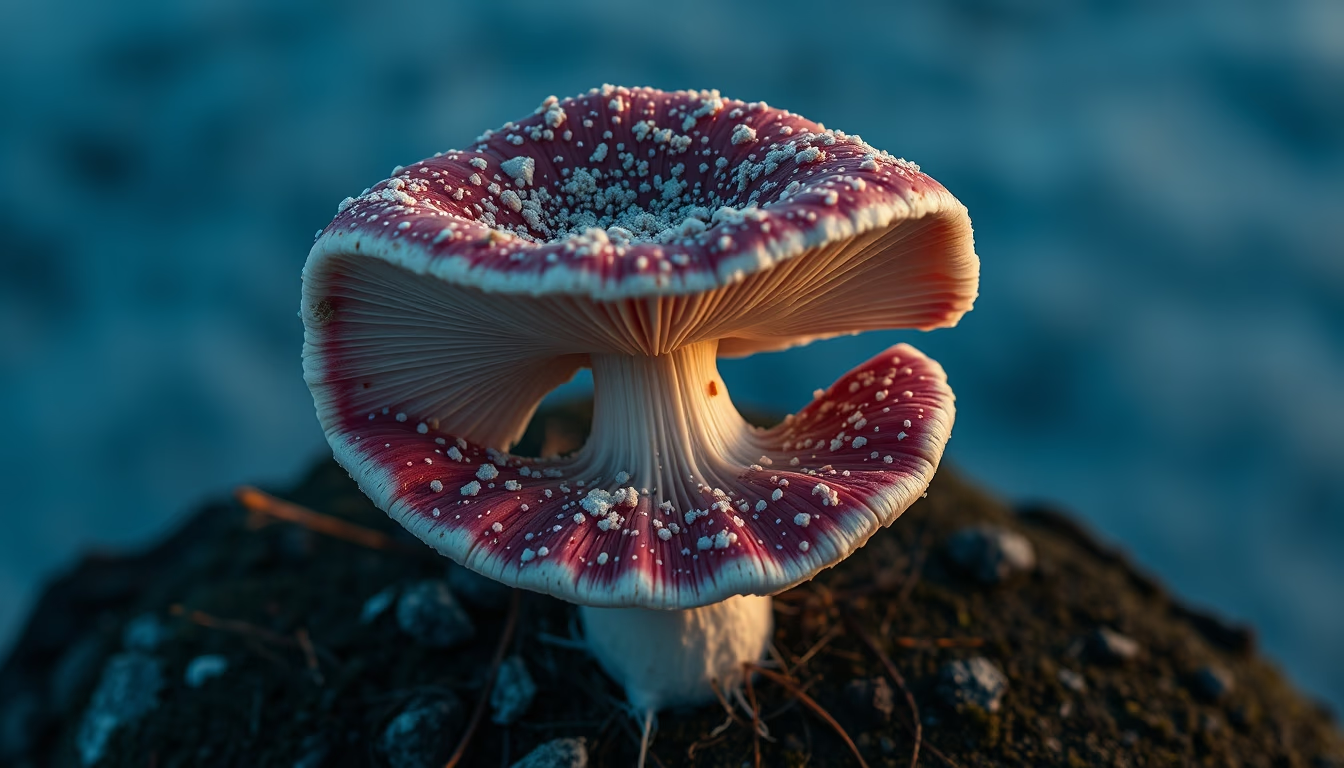
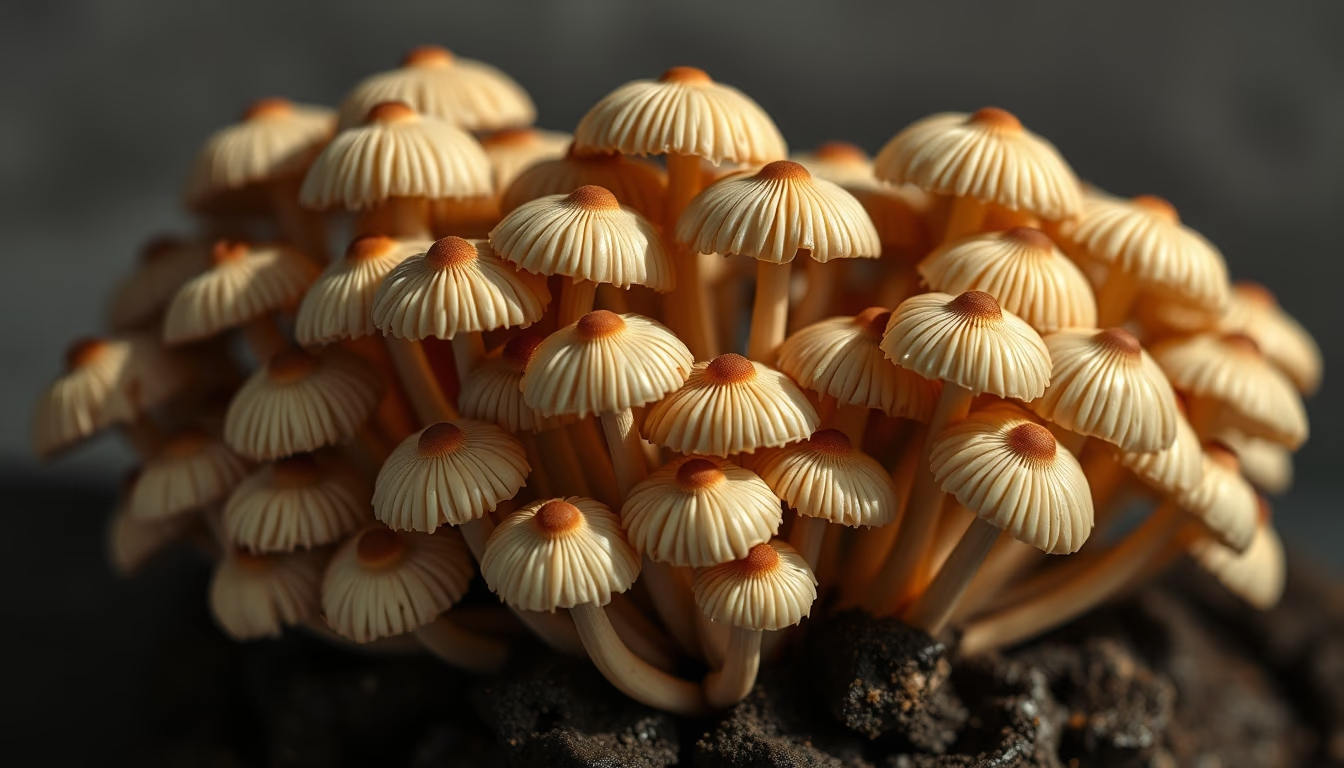
Lion's mane mushroom, Hericium erinaceus, is an edible fungus prized for its cognitive benefits and distinctive cascading spines.
About this subject
Lion's mane mushroom (Hericium erinaceus) is a saprophytic fungus that grows on dead hardwood trees, particularly oaks, beeches, and walnuts. Native to North America, Europe, and Asia, it is now widely cultivated worldwide due to its popularity in traditional Chinese medicine and gourmet cuisine. Its appearance resembles a lion's mane or a sea urchin, with long cascading white spines that can reach up to 30 centimeters in diameter.
Traditionally, lion's mane is used to improve gastrointestinal health and boost the immune system. Modern scientific studies indicate that the fungus contains bioactive compounds such as hericenones and erinacines, which can stimulate nerve growth factor (NGF) production, potentially aiding in neuronal regeneration. Preliminary research suggests cognitive benefits, including improved memory and concentration, and possible protective effects against neurodegenerative diseases like Alzheimer's and Parkinson's.
Culinarily, lion's mane is prized for its mild flavor and texture reminiscent of seafood, especially crab or lobster. It can be sautéed, grilled, fried, or used as a base for broths and soups. When dried, it is ground into powder for capsules or tea. Commercial cultivation is done on sawdust substrates or logs, with harvests every two to three weeks.
While generally safe, it is recommended to cook the mushroom thoroughly, as raw consumption may cause digestive discomfort in some individuals. No toxicity has been reported, but moderation is advised, and a healthcare professional should be consulted before using supplements. Lion's mane is available fresh, dried, or as an extract in health food stores and specialty markets.
Frequently Asked Questions
What are the health benefits of lion's mane mushroom?
Lion's mane is known to stimulate nerve growth factor (NGF), potentially improving memory, focus, and protecting against neurodegenerative diseases. It also supports digestive and immune health.
How can I consume lion's mane mushroom?
It can be eaten fresh in dishes like stir-fries, grilled, or soups. It is also available dried for tea or in capsules as a supplement. Always cook it before eating to avoid digestive discomfort.
Where can I buy lion's mane mushroom?
It is sold in health food stores, specialty mushroom markets, and online. It can be found fresh, dried, or as an extract. Ensure quality and sourcing from reputable producers.
Direct URL
https://pub-c7d6a6ea828543ac903a74a341ccb2e1.r2.dev/imagens/lion-mane-mushroom-studio-editorial-portrait-p10.avifHow to credit
Include a visible link back to UtilizAí. Copy one of the snippets below:
<a href="https://xn--utiliza-eza.com/en/midia/imagens/lion-mane-mushroom-studio-editorial-portrait-p10">Lion mane mushroom</a> by <a href="https://xn--utiliza-eza.com">UtilizAí</a>, licensed under <a href="https://creativecommons.org/licenses/by/4.0/">CC BY 4.0</a>.
[Lion mane mushroom](https://xn--utiliza-eza.com/en/midia/imagens/lion-mane-mushroom-studio-editorial-portrait-p10) by [UtilizAí](https://xn--utiliza-eza.com), CC BY 4.0
License: CC-BY-4.0