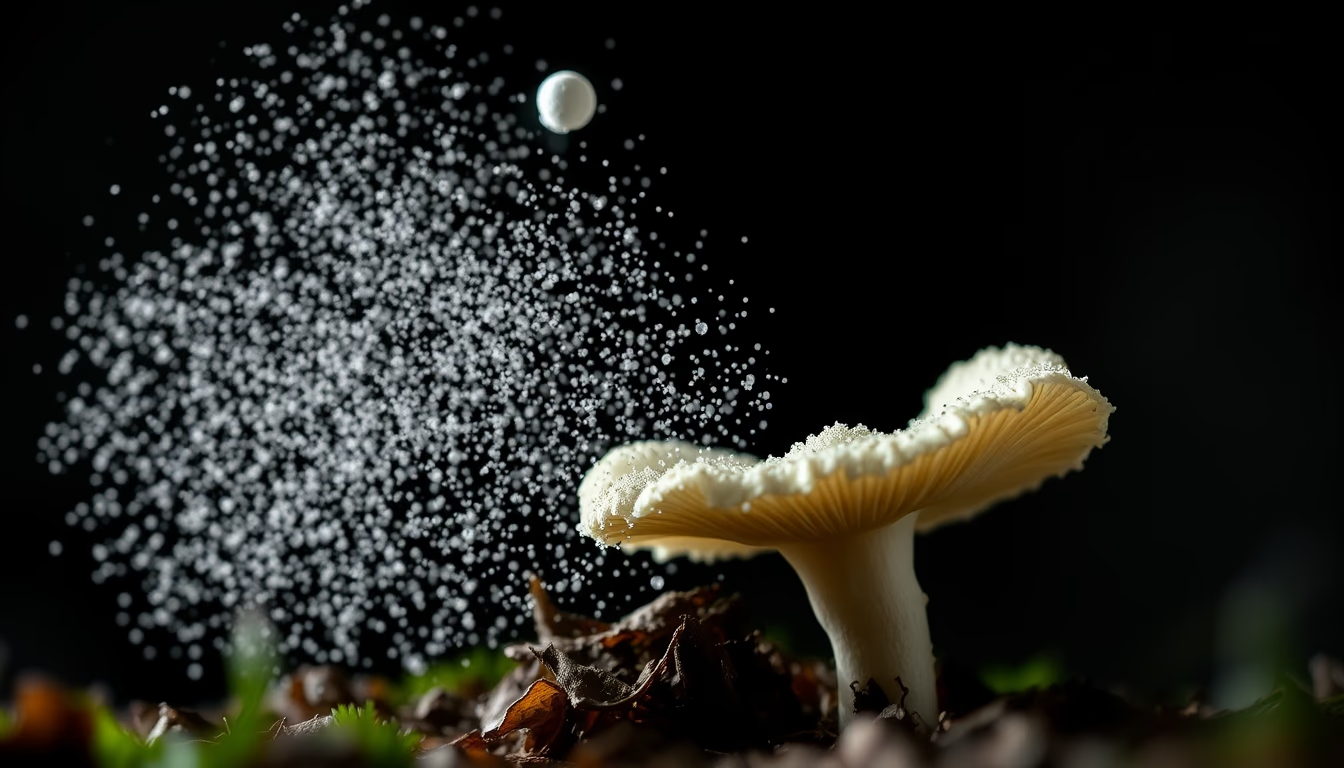
Lion mane mushroom
1344×768 · AVIF · CC BY 4.0

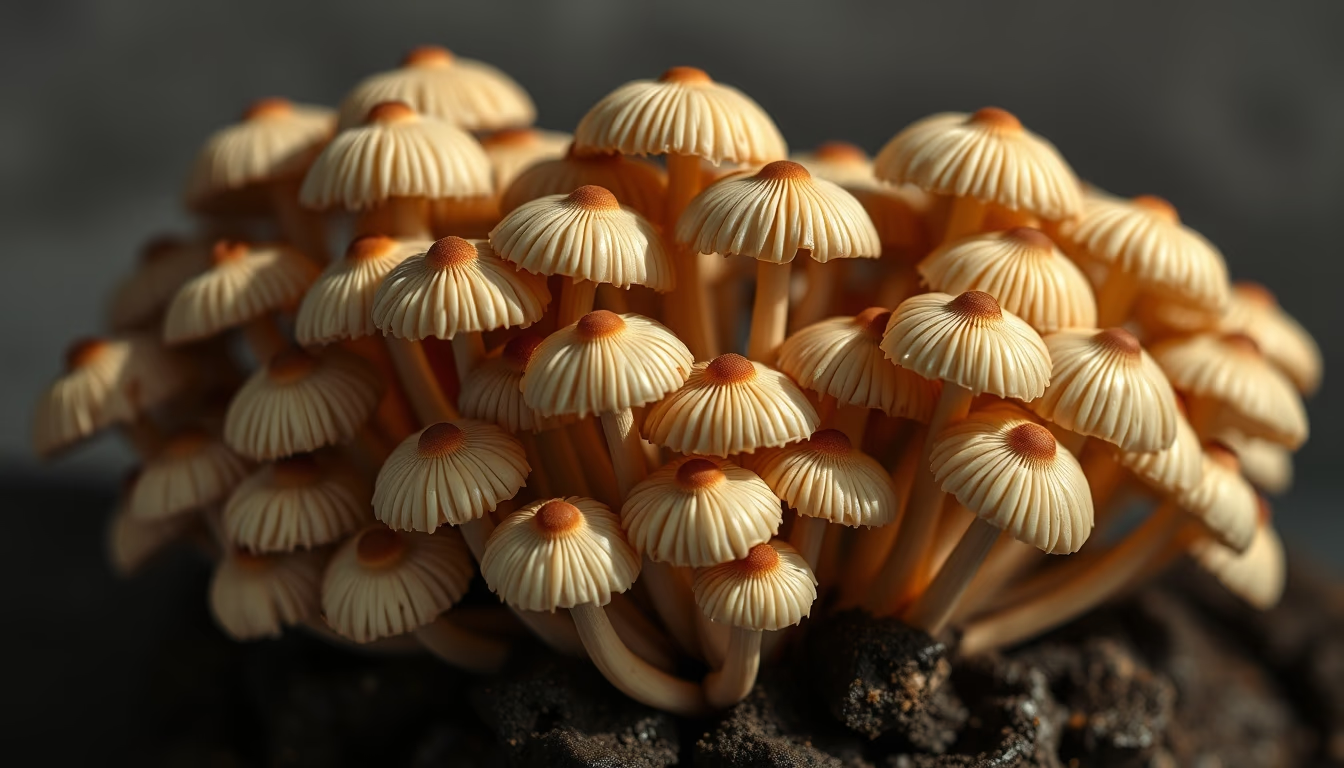
Lion's mane mushroom (Hericium erinaceus): an edible and medicinal fungus, known for its cascading spines and cognitive benefits.
About this subject
The lion's mane mushroom, scientifically named Hericium erinaceus, is a saprophytic fungus that grows on dead or dying hardwood trees, such as oak and beech, in temperate regions of the Northern Hemisphere, including North America, Europe, and Asia. Its unmistakable appearance resembles a lion's mane, with long, cascading spines that are white to cream in color. In culinary circles, it is prized for its mild flavor and texture reminiscent of seafood, often used in vegetarian and vegan dishes as a substitute for lobster or crab.
In traditional Chinese and Japanese medicine, lion's mane has been used for centuries to strengthen the spleen and stomach, and to promote gut health. Modern research suggests that its active compounds, such as erinacines and hericenones, stimulate the production of nerve growth factor (NGF), which may aid in neuron regeneration and cognitive improvement. Studies also indicate potential benefits for neurodegenerative diseases like Alzheimer's and Parkinson's, though more clinical trials are needed.
Beyond neurological health, the mushroom exhibits immunomodulatory, antioxidant, and anti-inflammatory properties. It can be consumed fresh, dried, or as a supplement, including capsules, extracts, or powders. Cultivation is expanding worldwide, including in Brazil, where specialized growers offer fresh or processed products. Although valued as a functional ingredient, consumers should purchase from reliable sources to ensure quality and purity.
Frequently Asked Questions
Is lion's mane mushroom safe for daily consumption?
Yes, it is generally considered safe for most people when consumed in recommended dietary or supplement amounts. However, individuals with allergies to fungi or specific health conditions should consult a healthcare professional.
How does lion's mane mushroom improve memory?
It contains erinacines and hericenones, which stimulate the production of nerve growth factor (NGF), promoting neuron health and potentially enhancing memory and focus.
What does lion's mane mushroom taste like?
It has a mild, slightly sweet flavor with a texture reminiscent of seafood like lobster or crab, making it popular in vegetarian dishes that aim to mimic that taste.
Direct URL
https://pub-c7d6a6ea828543ac903a74a341ccb2e1.r2.dev/imagens/lion-mane-mushroom-cinematic-wide-shot-p9.avifHow to credit
Include a visible link back to UtilizAí. Copy one of the snippets below:
<a href="https://xn--utiliza-eza.com/en/midia/imagens/lion-mane-mushroom-cinematic-wide-shot-p9">Lion mane mushroom</a> by <a href="https://xn--utiliza-eza.com">UtilizAí</a>, licensed under <a href="https://creativecommons.org/licenses/by/4.0/">CC BY 4.0</a>.
[Lion mane mushroom](https://xn--utiliza-eza.com/en/midia/imagens/lion-mane-mushroom-cinematic-wide-shot-p9) by [UtilizAí](https://xn--utiliza-eza.com), CC BY 4.0
License: CC-BY-4.0