Limestone karst
1344×768 · AVIF · CC BY 4.0
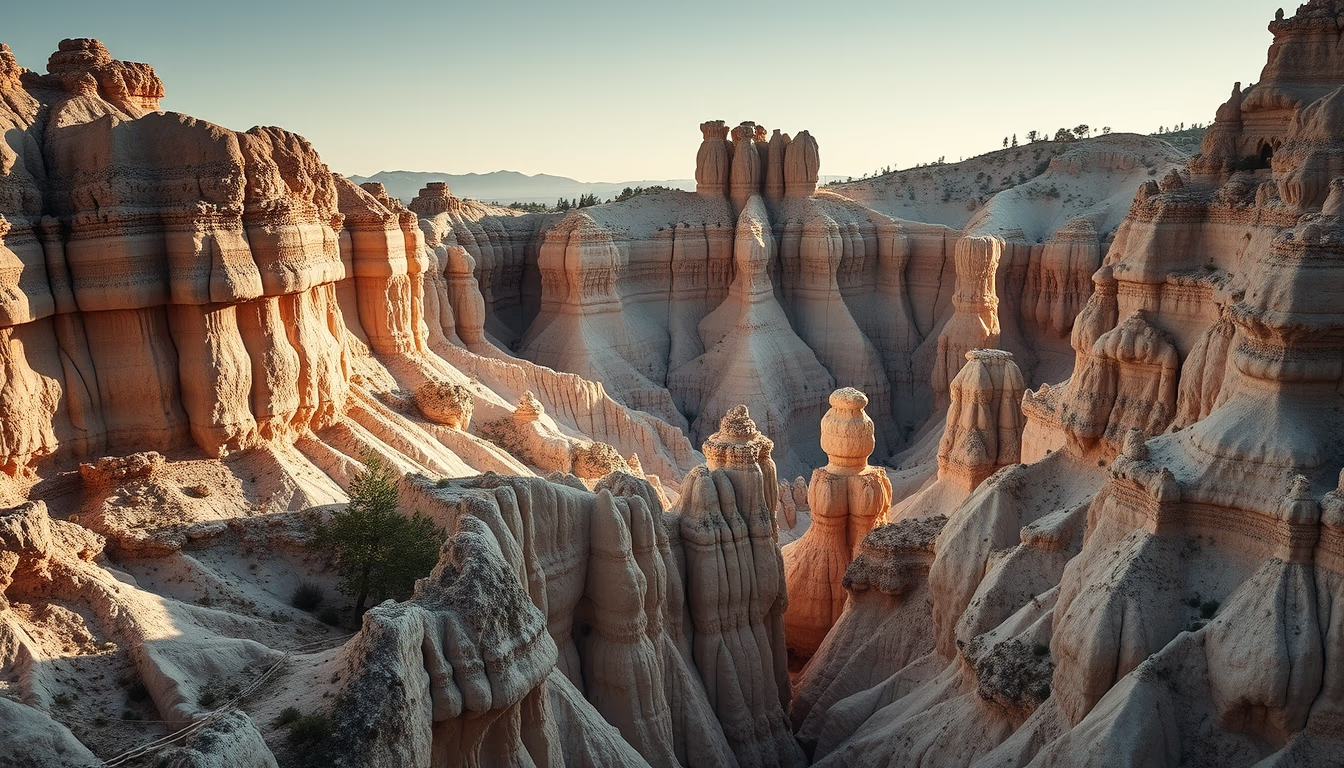
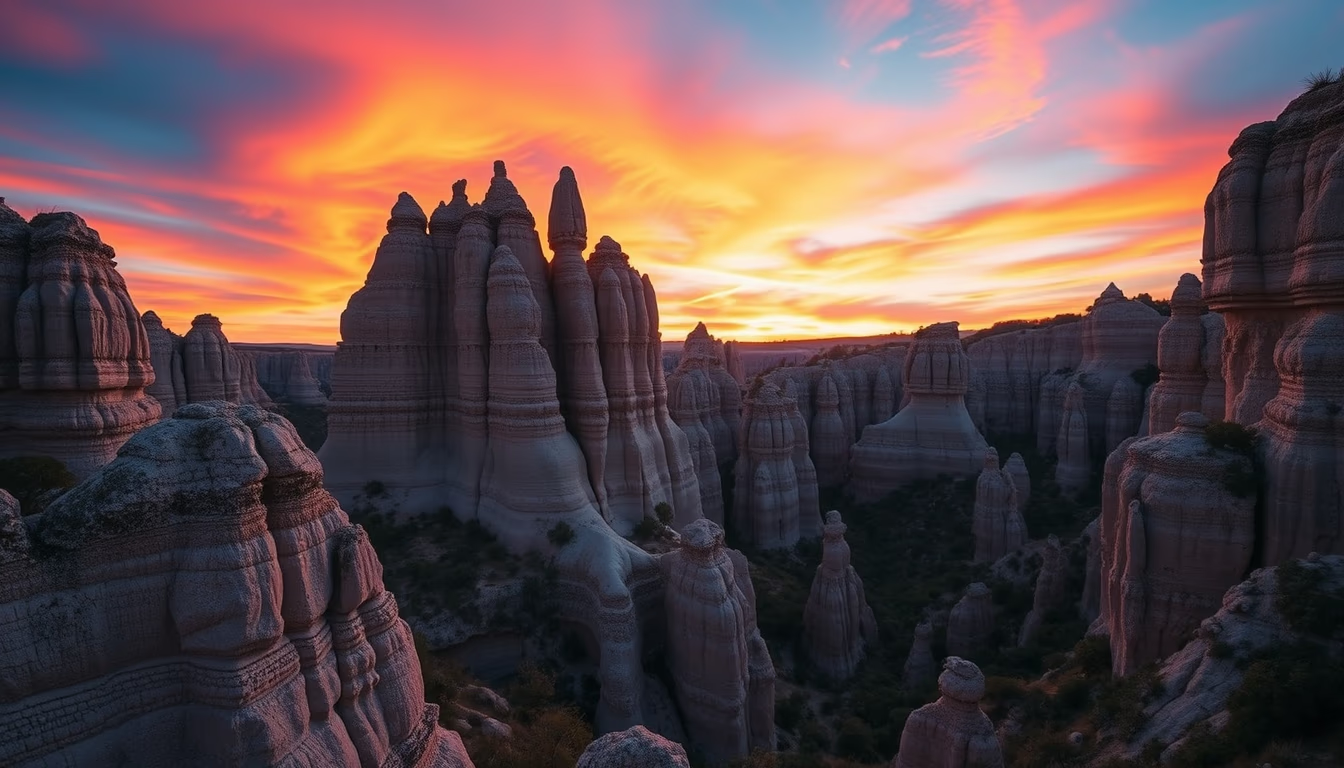
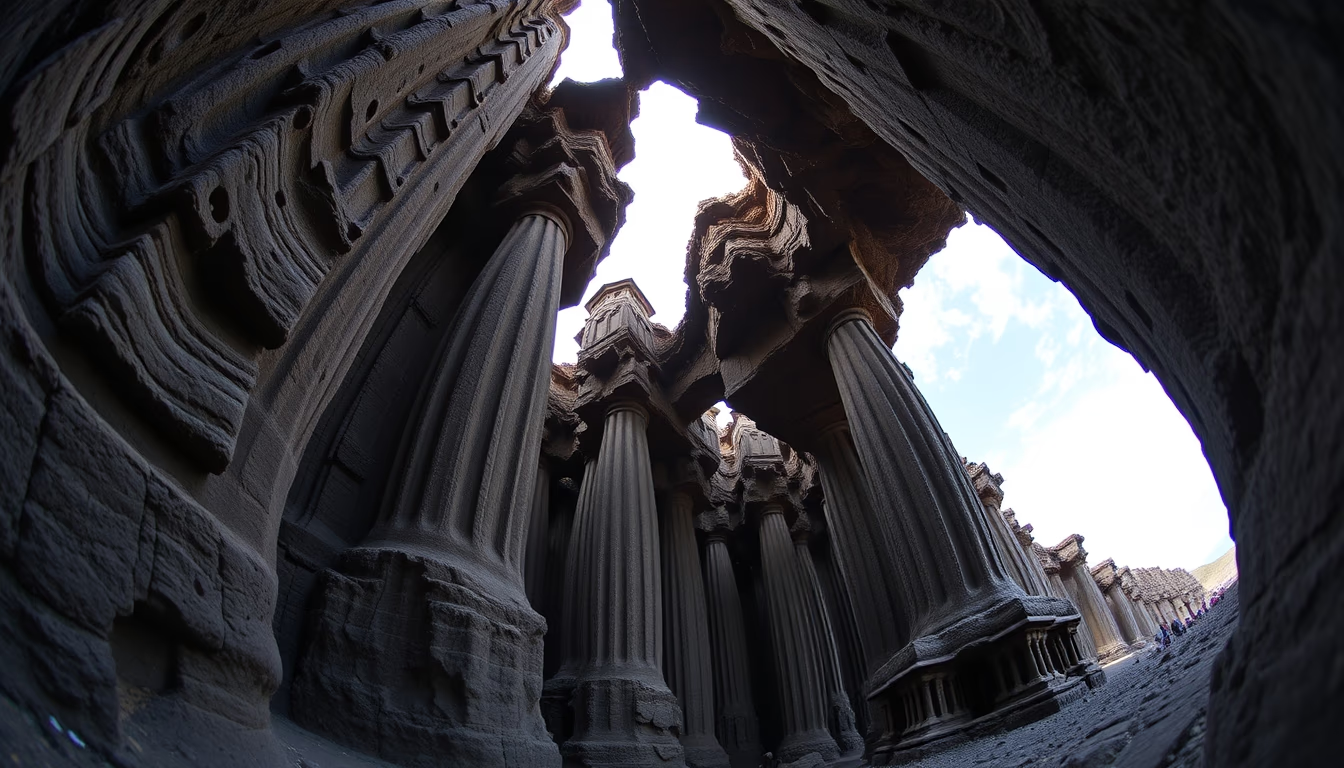
Limestone karst landscapes are sculpted by chemical dissolution over millennia, creating unique surface features and extensive underground ecosystems.
About this subject
Limestone karst landscapes are shaped by the dissolution of soluble rocks, primarily limestone and dolomite, by slightly acidic water. The process, known as karstification, begins when rainwater absorbs carbon dioxide from the atmosphere and soil, forming carbonic acid that attacks calcium carbonate. Over thousands to millions of years, water dissolves the rock, creating features such as sinkholes, disappearing streams, caves, underground rivers, and towering limestone pinnacles.
Notable examples in Brazil include the Serra da Bodoquena in Mato Grosso do Sul, with its crystal-clear rivers and caves, and the Peruaçu Caves National Park in Minas Gerais, which shelters ancient rock art and rich biodiversity. Globally, Guilin in China is famous for its cone-shaped karst peaks that have inspired classical Chinese painting, while the Yucatán Peninsula in Mexico is renowned for cenotes, natural sinkholes formed by collapsed cave ceilings.
Beyond scenic and tourism value, karst systems are critical for hydrology: they act as aquifers that supply springs and wells. However, they are highly vulnerable to pollution because water percolates rapidly through fissures without filtering contaminants. The associated fauna includes species adapted to complete darkness, such as blind fish and bats that rely on caves for shelter and reproduction.
Frequently Asked Questions
How does a limestone karst form?
Limestone karst forms by the chemical dissolution of carbonate rocks like limestone and dolomite by water containing carbon dioxide. This slow process, over thousands of years, creates caves, sinkholes, and other characteristic features.
Where can I find karst landscapes in Brazil?
In Brazil, notable areas include Serra da Bodoquena (MS) and Peruaçu Caves National Park (MG). Other regions are Chapada Diamantina (BA) and Sete Lagoas (MG).
What is the ecological importance of karst systems?
Karst systems act as aquifers supplying water to springs and rivers. Their caves host unique fauna, such as bats and blind fish, but they are fragile ecosystems sensitive to pollution.
Direct URL
https://pub-c7d6a6ea828543ac903a74a341ccb2e1.r2.dev/imagens/limestone-karst-magazine-editorial-fresh10.avifHow to credit
Include a visible link back to UtilizAí. Copy one of the snippets below:
<a href="https://xn--utiliza-eza.com/en/midia/imagens/limestone-karst-magazine-editorial-fresh10">Limestone karst</a> by <a href="https://xn--utiliza-eza.com">UtilizAí</a>, licensed under <a href="https://creativecommons.org/licenses/by/4.0/">CC BY 4.0</a>.
[Limestone karst](https://xn--utiliza-eza.com/en/midia/imagens/limestone-karst-magazine-editorial-fresh10) by [UtilizAí](https://xn--utiliza-eza.com), CC BY 4.0
License: CC-BY-4.0