Limestone karst
1344×768 · AVIF · CC BY 4.0
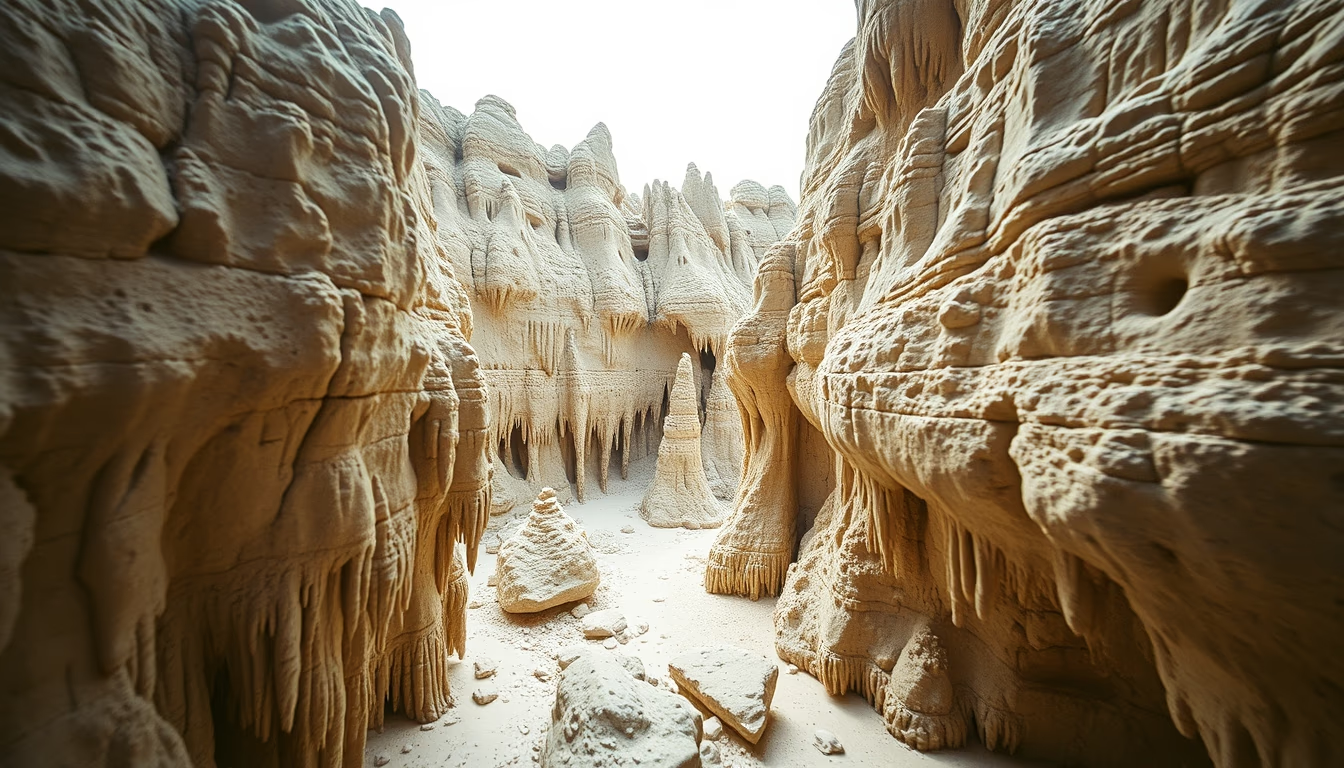
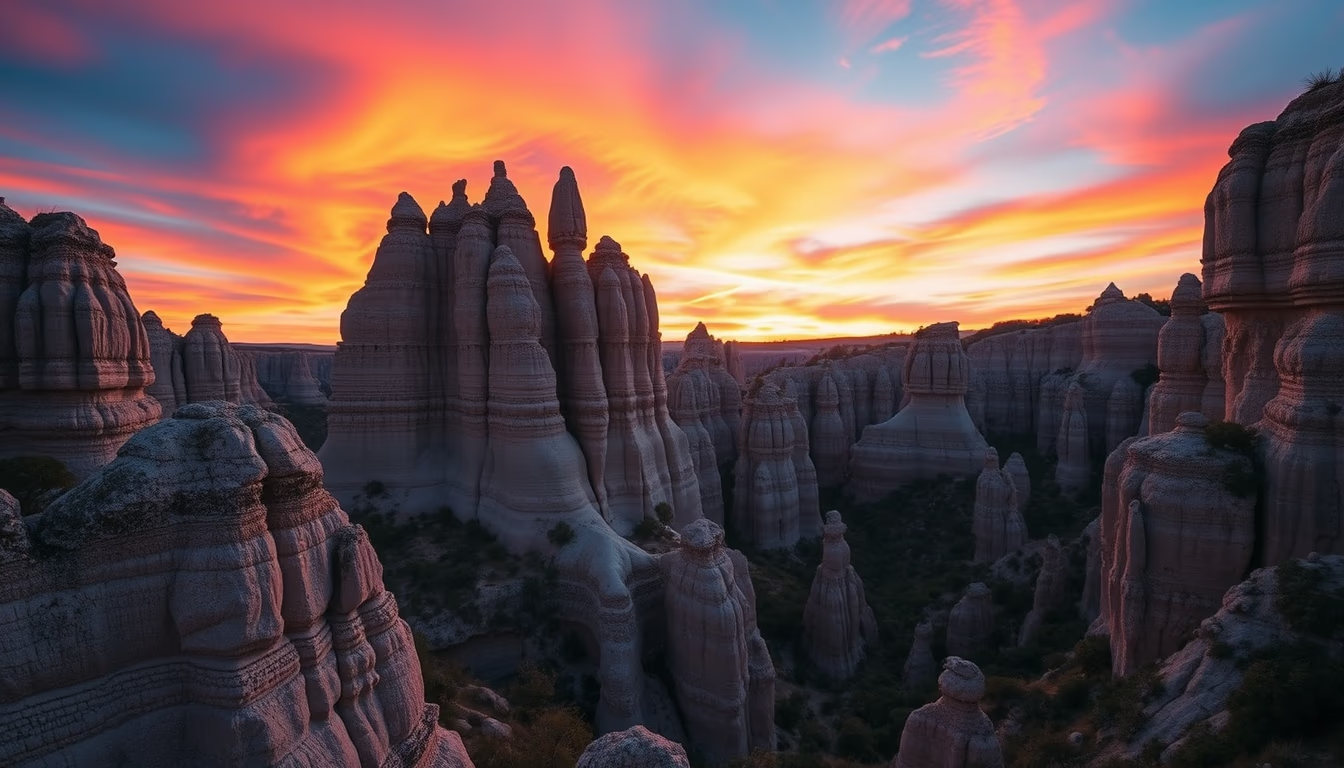
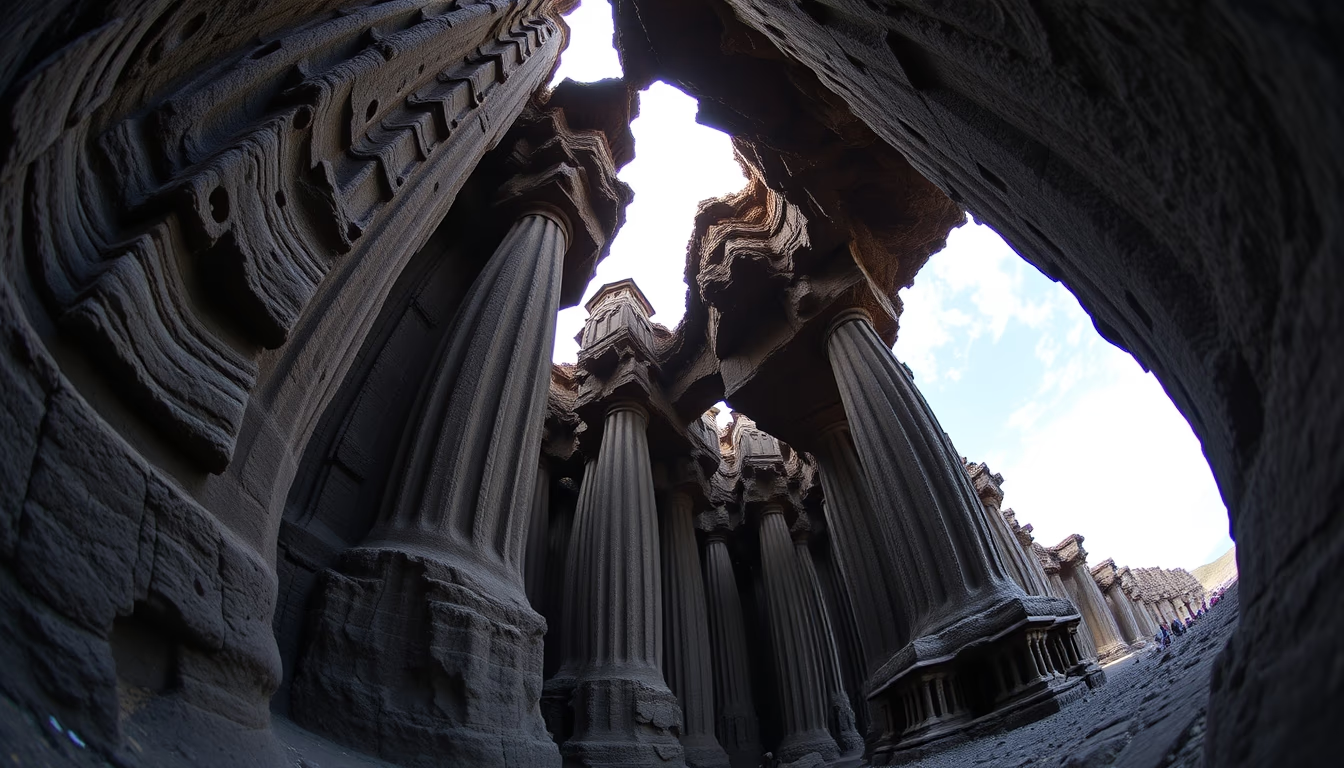
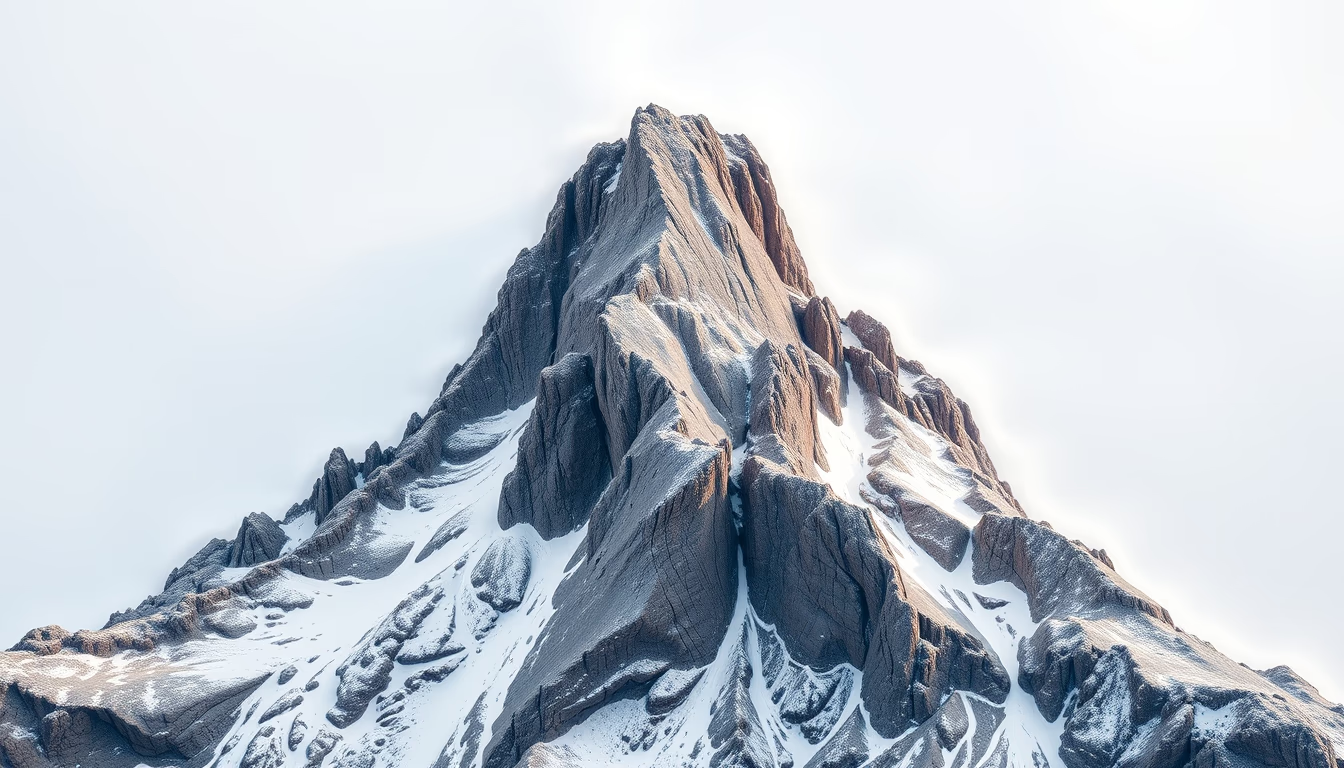
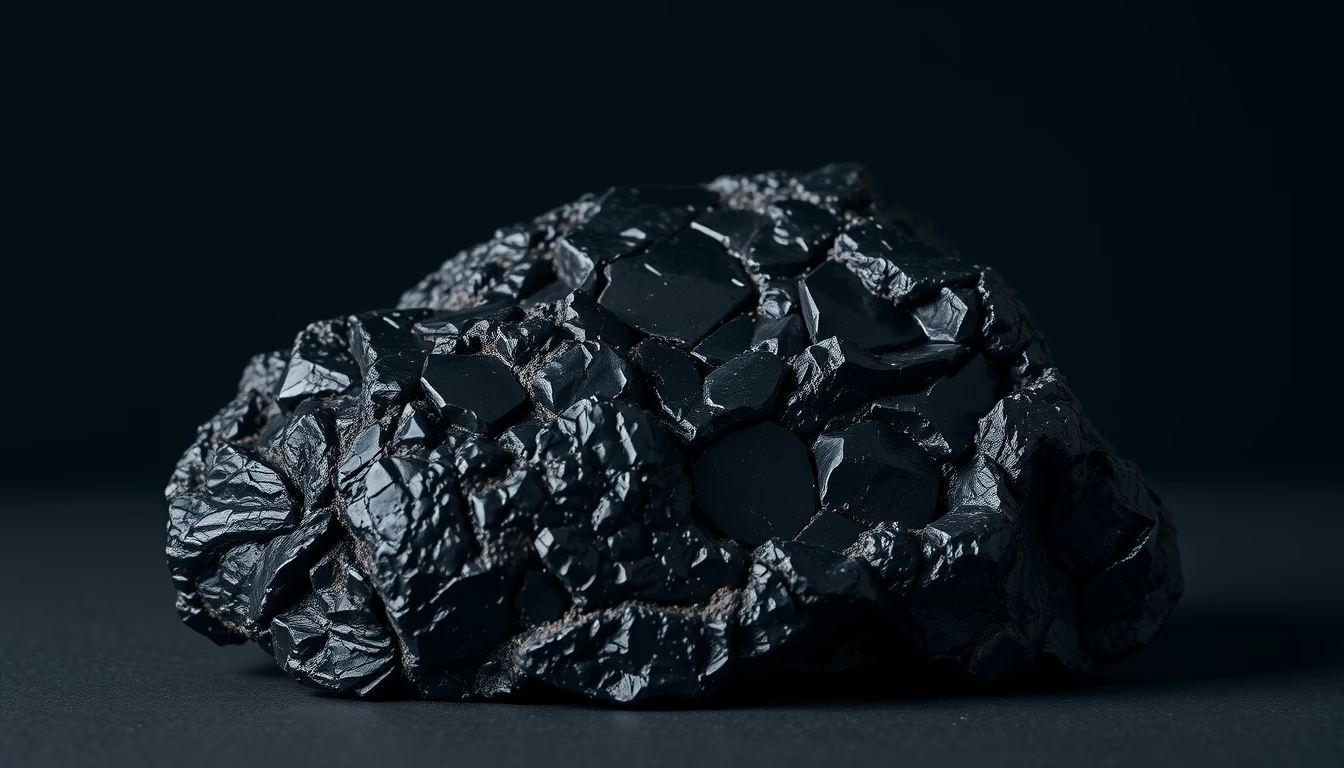
Limestone rock formations sculpted by water over millennia, creating karst landscapes with caves, sinkholes, and towers.
About this subject
Limestone karst is a landscape formed by the dissolution of carbonate rocks, primarily limestone and dolomite, by slightly acidic rainwater. This chemical process, enhanced by atmospheric and soil carbon dioxide, creates features such as lapies, sinkholes, caves, and limestone towers. Globally, these formations dominate regions like southern China, Vietnam, the Yucatán Peninsula, and the Central Plateau of Brazil. Notable Brazilian examples include Chapada Diamantina in Bahia and Ibitipoca State Park in Minas Gerais, where Precambrian limestone outcrops generate spectacular relief with swallets and underground rivers.
Karst formation depends on factors such as climate, vegetation, and tectonics. In humid tropical regions, dissolution is accelerated, producing steep towers and cones, while in temperate climates the relief tends to be smoother. Infiltrating water creates underground drainage systems, often with caves adorned by speleothems like stalactites and stalagmites. The geological time needed to sculpt these landscapes ranges from hundreds of thousands to millions of years, depending on limestone purity and local rainfall.
Beyond scenic value, karst environments host unique ecosystems, with endemic fauna adapted to cave darkness, such as blind fish and crustaceans. They also function as important aquifers, supplying water to millions of people. However, the fragility of these systems makes them vulnerable to pollution and mining, which can compromise water quality and ground stability. UNESCO recognizes several karst sites as World Heritage, such as Phong Nha-Ke Bang National Park in Vietnam and Jiuzhaigou National Park in China.
In Brazil, karst occurs mainly in the São Francisco and Paraná river basins, notably in the Bambuí and Açungui groups. The town of Lagoa Santa in Minas Gerais is a cradle of paleontology, with human fossils and megafauna found in its caves. Adventure caving and hiking through karst landscapes are significant economic activities but require sustainable management to avoid degradation. Understanding the genesis of these formations helps appreciate both geological history and conservation importance.
Frequently Asked Questions
What is limestone karst?
Limestone karst is a landscape formed by the dissolution of carbonate rocks like limestone and dolomite by acidic rainwater. It creates features such as caves, sinkholes, and rock towers.
Where are karst formations found in Brazil?
In Brazil, notable karst areas include Chapada Diamantina (BA), Ibitipoca State Park (MG), the Lagoa Santa region (MG), and the Vale do Ribeira (SP/PR), all with pronounced karst relief.
Why are karst ecosystems important?
Karst aquifers supply freshwater and host unique cave-adapted fauna. They are fragile and vulnerable to pollution, requiring careful conservation.
Direct URL
https://pub-c7d6a6ea828543ac903a74a341ccb2e1.r2.dev/imagens/limestone-karst-lo-fi-disposable-camera-fresh16.avifHow to credit
Include a visible link back to UtilizAí. Copy one of the snippets below:
<a href="https://xn--utiliza-eza.com/en/midia/imagens/limestone-karst-lo-fi-disposable-camera-fresh16">Limestone karst</a> by <a href="https://xn--utiliza-eza.com">UtilizAí</a>, licensed under <a href="https://creativecommons.org/licenses/by/4.0/">CC BY 4.0</a>.
[Limestone karst](https://xn--utiliza-eza.com/en/midia/imagens/limestone-karst-lo-fi-disposable-camera-fresh16) by [UtilizAí](https://xn--utiliza-eza.com), CC BY 4.0
License: CC-BY-4.0