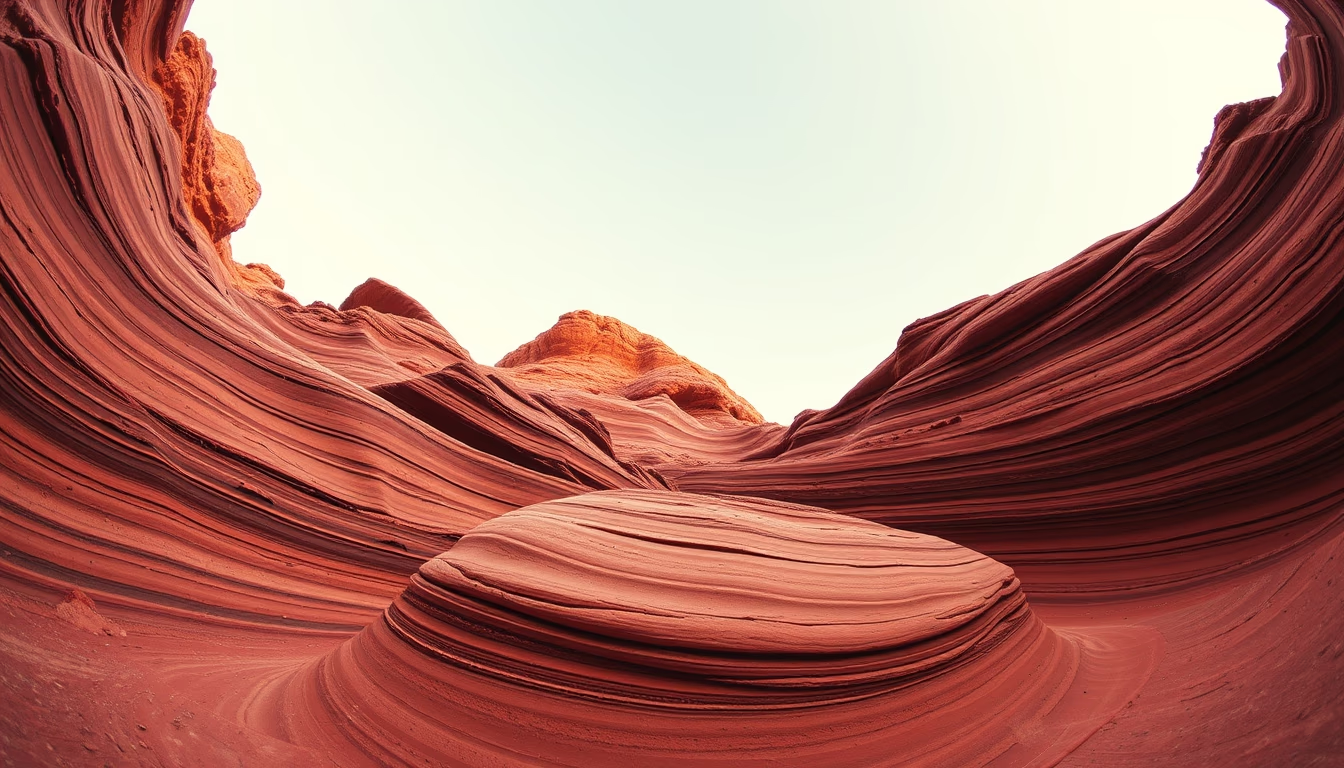
Limestone karst
1344×768 · AVIF · CC BY 4.0
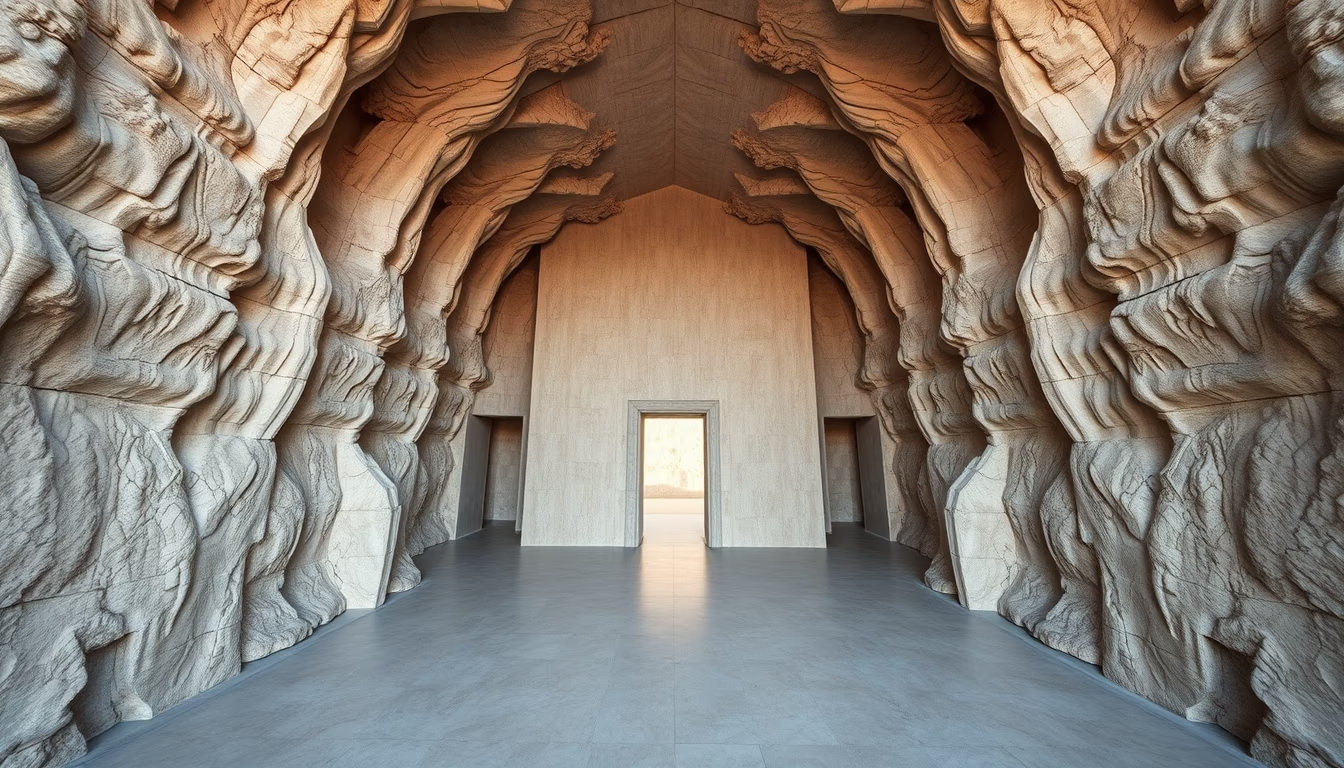
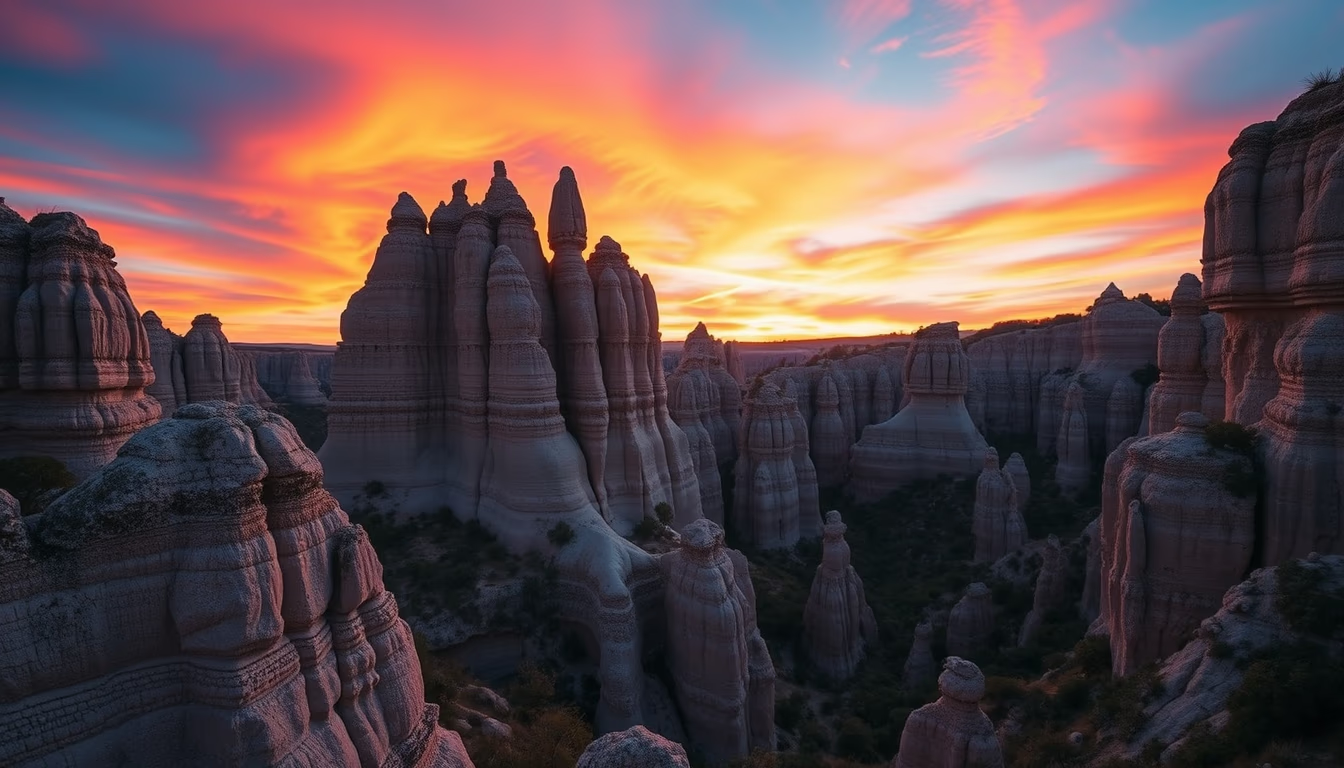
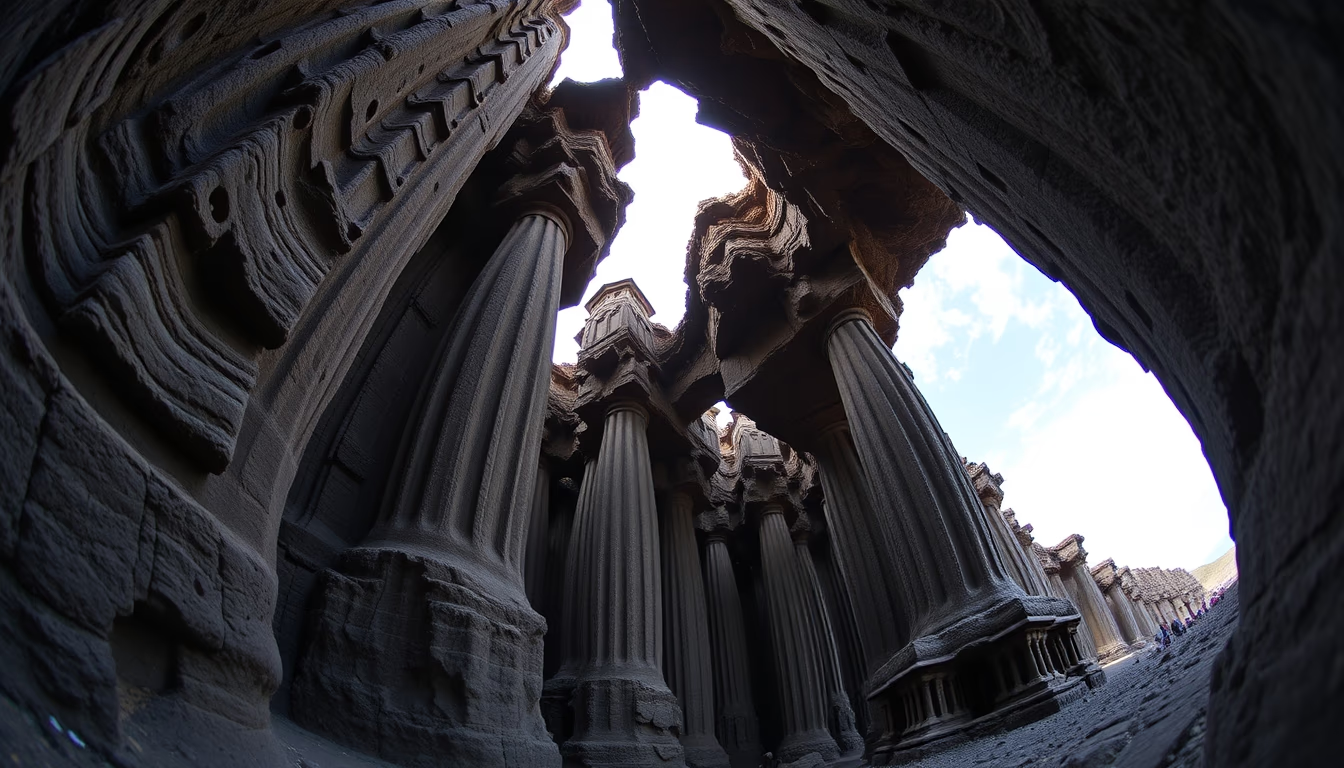
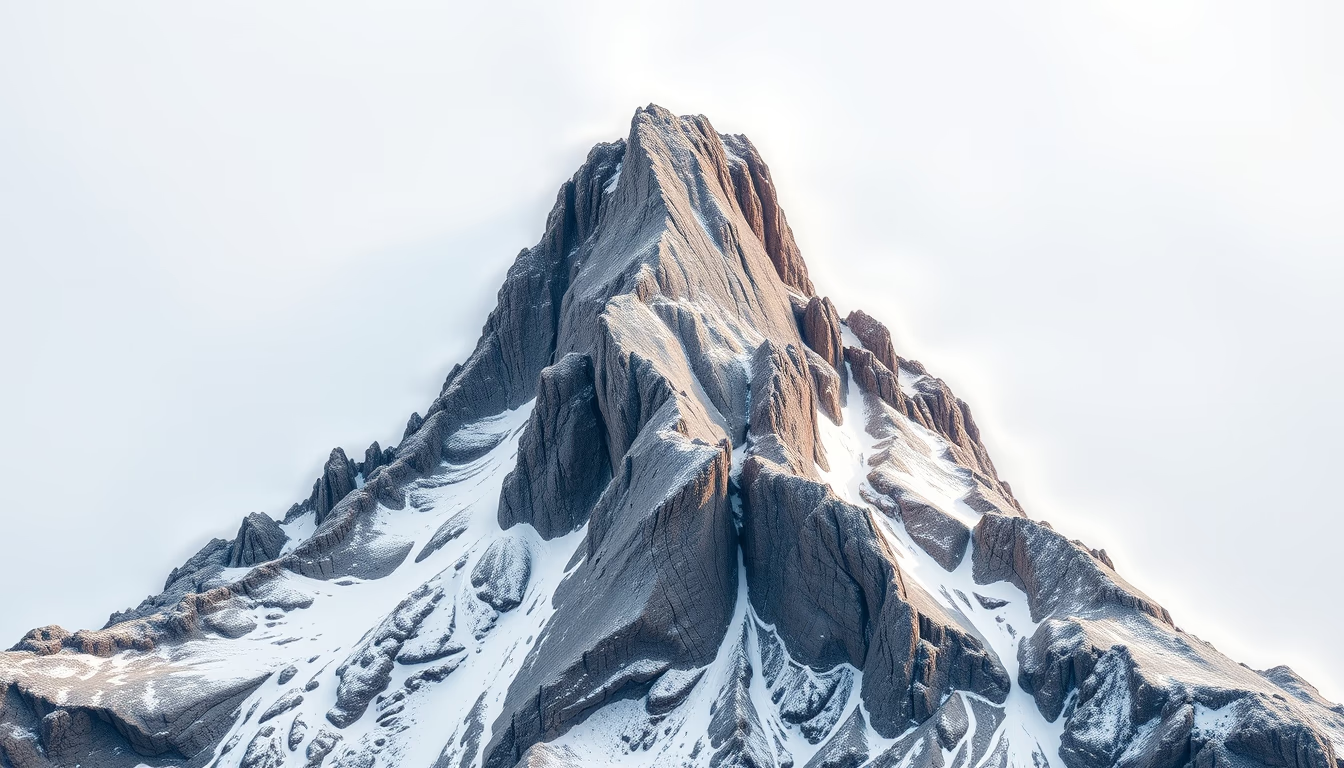
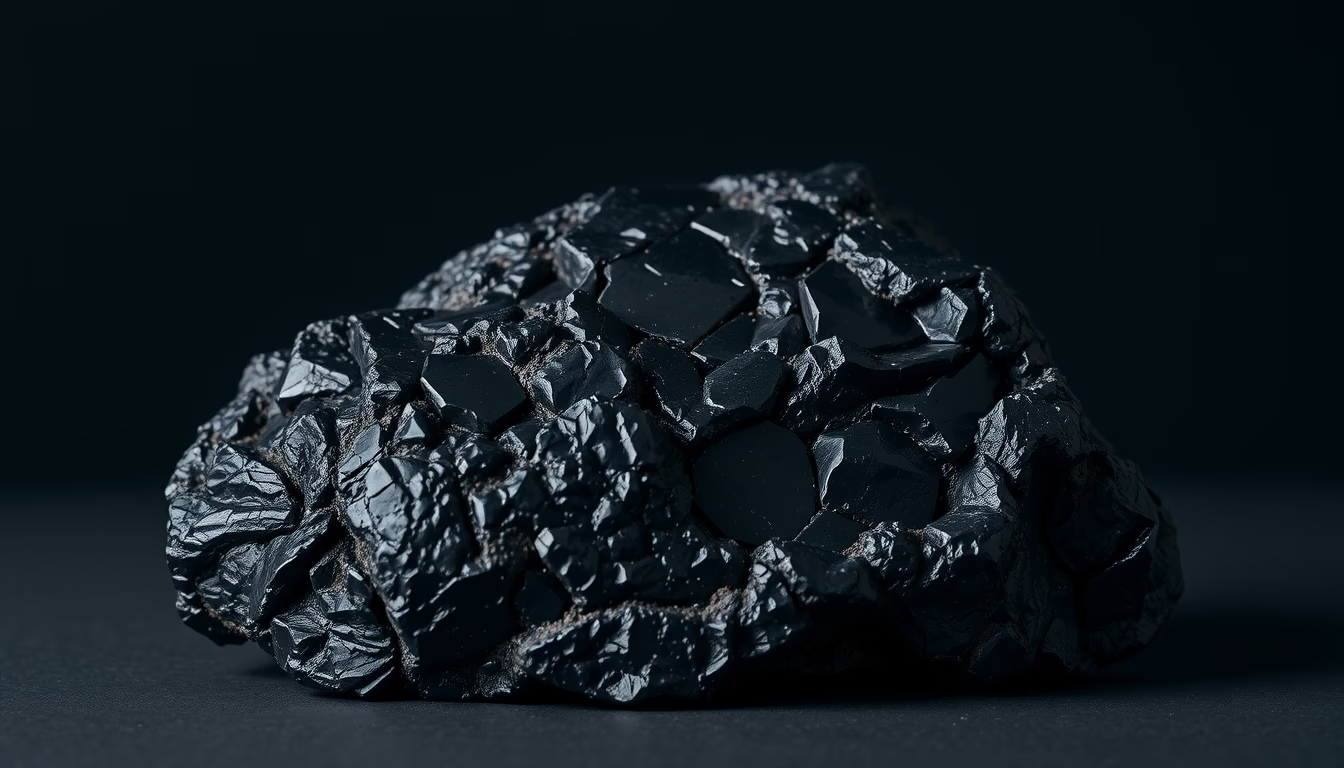
Limestone karst is a landscape sculpted by chemical dissolution of limestone rock, forming caves, sinkholes, and unique karst reliefs.
About this subject
Limestone karst, also known as karst topography, is a geological formation resulting from the dissolution of soluble rocks, mainly limestone and dolomite, by slightly acidic water. This process, called karstification, creates surface and underground features such as lapiez (rock grooves), dolines (closed depressions), caves, and subterranean rivers. The name “karst” comes from the Kras region in Slovenia and Italy, where these landscapes were first studied. Globally, about 15% of the Earth's land surface is covered by carbonate rocks, with major karst areas in countries like China (Guilin and Yangshuo), Vietnam (Ha Long Bay), Mexico (Yucatán), and Brazil (Sete Lagoas region, MG).
Karst formation involves rainwater that, by absorbing carbon dioxide from the air and soil, becomes acidic and dissolves calcium carbonate. Over thousands to millions of years, dissolution creates cavities and underground conduits that can evolve into caves adorned with stalactites and stalagmites. When a cave ceiling collapses, a doline or sinkhole forms. Karst has great hydrological importance: karst aquifers store about 25% of the world's drinking water, but they are vulnerable to contamination due to rapid water circulation.
In architecture and photography, limestone karst is valued for its dramatic shapes and textures, serving as a backdrop for built works or as inspiration for organic design. Notable examples include the karst peaks of Guilin, which inspired classical Chinese painting, and the vernacular stone architecture of karst regions such as the Algarve in Portugal. Karst also plays a cultural role, housing archaeological sites and sacred caves around the world.
Frequently Asked Questions
What causes limestone karst formation?
Limestone karst formation is caused by the chemical dissolution of carbonate rocks, such as limestone, by slightly acidic water. Rainwater absorbs carbon dioxide to form carbonic acid, which reacts with calcium carbonate, slowly dissolving it over time.
What are the main hazards associated with karst terrains?
Karst terrains can pose risks such as sudden ground collapse (sinkhole formation), rapid contamination of aquifers due to low natural filtration, and instability for construction. Urban planning in karst areas requires detailed geotechnical studies.
Where are the most famous examples of karst landscapes?
Famous examples include the limestone peaks of Guilin and Yangshuo in China, Ha Long Bay in Vietnam, Phong Nha-Ke Bang National Park in Vietnam, the Yucatán Peninsula in Mexico with its cenotes, and the Sempre-Vivas National Park in Brazil.
Direct URL
https://pub-c7d6a6ea828543ac903a74a341ccb2e1.r2.dev/imagens/limestone-karst-architectural-photography-fresh14.avifHow to credit
Include a visible link back to UtilizAí. Copy one of the snippets below:
<a href="https://xn--utiliza-eza.com/en/midia/imagens/limestone-karst-architectural-photography-fresh14">Limestone karst</a> by <a href="https://xn--utiliza-eza.com">UtilizAí</a>, licensed under <a href="https://creativecommons.org/licenses/by/4.0/">CC BY 4.0</a>.
[Limestone karst](https://xn--utiliza-eza.com/en/midia/imagens/limestone-karst-architectural-photography-fresh14) by [UtilizAí](https://xn--utiliza-eza.com), CC BY 4.0
License: CC-BY-4.0