Limestone karst
1344×768 · AVIF · CC BY 4.0
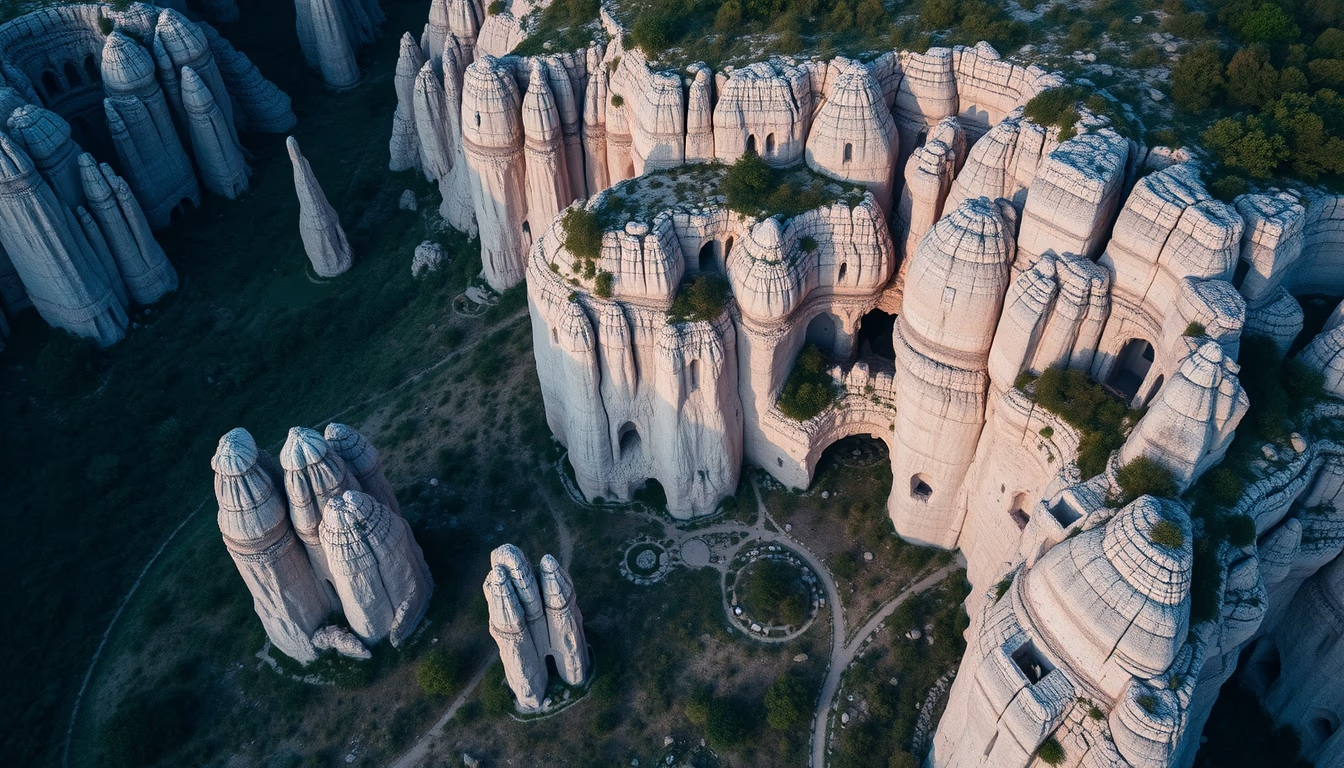
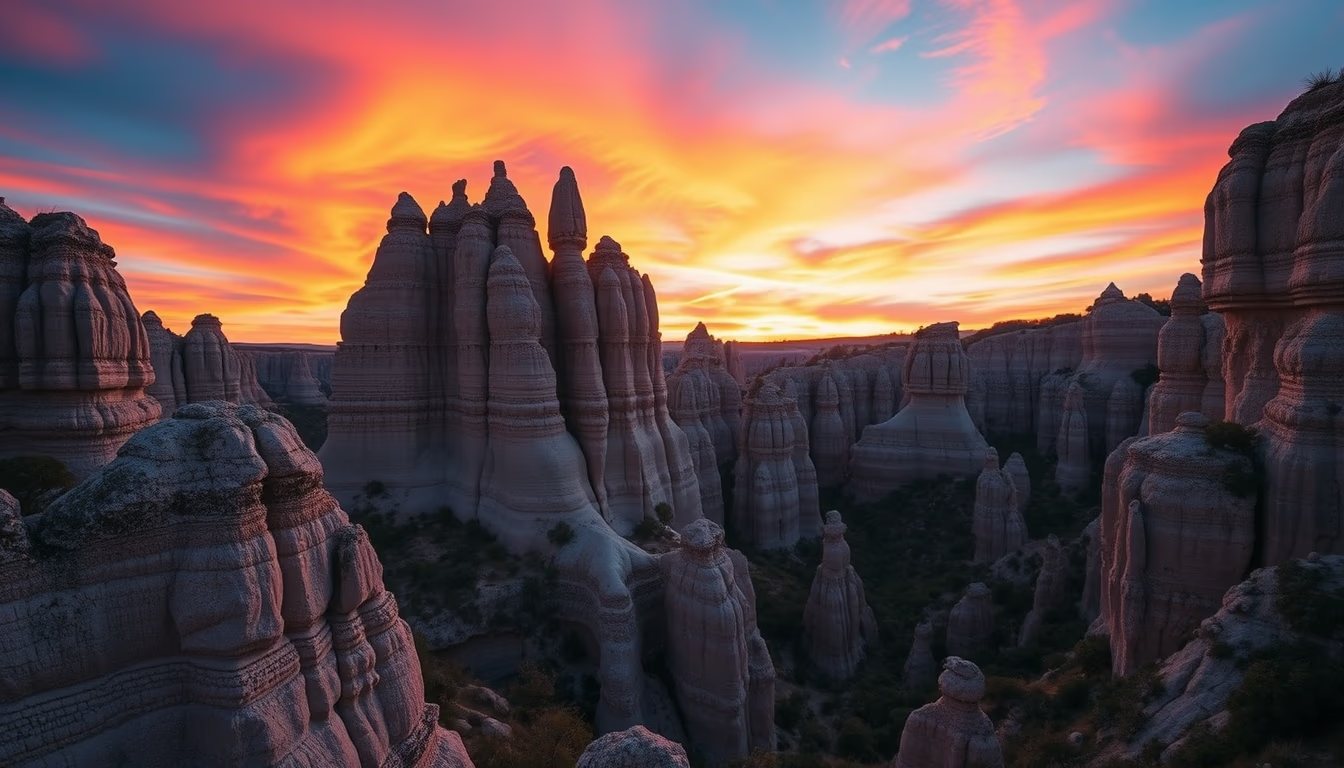
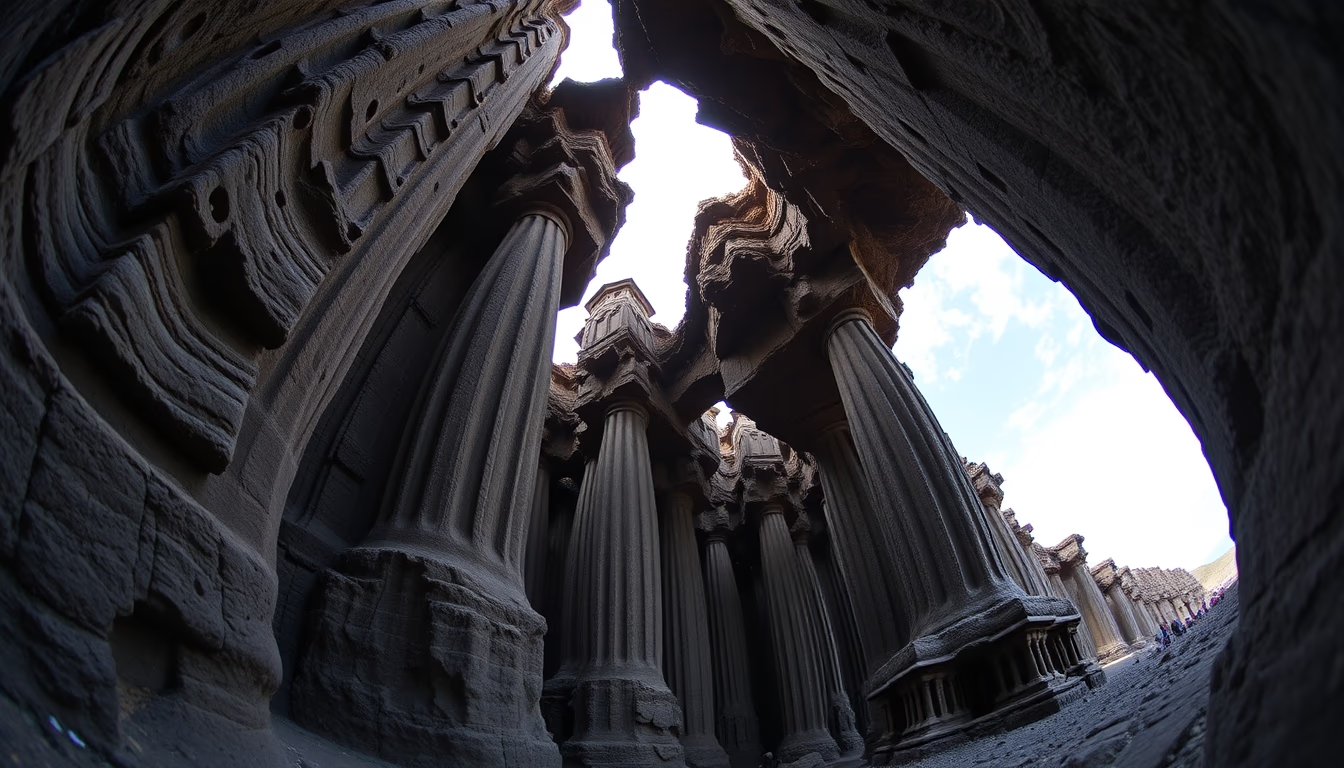
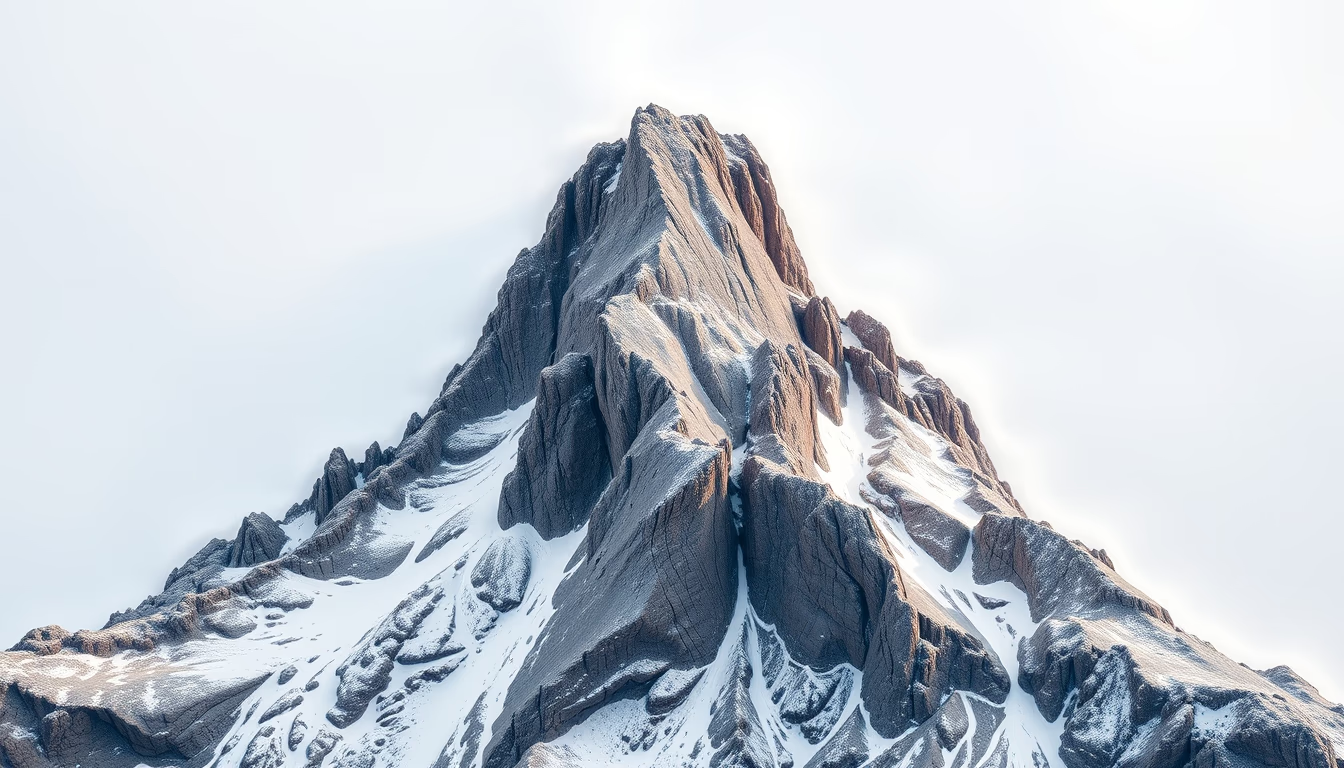
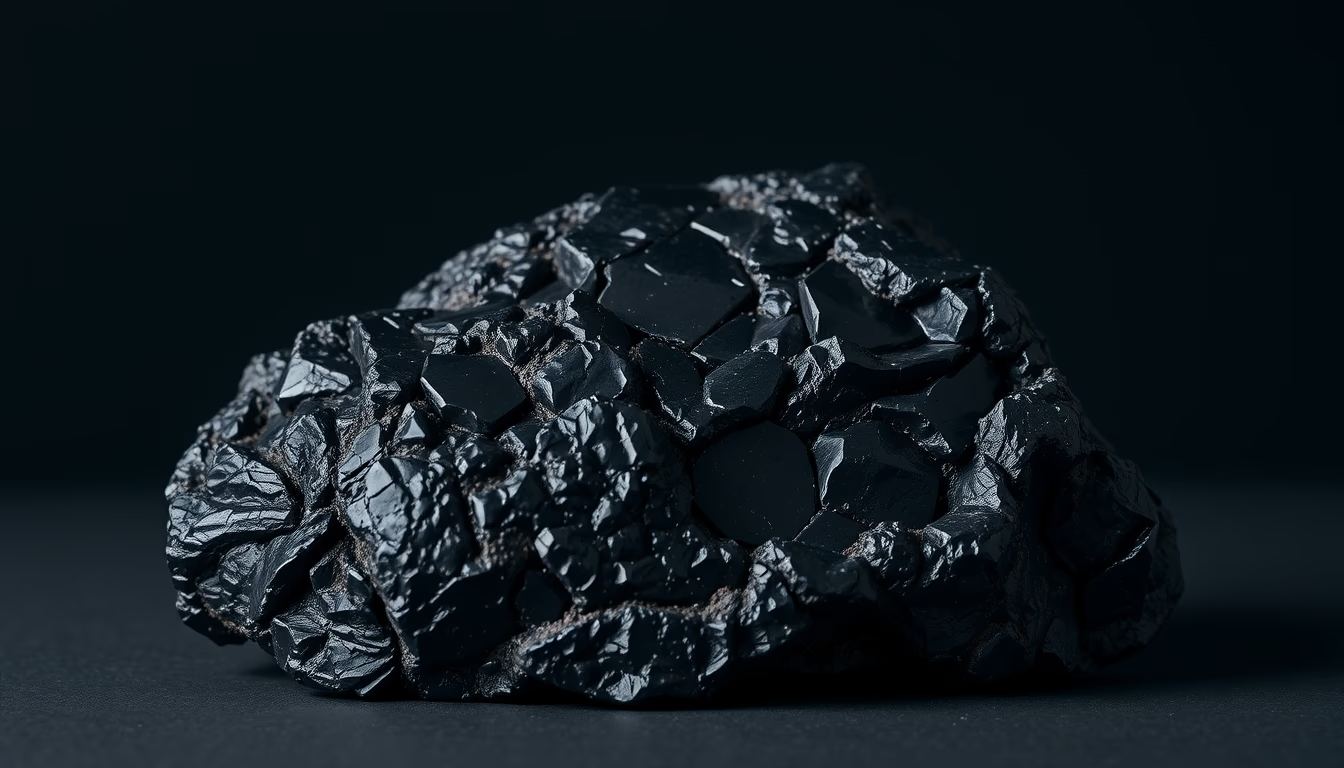
Limestone karst formations sculpted over millennia create unique landscapes worldwide, with towers and caves.
About this subject
Limestone karst is a landform created by the chemical dissolution of carbonate rocks, primarily limestone and dolomite. Rainwater, slightly acidic due to atmospheric carbon dioxide, seeps into rock fissures, gradually widening them over thousands of years. This process produces characteristic features: isolated towers or pinnacles, sinkholes (dolines), caves, and underground rivers. Karst landscapes are found on every continent, with some of the most spectacular examples in Southeast Asia, such as Ha Long Bay in Vietnam and the Guilin region in China. In Brazil, the Peruaçu Caves National Park in Minas Gerais and the Chapada Diamantina in Bahia exhibit remarkable karst formations with extensive cave systems and canyons.
Beyond scenic beauty, karst has crucial ecological and hydrological importance. Karst aquifers store and supply freshwater for millions of people but are highly vulnerable to contamination due to rapid water movement through underground channels. Cave biodiversity is unique, with species adapted to darkness, such as blind fish and troglobitic invertebrates. Tourism in these areas requires care to avoid damaging fragile formations and the subterranean ecosystem.
Geologically, karst rocks preserve paleoclimatic records and fossils. Stalactites and stalagmites can be dated using uranium-thorium isotopes, providing information on past climate variations. Additionally, many prehistoric archaeological sites are in limestone caves, such as the Lascaux cave paintings in France. The study of karst thus connects geology, biology, and human history.
Frequently Asked Questions
What is karst topography and how does it form?
Karst topography forms by chemical dissolution of soluble rocks like limestone, caused by slightly acidic water. This process creates features such as caves, sinkholes, and rock towers.
Where can I find limestone karst formations?
They occur worldwide, with notable examples in Southeast Asia (Vietnam, China), Europe (Slovenia, France), North America (USA, Mexico), and Brazil (Peruaçu, Chapada Diamantina).
What is the ecological importance of karst landscapes?
Karst aquifers are vital water sources but are fragile. Caves host unique biodiversity, and the rocks preserve important climatic records and fossils for scientific study.
Direct URL
https://pub-c7d6a6ea828543ac903a74a341ccb2e1.r2.dev/imagens/limestone-karst-aerial-drone-shot-fresh6.avifHow to credit
Include a visible link back to UtilizAí. Copy one of the snippets below:
<a href="https://xn--utiliza-eza.com/en/midia/imagens/limestone-karst-aerial-drone-shot-fresh6">Limestone karst</a> by <a href="https://xn--utiliza-eza.com">UtilizAí</a>, licensed under <a href="https://creativecommons.org/licenses/by/4.0/">CC BY 4.0</a>.
[Limestone karst](https://xn--utiliza-eza.com/en/midia/imagens/limestone-karst-aerial-drone-shot-fresh6) by [UtilizAí](https://xn--utiliza-eza.com), CC BY 4.0
License: CC-BY-4.0