Life magazine wwii
1344×768 · AVIF · CC BY 4.0
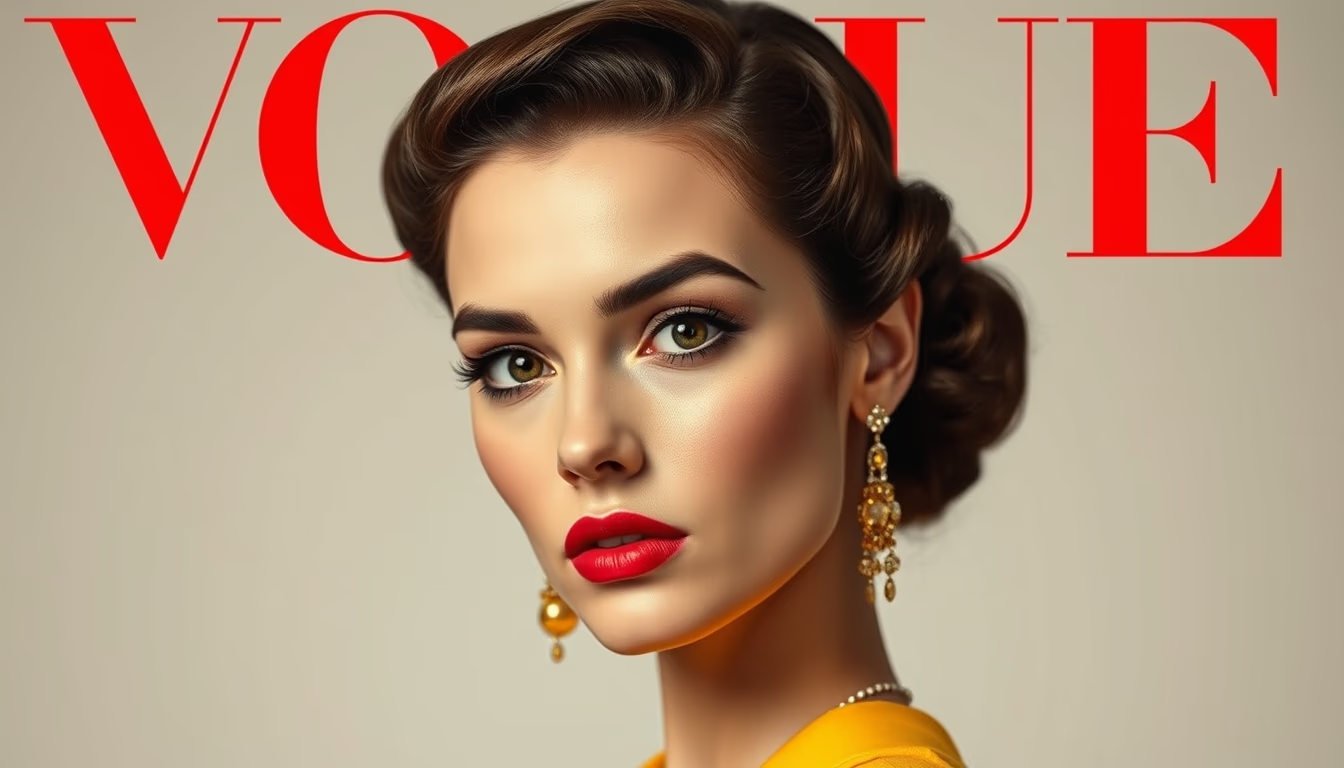
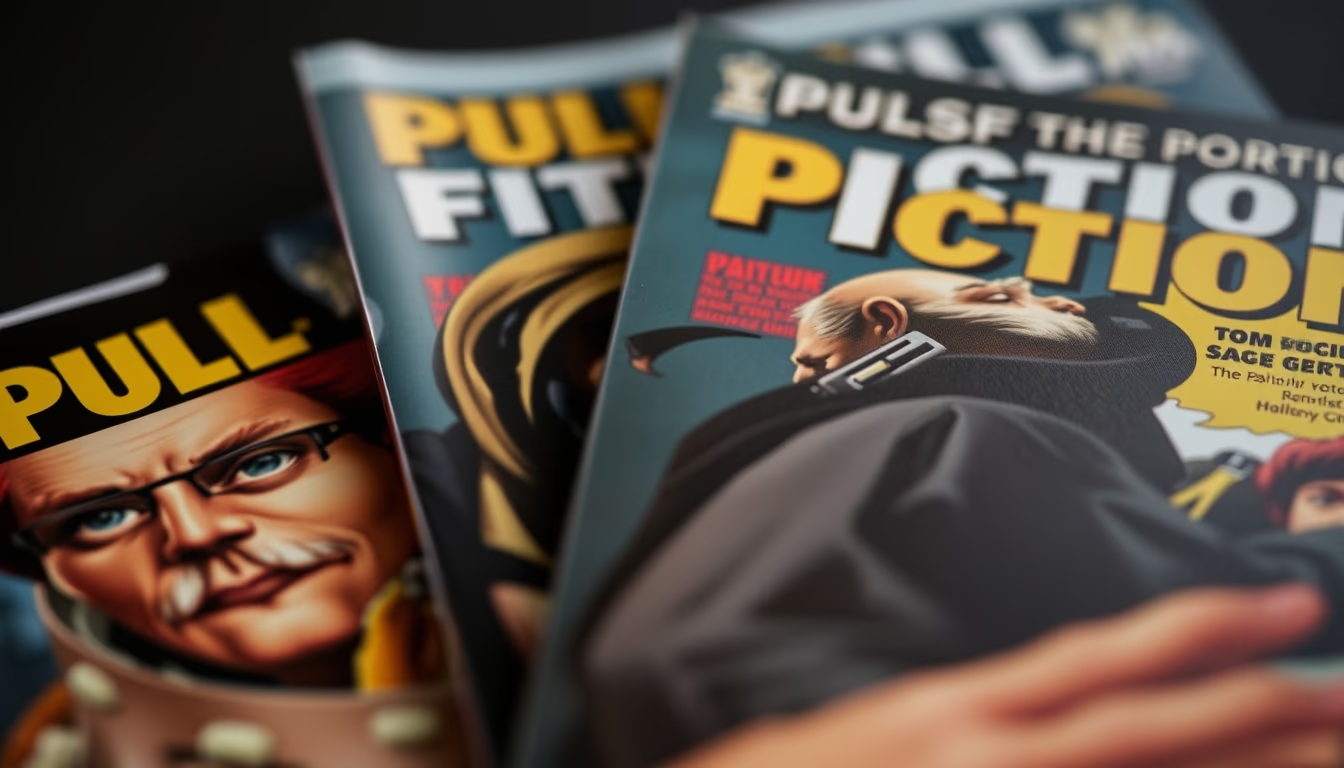
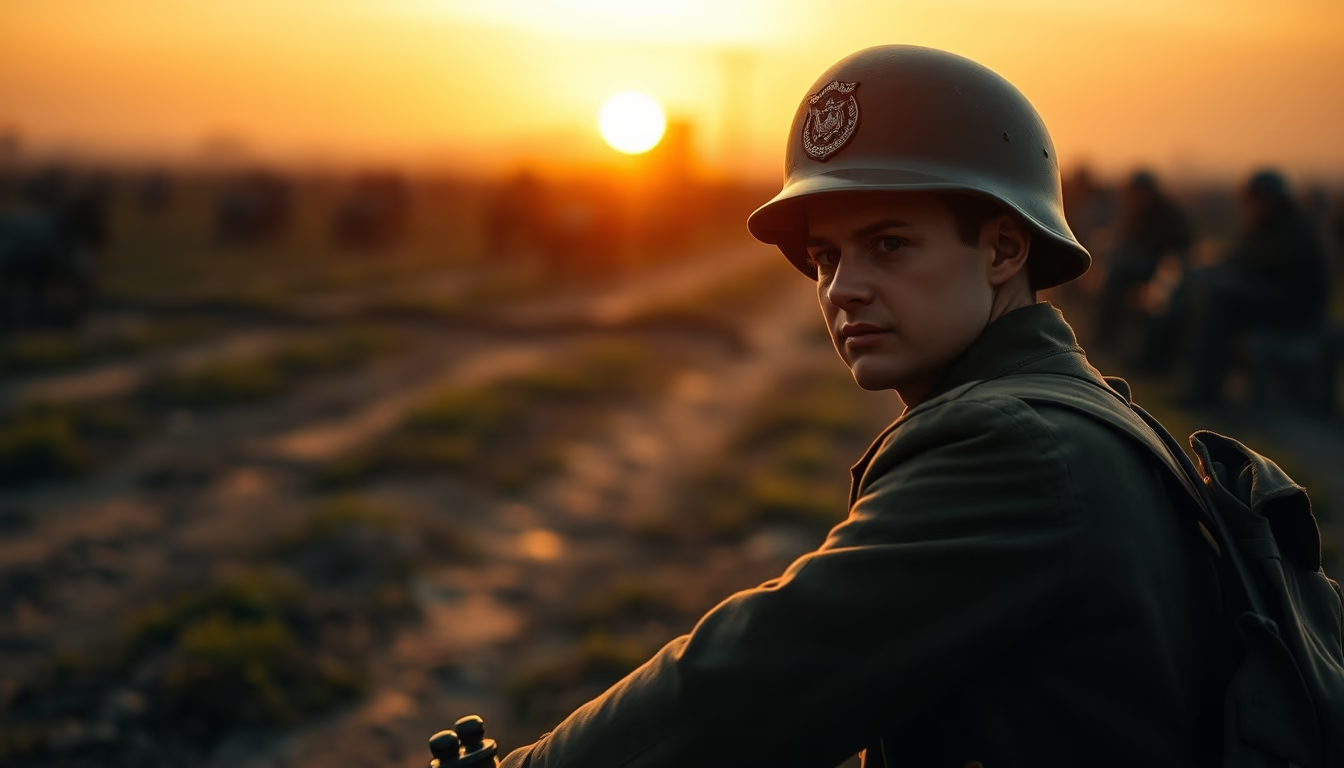
Life magazine during World War II intensely documented the conflict with impactful photography and in-depth reporting, becoming a historical and cultural reference.
About this subject
Life magazine, founded in 1883, revolutionized photojournalism by prioritizing strong images and visual narratives. During World War II, Life sent renowned photographers like Robert Capa, Margaret Bourke-White, and W. Eugene Smith to cover all fronts. Capa photographed the D-Day landings, while Bourke-White documented the liberation of concentration camps. The magazine also covered everyday life on the home front, showing factories, rationing, and families awaiting news. Each issue sold millions of copies, making it the primary source of visual information for Americans. Life's war coverage helped shape public perception of the conflict, highlighting both heroism and horrors. After the war, the magazine's archive became one of the largest photographic collections of the 20th century, preserved by the Life Picture Collection. Life's influence on photojournalism is undeniable, setting ethical and aesthetic standards that endure today. Its narrative approach combined text and image innovatively, creating reports that were both informative and emotional. Many iconic war images, such as the V-J Day kiss and the flag raising at Iwo Jima, were first published in Life. The magazine also featured long-form photo essays, like W. Eugene Smith's on rural American life. World War II marked the peak of Life's relevance, cementing its legacy as a witness to history.
Frequently Asked Questions
What role did Life magazine play in covering World War II?
Life was the leading picture magazine in the US, sending photographers to all fronts and covering the home front. Its iconic images and reports helped inform and shape public opinion about the conflict.
Which famous photographers worked for Life during the war?
Photographers such as Robert Capa (D-Day landings), Margaret Bourke-White (concentration camps), W. Eugene Smith (frontline life), and Alfred Eisenstaedt (V-J Day kiss) contributed to the coverage.
How did Life magazine influence photojournalism?
Life popularized the photo essay and set standards of ethics and aesthetics. Its narrative approach combining text and image became a model for modern photojournalism.
Direct URL
https://pub-c7d6a6ea828543ac903a74a341ccb2e1.r2.dev/imagens/life-magazine-wwii-macro-closeup-fresh1.avifHow to credit
Include a visible link back to UtilizAí. Copy one of the snippets below:
<a href="https://xn--utiliza-eza.com/en/midia/imagens/life-magazine-wwii-macro-closeup-fresh1">Life magazine wwii</a> by <a href="https://xn--utiliza-eza.com">UtilizAí</a>, licensed under <a href="https://creativecommons.org/licenses/by/4.0/">CC BY 4.0</a>.
[Life magazine wwii](https://xn--utiliza-eza.com/en/midia/imagens/life-magazine-wwii-macro-closeup-fresh1) by [UtilizAí](https://xn--utiliza-eza.com), CC BY 4.0
License: CC-BY-4.0