Lavender field bees
1344×768 · JPG · CC BY 4.0
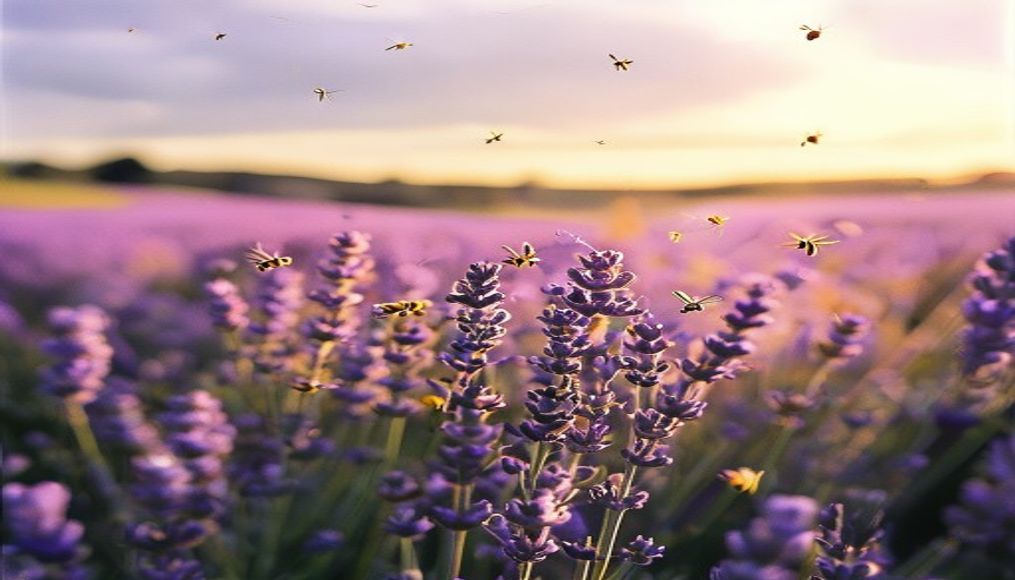
Lavender fields attract bees essential for pollination and production of lavender honey, a gourmet product prized worldwide.
About this subject
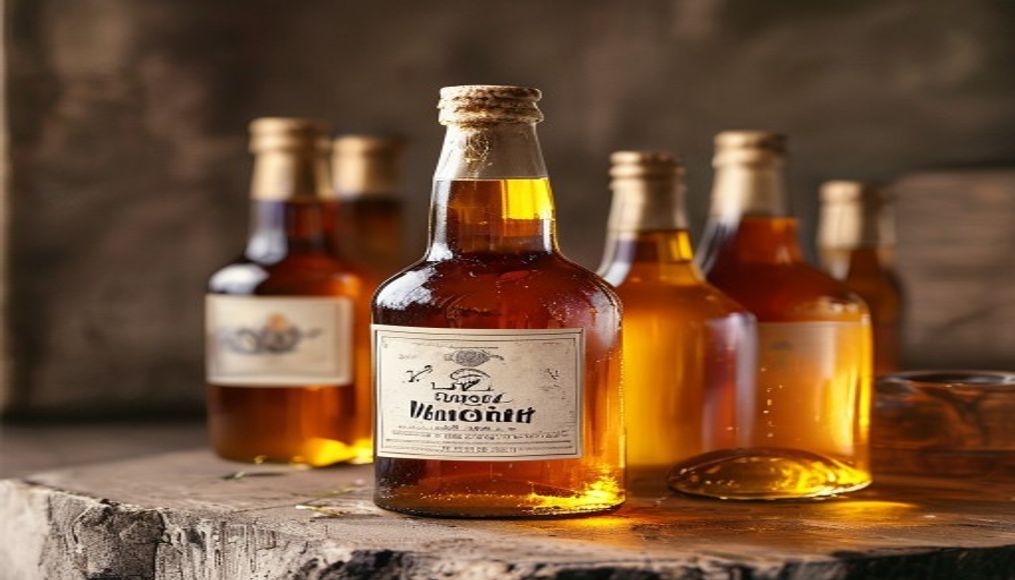
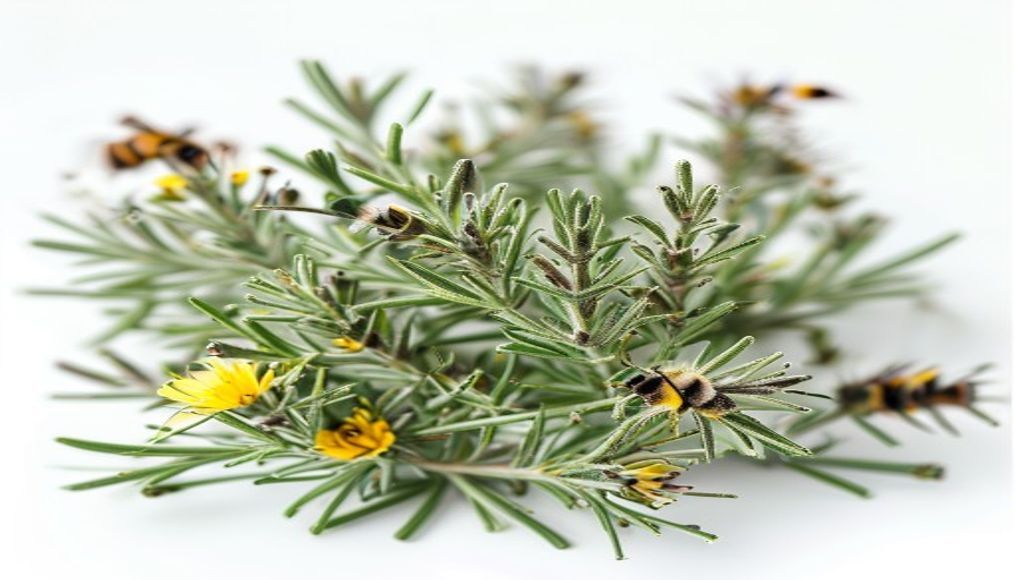
Lavender, genus Lavandula, is a plant native to the Mediterranean region, particularly southern France, Italy, and Spain. The most common commercial varieties are Lavandula angustifolia (English lavender) and Lavandula x intermedia (lavandin). In Provence, fields bloom from June to August, becoming a tourist icon, but lavender is also cultivated in New Zealand and Chile. Bees are attracted to the abundant nectar, and beekeeping in lavender areas produces a clear, aromatic, mild-flavored honey highly valued in the market.
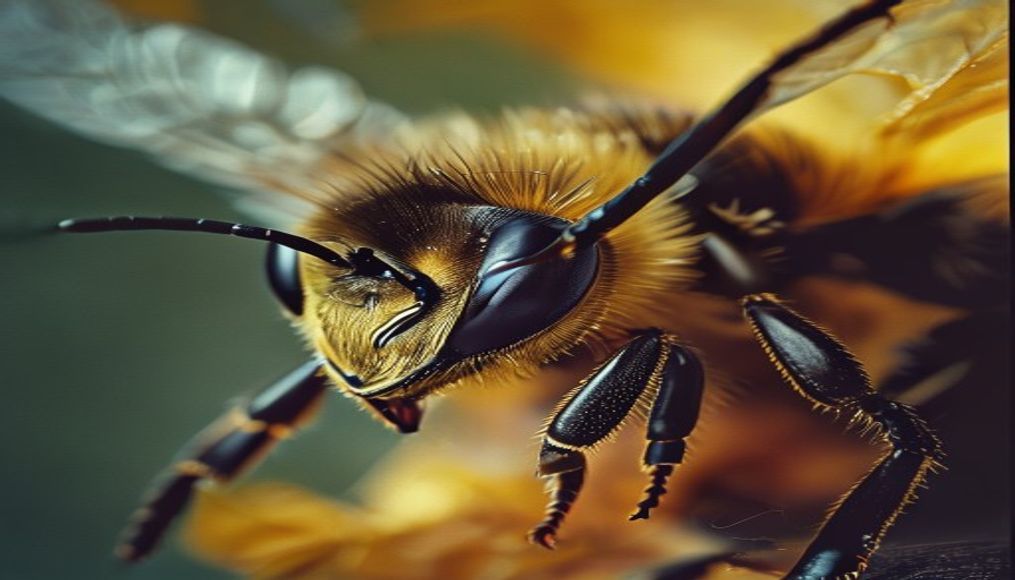
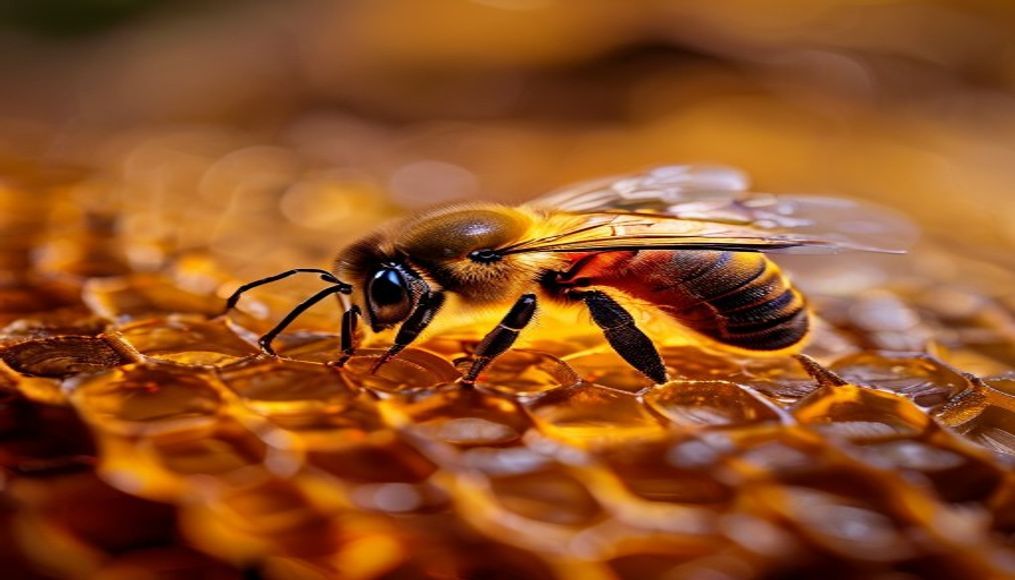
Pollination by bees is crucial for lavender field productivity. Studies show bee visits can increase essential oil yield by up to 30%. Besides honeybees (Apis mellifera), various native bee species also contribute. In Provence, beekeepers migrate hives to follow the bloom, ensuring monofloral lavender honey production. This honey has antiseptic and calming properties, used in cooking and natural medicine.
Beekeeping practices in lavender fields include placing hives near field edges, respecting distances to avoid pesticide contamination. Lavender is a perennial, low-water crop, making it sustainable in Mediterranean climates. The lavender-bee symbiosis supports small farmers and promotes rural tourism.
Interestingly, lavender has insect-repellent properties but does not affect bees. Lavender essential oil, steam-distilled, is used in aromatherapy and cosmetics. Travel photography often captures these fields as sublime landscapes, but the true protagonist is the invisible work of bees sustaining the ecosystem.
Frequently Asked Questions
What is the best time to visit lavender fields in France?
Lavender bloom in Provence occurs from mid-June to early August, peaking in July. Exact timing varies by altitude and variety.
What type of honey do bees produce in lavender fields?
They produce monofloral lavender honey, clear, aromatic, and mild-flavored. It is rich in antioxidants and has calming properties.
How does beekeeping contribute to lavender cultivation?
Bees pollinate the flowers, increasing essential oil and seed yield. Beekeepers often migrate to lavender fields, generating income and promoting biodiversity.
Direct URL
https://pub-c7d6a6ea828543ac903a74a341ccb2e1.r2.dev/imagens/lavender-field-bees-travel-photography-p4.jpgHow to credit
Include a visible link back to UtilizAí. Copy one of the snippets below:
<a href="https://xn--utiliza-eza.com/en/midia/imagens/lavender-field-bees-travel-photography-p4">Lavender field bees</a> by <a href="https://xn--utiliza-eza.com">UtilizAí</a>, licensed under <a href="https://creativecommons.org/licenses/by/4.0/">CC BY 4.0</a>.
[Lavender field bees](https://xn--utiliza-eza.com/en/midia/imagens/lavender-field-bees-travel-photography-p4) by [UtilizAí](https://xn--utiliza-eza.com), CC BY 4.0
License: CC-BY-4.0