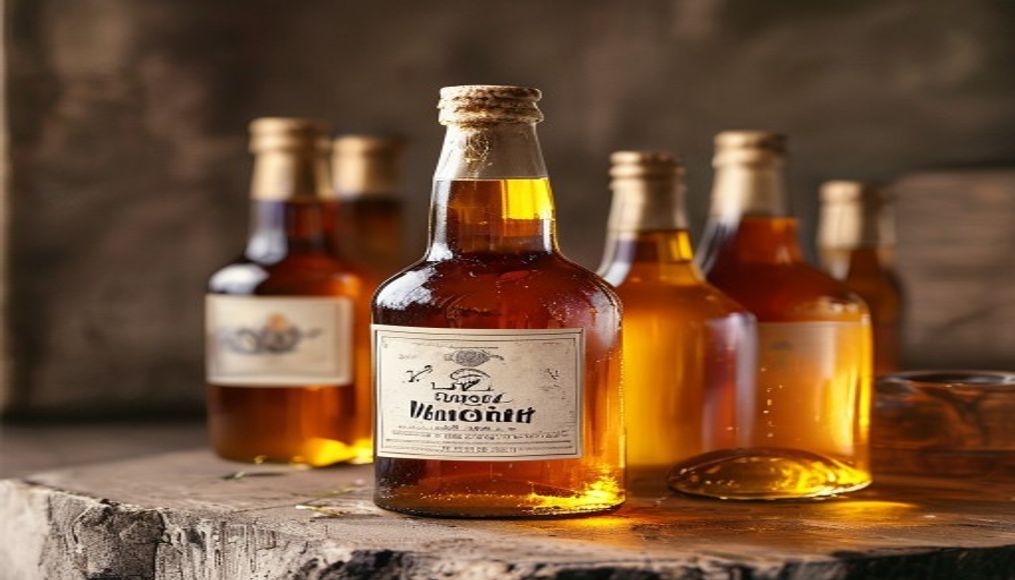
Royal jelly tube
1344×768 · JPG · CC BY 4.0
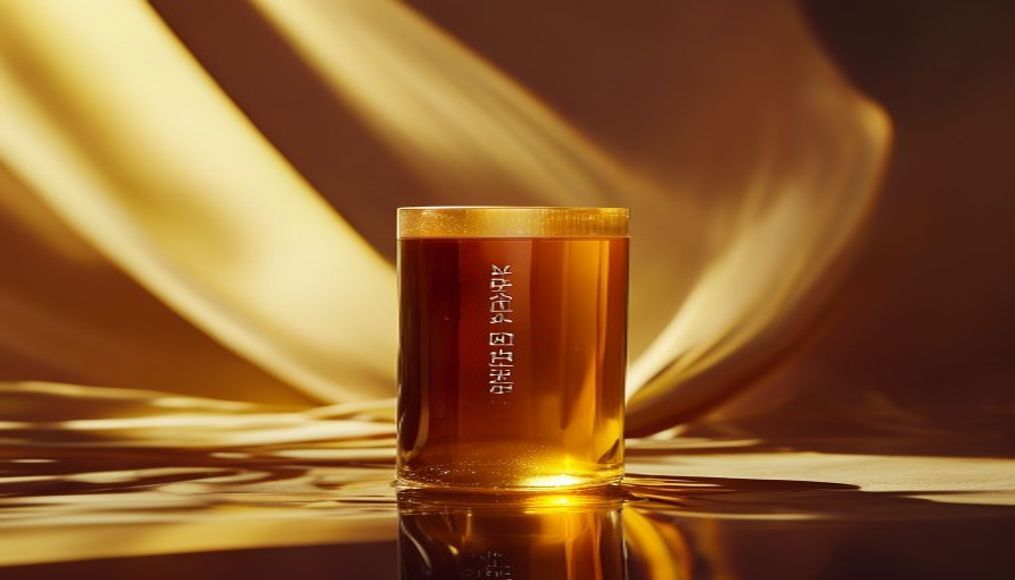
Royal jelly is a viscous substance secreted by worker bees, crucial for the development of the queen bee and widely used in supplements and cosmetics.
About this subject
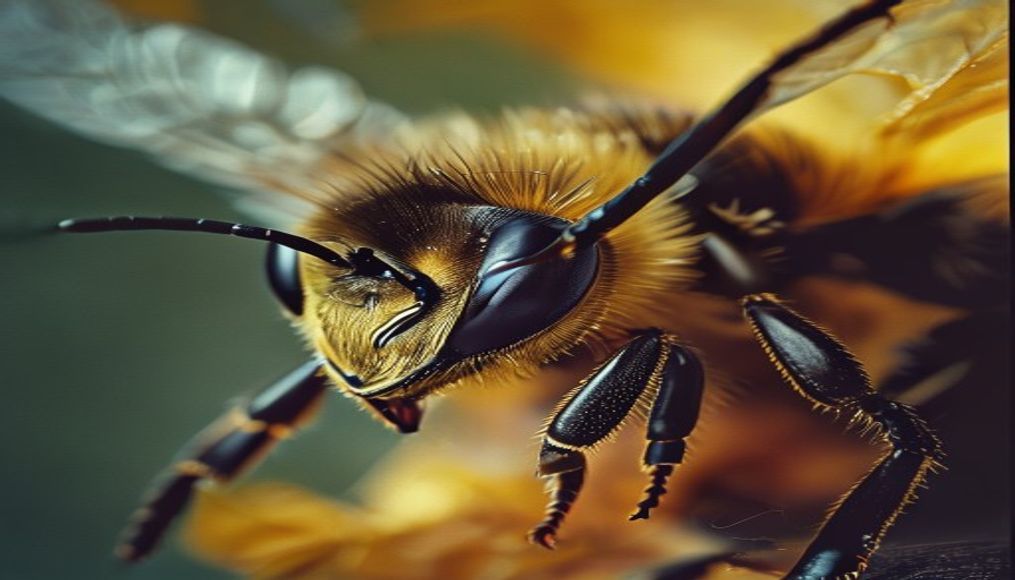
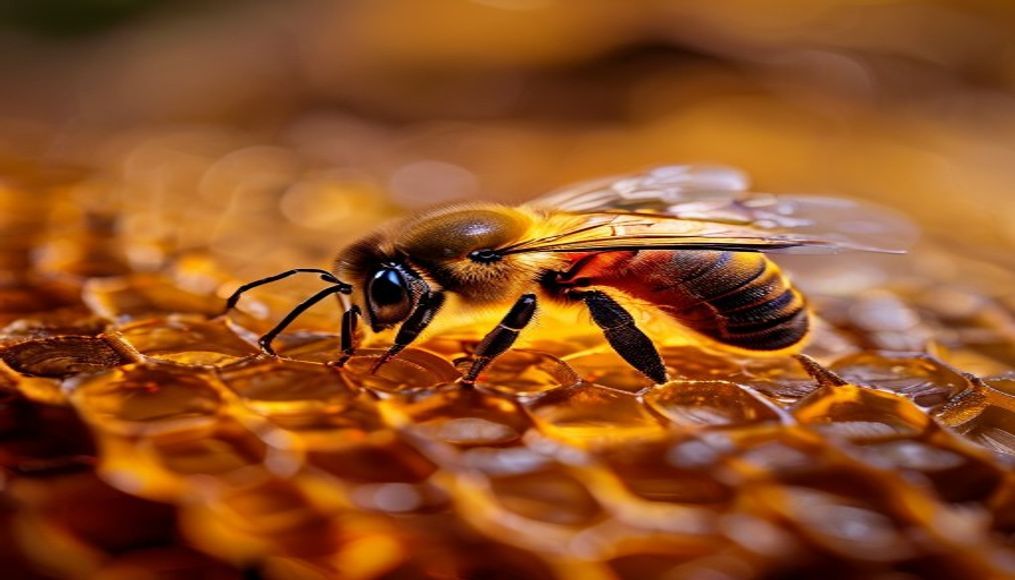
Royal jelly is produced by the hypopharyngeal glands of young worker bees, typically between 6 and 12 days old. It serves as the exclusive food for the queen bee throughout her life and for larvae during their first few days. This substance is rich in proteins, B-complex vitamins, fatty acids, and a unique compound called royalactin, which activates genetic pathways that differentiate the queen from worker bees.
In commercial beekeeping, royal jelly is artificially collected using special hives where beekeepers transfer larvae into fake queen cells, tricking workers into secreting more royal jelly. A single hive can yield 200 to 500 grams per year, and extraction requires careful handling to preserve its purity and properties.
Historically, royal jelly has been used in traditional Chinese medicine and Europe as a tonic to boost vitality, enhance immunity, and promote longevity. Modern studies investigate its antioxidant, anti-inflammatory, and neuroprotective effects, although most claims lack robust clinical evidence.
In Brazil, royal jelly production is a complementary beekeeping activity, especially in the South and Southeast regions. It is sold fresh, freeze-dried, or in capsules, and is also used in creams and lotions for its moisturizing and regenerative properties. However, its high production cost limits consumption to niche markets.
Frequently Asked Questions
What is royal jelly used for?
Royal jelly is used as a dietary supplement to improve energy, immunity, and vitality. It is also applied in cosmetics for its moisturizing and regenerative properties.
How is royal jelly produced by bees?
It is secreted by the hypopharyngeal glands of young worker bees to feed the queen and larvae. In beekeeping, production is stimulated using artificial queen cells.
Are the benefits of royal jelly scientifically proven?
Studies suggest antioxidant and anti-inflammatory effects, but most traditional claims lack robust scientific evidence. Its consumption is generally safe, though it may cause allergies in people sensitive to bee products.
Direct URL
https://pub-c7d6a6ea828543ac903a74a341ccb2e1.r2.dev/imagens/royal-jelly-tube-high-fashion-editorial-p4.jpgHow to credit
Include a visible link back to UtilizAí. Copy one of the snippets below:
<a href="https://xn--utiliza-eza.com/en/midia/imagens/royal-jelly-tube-high-fashion-editorial-p4">Royal jelly tube</a> by <a href="https://xn--utiliza-eza.com">UtilizAí</a>, licensed under <a href="https://creativecommons.org/licenses/by/4.0/">CC BY 4.0</a>.
[Royal jelly tube](https://xn--utiliza-eza.com/en/midia/imagens/royal-jelly-tube-high-fashion-editorial-p4) by [UtilizAí](https://xn--utiliza-eza.com), CC BY 4.0
License: CC-BY-4.0