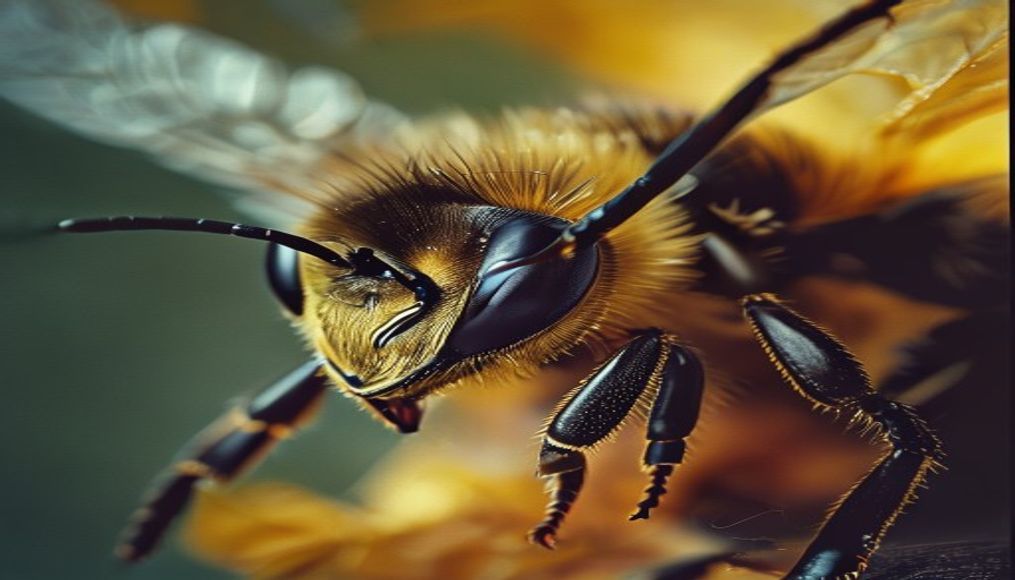
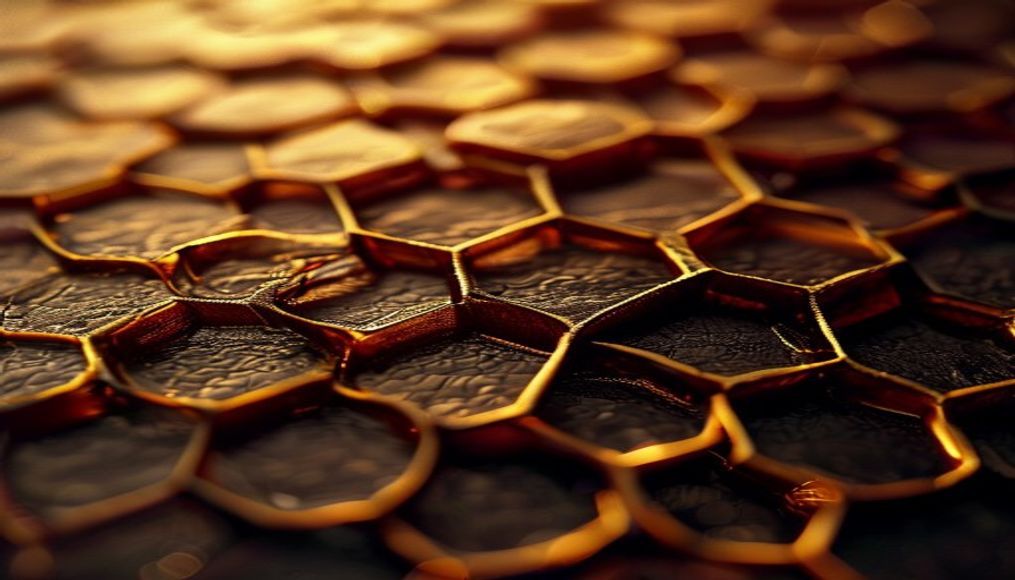
Beehive frame full honey
1344×768 · JPG · CC BY 4.0
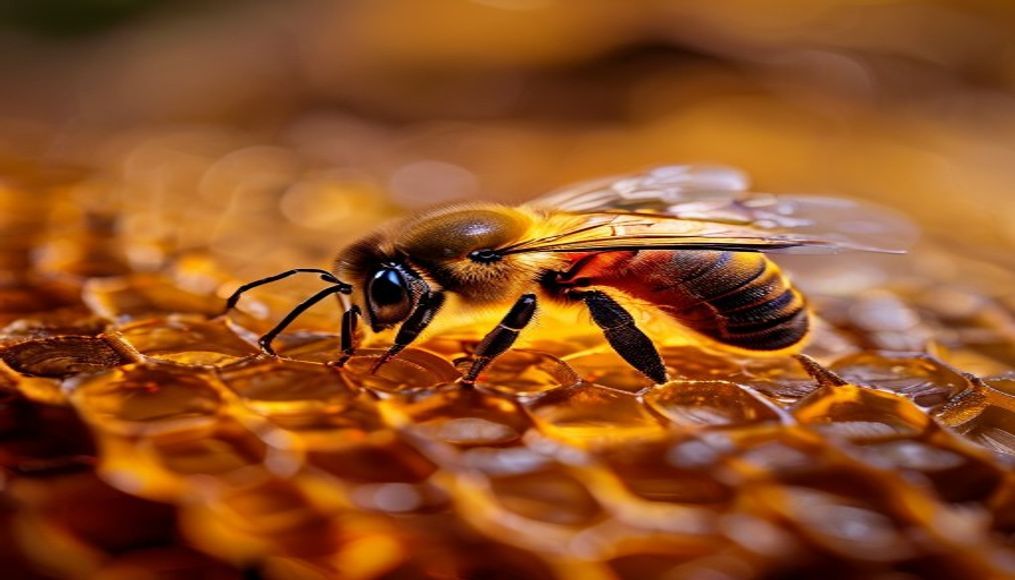
A beehive frame full of honey, with capped cells, showcases the result of bees' work in producing and storing honey.
About this subject
In modern beekeeping, the beehive frame is the central component of the Langstroth hive, the most widely used model worldwide. Each frame measures about 48 cm in length by 23 cm in height and holds a wax or plastic sheet called foundation, on which bees build hexagonal cells. The hexagonal shape is an example of geometric efficiency: it allows maximum storage with minimum wax. A typical hive has 8 to 10 frames, and each full frame can contain up to 2 kg of honey, depending on the nectar flow and bee species (Apis mellifera is the most common in commercial beekeeping).
When cells are full of honey, bees seal them with a thin layer of wax, forming the capping. This capped honey is mature, with moisture content below 18%, ideal for long-term preservation. Beekeepers use an electric knife or a fork to remove the cappings before centrifugation. The extracted honey is filtered and bottled, retaining its enzymatic and antibacterial properties. A single worker bee produces about 1/12 of a teaspoon of honey in its lifetime, but a colony can produce 20 to 60 kg of honey per year, depending on climate and flower availability.
Beekeeping has global economic and ecological importance. Besides honey production, bees are essential pollinators for crops like apples, coffee, and almonds. In the tropics, the Africanized honey bee (Apis mellifera scutellata) is dominant, being more productive and defensive. Brazil is one of the largest honey producers in the world, with emphasis on the states of Rio Grande do Sul, Paraná, and São Paulo. Brazilian honey is recognized for its purity and floral diversity, with harvests ranging from wildflower to orange blossom honey.
Fun fact: the wax from cappings can be melted and reused to make new foundation sheets, or turned into candles and cosmetics. Honey color varies depending on the flower source, from light amber to dark, and each shade has characteristic flavor and aroma. The crystallized or creamy texture depends on the glucose/fructose ratio, with eucalyptus honey crystallizing quickly.
Frequently Asked Questions
How do bees fill a frame with honey?
Bees collect nectar from flowers and store it in their honey crop. Back at the hive, they regurgitate the nectar to other workers, who dehydrate it by fanning their wings. When the water content drops to about 18%, the honey is deposited into cells and sealed with wax.
How much honey can a beehive frame yield?
A full frame can contain up to 2 kg of honey, but the amount varies with frame size, nectar flow, and colony health. On average, a standard Langstroth frame yields 1 to 2.5 kg after extraction.
What is the capping and why do bees produce it?
The capping is the thin wax layer that seals a honey cell. Bees produce it to protect mature honey from moisture and contaminants, ensuring long-term preservation. The capping is removed by the beekeeper before centrifugation.
Direct URL
https://pub-c7d6a6ea828543ac903a74a341ccb2e1.r2.dev/imagens/beehive-frame-full-honey-macro-closeup-p4.jpgHow to credit
Include a visible link back to UtilizAí. Copy one of the snippets below:
<a href="https://xn--utiliza-eza.com/en/midia/imagens/beehive-frame-full-honey-macro-closeup-p4">Beehive frame full honey</a> by <a href="https://xn--utiliza-eza.com">UtilizAí</a>, licensed under <a href="https://creativecommons.org/licenses/by/4.0/">CC BY 4.0</a>.
[Beehive frame full honey](https://xn--utiliza-eza.com/en/midia/imagens/beehive-frame-full-honey-macro-closeup-p4) by [UtilizAí](https://xn--utiliza-eza.com), CC BY 4.0
License: CC-BY-4.0