Last supper detail
1344×768 · AVIF · CC BY 4.0

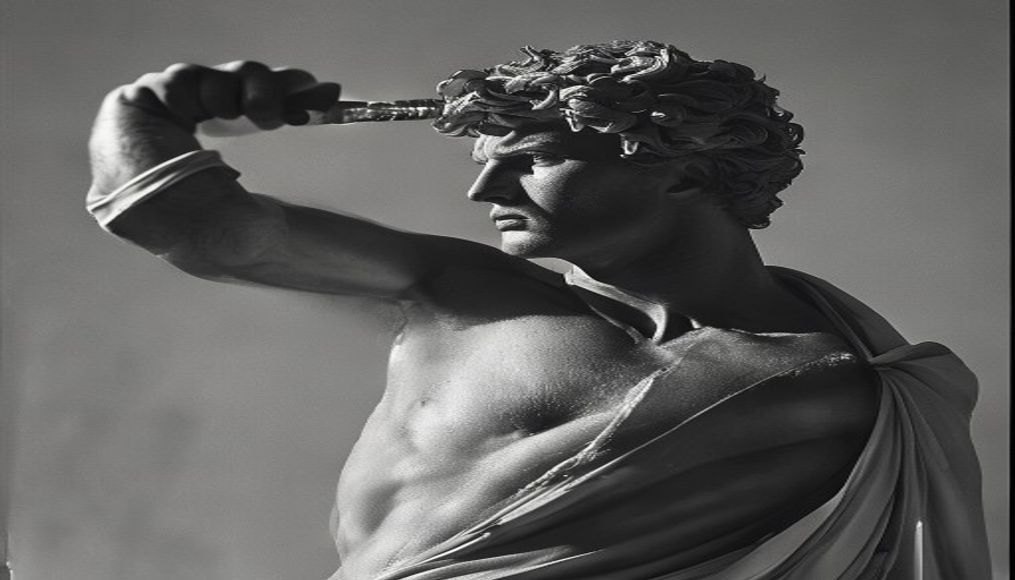
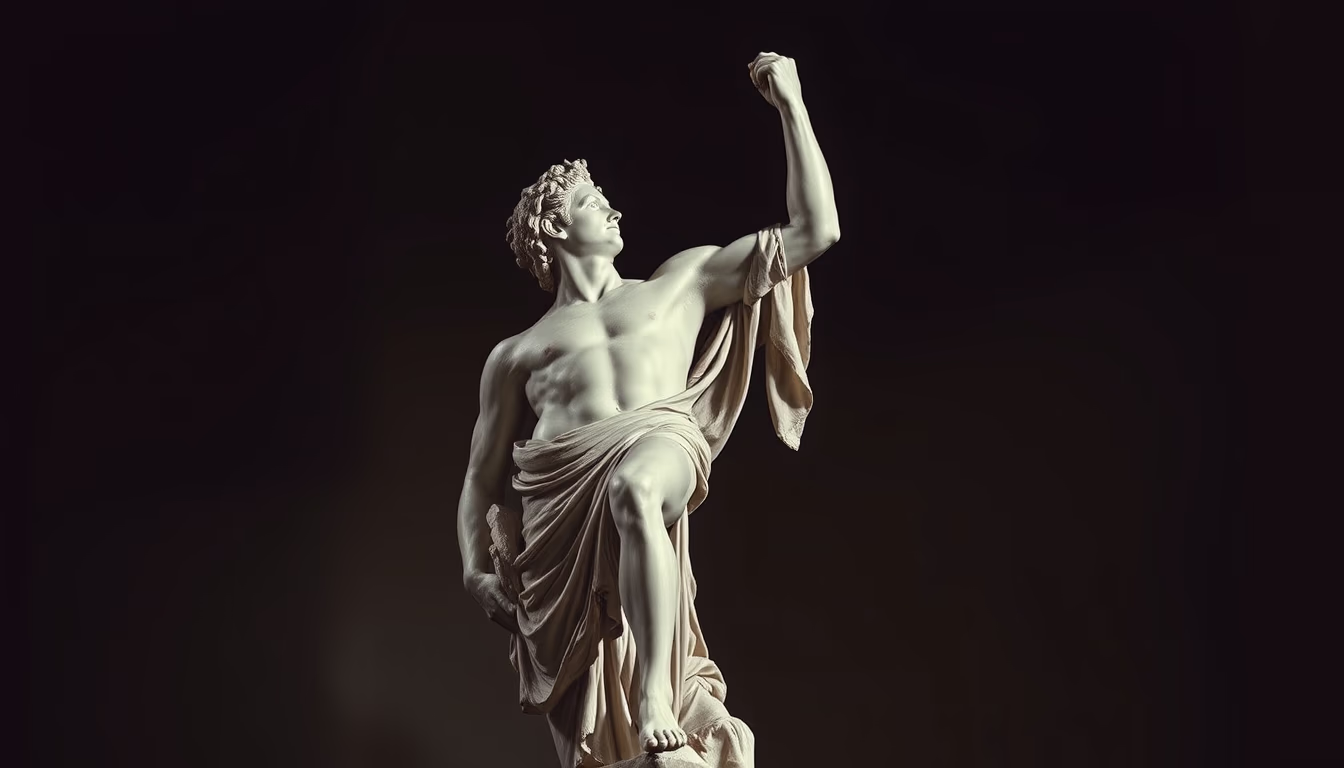
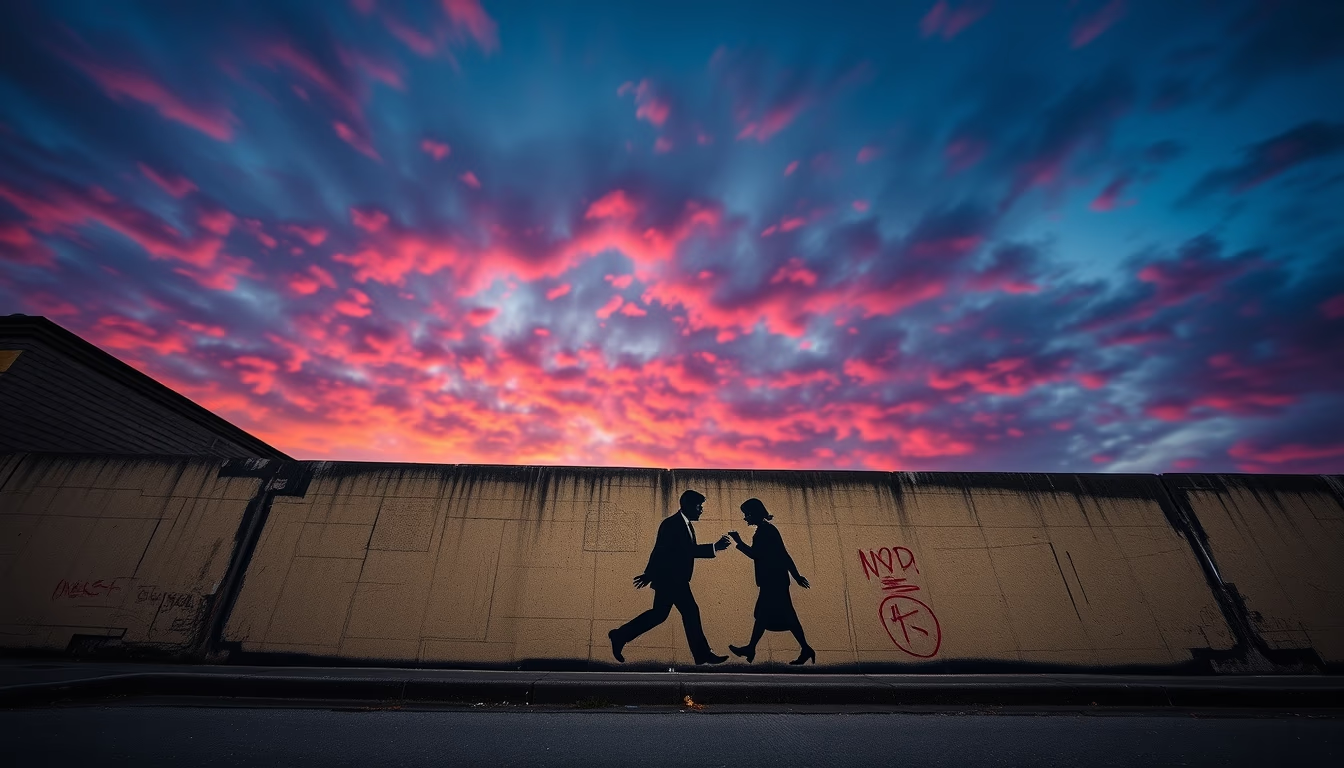
Detail from Leonardo da Vinci's Last Supper, a Renaissance masterpiece that revolutionized the depiction of emotion and perspective.
About this subject
The Last Supper is a monumental fresco painted by Leonardo da Vinci between 1495 and 1498 in the refectory of the Convent of Santa Maria delle Grazie in Milan. The work depicts the biblical moment when Jesus announces that one of the apostles will betray him, capturing the distinct reactions of each disciple. Leonardo innovated by using linear perspective with a vanishing point centered on Christ's head, creating depth that directs the viewer's gaze. Unlike traditional fresco techniques, he experimented with tempera and oil on plaster, which accelerated the painting's deterioration as early as the 16th century. Despite multiple restorations, the original work has lost many details, but still exhibits Leonardo's mastery of gesture and expression. The detail in question may focus on a specific figure, such as Judas or John, highlighting the dramatic tension of the moment. Recent studies using multispectral technology have revealed hidden layers and corrections made by the artist, showcasing his meticulous creative process. The Last Supper is considered one of the most analyzed paintings in history, influencing countless cultural and religious representations. Its original location in a monastic refectory allowed monks to meditate on the scene during meals, integrating art and daily life.
Frequently Asked Questions
Why is Leonardo da Vinci's Last Supper so damaged?
Leonardo used an experimental technique of tempera and oil on dry plaster instead of traditional fresco on wet plaster. This caused the paint to flake and suffer from humidity and mold early on. Additionally, during World War II, the refectory was bombed, but the wall with the painting survived thanks to protection with sandbags.
How many times has the Last Supper been restored?
The work has undergone at least eight major restorations since the 18th century. The most recent and controversial one was completed in 1999 after 21 years of work, removing overpaint and attempting to stabilize the surface. Critics argue that some of Leonardo's original lines were lost.
Is the most famous detail of the Last Supper the hand of Judas?
Yes, one of the most famous details is Judas's hand reaching towards the dish while also holding a bag of silver. Another iconic detail is the expression of Saint John, who appears to faint from sorrow, interpreted by some as Mary Magdalene in conspiracy theories.
Direct URL
https://pub-c7d6a6ea828543ac903a74a341ccb2e1.r2.dev/imagens/last-supper-detail-cinematic-wide-shot-p8.avifHow to credit
Include a visible link back to UtilizAí. Copy one of the snippets below:
<a href="https://xn--utiliza-eza.com/en/midia/imagens/last-supper-detail-cinematic-wide-shot-p8">Last supper detail</a> by <a href="https://xn--utiliza-eza.com">UtilizAí</a>, licensed under <a href="https://creativecommons.org/licenses/by/4.0/">CC BY 4.0</a>.
[Last supper detail](https://xn--utiliza-eza.com/en/midia/imagens/last-supper-detail-cinematic-wide-shot-p8) by [UtilizAí](https://xn--utiliza-eza.com), CC BY 4.0
License: CC-BY-4.0