Lake baikal frozen
1344×768 · AVIF · CC BY 4.0
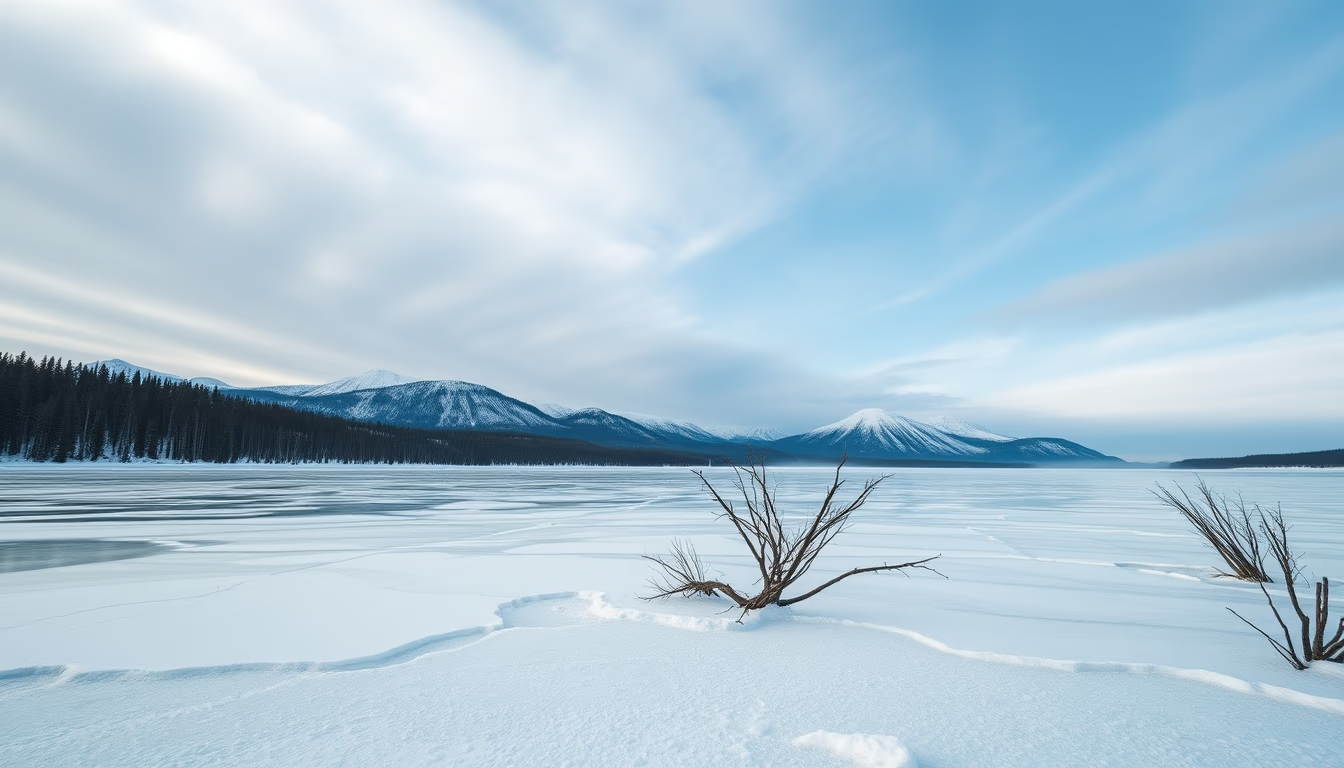
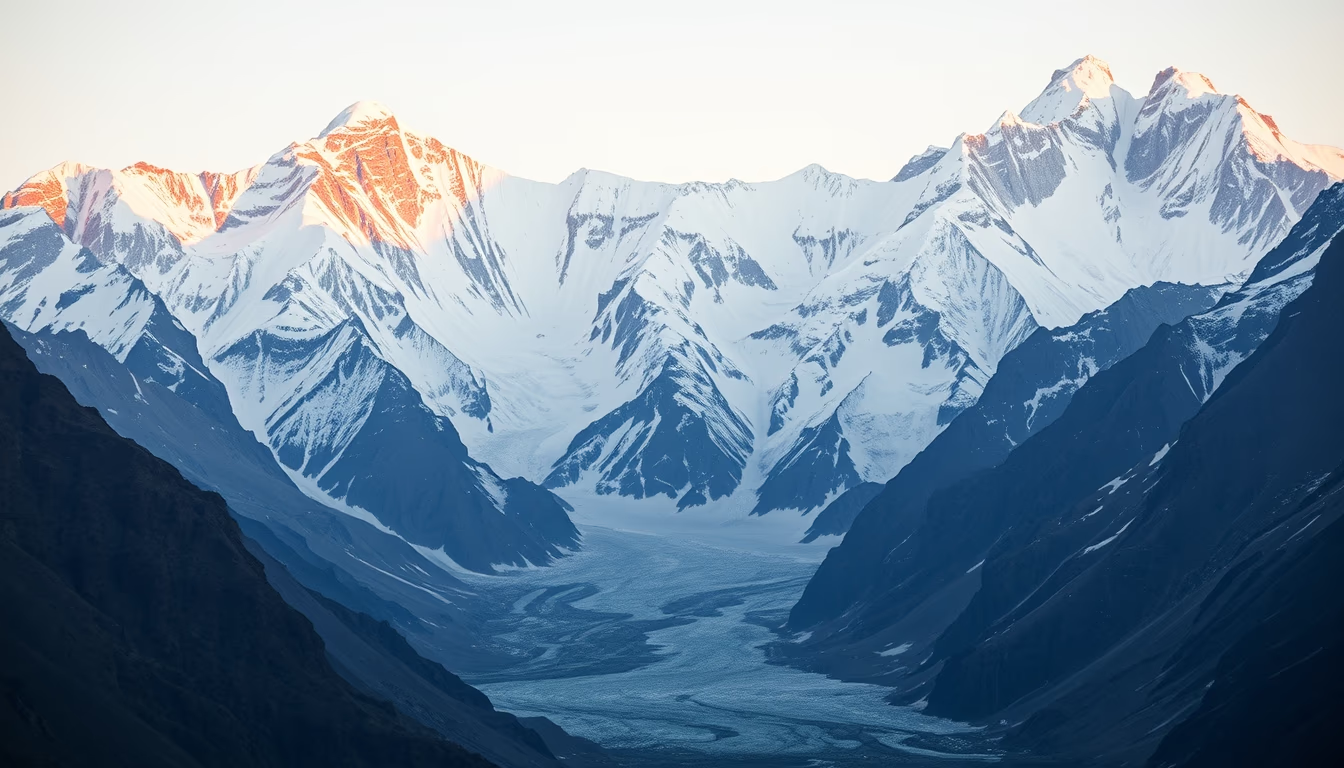
Lake Baikal in Siberia is the world's largest freshwater lake by volume, hosting unique crystalline ice phenomena in winter.
About this subject
Lake Baikal, located in Southern Siberia, Russia, is the world's oldest and deepest lake, at approximately 25 million years old. Its maximum depth exceeds 1,642 meters, and it holds about 20% of the planet's unfrozen freshwater. In winter, the lake freezes from January to May, forming ice up to 2 meters thick. The ice is renowned for its transparency and vivid blue tones, due to the extreme purity of the water and lack of sediments. Circular cracks and “stained glass” ice patterns are caused by thermal currents and winds, creating landscapes that attract photographers and scientists.
Culturally, the lake is sacred to the Buryat people, who perform ancestral rituals along its shores. Baikal is also home to notable endemic species such as the Baikal seal (Pusa sibirica), the world's only freshwater seal. The lake hosts over 2,500 species, of which about 80% are endemic. The ecosystem faces threats such as industrial pollution from the Baikalsk pulp mill (closed in 2013) and climate change, which affects the freezing cycle.
The Baikal region has been a UNESCO World Heritage Site since 1996, recognized for its biological and geological importance. The frozen landscapes have inspired artists and writers, including filmmaker Sergey Solovyov. The phenomenon of brittle ice and “ice caves” along rocky shores is a top winter ecotourism destination in Russia, though access is limited to experienced guides due to the danger of falling through thin ice.
Frequently Asked Questions
Why is the ice of Lake Baikal so transparent?
The ice's transparency is due to the high purity of the water, low sediment content, and slow freezing process that forms large, clear crystals.
What is the maximum depth of Lake Baikal?
Lake Baikal has a maximum depth of about 1,642 meters, making it the deepest lake in the world. Its average depth is 744 meters.
Is Lake Baikal threatened by climate change?
Yes, global warming is already altering the freeze-thaw cycle, reducing ice cover duration and impacting the lake's unique ecosystem.
Direct URL
https://pub-c7d6a6ea828543ac903a74a341ccb2e1.r2.dev/imagens/lake-baikal-frozen-national-geographic-style-p8.avifHow to credit
Include a visible link back to UtilizAí. Copy one of the snippets below:
<a href="https://xn--utiliza-eza.com/en/midia/imagens/lake-baikal-frozen-national-geographic-style-p8">Lake baikal frozen</a> by <a href="https://xn--utiliza-eza.com">UtilizAí</a>, licensed under <a href="https://creativecommons.org/licenses/by/4.0/">CC BY 4.0</a>.
[Lake baikal frozen](https://xn--utiliza-eza.com/en/midia/imagens/lake-baikal-frozen-national-geographic-style-p8) by [UtilizAí](https://xn--utiliza-eza.com), CC BY 4.0
License: CC-BY-4.0