Kilimanjaro tanzania snow
1344×768 · AVIF · CC BY 4.0
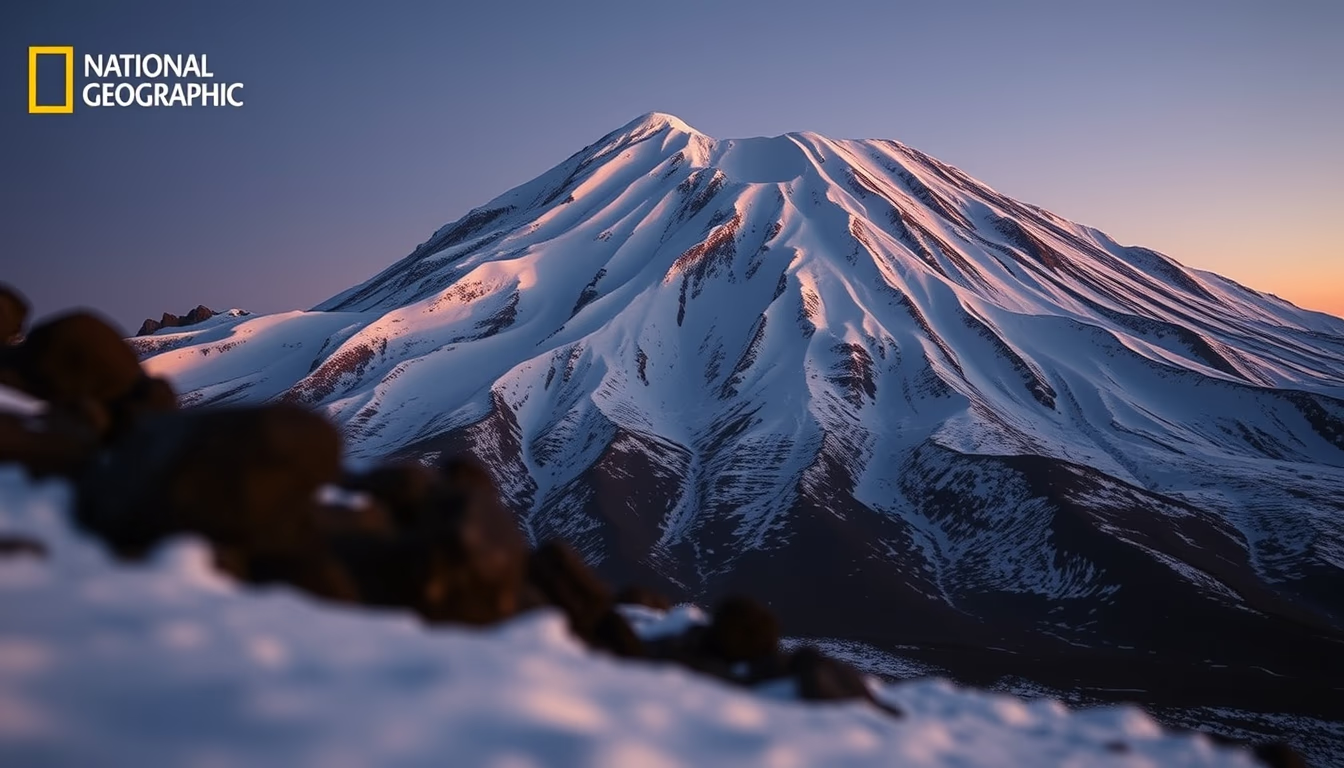
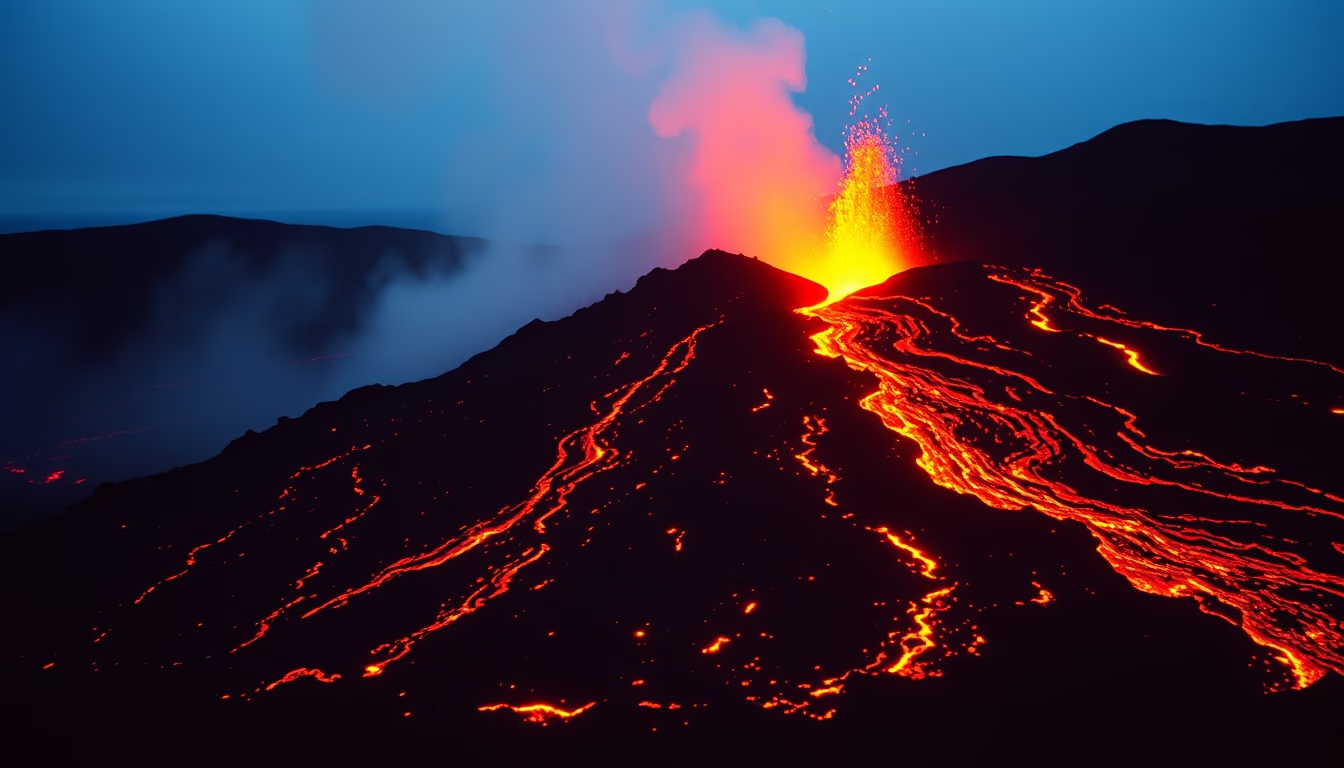
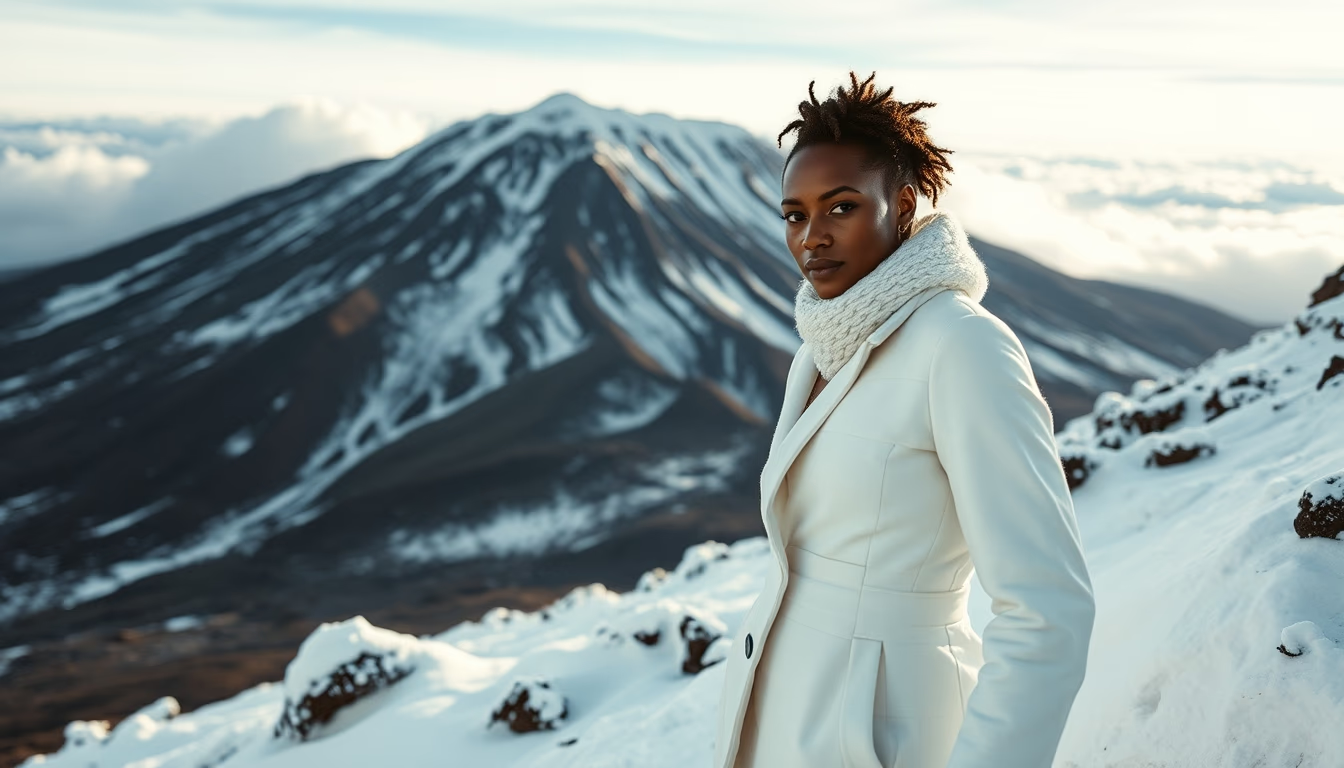
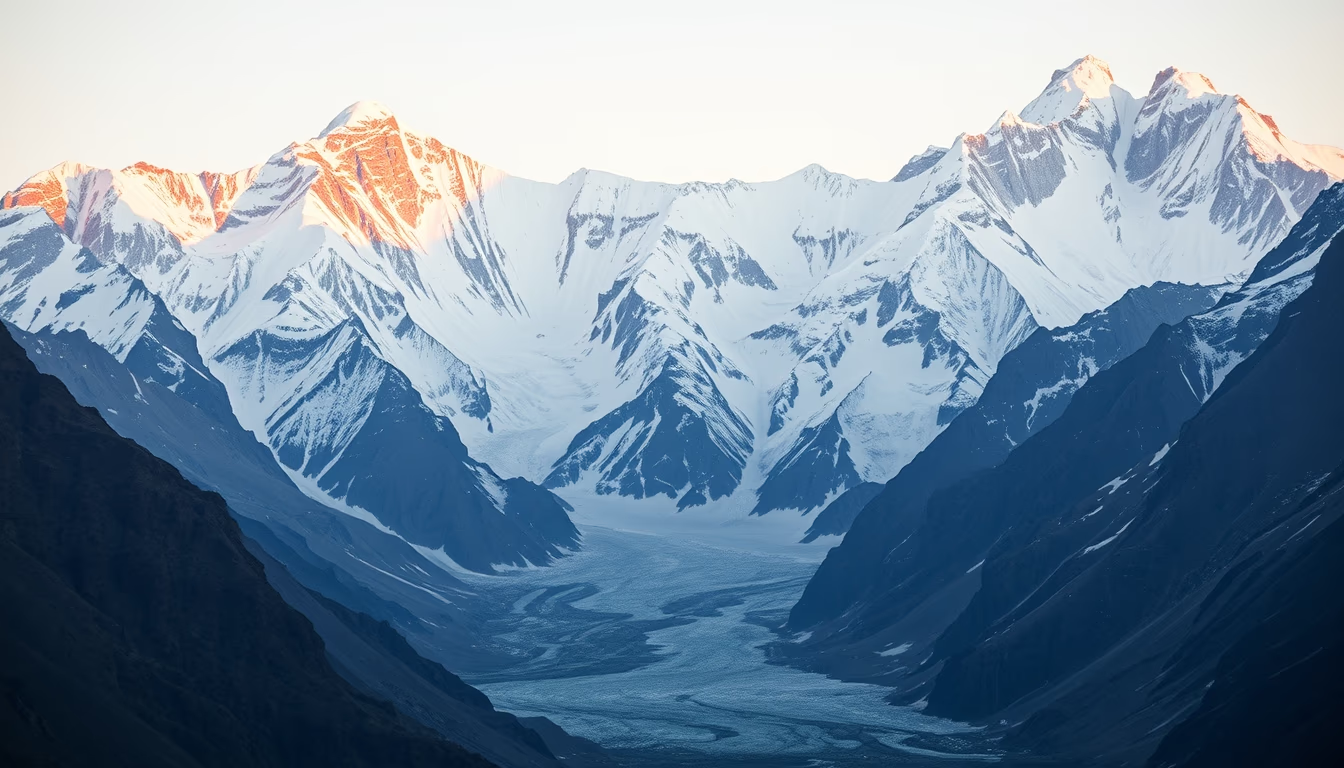
Mount Kilimanjaro in Tanzania is Africa's highest peak, its iconic snowcap and glaciers rapidly retreating due to climate change, with significant loss observed in recent decades.
About this subject
Mount Kilimanjaro, located in northeastern Tanzania near the border with Kenya, is a dormant stratovolcano that stands at 5,895 meters (19,341 feet), making it the highest peak in Africa. Its iconic snow-capped summit, immortalized in Ernest Hemingway's short story 'The Snows of Kilimanjaro,' has been shrinking dramatically. Since the early 20th century, Kilimanjaro's glaciers have lost over 80% of their mass, and scientists predict they could vanish entirely between 2030 and 2050 due to rising global temperatures and decreasing snowfall.
The glacial retreat is driven by a combination of higher air temperatures and reduced precipitation, which reduces ice accumulation. The mountain's ice fields, such as the Furtwängler Glacier and the Northern Ice Field, have fragmented. This loss affects not only the iconic landscape but also local ecosystems and water resources, as seasonal meltwater supports rivers and agriculture. Mount Kilimanjaro is a UNESCO World Heritage Site and a major tourist destination, attracting trekkers from around the world.
For the local Chagga people, the mountain holds spiritual significance, and its name is thought to mean 'mountain of greatness' or 'that which is impossible to climb.' The first recorded ascent was in 1889 by German geographer Hans Meyer and Austrian mountaineer Ludwig Purtscheller. Today, popular climbing routes like the Machame and Lemosho trails offer diverse scenery, but climbers face altitude sickness and the ever-changing ice conditions. The loss of Kilimanjaro's snow would be a powerful symbol of climate change's impact on the planet's most iconic landscapes.
Frequently Asked Questions
Why are the glaciers on Kilimanjaro melting?
The melting is driven by rising global temperatures and decreased snowfall due to climate change. Since 1912, Kilimanjaro's glaciers have lost over 80% of their area.
Can you still see snow on top of Kilimanjaro?
Yes, snow still appears on the summit (Uhuru Peak), especially during the rainy season from March to May. However, the permanent ice fields are shrinking and may disappear within the next few decades.
What is the exact elevation of Mount Kilimanjaro?
The official elevation of Uhuru Peak is 5,895 meters (19,341 feet) above sea level, as determined by GPS and recent geodetic surveys.
Direct URL
https://pub-c7d6a6ea828543ac903a74a341ccb2e1.r2.dev/imagens/kilimanjaro-tanzania-snow-national-geographic-style-p10.avifHow to credit
Include a visible link back to UtilizAí. Copy one of the snippets below:
<a href="https://xn--utiliza-eza.com/en/midia/imagens/kilimanjaro-tanzania-snow-national-geographic-style-p10">Kilimanjaro tanzania snow</a> by <a href="https://xn--utiliza-eza.com">UtilizAí</a>, licensed under <a href="https://creativecommons.org/licenses/by/4.0/">CC BY 4.0</a>.
[Kilimanjaro tanzania snow](https://xn--utiliza-eza.com/en/midia/imagens/kilimanjaro-tanzania-snow-national-geographic-style-p10) by [UtilizAí](https://xn--utiliza-eza.com), CC BY 4.0
License: CC-BY-4.0