Kilimanjaro tanzania snow
1344×768 · AVIF · CC BY 4.0
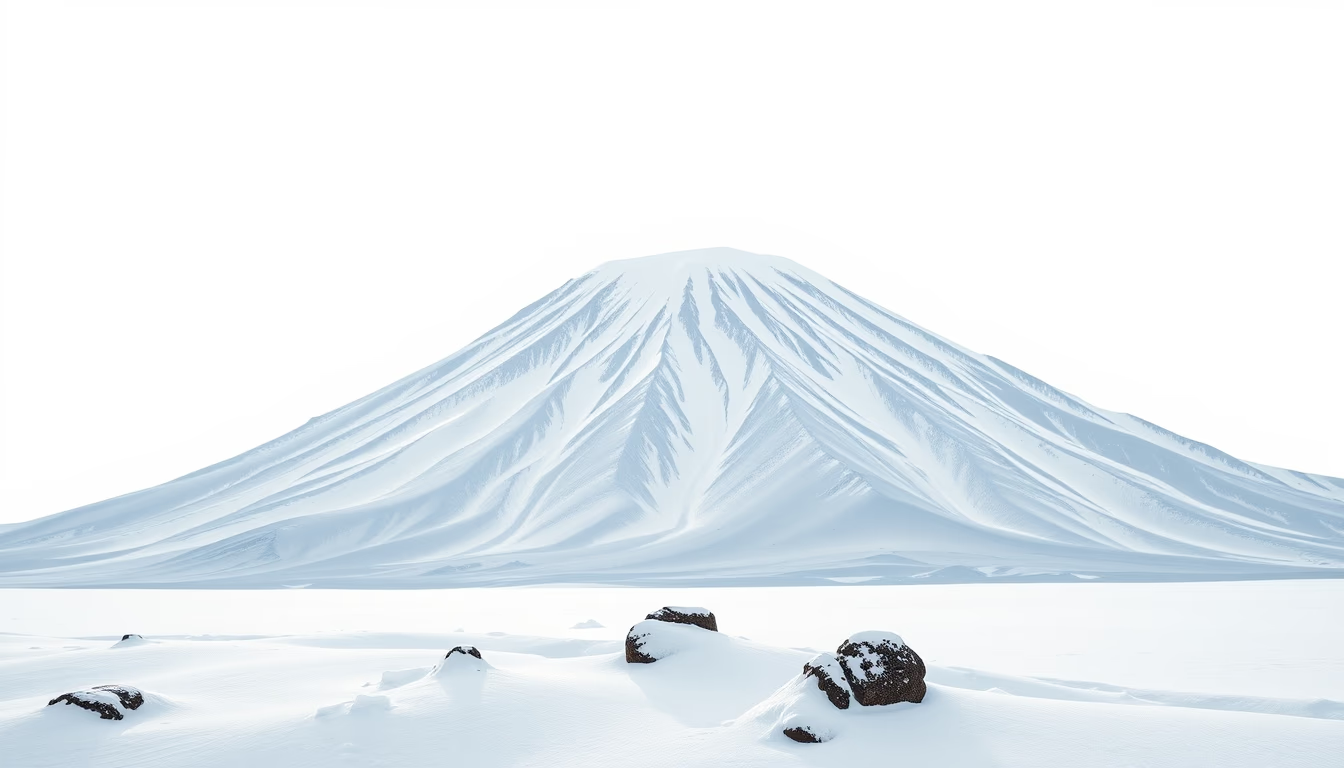
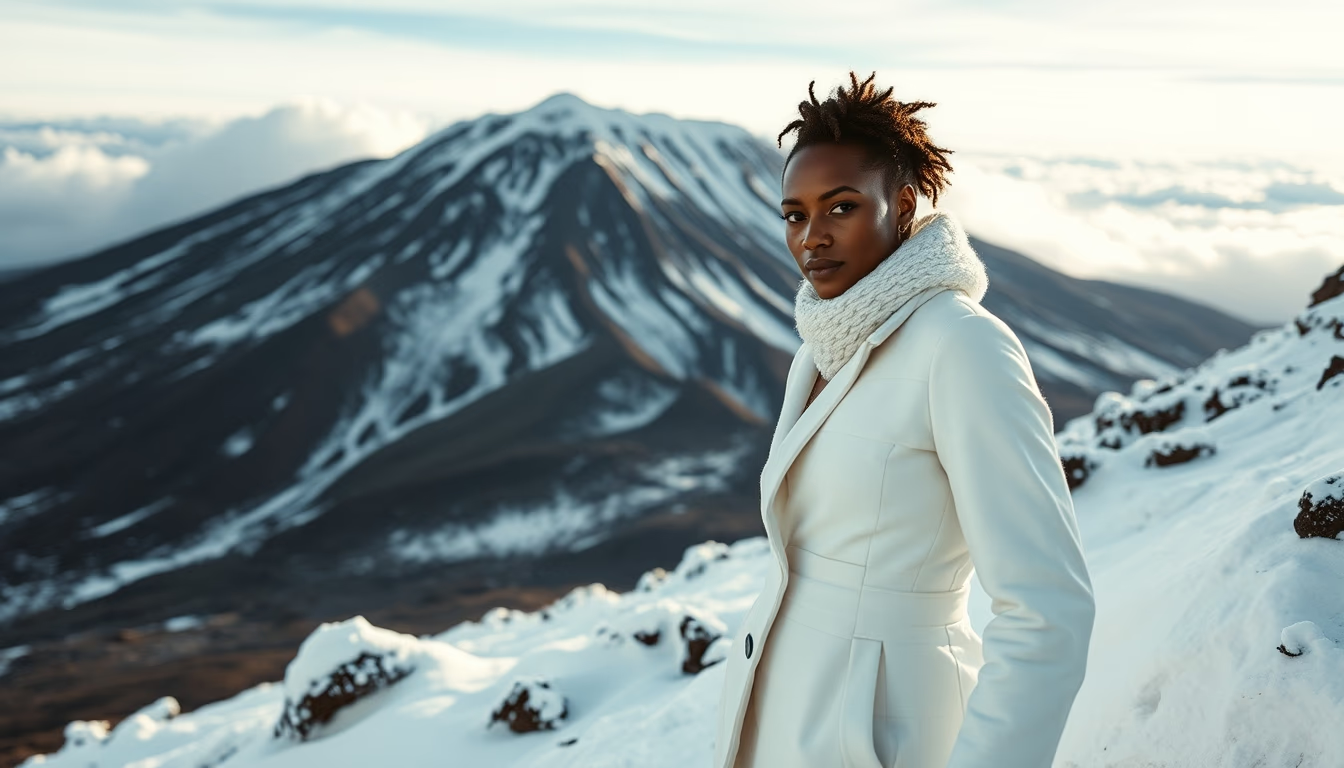
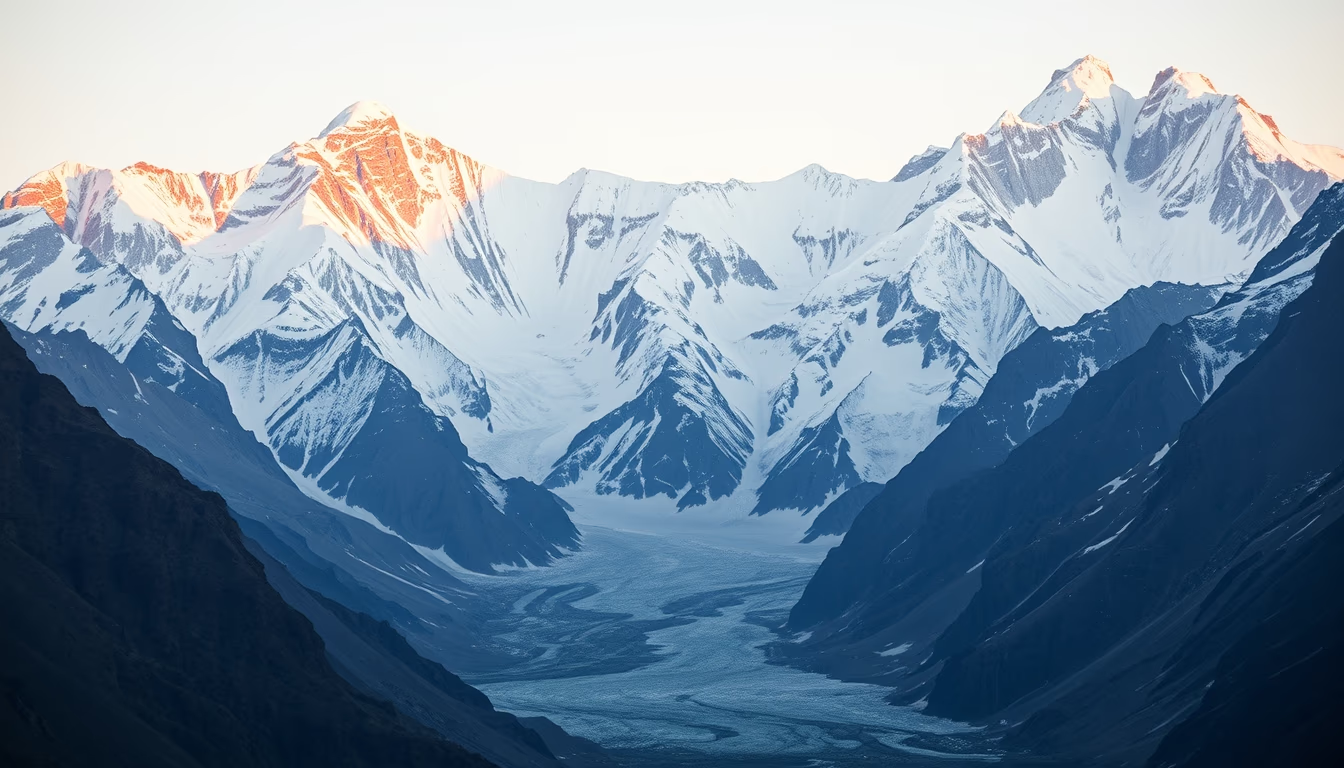
Mount Kilimanjaro in Tanzania is renowned for its snow-capped peak, a glacial spectacle threatened by global warming.
About this subject
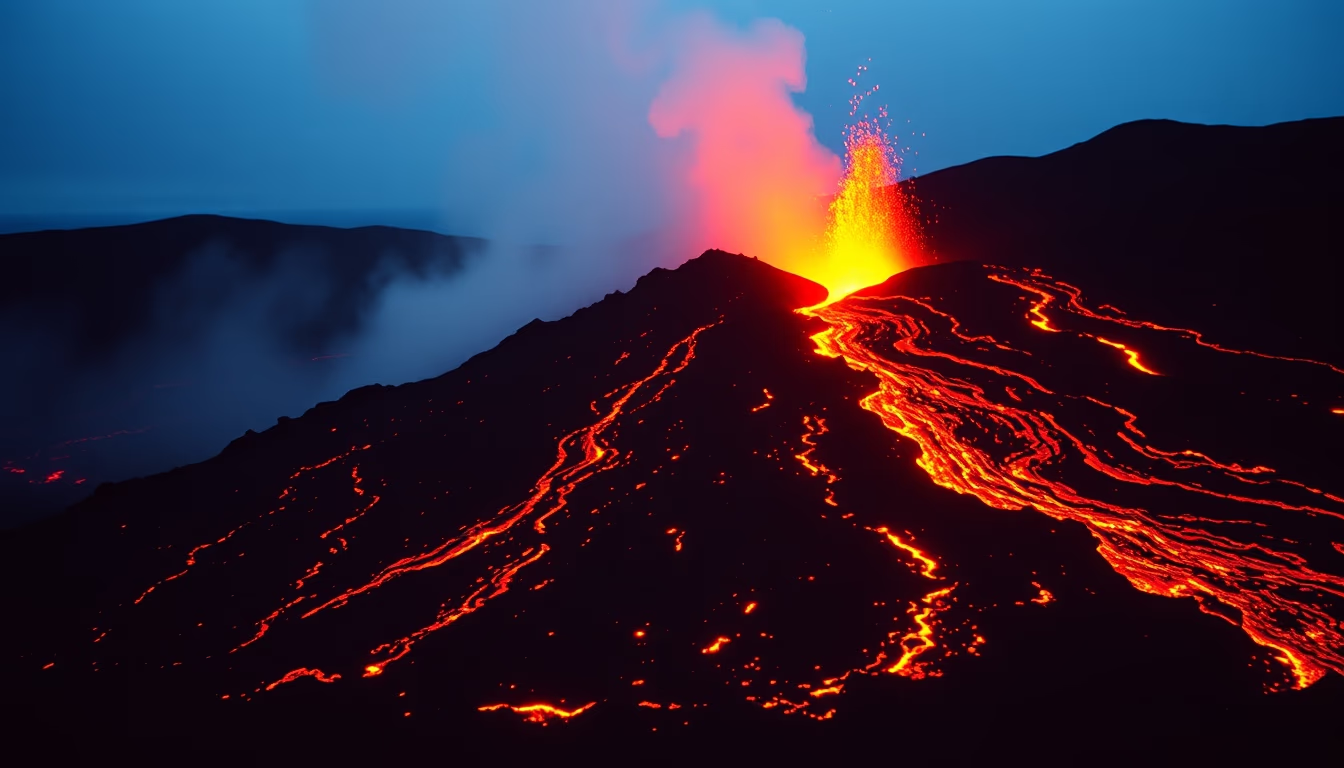
Mount Kilimanjaro, standing at 5,895 meters, is the highest mountain in Africa and one of the few places on the continent where snow persists year-round. Its snow-capped summit forms a striking contrast with the surrounding savanna plains. The glaciers of Kilimanjaro are remnants of a colder glacial period and have been studied by scientists as indicators of climate change. Since the early 20th century, over 80% of the mountain's glacial area has disappeared, with projections suggesting the remaining ice could vanish completely by 2040 or 2050 if current warming trends continue.
The snow on Kilimanjaro is not only a tourist attraction but also a vital water source for local ecosystems. Gradual melting affects rivers that depend on seasonal thaw, impacting agriculture and water supply in surrounding regions. The mountain, a dormant volcano with three volcanic cones (Kibo, Mawenzi, and Shira), attracts thousands of climbers and tourists annually. The most popular route is the Marangu Route, offering views of the glaciers on Kibo's summit.
Culturally, Kilimanjaro holds great importance for the Chagga people living on its slopes. They consider the mountain sacred and associate the snow with the divine. The name Kilimanjaro is of uncertain origin but likely means 'mountain that shines' in Swahili, a direct reference to its snowy peak. Changes in snow cover are monitored by satellites and scientific expeditions, serving as a global warning about the effects of greenhouse gas emissions.
Frequently Asked Questions
Why is the snow on Kilimanjaro melting so fast?
The accelerated melting of Kilimanjaro's glaciers is primarily caused by rising global temperatures due to climate change, combined with reduced snowfall and increased exposure to sunlight.
Can you see snow on Kilimanjaro all year round?
Yes, the summit of Kilimanjaro maintains permanent snow and ice, but the extent has decreased dramatically. The best time to see snow is during the dry season, from June to October and December to March.
What is the importance of Kilimanjaro's glaciers for the region?
The glaciers provide water for rivers that supply communities and agriculture on the slopes. Their disappearance could lead to water scarcity and impact local biodiversity.
Direct URL
https://pub-c7d6a6ea828543ac903a74a341ccb2e1.r2.dev/imagens/kilimanjaro-tanzania-snow-commercial-product-photography-p8.avifHow to credit
Include a visible link back to UtilizAí. Copy one of the snippets below:
<a href="https://xn--utiliza-eza.com/en/midia/imagens/kilimanjaro-tanzania-snow-commercial-product-photography-p8">Kilimanjaro tanzania snow</a> by <a href="https://xn--utiliza-eza.com">UtilizAí</a>, licensed under <a href="https://creativecommons.org/licenses/by/4.0/">CC BY 4.0</a>.
[Kilimanjaro tanzania snow](https://xn--utiliza-eza.com/en/midia/imagens/kilimanjaro-tanzania-snow-commercial-product-photography-p8) by [UtilizAí](https://xn--utiliza-eza.com), CC BY 4.0
License: CC-BY-4.0