Kilimanjaro tanzania snow
1344×768 · AVIF · CC BY 4.0
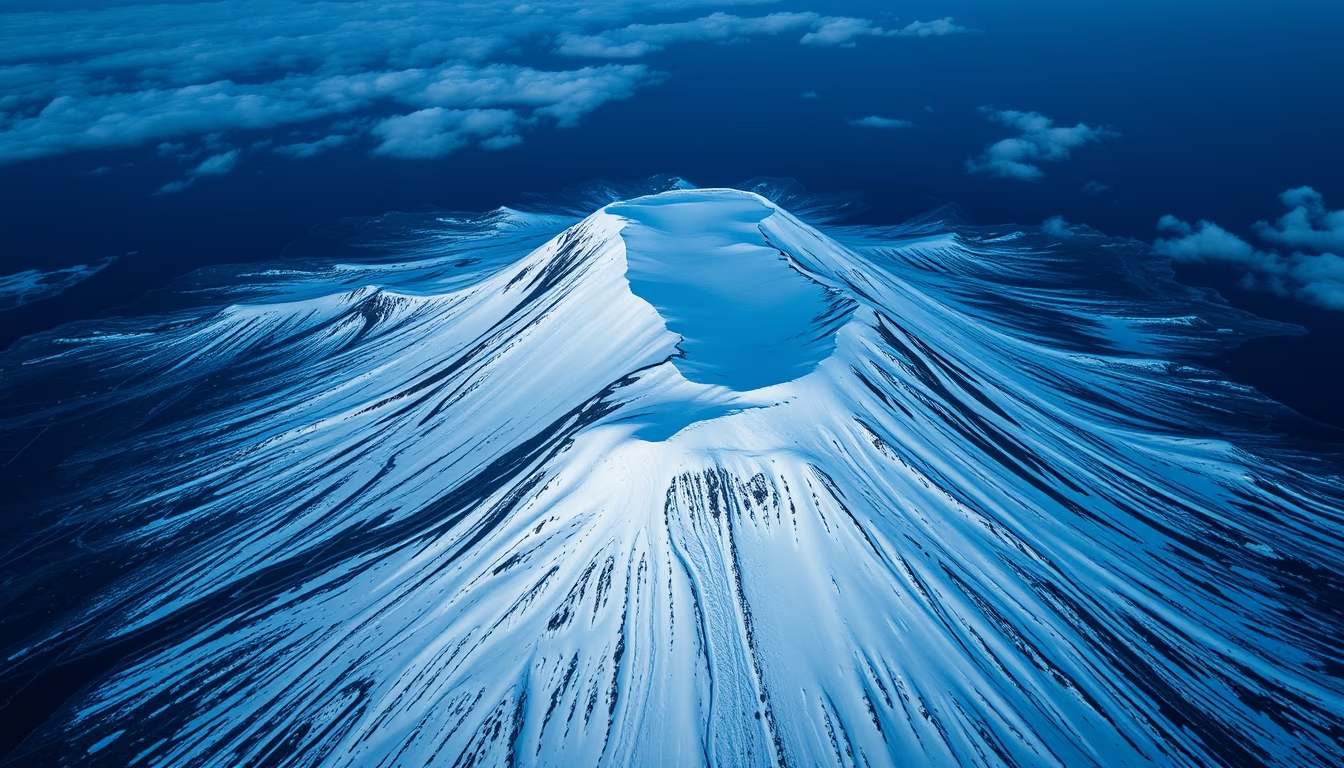
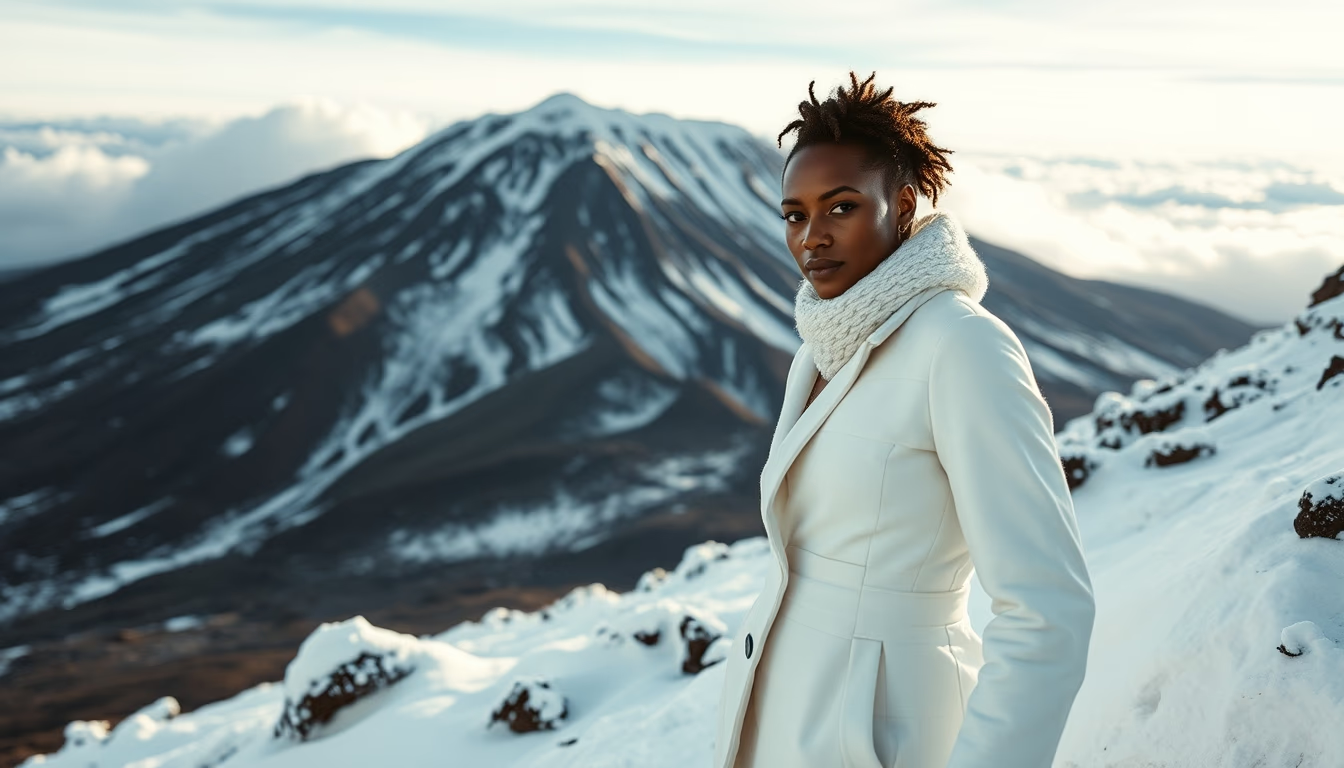
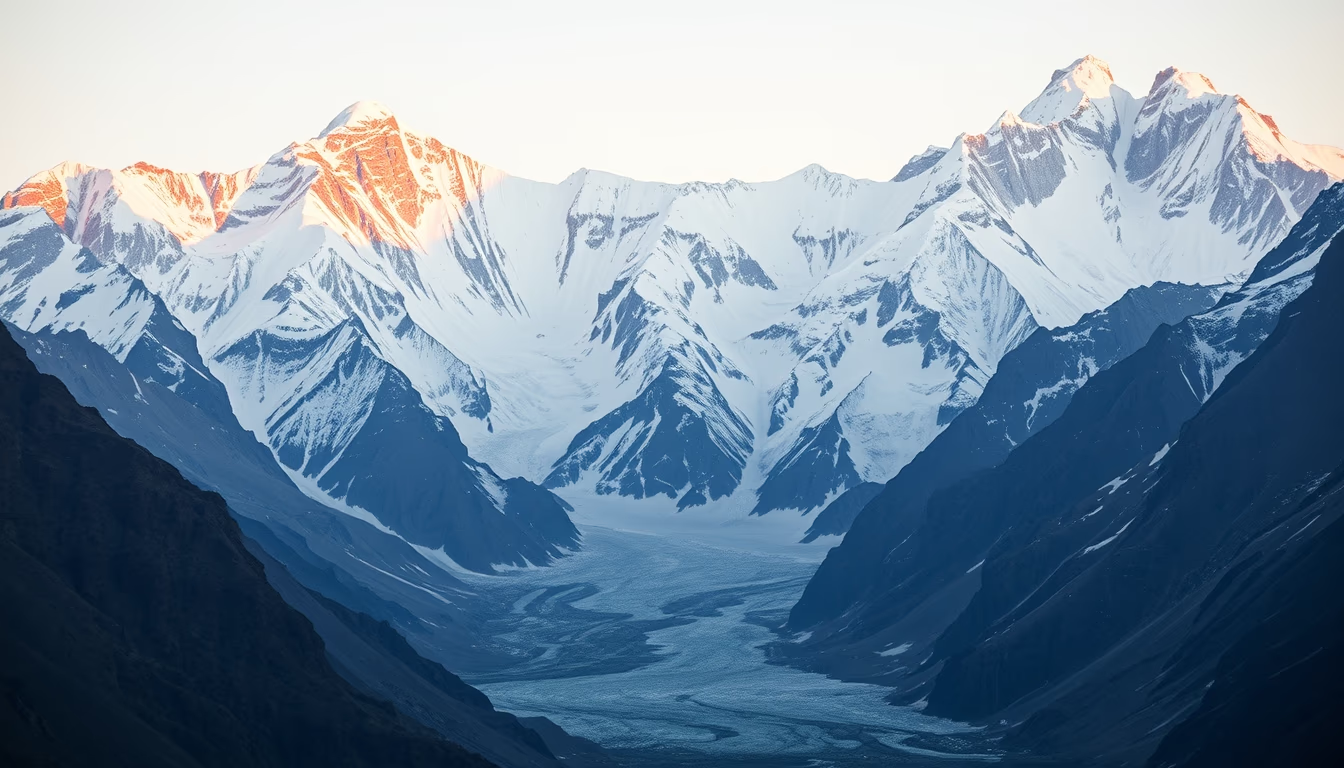
Mount Kilimanjaro in Tanzania is Africa's highest peak, and its summit glaciers are among the most threatened symbols of climate change.
About this subject
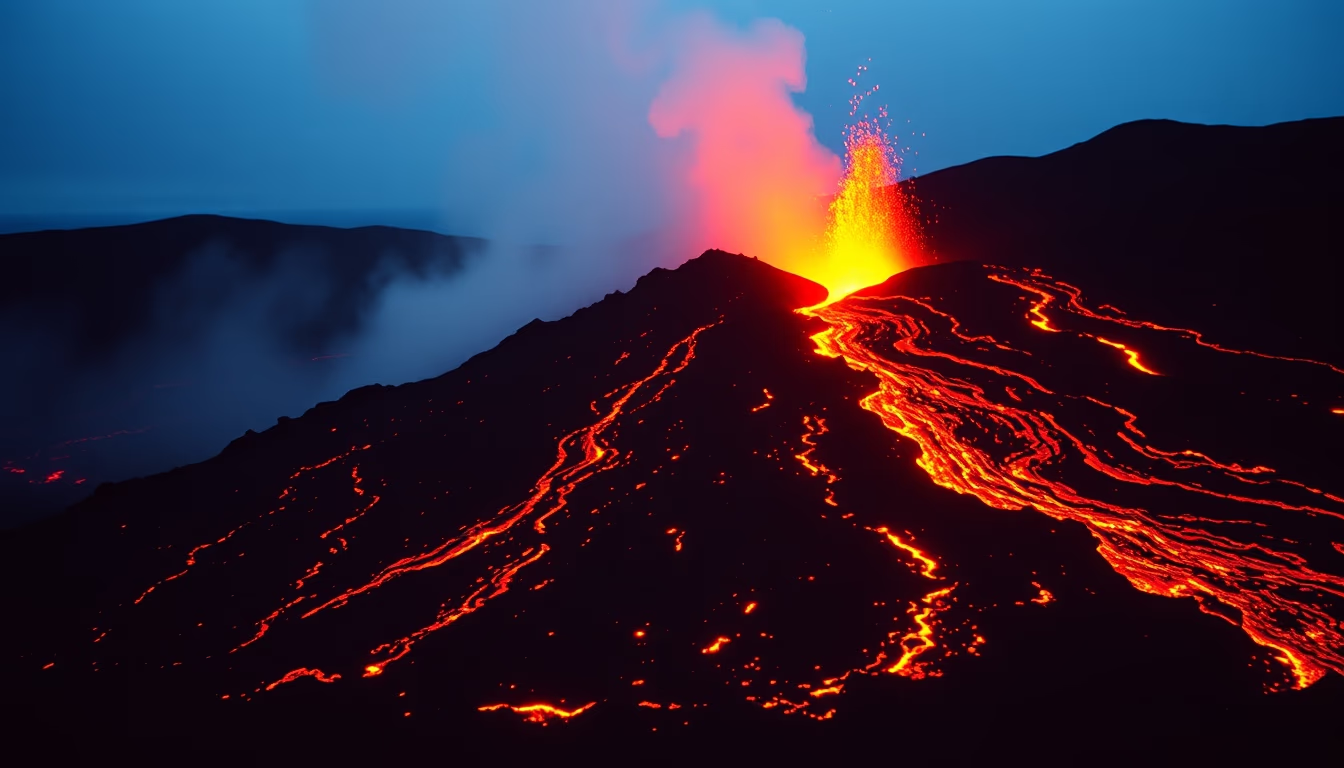
Mount Kilimanjaro, standing at 5,895 meters, is a dormant volcano located in northeastern Tanzania near the Kenyan border. It is the highest point in Africa and one of the largest free-standing mountains in the world, rising dramatically from the surrounding plains. Its geological formation spans millions of years, resulting from volcanic activity that created three distinct cones: Kibo, Mawenzi, and Shira. Kibo, the highest, contains the crater that holds the famous glaciers.
The permanent snows of Kilimanjaro, celebrated by Hemingway and explorers, are actually tropical glaciers that have been retreating drastically since the late 19th century. It is estimated that since 1912, about 85% of the ice cover has disappeared. These ice masses are remnants of a wetter period during the last ice age, about 11,000 years ago. Their existence on the equator is only possible due to extreme altitude, where average temperatures remain below freezing.
The accelerated retreat of Kilimanjaro's glaciers is primarily attributed to global climate change, combined with reduced snowfall and increased solar radiation. Scientific studies indicate that if the current trend continues, the glaciers could disappear completely between 2030 and 2050. This scenario not only alters the mountain's iconic landscape but also affects local tourism, the basis of the regional economy, and ecosystems that depend on seasonal meltwater for freshwater resources.
Frequently Asked Questions
Why does Kilimanjaro have snow on its summit if it is located near the equator?
The presence of snow on Kilimanjaro, even near the equator, is due to its extreme altitude. The average temperature at the summit remains below freezing throughout the year, allowing glaciers to form and persist.
How much time is left for Kilimanjaro's glaciers to disappear?
According to scientific projections, if the current retreat rate continues, Kilimanjaro's glaciers could disappear completely between 2030 and 2050.
What does the melting of Kilimanjaro's glaciers mean for the region?
The disappearance of the glaciers impacts tourism, the main source of local income, and affects water supply for communities and ecosystems that depend on seasonal meltwater.
Direct URL
https://pub-c7d6a6ea828543ac903a74a341ccb2e1.r2.dev/imagens/kilimanjaro-tanzania-snow-aerial-drone-shot-p3.avifHow to credit
Include a visible link back to UtilizAí. Copy one of the snippets below:
<a href="https://xn--utiliza-eza.com/en/midia/imagens/kilimanjaro-tanzania-snow-aerial-drone-shot-p3">Kilimanjaro tanzania snow</a> by <a href="https://xn--utiliza-eza.com">UtilizAí</a>, licensed under <a href="https://creativecommons.org/licenses/by/4.0/">CC BY 4.0</a>.
[Kilimanjaro tanzania snow](https://xn--utiliza-eza.com/en/midia/imagens/kilimanjaro-tanzania-snow-aerial-drone-shot-p3) by [UtilizAí](https://xn--utiliza-eza.com), CC BY 4.0
License: CC-BY-4.0