Kilauea hawaii lava flow
1344×768 · AVIF · CC BY 4.0
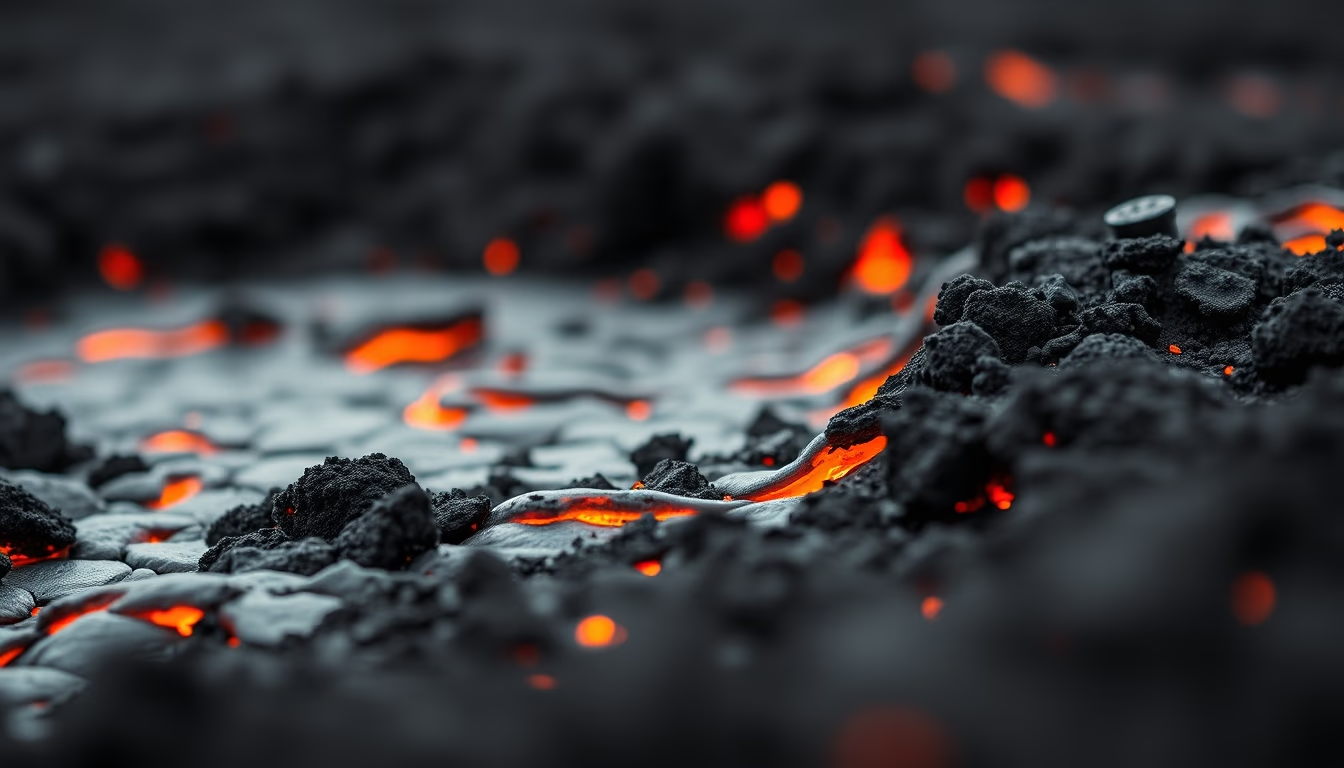
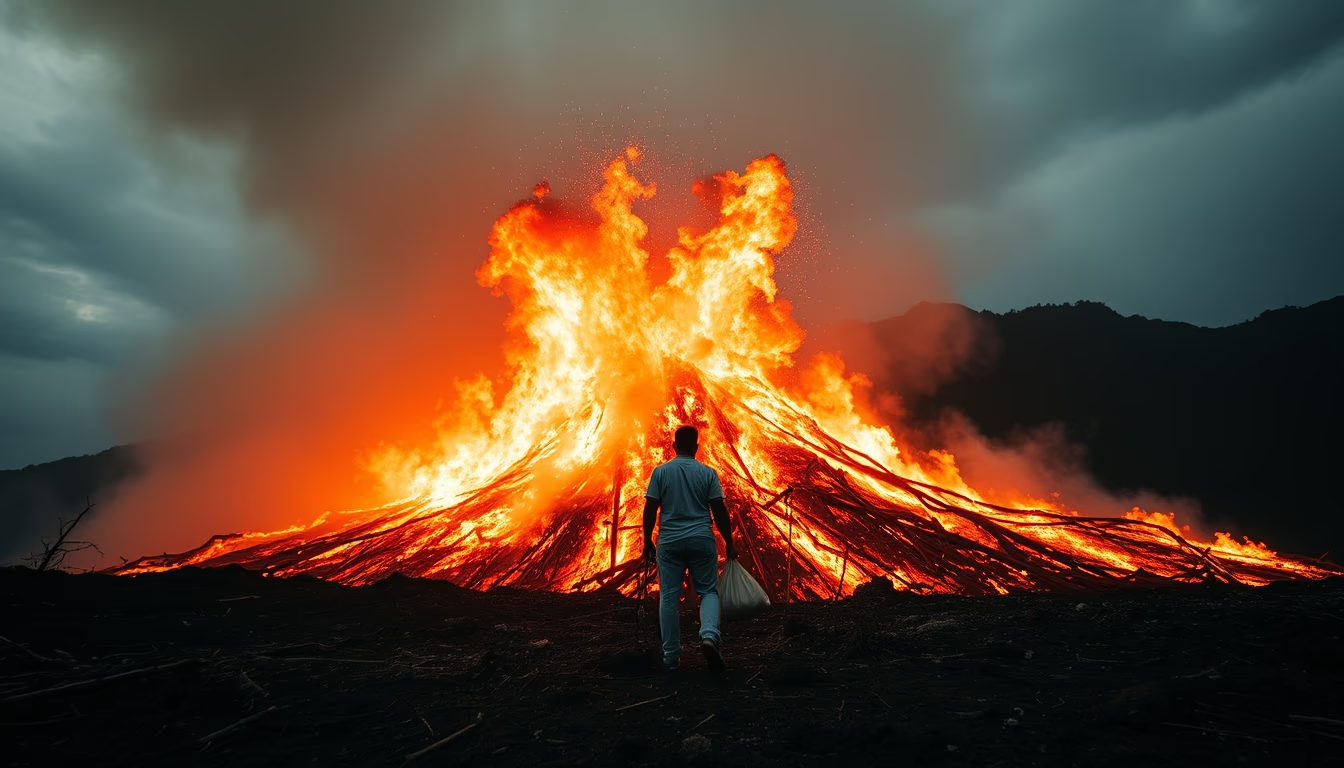
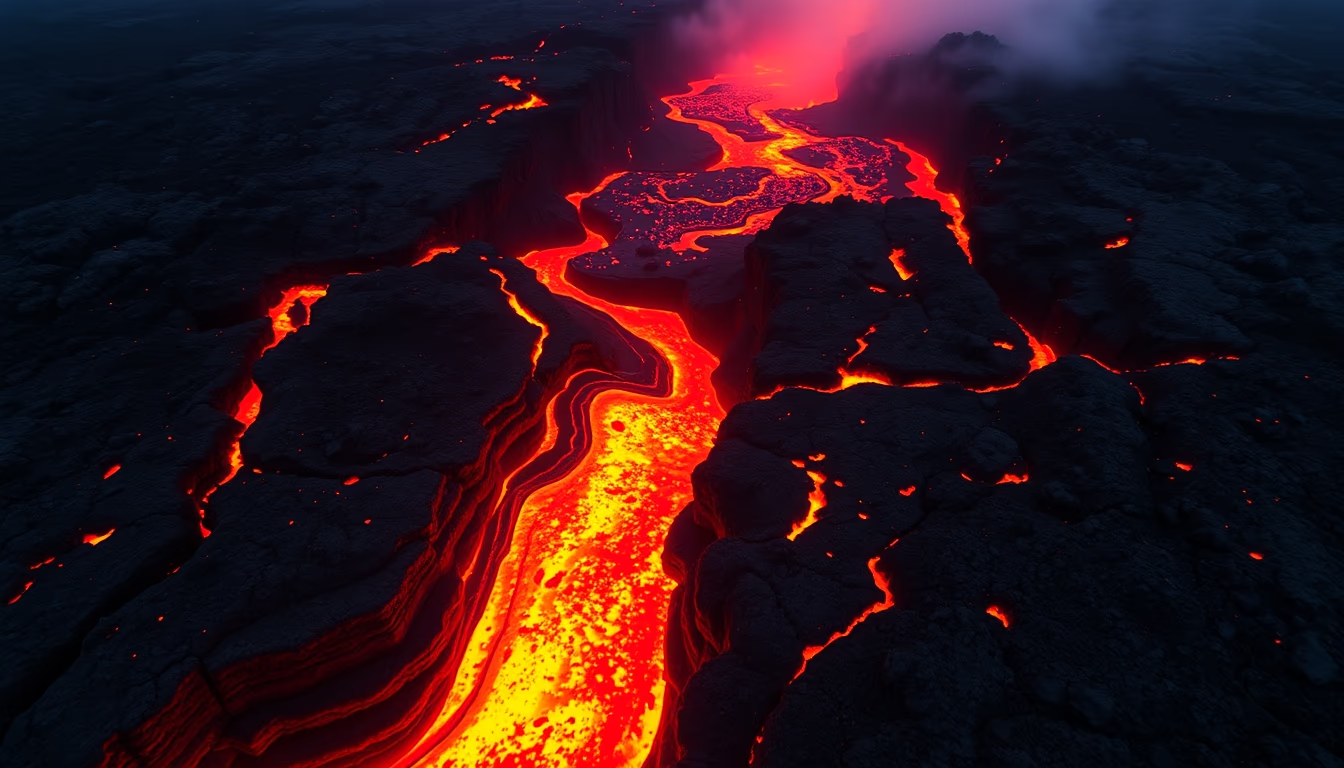
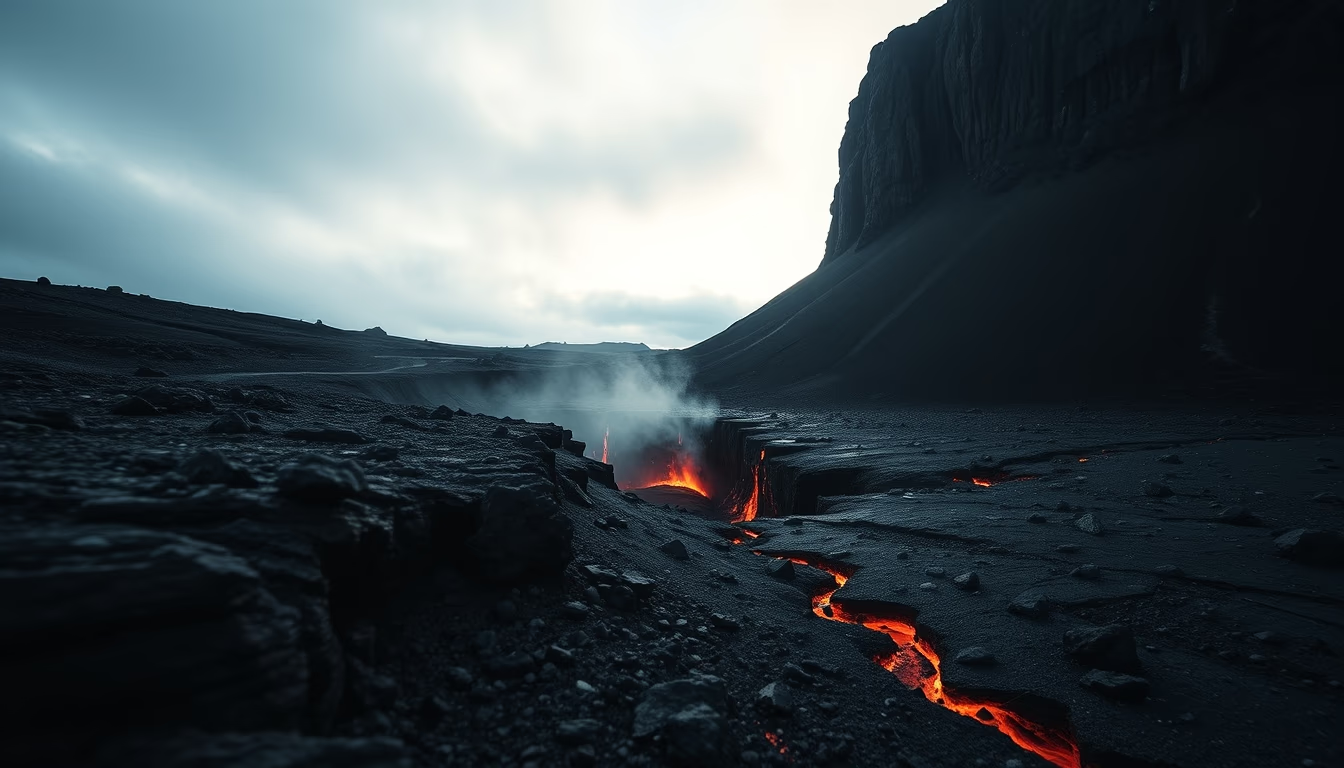
Lava flow from Kilauea volcano in Hawaii, one of the world's most active volcanoes, shaping the Big Island's landscape with frequent eruptions.
About this subject
Kilauea is a shield volcano located on the southeastern part of the Big Island of Hawaii, known as one of the most active volcanoes on Earth. Its eruptive activity has been continuous since 1983, highlighted by the 35-year-long Puʻu ʻŌʻō eruption that ended in 2018. Kilauea's lavas are basaltic with low viscosity, allowing them to flow great distances before solidifying. This creates vast lava fields, observed in the East Rift Zone and the summit caldera, which often reach the ocean, forming lava deltas and producing toxic steam plumes.
The most recent significant eruption occurred in 2018, when the Lower East Rift Zone eruption destroyed hundreds of homes in the Leilani Estates and Lanipuna Gardens neighborhoods, drastically altering the coastal landscape. Kilauea is constantly monitored by the Hawaiian Volcano Observatory (HVO), employing seismographs, cameras, and gas sensors to forecast activity. Its lava, rich in minerals like olivine, is a major tourist attraction at Hawaiʻi Volcanoes National Park, which also encompasses neighboring Mauna Loa.
Culturally, Kilauea is sacred in Hawaiian mythology. Halemaʻumaʻu Crater at its summit is believed to be the home of Pele, the goddess of fire and volcanoes. Eruptions are seen as expressions of her anger or generosity. Lava flows not only destroy but also create new land, expanding the island's area. It is estimated that Kilauea adds about 40 acres (16 hectares) of land to Hawaii each year, depending on eruption intensity.
For geologists, Kilauea offers a unique opportunity to study volcanic processes in real time. Lava samples allow analysis of mantle composition and understanding of hotspot dynamics that formed the Hawaiian archipelago. Despite dangers, eruptions are generally effusive, with lava fountains and slow-moving flows, allowing evacuations and risk mitigation, except in more explosive events like the 1924 summit caldera eruption.
Frequently Asked Questions
What is the difference between Kilauea and Mauna Loa in Hawaii?
Both Kilauea and Mauna Loa are shield volcanoes on the Big Island, but Mauna Loa is larger in volume and area. Kilauea is more active, with nearly continuous eruptions since 1983, while Mauna Loa last erupted in 1984. They are monitored separately but originate from the same hotspot.
Is it safe to visit Kilauea during an eruption?
Yes, as long as you follow the guidelines of Hawaiʻi Volcanoes National Park. Viewing areas are kept at a safe distance from active lava flows. Gas emissions like sulfur dioxide can be hazardous, but the park monitors air quality and closes areas when necessary.
What is a lava bench formed by Kilauea?
When lava reaches the ocean, it solidifies and forms a platform called a lava bench. These benches can be unstable and collapse suddenly, and they also produce acidic plumes and volcanic glass. Access to these areas is restricted for safety.
Direct URL
https://pub-c7d6a6ea828543ac903a74a341ccb2e1.r2.dev/imagens/kilauea-hawaii-lava-flow-tilt-shift-miniature-fresh9.avifHow to credit
Include a visible link back to UtilizAí. Copy one of the snippets below:
<a href="https://xn--utiliza-eza.com/en/midia/imagens/kilauea-hawaii-lava-flow-tilt-shift-miniature-fresh9">Kilauea hawaii lava flow</a> by <a href="https://xn--utiliza-eza.com">UtilizAí</a>, licensed under <a href="https://creativecommons.org/licenses/by/4.0/">CC BY 4.0</a>.
[Kilauea hawaii lava flow](https://xn--utiliza-eza.com/en/midia/imagens/kilauea-hawaii-lava-flow-tilt-shift-miniature-fresh9) by [UtilizAí](https://xn--utiliza-eza.com), CC BY 4.0
License: CC-BY-4.0