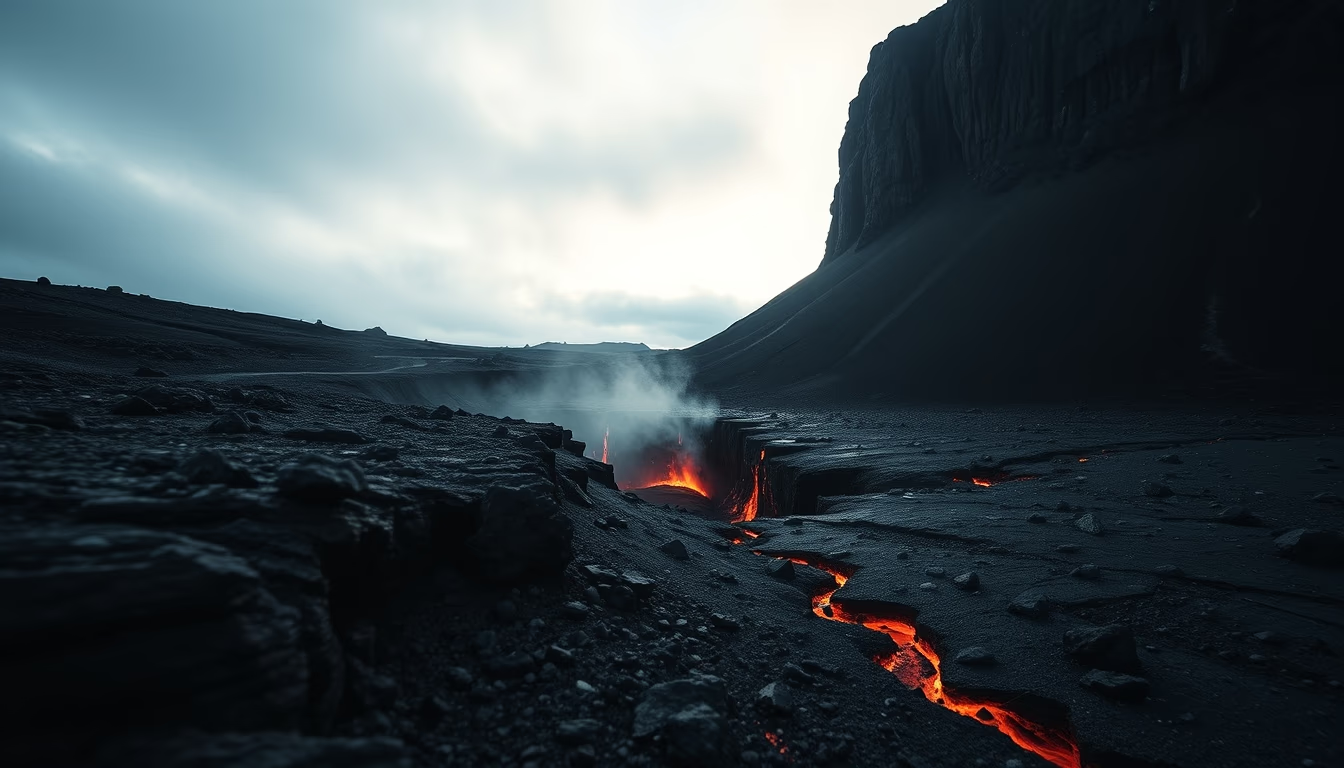
Kilauea hawaii lava flow
1344×768 · AVIF · CC BY 4.0
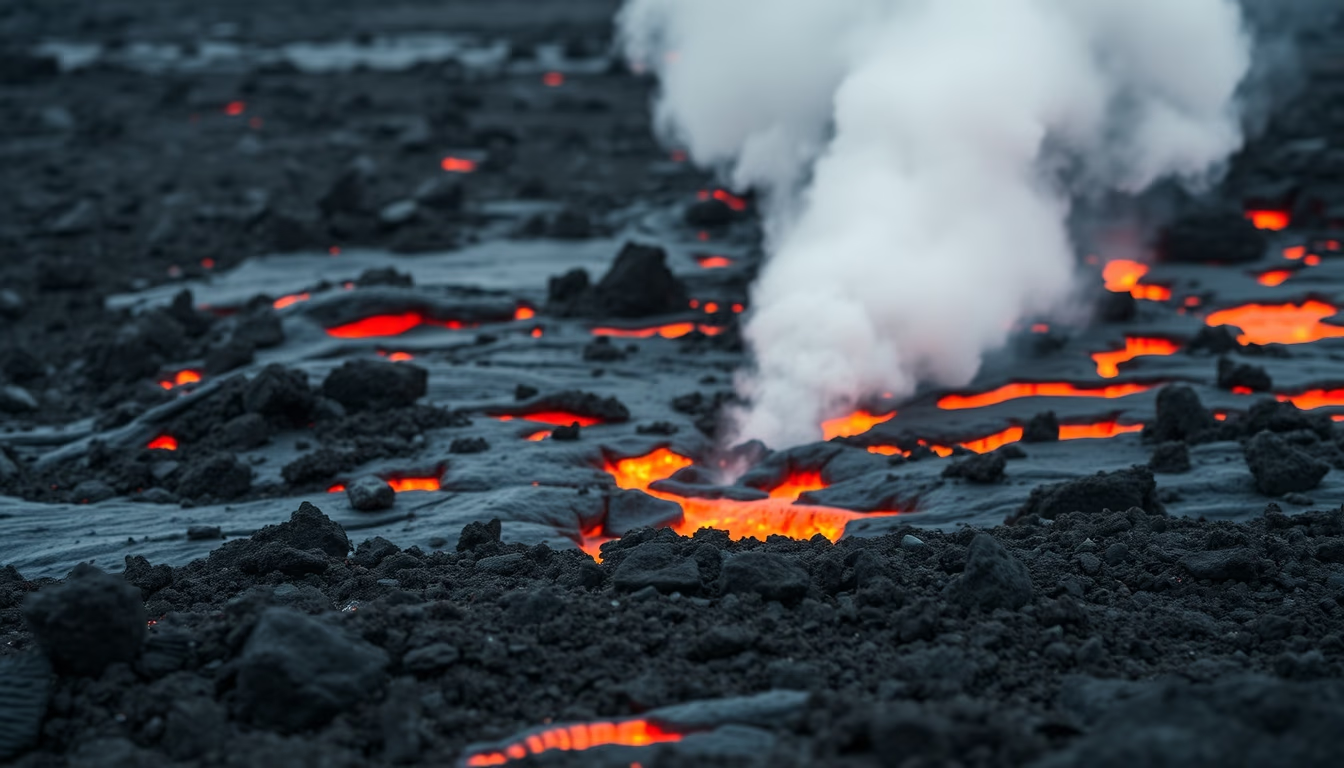
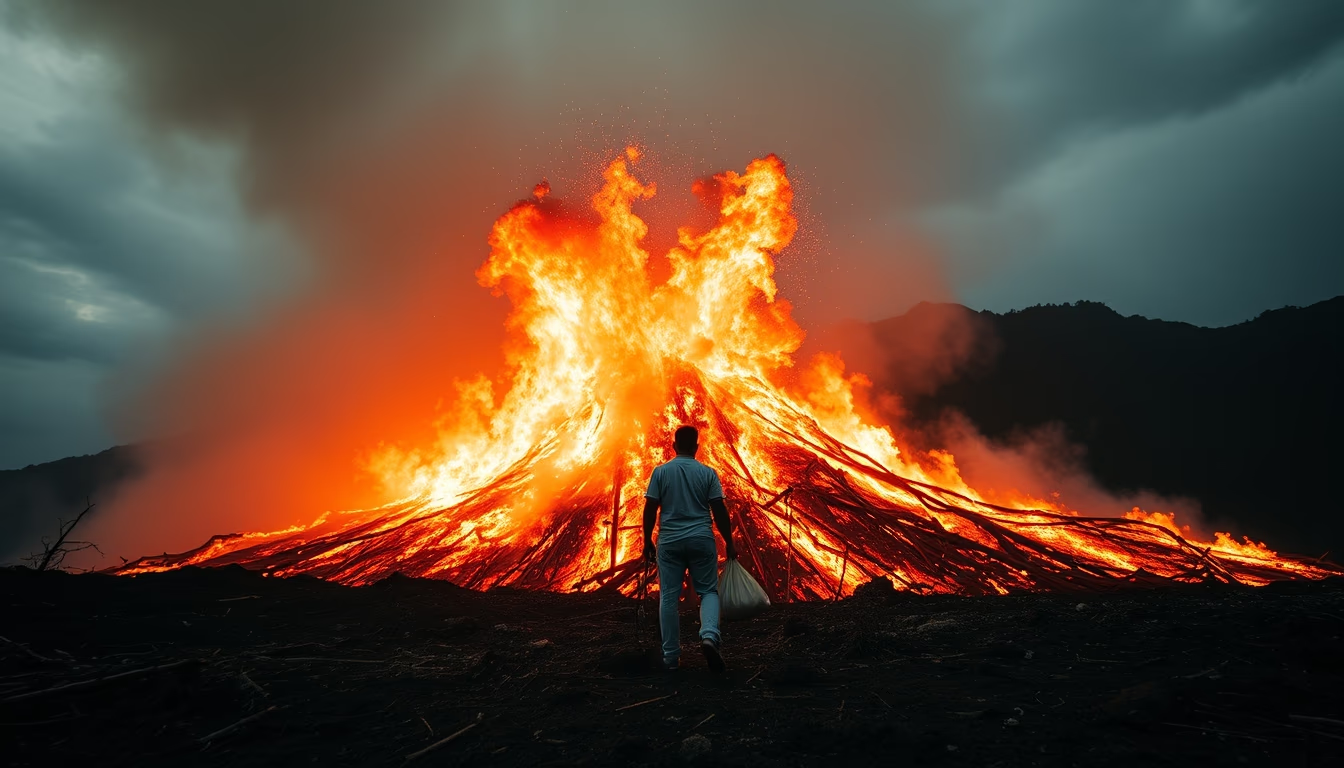
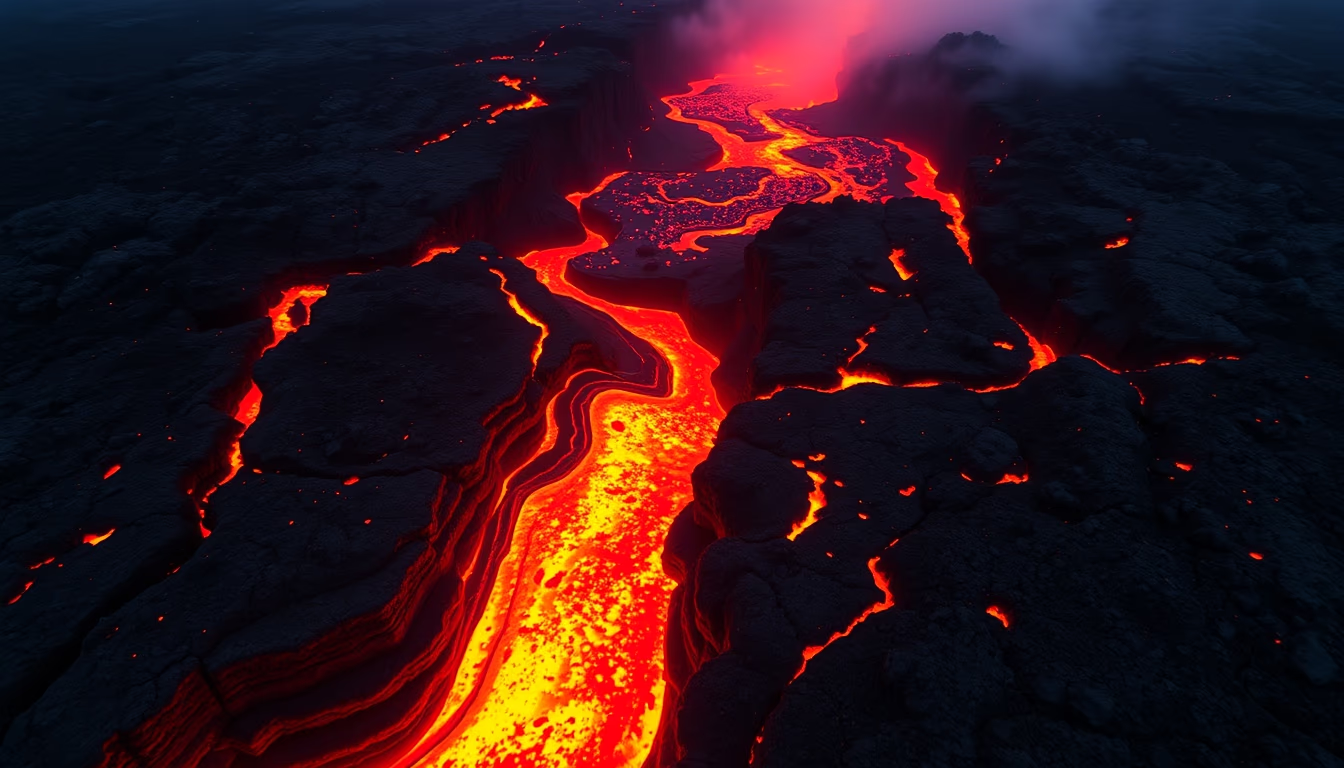
Kilauea's lava flow in Hawaii reshapes landscapes and reveals the dynamics of the world's most active volcano.
About this subject
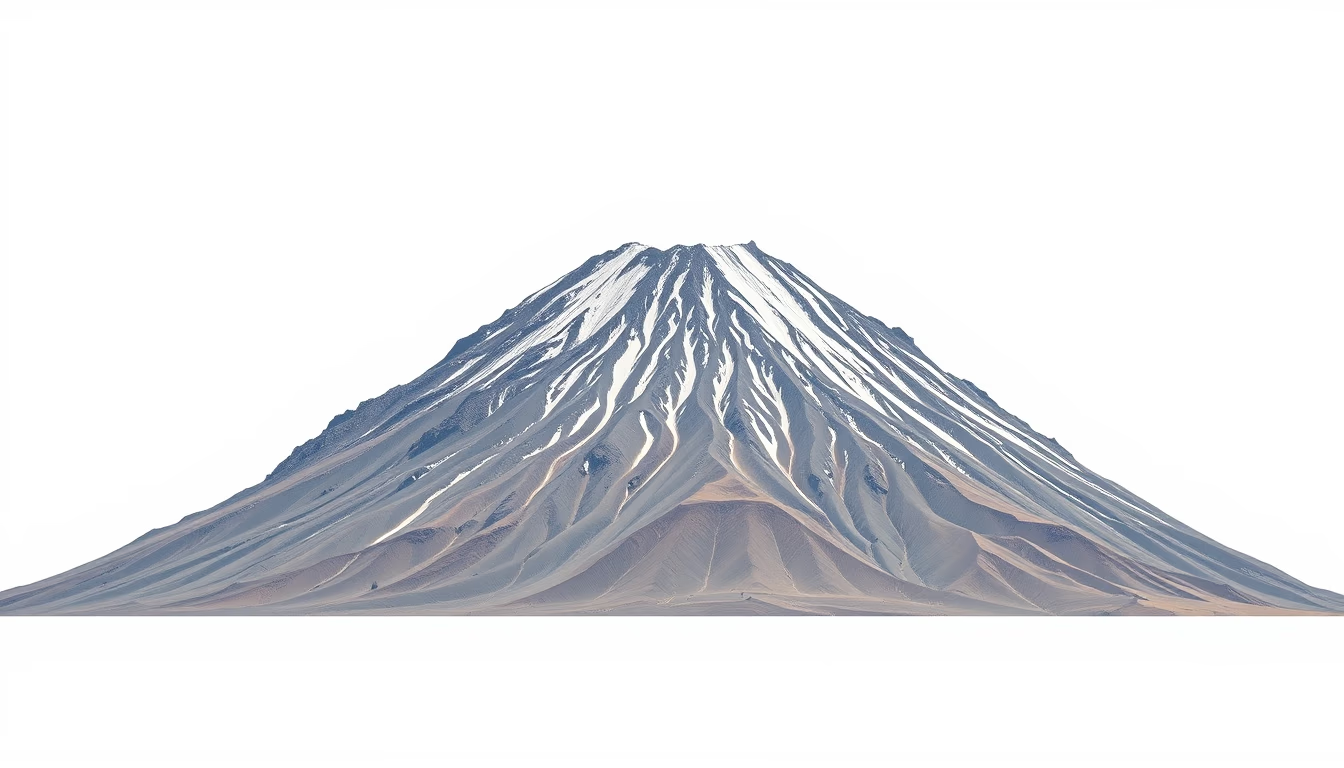
Kilauea is one of the most active volcanoes on Earth, located on the Big Island of Hawaii. Its frequent eruptions produce lava flows that advance slowly toward the ocean, creating new land and destroying everything in their path. Kilauea's lava is basaltic, with low viscosity, allowing it to travel long distances before solidifying. This geological phenomenon is closely monitored by the Hawaiian Volcano Observatory (HVO), which uses seismic data, satellite imagery, and drones to predict eruption behavior.
The most recent major eruption occurred in 2018, when fissure 8 in the Leilani Estates district released enormous volumes of lava, destroying hundreds of homes and altering the coastline. Prior to that, the continuous flow from Puʻu ʻŌʻō vent, from 1983 to 2018, was one of the longest ever recorded, adding more than 400 hectares of land to Hawaii. When lava reaches the sea, it forms unstable deltas that can collapse, creating steam explosions and dangerous shock waves.
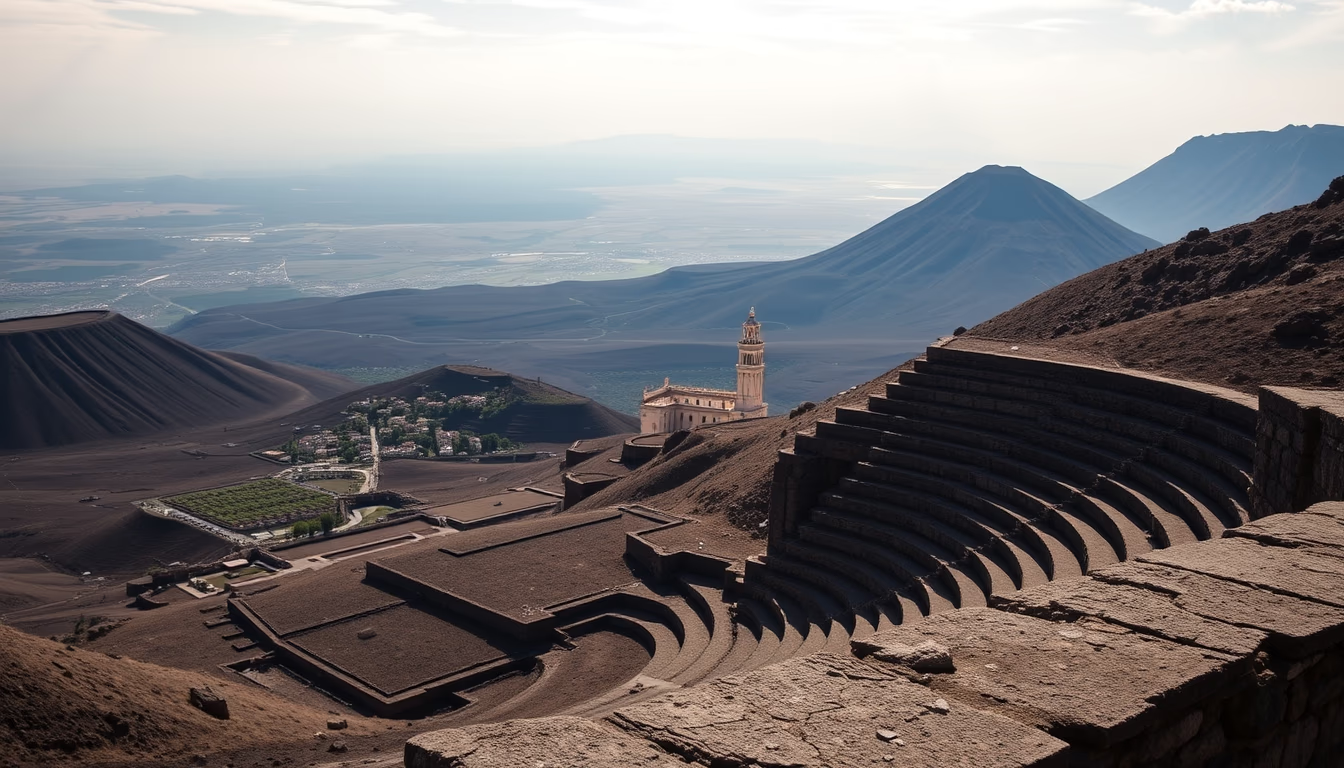
Culturally, Kilauea is sacred to Native Hawaiians, who associate the volcano with the goddess Pele. Lava flows are seen as a manifestation of her creative and destructive power. Visitors can safely observe lava from locations like Hawaii Volcanoes National Park, which offers trails and viewpoints. The resulting landscape includes black lava fields, lava tubes, and rock formations ranging from smooth (pahoehoe) to rough (aa).
Scientifically, studying Kilauea's lava flows helps understand volcanic processes worldwide. The chemical composition of the lava provides clues about Earth's mantle, while eruption rates inform prediction models. Despite the risks, Kilauea remains a unique natural laboratory, attracting researchers and tourists fascinated by nature's raw power.
Frequently Asked Questions
What causes Kilauea's lava flow?
The flow is caused by magma rising from the mantle through magma chambers and erupting onto the surface, often through fissures or volcanic vents. The low viscosity of basaltic magma allows it to flow easily.
Is it safe to visit Kilauea during an eruption?
Yes, as long as you follow official guidance. Hawaii Volcanoes National Park has safe areas with lookouts. However, active zones may be closed due to toxic gases or explosion risk.
What is the difference between pahoehoe and aa lava?
Pahoehoe is smooth, ropy lava with a glassy surface, while aa is rough and jagged, formed of irregular blocks. The difference is due to viscosity and cooling rate.
Direct URL
https://pub-c7d6a6ea828543ac903a74a341ccb2e1.r2.dev/imagens/kilauea-hawaii-lava-flow-documentary-photography-fresh11.avifHow to credit
Include a visible link back to UtilizAí. Copy one of the snippets below:
<a href="https://xn--utiliza-eza.com/en/midia/imagens/kilauea-hawaii-lava-flow-documentary-photography-fresh11">Kilauea hawaii lava flow</a> by <a href="https://xn--utiliza-eza.com">UtilizAí</a>, licensed under <a href="https://creativecommons.org/licenses/by/4.0/">CC BY 4.0</a>.
[Kilauea hawaii lava flow](https://xn--utiliza-eza.com/en/midia/imagens/kilauea-hawaii-lava-flow-documentary-photography-fresh11) by [UtilizAí](https://xn--utiliza-eza.com), CC BY 4.0
License: CC-BY-4.0