Jet ski water spray
1344×768 · AVIF · CC BY 4.0
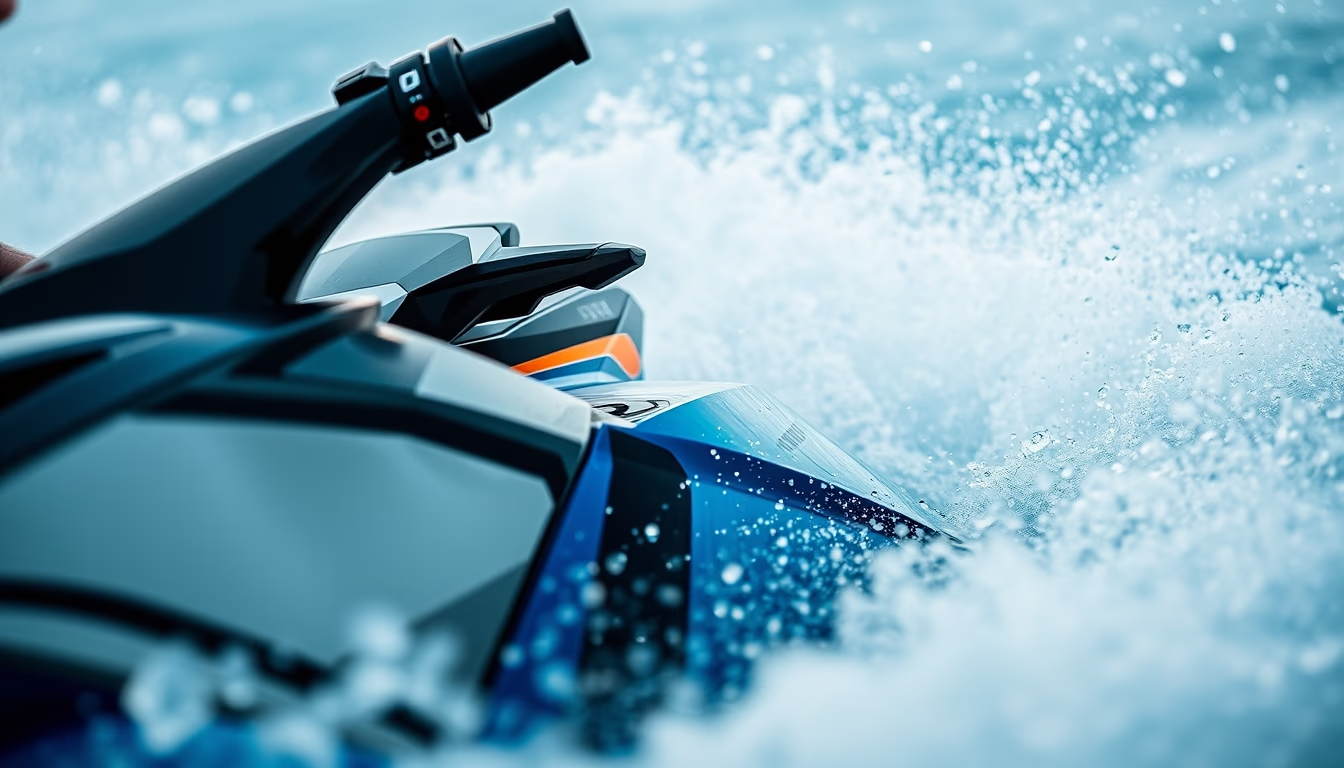
High-speed jet skis produce dramatic water sprays that are both visually striking and indicative of engine power and water conditions.
About this subject
Jet skis, also known as personal watercraft (PWCs), produce characteristic water sprays when operating at high speeds. The spray is a direct result of jet propulsion: the engine draws water from the sea or lake, compresses it, and ejects it at high pressure through a nozzle at the rear. This violent flow lifts droplets that form a visible curtain, especially during maneuvers or sudden accelerations. The height and density of the spray vary with engine power (from 60 to 300 hp) and water surface conditions. In choppy waters, the spray can mix with waves, creating intense visual effects. Experienced riders use the spray pattern to adjust tilt and speed, optimizing performance. Beyond visual spectacle, the spray has practical implications: it can reduce visibility for the rider and other boaters, requiring caution in congested areas. Therefore, many modern PWCs feature windshields and deflection systems to minimize spray on the pilot. Adjustable nozzles allow directing the jet, altering the shape of the water plume. In powerboat racing, intense spray is a sign of power and skill, often captured in sports photography. The science behind the spray involves fluid dynamics and surface tension; droplets can reach speeds up to 50 mph (80 km/h). Although it looks harmless, the water jet is strong enough to cause injury if directed at people, leading to safety regulations in many countries.
Frequently Asked Questions
Why do jet skis produce so much spray?
The spray is generated by the water jet propulsion system, which sucks in water and ejects it at high pressure. The higher the speed and engine power, the more intense the spray.
Can jet ski spray be dangerous?
Yes, the water jet is strong enough to cause injury if directed at people. Additionally, spray can reduce visibility, increasing the risk of collisions.
How can spray be reduced on a jet ski?
Many models have windshields and deflectors. Adjusting the propulsion nozzle and reducing speed also help control the amount of spray.
Direct URL
https://pub-c7d6a6ea828543ac903a74a341ccb2e1.r2.dev/imagens/jet-ski-water-spray-macro-closeup-p3.avifHow to credit
Include a visible link back to UtilizAí. Copy one of the snippets below:
<a href="https://xn--utiliza-eza.com/en/midia/imagens/jet-ski-water-spray-macro-closeup-p3">Jet ski water spray</a> by <a href="https://xn--utiliza-eza.com">UtilizAí</a>, licensed under <a href="https://creativecommons.org/licenses/by/4.0/">CC BY 4.0</a>.
[Jet ski water spray](https://xn--utiliza-eza.com/en/midia/imagens/jet-ski-water-spray-macro-closeup-p3) by [UtilizAí](https://xn--utiliza-eza.com), CC BY 4.0
License: CC-BY-4.0