Japanese kanji shodo
1344×768 · AVIF · CC BY 4.0
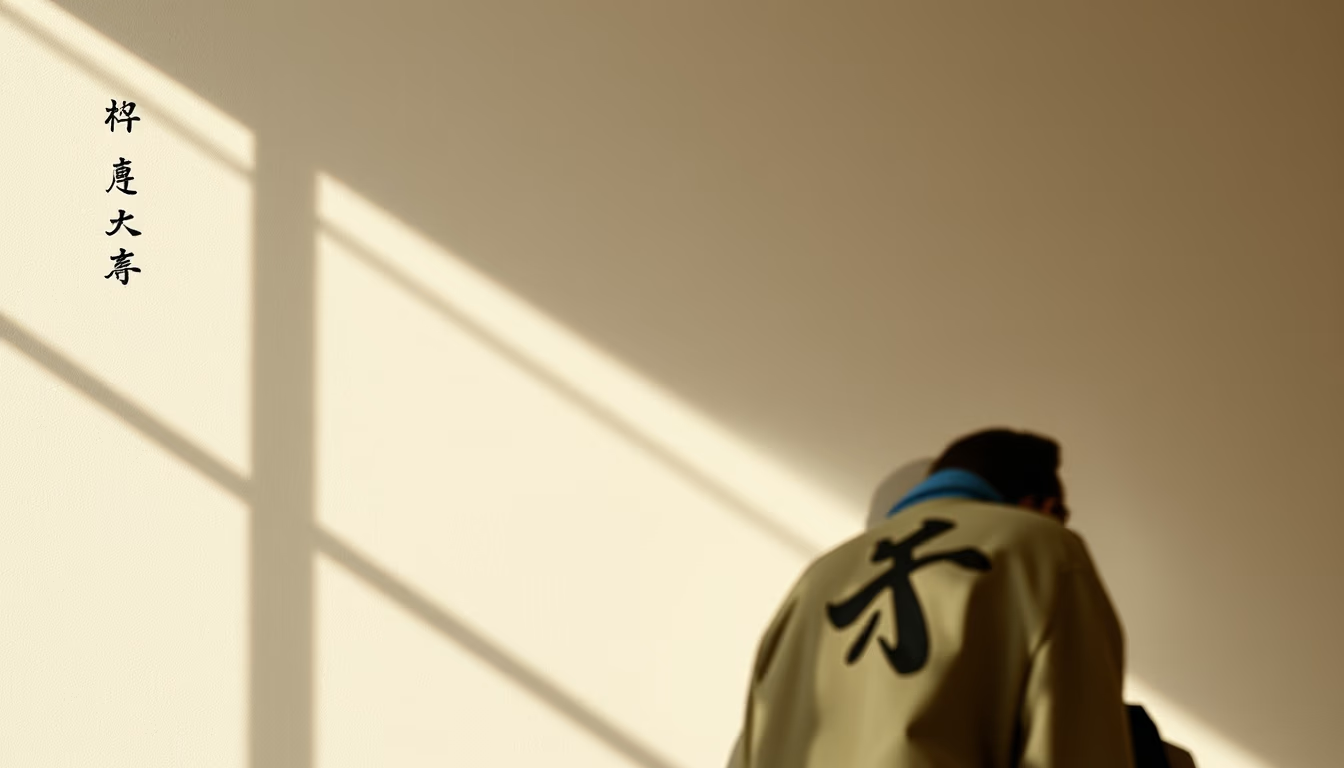
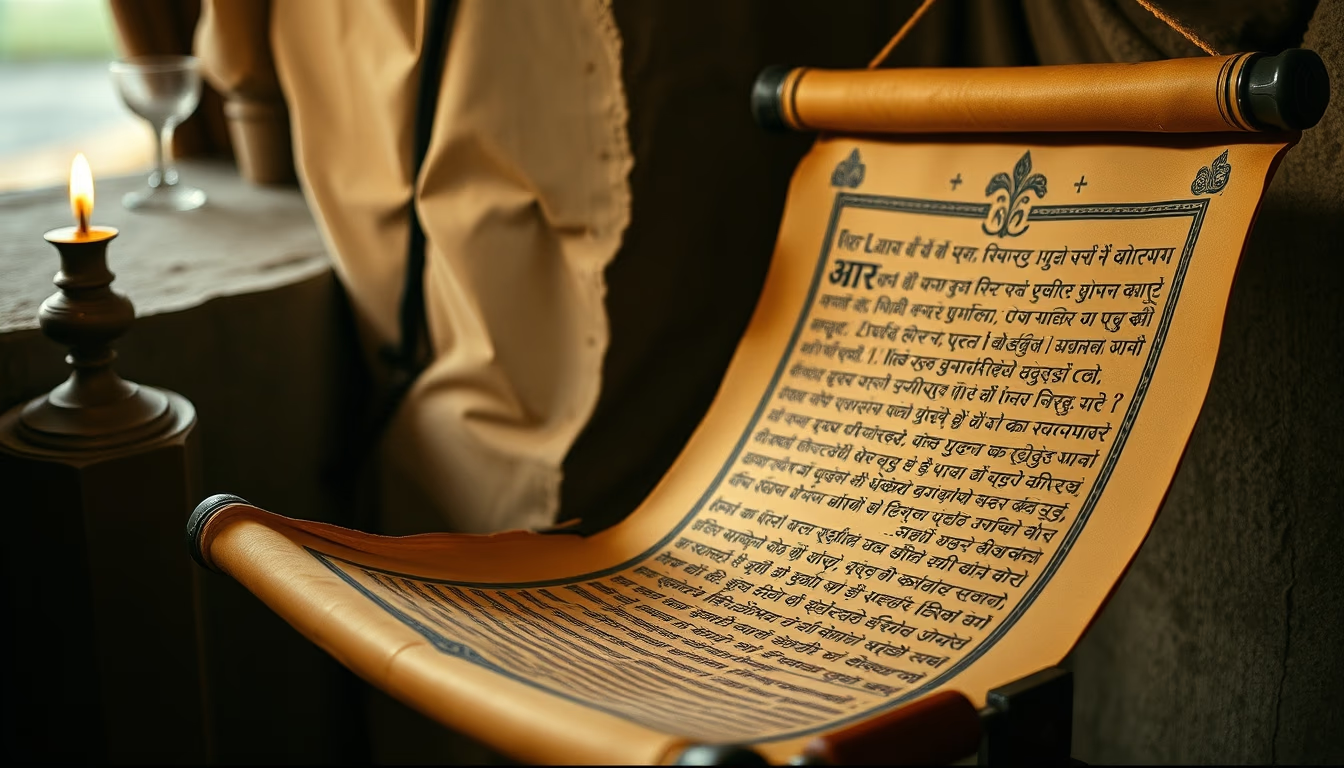
Shodo is the ancient Japanese art of brush calligraphy using sumi ink, expressing harmony between form and spirit.
About this subject
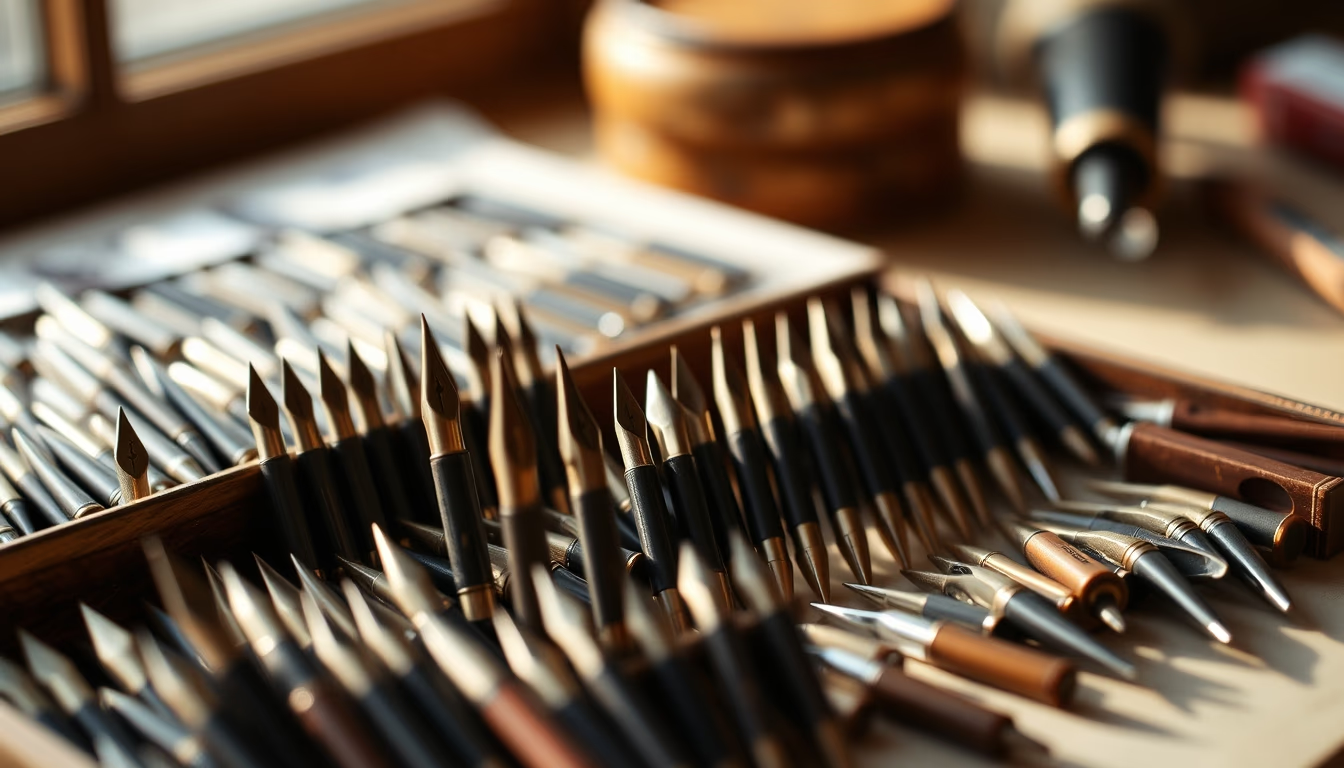
Shodo, literally “the way of writing”, is one of the most revered traditional arts in Japan, with roots dating back to the 6th century when Chinese characters (kanji) were introduced to the archipelago. Unlike Western calligraphy, shodo aims not merely at legibility but at capturing the artist’s vital energy (ki) in every brushstroke. Practitioners use the Four Treasures of the Study: brush (fude), solid ink (sumi), inkstone (suzuri), and washi paper. Grinding the ink stick on the suzuri with water is already part of the meditative ritual.
Classical shodo styles include kaisho (regular script, with clear and separated strokes), gyosho (semi-cursive script, more fluid), and sosho (cursive script, highly stylized and abstract). Each style requires technical mastery and aesthetic sensitivity. Great masters such as Wang Xizhi and, later, Japanese calligraphers like Ono no Michikaze influenced generations. Today, shodo is taught in schools and practiced by enthusiasts as a form of mental discipline and artistic expression.
Shodo is also deeply intertwined with the tea ceremony, haiku poetry, and sumi-e ink painting. Calligraphy exhibitions are common in temples and galleries, where works are judged by the energy of the stroke, balance, and simplicity. Beginners start by mastering basic strokes and repeating kanji, aiming not for technical perfection but for an inner connection with each character.
Frequently Asked Questions
What does the word shodo mean?
Shodo (書道) literally means “the way of writing.” It is the Japanese art of brush calligraphy, considered a discipline that integrates body, mind, and spirit.
What are the main styles of shodo?
The three classic styles are kaisho (regular script, with separated strokes), gyosho (semi-cursive, more fluid), and sosho (cursive, highly abstract and fast). Each requires different levels of technique and expression.
Is shodo practiced only in Japan?
Although it has Chinese origins, shodo was deeply adapted in Japan and is now practiced worldwide as an art form and meditation. There are international federations and workshops in many countries.
Direct URL
https://pub-c7d6a6ea828543ac903a74a341ccb2e1.r2.dev/imagens/japanese-kanji-shodo-magazine-editorial-fresh9.avifHow to credit
Include a visible link back to UtilizAí. Copy one of the snippets below:
<a href="https://xn--utiliza-eza.com/en/midia/imagens/japanese-kanji-shodo-magazine-editorial-fresh9">Japanese kanji shodo</a> by <a href="https://xn--utiliza-eza.com">UtilizAí</a>, licensed under <a href="https://creativecommons.org/licenses/by/4.0/">CC BY 4.0</a>.
[Japanese kanji shodo](https://xn--utiliza-eza.com/en/midia/imagens/japanese-kanji-shodo-magazine-editorial-fresh9) by [UtilizAí](https://xn--utiliza-eza.com), CC BY 4.0
License: CC-BY-4.0