Japanese kanji shodo
1344×768 · AVIF · CC BY 4.0
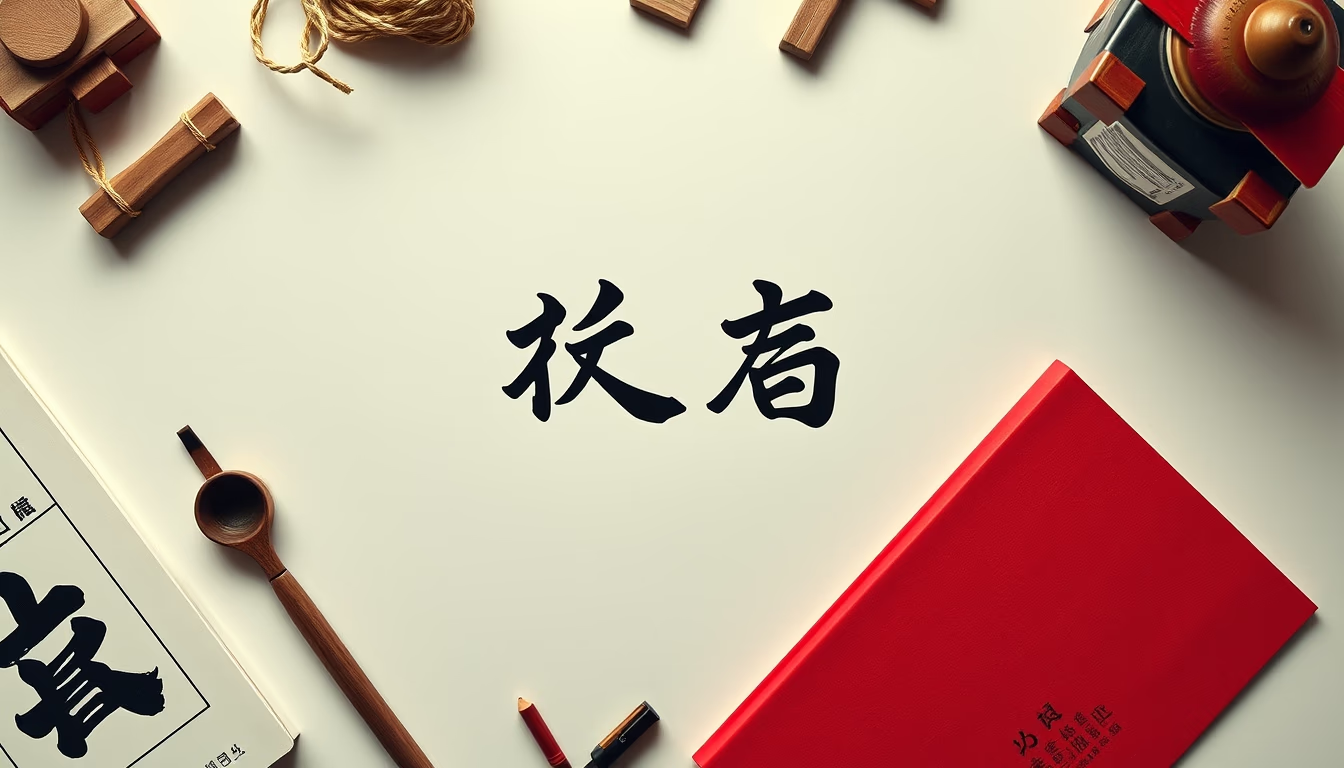
The ancient Japanese art of shodo calligraphy transforms kanji characters into artistic and spiritual expression.
About this subject
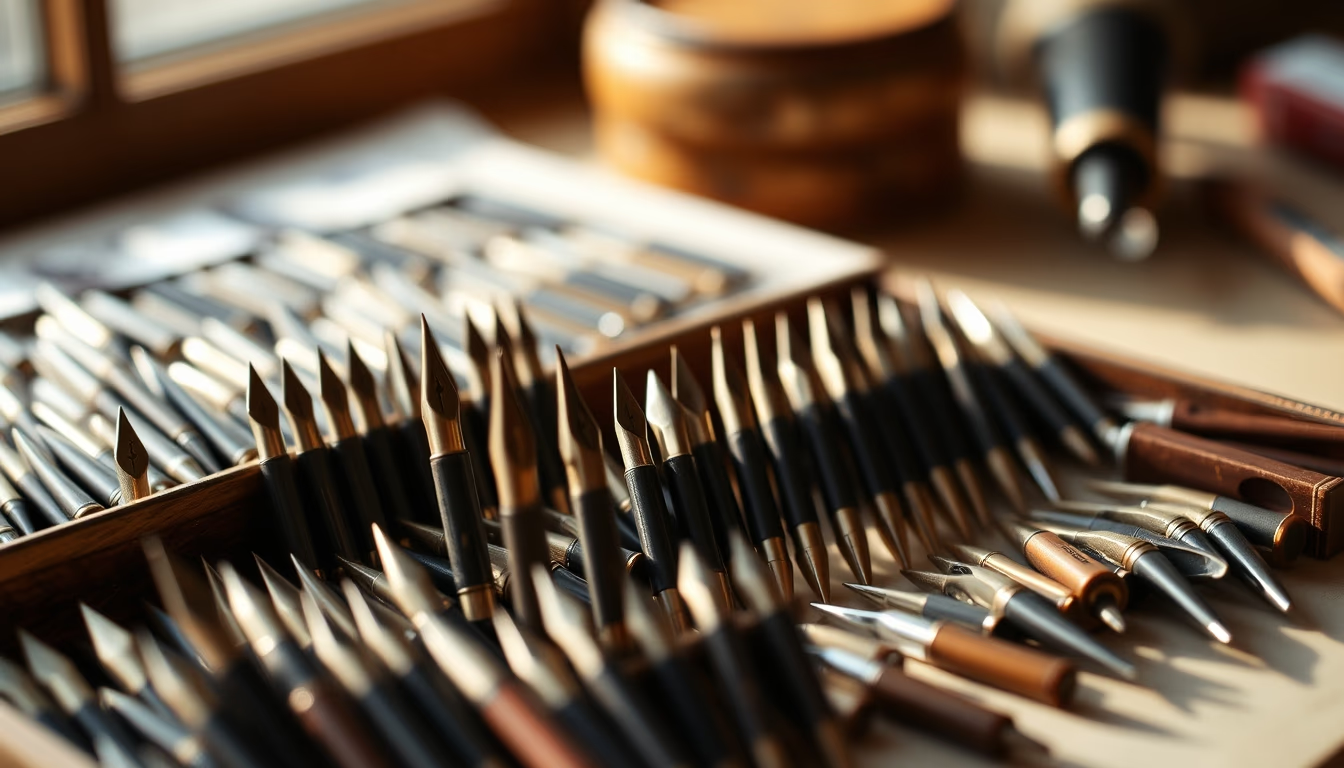
Shodo, meaning 'the way of writing', is a Japanese calligraphic art form that combines technique, aesthetics, and mental discipline. Originating in China and introduced to Japan around the 6th century along with Buddhism, the practice employs a brush (fude), sumi ink (sumi), washi paper, and an inkstone (suzuri). The act of writing is as important as the final result, requiring correct posture, controlled breathing, and continuous brush flow.
Different styles evolved over centuries: kaisho (block style), formal and legible; gyosho (semi-cursive), more fluid and rapid; and sōsho (cursive), highly expressive and nearly abstract. Each kanji carries intrinsic meaning, and the calligrapher seeks to capture its essence through variations in stroke thickness, pressure, and speed.
Shodo is deeply connected to Zen Buddhism. Monks practice calligraphy as active meditation, emptying the mind to allow the brush to move without hesitation. Achieving 'mu' (emptiness) is the goal, making each work a reflection of the artist's mental state at the moment of creation.
The primary tool, the brush, is traditionally made from animal hair such as goat, wolf, or deer, mounted on a bamboo handle. Washi paper is handmade from mulberry fibers, providing unique ink absorption. Although practice has declined with modernization, shodo is still taught in schools and celebrated in exhibitions both in Japan and internationally.
Frequently Asked Questions
What does shodo mean?
Shodo (書道) literally means 'the way of writing'. It is the Japanese art of calligraphy, combining technique, aesthetics, and spirituality.
What are the main styles of Japanese calligraphy?
The three main styles are kaisho (block style, formal), gyosho (semi-cursive, fluid), and sōsho (cursive, abstract and expressive).
What is the relationship between shodo and Zen?
In Zen, shodo is practiced as active meditation. The calligrapher empties the mind and lets the brush flow, seeking the state of 'mu' (emptiness) where art and spirit unite.
Direct URL
https://pub-c7d6a6ea828543ac903a74a341ccb2e1.r2.dev/imagens/japanese-kanji-shodo-isometric-flat-lay-fresh18.avifHow to credit
Include a visible link back to UtilizAí. Copy one of the snippets below:
<a href="https://xn--utiliza-eza.com/en/midia/imagens/japanese-kanji-shodo-isometric-flat-lay-fresh18">Japanese kanji shodo</a> by <a href="https://xn--utiliza-eza.com">UtilizAí</a>, licensed under <a href="https://creativecommons.org/licenses/by/4.0/">CC BY 4.0</a>.
[Japanese kanji shodo](https://xn--utiliza-eza.com/en/midia/imagens/japanese-kanji-shodo-isometric-flat-lay-fresh18) by [UtilizAí](https://xn--utiliza-eza.com), CC BY 4.0
License: CC-BY-4.0