Japanese kanji shodo
1344×768 · AVIF · CC BY 4.0
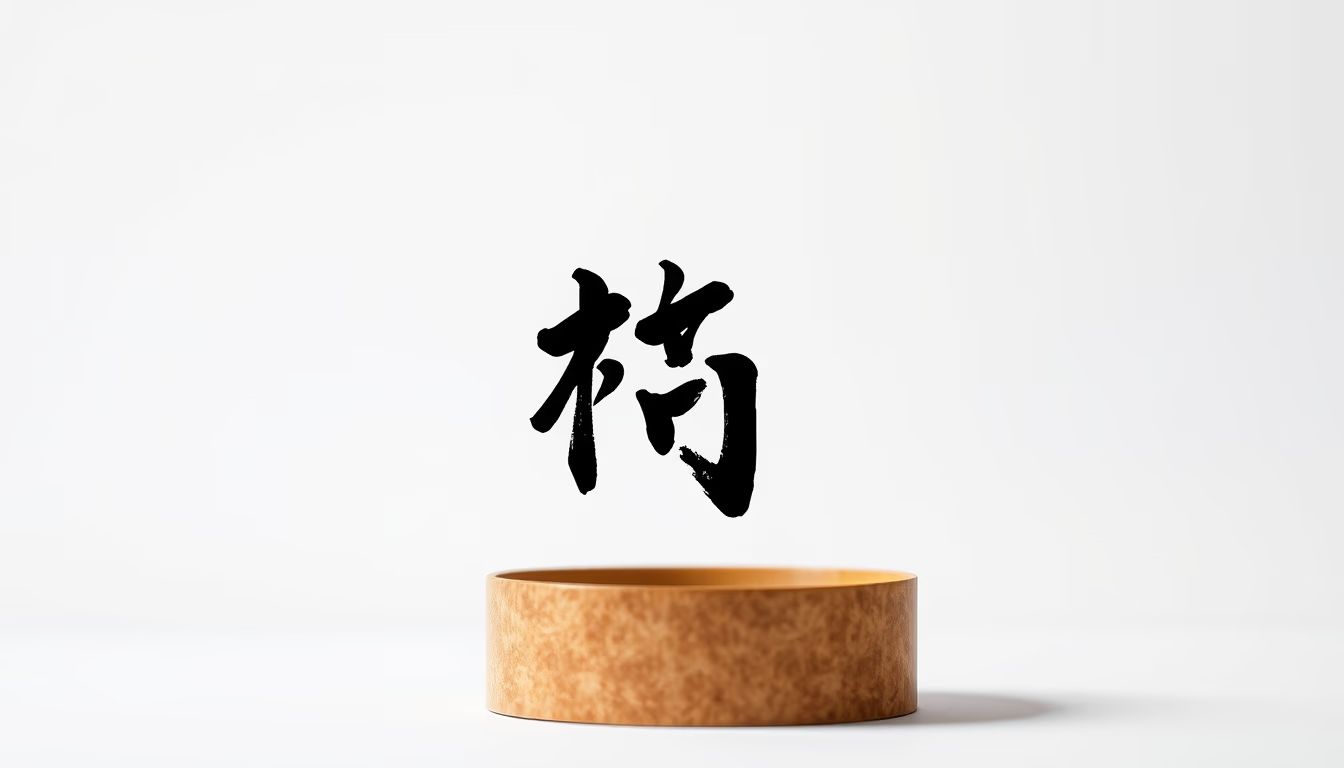
Japanese shodo calligraphy is an ancient art that combines technique, spirituality, and aesthetics in the writing of kanji.
About this subject
Shodo, Japanese calligraphy, originated in China and was introduced to Japan along with Buddhism in the 6th century. Initially practiced by monks and aristocrats, it evolved into a refined art expressing not only words but the calligrapher's personality and state of mind. The term "shodo" literally means "the way of writing," reflecting its meditative and disciplined nature.
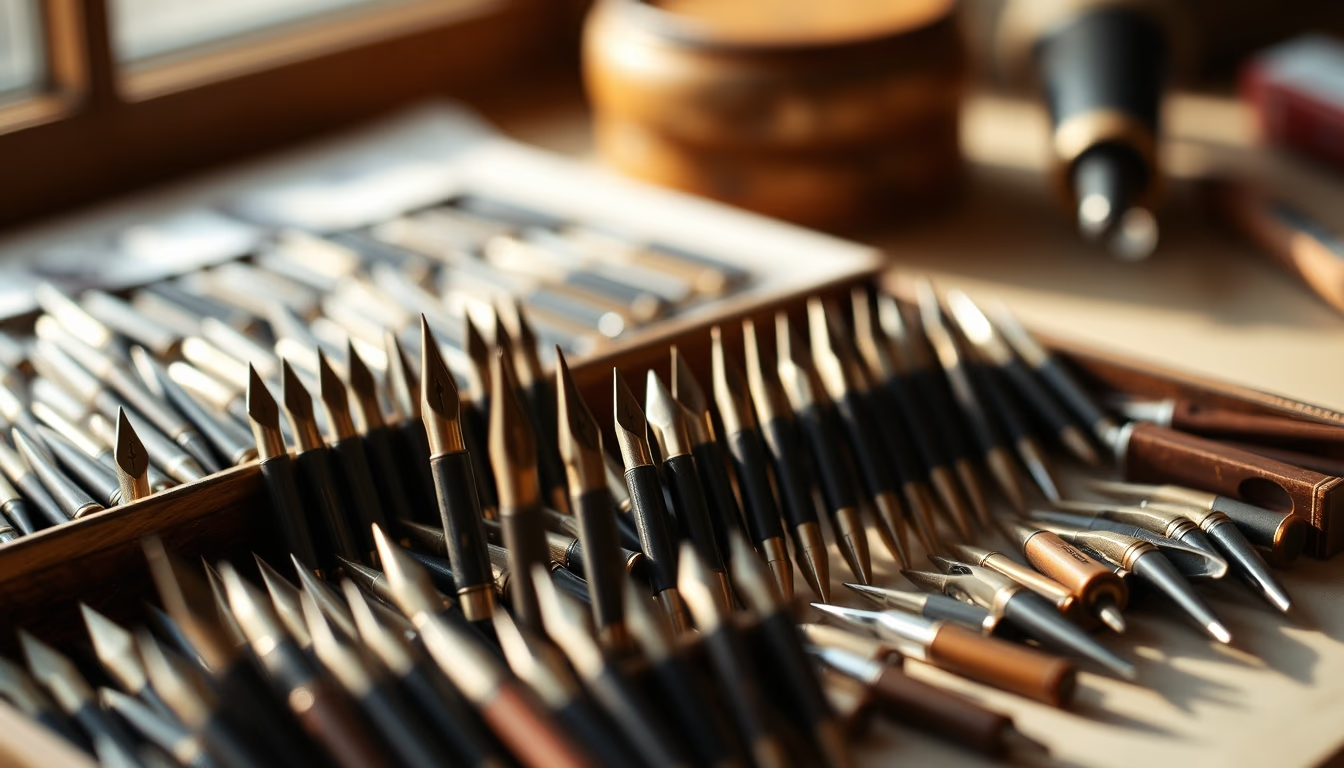
The four treasures of shodo are essential: the brush (fude), the ink stick (sumi), the ink stone (suzuri), and paper (washi). Each is carefully chosen and prepared. Ink is made by grinding sumi on the suzuri with water, a process that is part of the meditation. The brush's movement on paper is fluid and precise, requiring years of practice.
Three main styles exist: kaisho (regular script), gyosho (semi-cursive), and sosho (cursive). Kaisho is the most formal and legible, used in official documents. Gyosho is faster and more fluid, while sosho is highly stylized and almost abstract. Each style conveys a different emotion and demands technical mastery.
Culturally, shodo is linked to Zen and is seen as a way to train the mind and spirit. Many temples and schools teach shodo as a mindfulness practice. Today, it is celebrated in exhibitions and competitions in Japan and worldwide, keeping alive a tradition over a thousand years old. Shodo is not just calligraphy; it is an artistic expression that connects the writer with Japanese history and culture.
Frequently Asked Questions
What is the difference between shodo and ordinary calligraphy?
Shodo is an art form that goes beyond legible writing: it emphasizes personal expression, brush technique, and meditation. Each stroke carries intention and energy, unlike Western calligraphy that focuses more on standardized form.
What are the main styles of shodo?
The three main styles are kaisho (regular block script, formal), gyosho (semi-cursive, more fluid), and sosho (cursive, highly stylized). Each requires technical mastery and conveys different emotions.
What tools are used in shodo?
The four essential tools are the brush (fude), the ink stick (sumi), the ink stone (suzuri), and paper (washi). Ink is made by grinding sumi on the suzuri with water, a ritual that mentally prepares the calligrapher.
Direct URL
https://pub-c7d6a6ea828543ac903a74a341ccb2e1.r2.dev/imagens/japanese-kanji-shodo-commercial-product-photography-fresh10.avifHow to credit
Include a visible link back to UtilizAí. Copy one of the snippets below:
<a href="https://xn--utiliza-eza.com/en/midia/imagens/japanese-kanji-shodo-commercial-product-photography-fresh10">Japanese kanji shodo</a> by <a href="https://xn--utiliza-eza.com">UtilizAí</a>, licensed under <a href="https://creativecommons.org/licenses/by/4.0/">CC BY 4.0</a>.
[Japanese kanji shodo](https://xn--utiliza-eza.com/en/midia/imagens/japanese-kanji-shodo-commercial-product-photography-fresh10) by [UtilizAí](https://xn--utiliza-eza.com), CC BY 4.0
License: CC-BY-4.0