Indian devanagari sanskrit
1344×768 · AVIF · CC BY 4.0
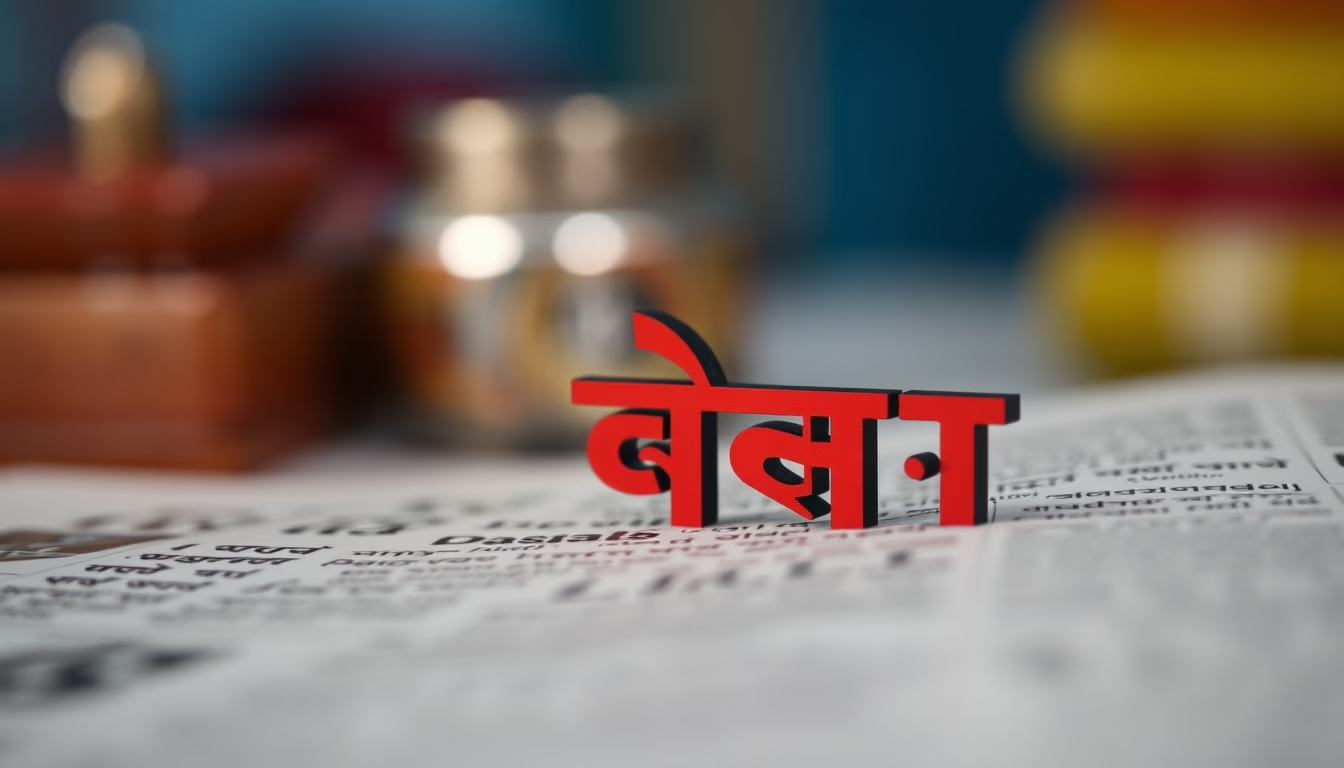
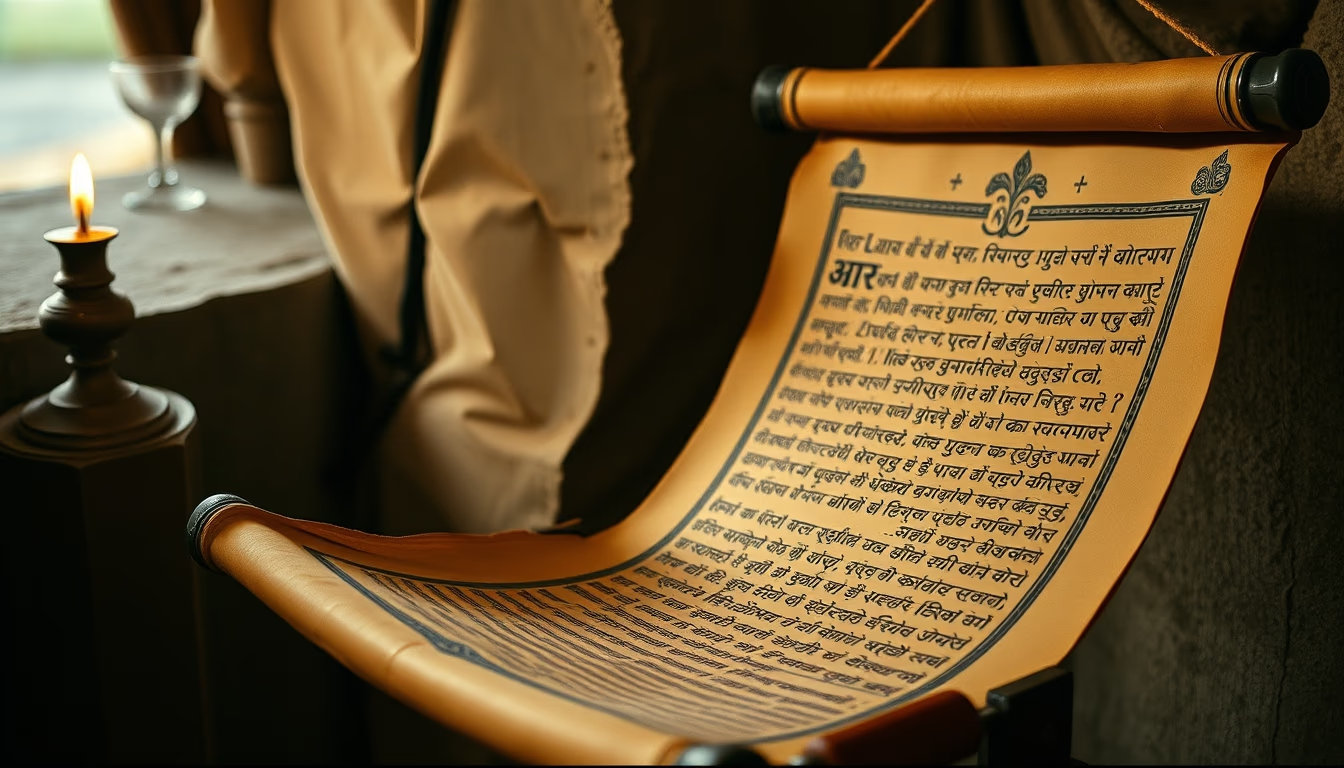
Devanagari script, used for Sanskrit, is one of India's oldest and most precise writing systems, with roots in the 7th century.
About this subject
Devanagari is an abugida (syllabic) script that evolved from Brahmi, one of the oldest calligraphic traditions of the Indian subcontinent. It became standardized around the 7th century CE and became the primary script for recording Sanskrit, the classical language of Hindu religion, philosophy, and literature. Each character represents a syllable, and consonants carry an inherent vowel (short a), which can be modified by diacritics. The most striking visual feature is the continuous horizontal line at the top of characters, linking words into a flowing sequence.
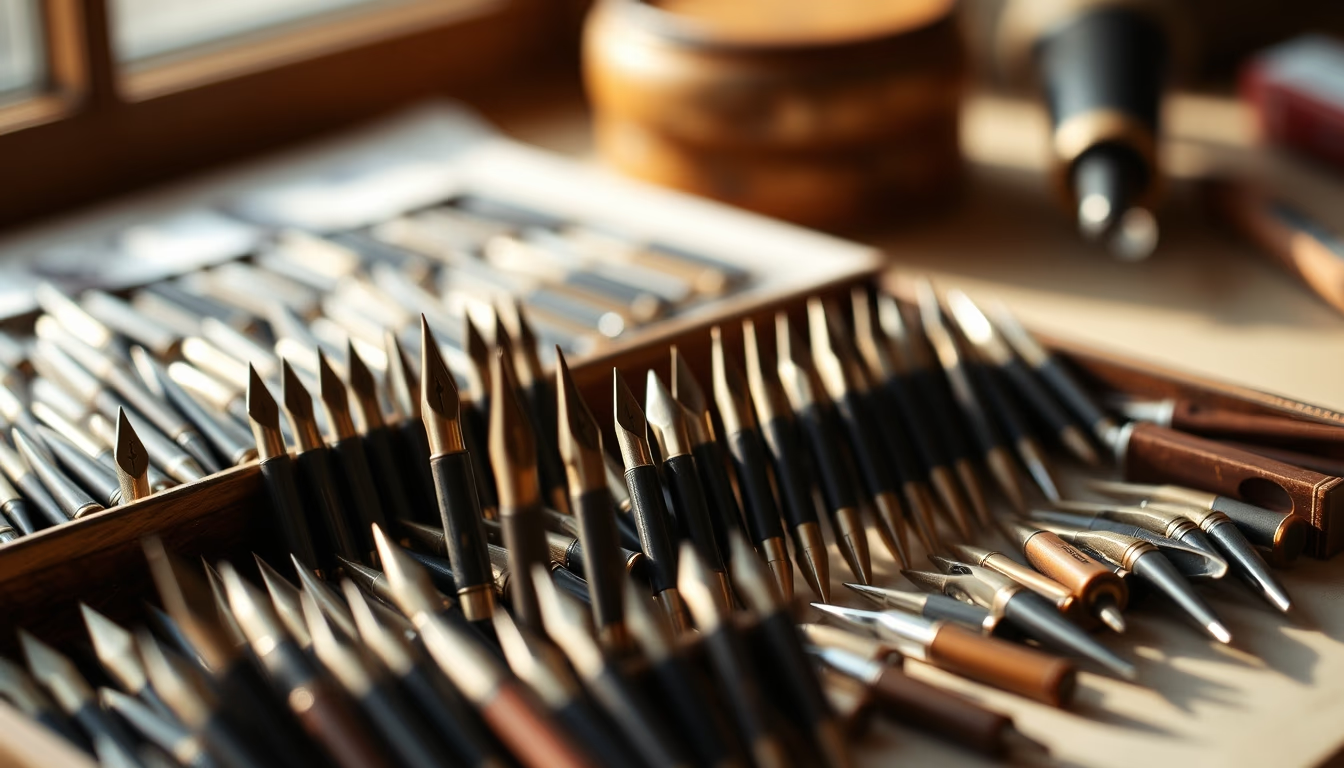
Its cultural importance is immense: Devanagari preserved the Vedas, Upanishads, and epic works like the Mahabharata and Ramayana. The script's phonetic precision allowed the Vedic oral tradition to be transcribed with millennial fidelity. Today, besides Sanskrit, Devanagari is used for modern languages such as Hindi, Marathi, and Nepali. In calligraphy, Devanagari presents unique challenges due to rounded shapes and the need for balance between the top line and descending curves.
Interestingly, Devanagari has no case distinction, and consonants are ordered phonetically by place of articulation (velar, palatal, retroflex, dental, labial). This reflects the deep linguistic understanding of ancient Indian grammarians like Panini. Globally, Devanagari is studied by linguists and calligraphers, and its aesthetics have influenced modern typeface designs.
Frequently Asked Questions
What is the Devanagari script?
It is a syllabic abugida writing system, mainly used for Sanskrit, Hindi, and other Indian languages. It evolved from Brahmi and became standardized around the 7th century CE.
Why is Devanagari important for Sanskrit?
Devanagari allowed faithful transcription of Vedic and epic texts, preserving exact pronunciation due to its phonetic precision, essential for Hindu oral tradition.
Which languages use Devanagari today?
Besides Sanskrit, Devanagari is used for Hindi, Marathi, Nepali, Konkani, and other regional languages in India and Nepal.
Direct URL
https://pub-c7d6a6ea828543ac903a74a341ccb2e1.r2.dev/imagens/indian-devanagari-sanskrit-tilt-shift-miniature-fresh18.avifHow to credit
Include a visible link back to UtilizAí. Copy one of the snippets below:
<a href="https://xn--utiliza-eza.com/en/midia/imagens/indian-devanagari-sanskrit-tilt-shift-miniature-fresh18">Indian devanagari sanskrit</a> by <a href="https://xn--utiliza-eza.com">UtilizAí</a>, licensed under <a href="https://creativecommons.org/licenses/by/4.0/">CC BY 4.0</a>.
[Indian devanagari sanskrit](https://xn--utiliza-eza.com/en/midia/imagens/indian-devanagari-sanskrit-tilt-shift-miniature-fresh18) by [UtilizAí](https://xn--utiliza-eza.com), CC BY 4.0
License: CC-BY-4.0