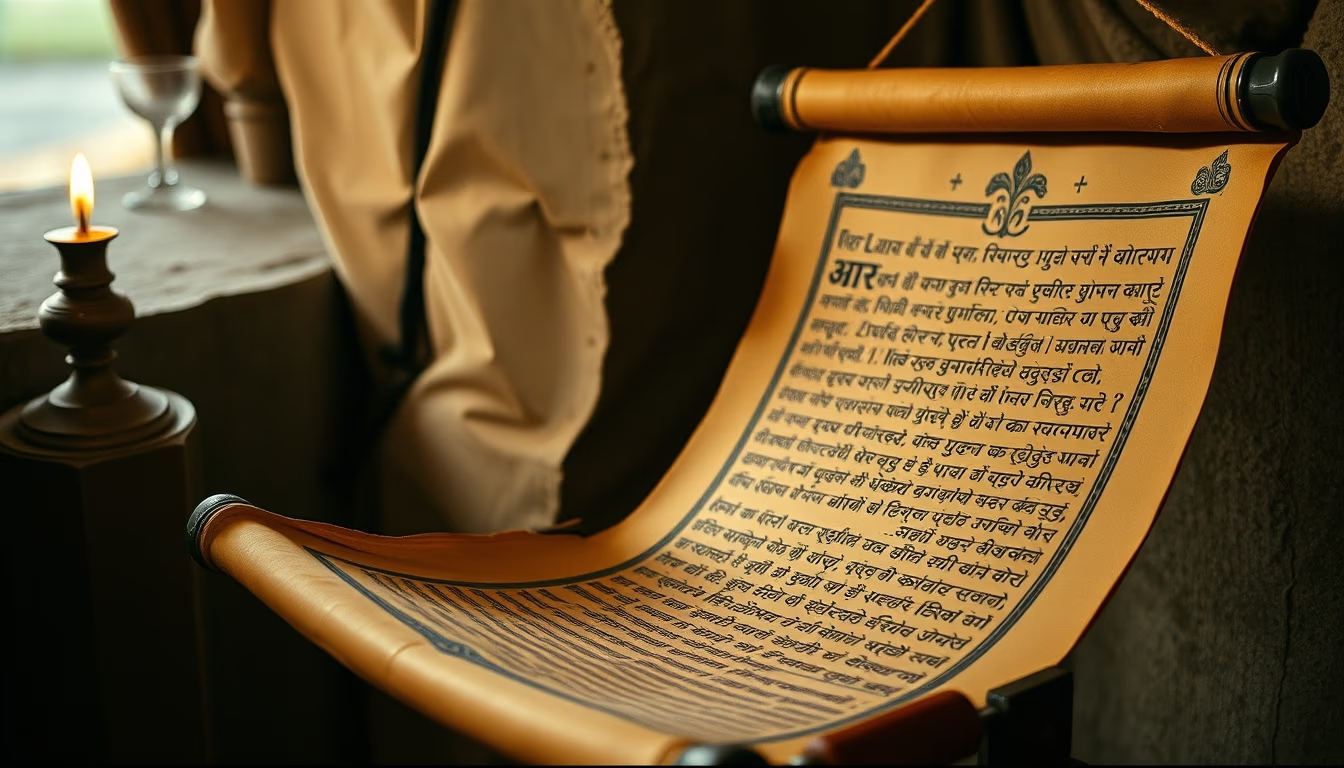
Indian devanagari sanskrit
1344×768 · AVIF · CC BY 4.0
Devanagari is the writing system used for Sanskrit, Hindi, and other Indian languages, with a rich calligraphic tradition.
About this subject
Devanagari, also known as Nagari, is one of the most widely used writing systems in India. Originating around the 7th century CE, it derives from the Brahmi script and consists of 47 main characters: 14 vowels and 33 consonants. Each character represents a specific sound, and the script is syllabic, with vowels modified by diacritics. The name "Devanagari" means "script of the divine city" or "of the gods," reflecting its association with religious and scholarly texts.
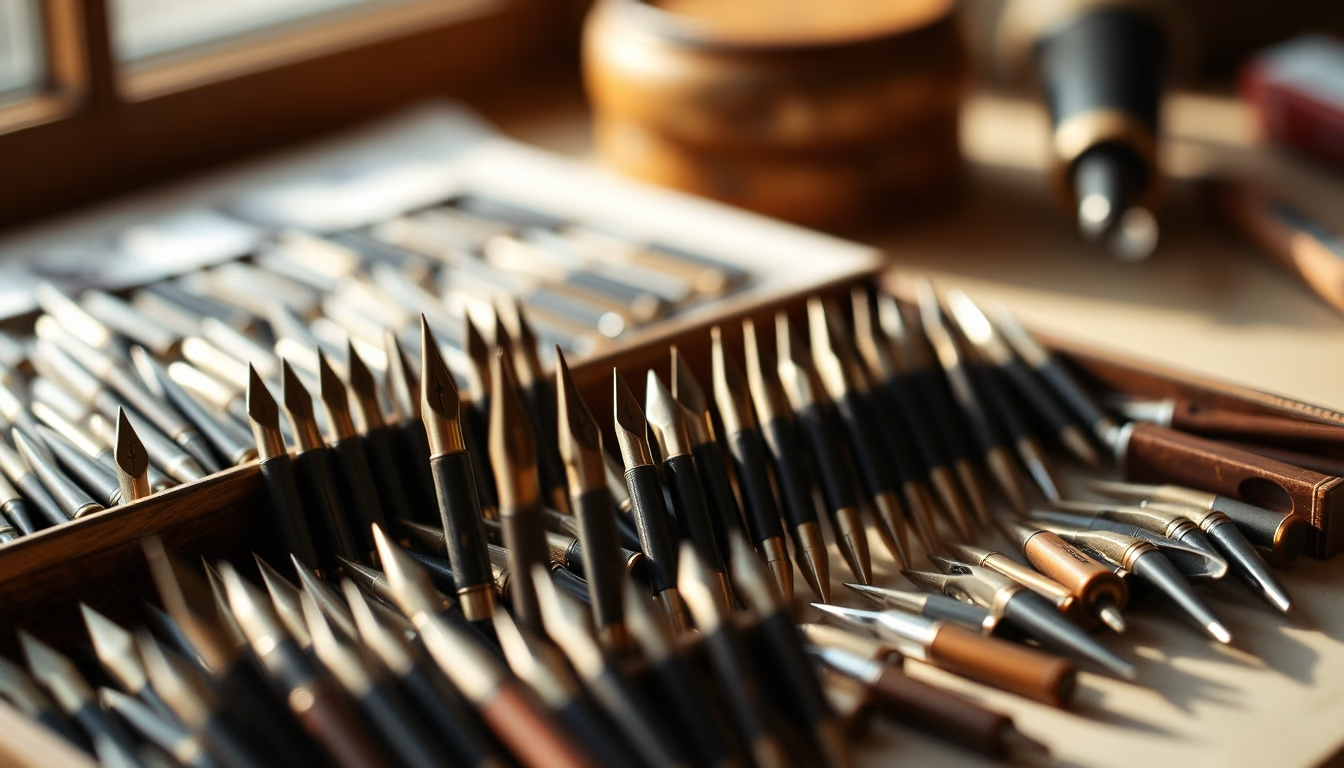
Devanagari calligraphy is an ancient art, practiced on palm leaves, parchment, and more recently, paper. During the medieval period, scribes dedicated themselves to copying Vedic texts, epics like the Mahabharata and Ramayana, and philosophical treatises. The calligraphic style varied by region and purpose: some manuscripts featured ornate letters with flourishes, while others prioritized legibility for study. The tradition of Devanagari calligraphy is still alive in contemporary India, taught in art schools and practiced by artists.
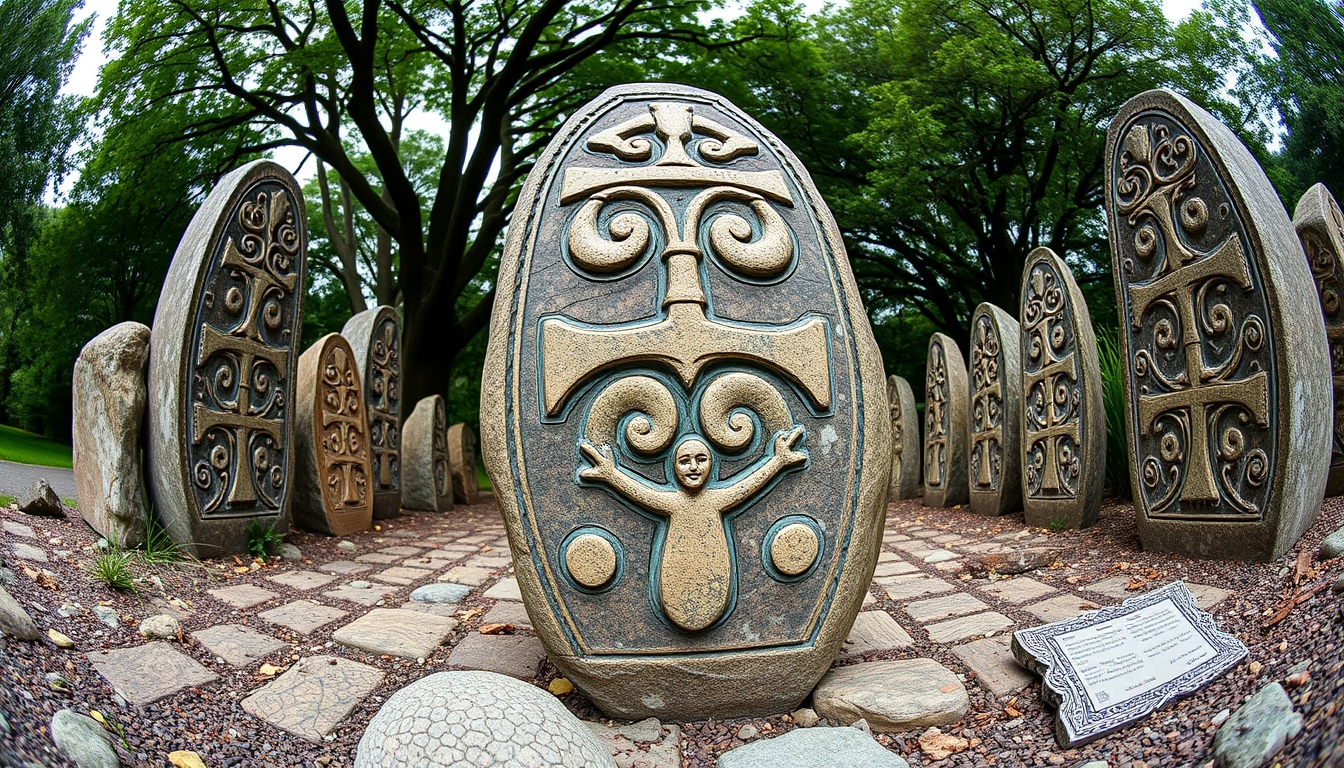
Sanskrit, the classical language of India, is often written in Devanagari. Although Sanskrit is predominantly a spoken and studied language, writing it in Devanagari gives it a formal and revered appearance. Many temples and religious institutions use Devanagari for inscriptions and sacred texts. Additionally, the digitization of Devanagari has enabled its widespread use on the internet and in modern publications, keeping this cultural heritage alive.
Interestingly, Devanagari is also used to write non-Indo-Aryan languages like Marathi and Nepali. UNESCO recognizes the importance of Devanagari as an intangible cultural heritage. Contemporary artists explore Devanagari in experimental calligraphy works, combining tradition and innovation. For those studying the script, precision of strokes and harmony between characters are key to quality calligraphy.
Frequently Asked Questions
What is Devanagari?
Devanagari is an abugida writing system used for Sanskrit, Hindi, Marathi, and other Indian languages. It originated from the Brahmi script around the 7th century CE and consists of vowels and consonants with diacritics.
Why is Devanagari important in Indian culture?
Devanagari is essential for transmitting Hindu religious texts such as the Vedas and epics, and is used in temple inscriptions and historical manuscripts. It also serves as a symbol of Indian cultural identity.
How is Devanagari calligraphy practiced today?
Devanagari calligraphy is taught in art schools and cultural institutes in India. Contemporary artists create works that blend traditional techniques with modern styles, and digitization has enabled its widespread online dissemination.
Direct URL
https://pub-c7d6a6ea828543ac903a74a341ccb2e1.r2.dev/imagens/indian-devanagari-sanskrit-studio-editorial-portrait-fresh2.avifHow to credit
Include a visible link back to UtilizAí. Copy one of the snippets below:
<a href="https://xn--utiliza-eza.com/en/midia/imagens/indian-devanagari-sanskrit-studio-editorial-portrait-fresh2">Indian devanagari sanskrit</a> by <a href="https://xn--utiliza-eza.com">UtilizAí</a>, licensed under <a href="https://creativecommons.org/licenses/by/4.0/">CC BY 4.0</a>.
[Indian devanagari sanskrit](https://xn--utiliza-eza.com/en/midia/imagens/indian-devanagari-sanskrit-studio-editorial-portrait-fresh2) by [UtilizAí](https://xn--utiliza-eza.com), CC BY 4.0
License: CC-BY-4.0