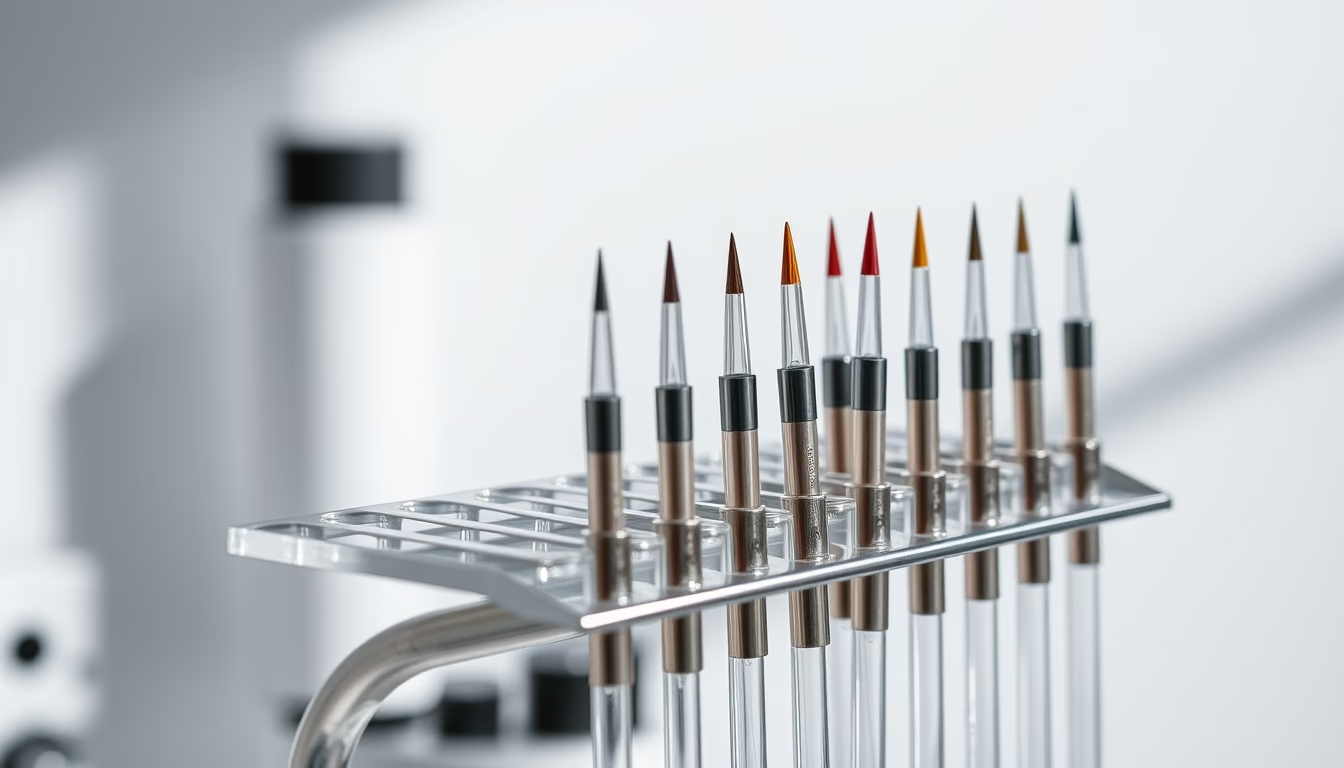
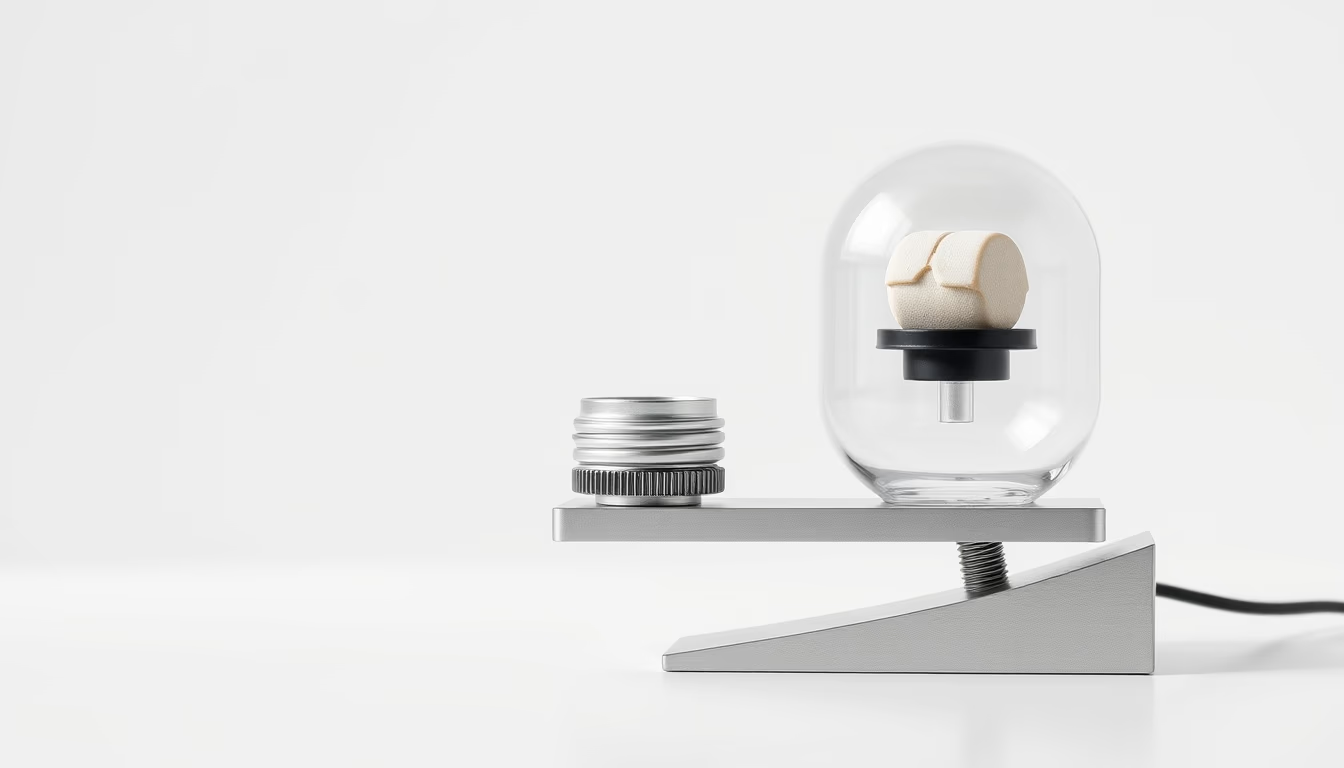
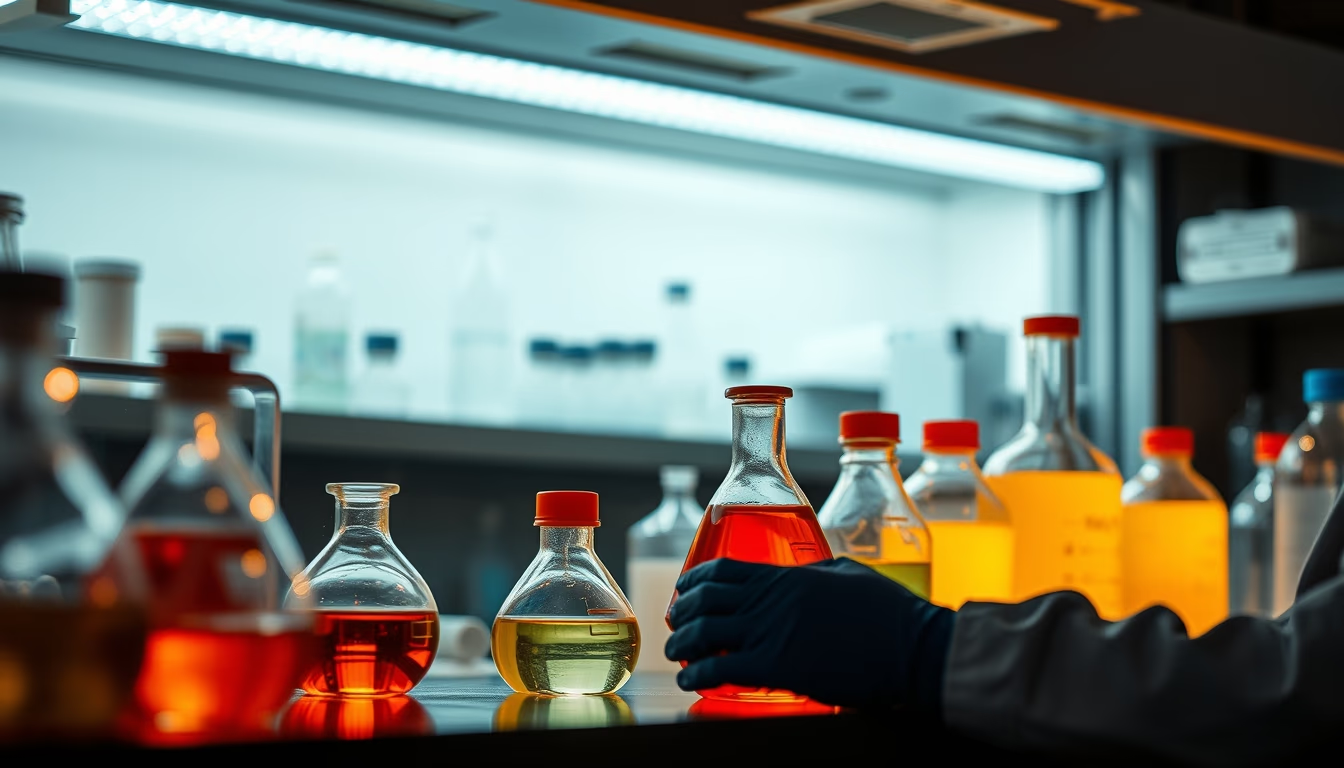
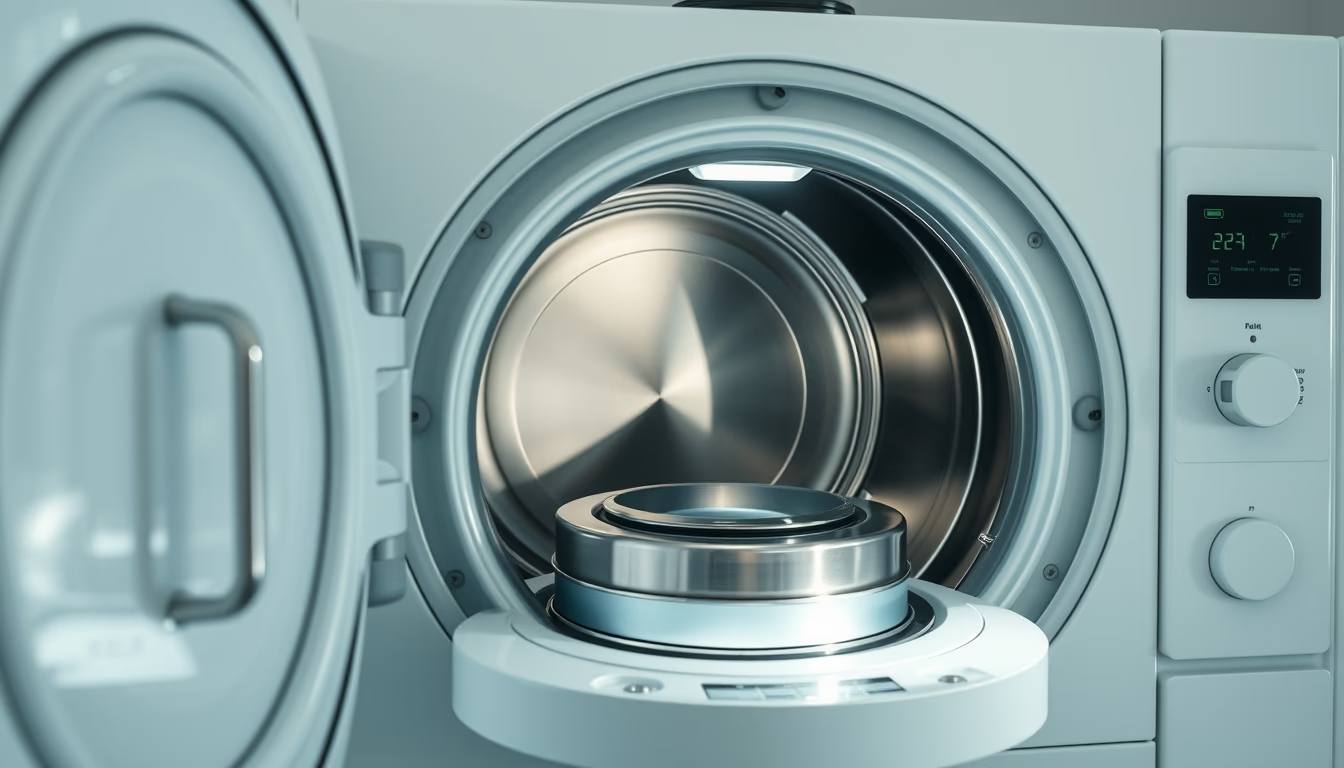
Incubator lab petri
1344×768 · AVIF · CC BY 4.0
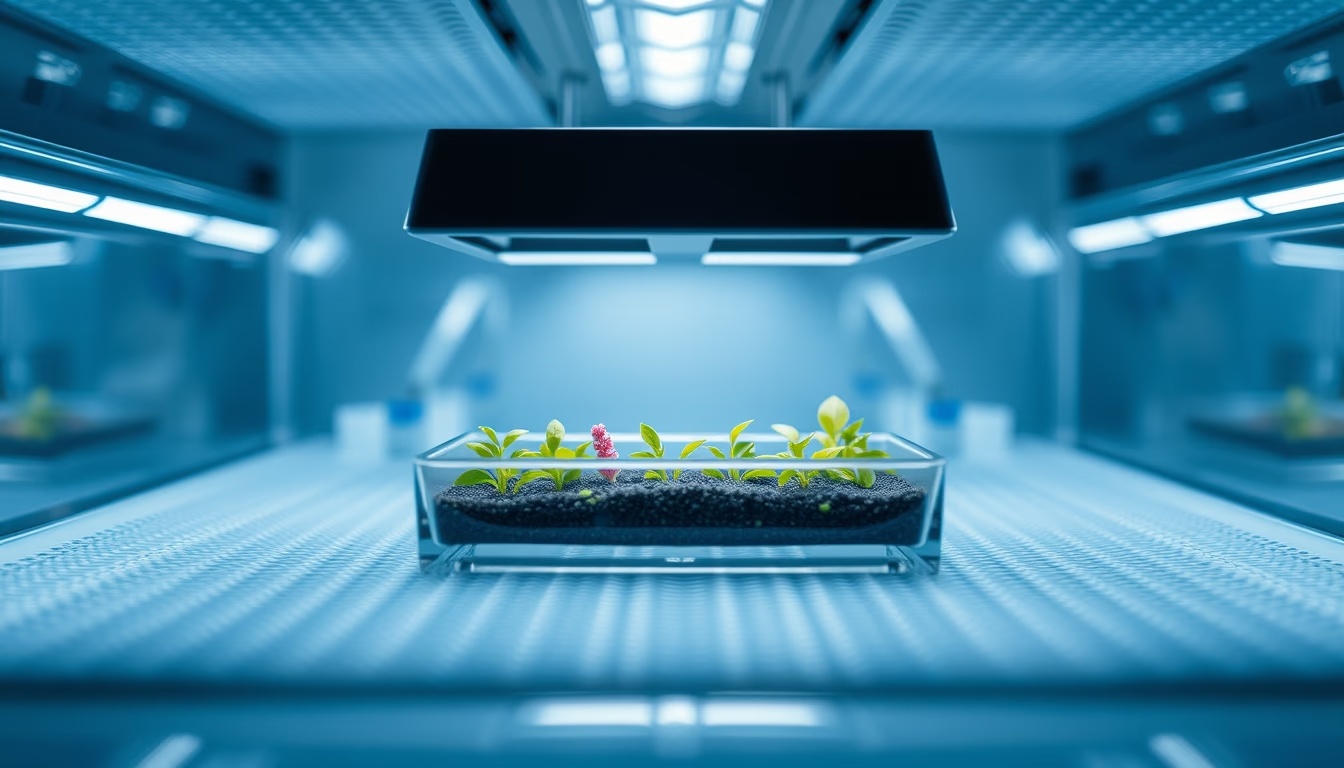
Laboratory incubator maintains ideal conditions for growing microbial and cell cultures in Petri dishes.
About this subject
A laboratory incubator is a vital piece of equipment in microbiology, cell biology, and molecular biology. It provides a controlled environment of temperature, humidity, and, in some models, CO2 concentration for the growth of microorganisms, cells, or tissues. Petri dishes, shallow glass or plastic containers with lids, are widely used to cultivate bacterial colonies, fungi, or cells on agar medium. The incubator typically maintains temperatures between 30°C and 37°C (for human cells) or specific ranges for microorganisms, like 25°C for fungi. Precise control prevents contamination and ensures experimental reproducibility.
Operation relies on thermostats and sensors that adjust heating and air circulation. Modern models may include CO2 systems to maintain stable pH for cell cultures, as carbon dioxide reacts with bicarbonate in the medium. High humidity (above 90%) prevents sample dehydration. The history of incubators dates back to the 19th century, when Louis Pasteur and Robert Koch used rudimentary ovens to culture microorganisms. The invention of the Petri dish by Julius Richard Petri in 1887 revolutionized microbiology, enabling the isolation of pure colonies.
Interesting facts: Incubators come in two main types: gravity convection (warm air rises) and forced convection (fan). The former is gentler for sensitive samples. In research labs, CO2 incubators are common for animal cell culture. Periodic calibration and cleaning are crucial to avoid cross-contamination. A common mistake is opening the door frequently, which alters internal temperature and humidity.
Frequently Asked Questions
What is the typical temperature of a lab incubator?
For bacterial cultures, usually 37°C. For fungi, 25°C. For mammalian cells, 37°C with 5% CO2.
Why are Petri dishes used in incubators?
They allow microorganisms to grow on solid agar medium in isolated colonies, making observation and counting easier.
How does an incubator maintain sterility?
Incubators do not sterilize the interior, but cleaning with disinfectants, HEPA filters, and restricted access reduce contamination.
Direct URL
https://pub-c7d6a6ea828543ac903a74a341ccb2e1.r2.dev/imagens/incubator-lab-petri-tilt-shift-miniature-fresh12.avifHow to credit
Include a visible link back to UtilizAí. Copy one of the snippets below:
<a href="https://xn--utiliza-eza.com/en/midia/imagens/incubator-lab-petri-tilt-shift-miniature-fresh12">Incubator lab petri</a> by <a href="https://xn--utiliza-eza.com">UtilizAí</a>, licensed under <a href="https://creativecommons.org/licenses/by/4.0/">CC BY 4.0</a>.
[Incubator lab petri](https://xn--utiliza-eza.com/en/midia/imagens/incubator-lab-petri-tilt-shift-miniature-fresh12) by [UtilizAí](https://xn--utiliza-eza.com), CC BY 4.0
License: CC-BY-4.0