Incubator lab petri
1344×768 · AVIF · CC BY 4.0
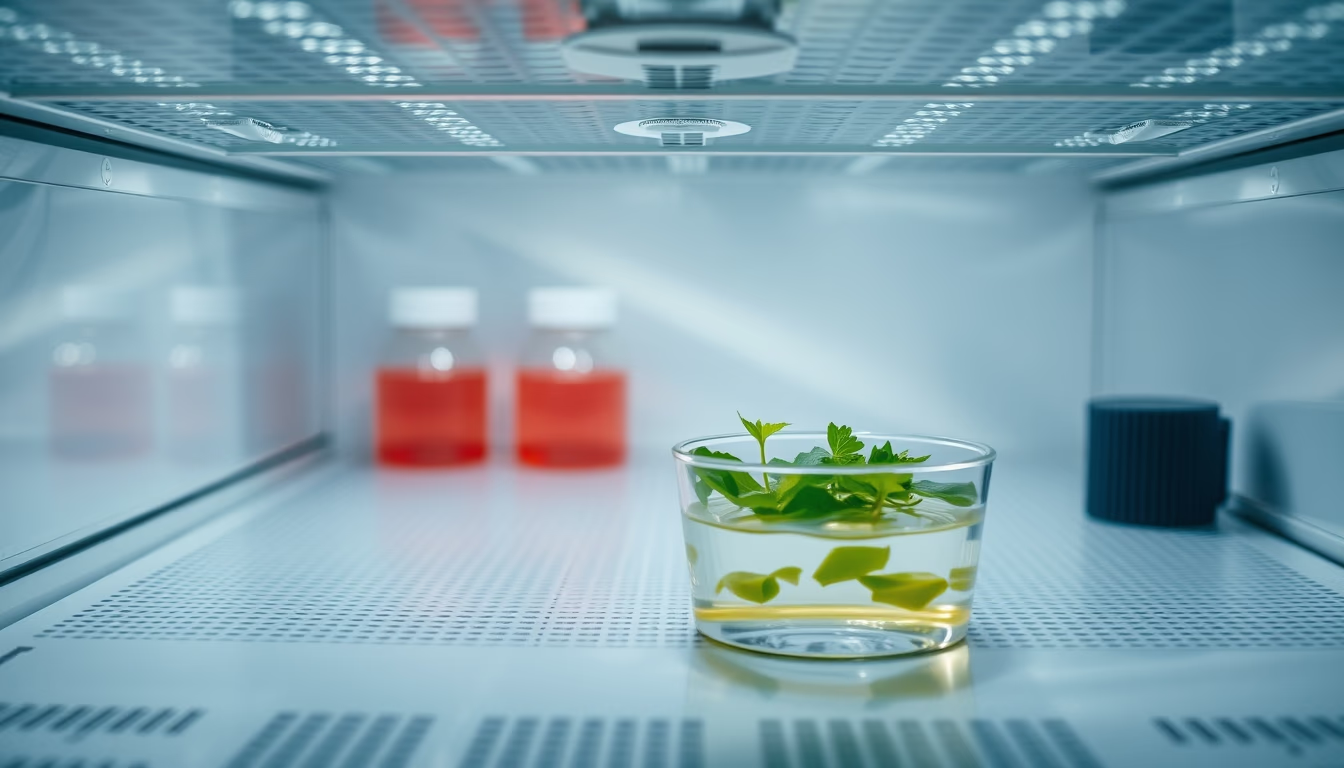
Laboratory incubators provide controlled environments of temperature, humidity, and gas for growing microorganisms and cell cultures, the foundation of modern biological research.
About this subject
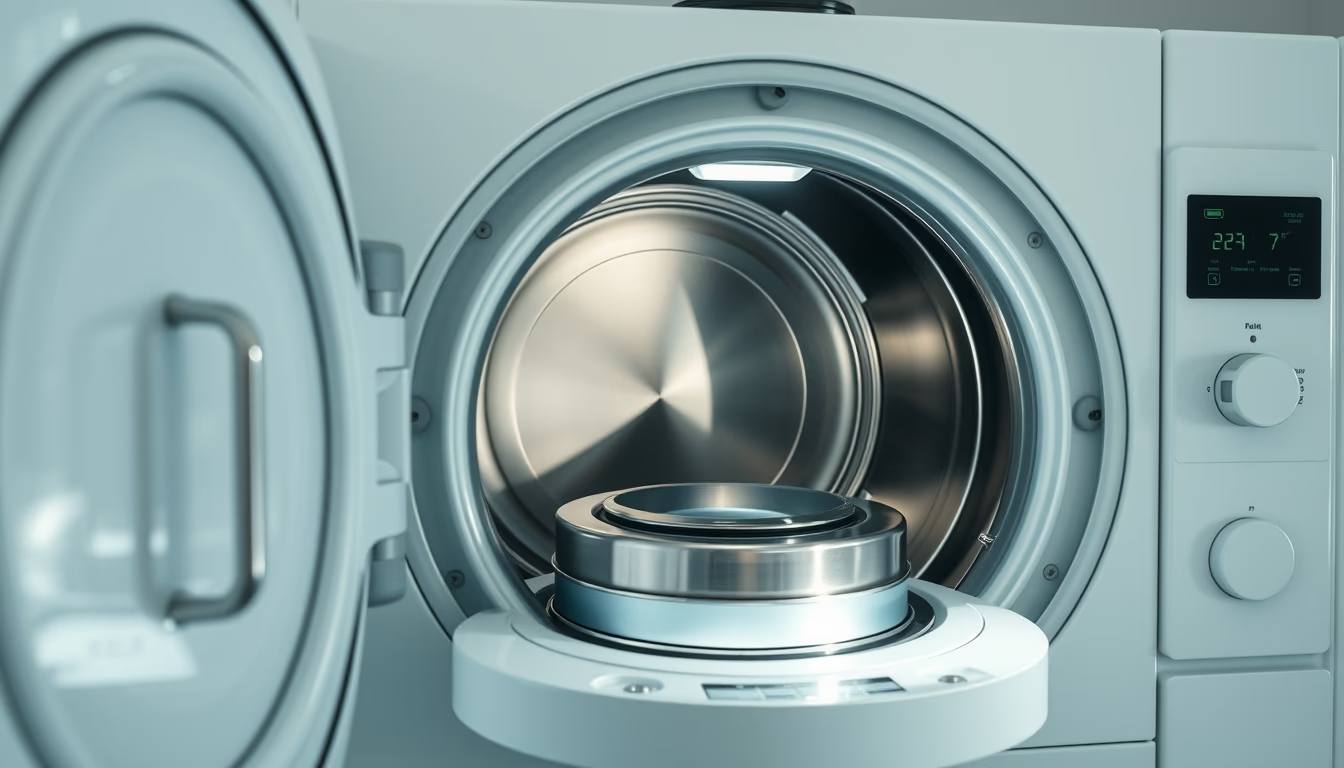
A laboratory incubator is a device that maintains optimal environmental conditions for the growth and maintenance of biological cultures. It uses heating, cooling, and gas injection systems to ensure constant temperature (typically between 20°C and 60°C) and, in advanced models, control of CO₂ and oxygen. Humidity is regulated to prevent evaporation of culture media, a critical factor for long-term experiments.
There are various types of incubators, such as CO₂ incubators, mainly used for mammalian cell culture, which require an atmosphere of 5% to 10% CO₂ and high relative humidity. Bacteriological incubators operate around 37°C without gas control, being suitable for bacteria and yeasts. Shaking incubators combine temperature control with orbital motion for liquid cultures, improving oxygenation and homogeneity.
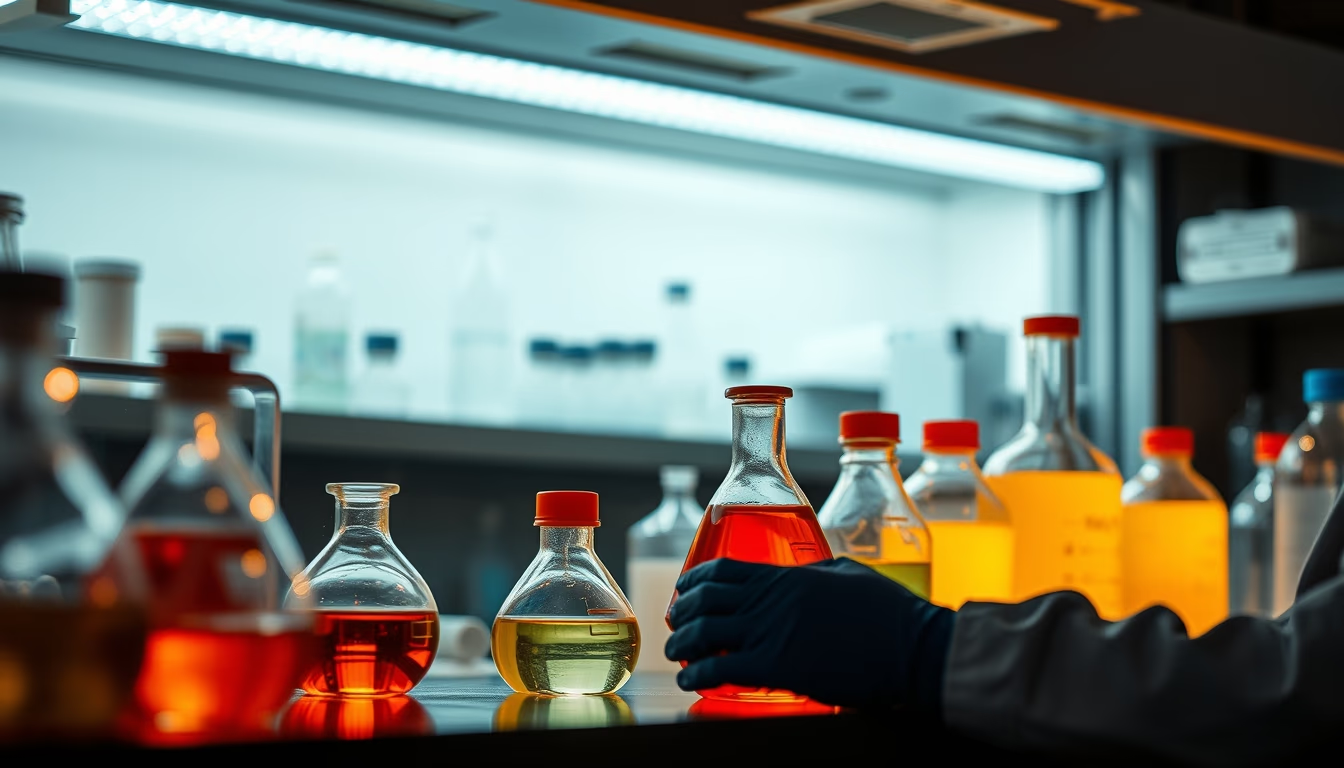
Applications range from clinical microbiology, where pathogens are isolated on Petri dishes, to pharmaceutical research, with antibiotic sensitivity tests and vaccine production. In biotechnology, incubators are used for recombinant protein expression and genetic engineering. The Petri dish, a shallow glass or plastic container, is widely employed in these processes because it allows microorganisms to be streaked on solid media.
Proper incubator maintenance is essential for experimental reproducibility. Periodic sensor calibration, cleaning with non-corrosive disinfectants, and verification of the CO₂ system prevent cross-contamination and unwanted fluctuations. Modern models feature alarms for temperature deviations and thermally insulated doors, ensuring sample safety.
Frequently Asked Questions
What is the typical temperature of a bacteriological incubator?
Most bacteriological incubators operate at 37°C, the optimal temperature for growth of human pathogenic bacteria. However, they can be adjusted between 20°C and 45°C depending on the microorganism's needs.
Why do some incubators control CO₂ concentration?
CO₂ control is essential for mammalian cell cultures, which require stable pH provided by bicarbonate and CO₂. The common range is 5% to 10%, maintaining pH between 7.2 and 7.4.
How can contamination inside an incubator be avoided?
Contamination can be minimized by regular cleaning with appropriate disinfectants (e.g., 70% alcohol), using sterile Petri dishes, maintaining correct humidity, and installing HEPA filters in equipped models.
Direct URL
https://pub-c7d6a6ea828543ac903a74a341ccb2e1.r2.dev/imagens/incubator-lab-petri-magazine-editorial-fresh1.avifHow to credit
Include a visible link back to UtilizAí. Copy one of the snippets below:
<a href="https://xn--utiliza-eza.com/en/midia/imagens/incubator-lab-petri-magazine-editorial-fresh1">Incubator lab petri</a> by <a href="https://xn--utiliza-eza.com">UtilizAí</a>, licensed under <a href="https://creativecommons.org/licenses/by/4.0/">CC BY 4.0</a>.
[Incubator lab petri](https://xn--utiliza-eza.com/en/midia/imagens/incubator-lab-petri-magazine-editorial-fresh1) by [UtilizAí](https://xn--utiliza-eza.com), CC BY 4.0
License: CC-BY-4.0