Incubator lab petri
1344×768 · AVIF · CC BY 4.0
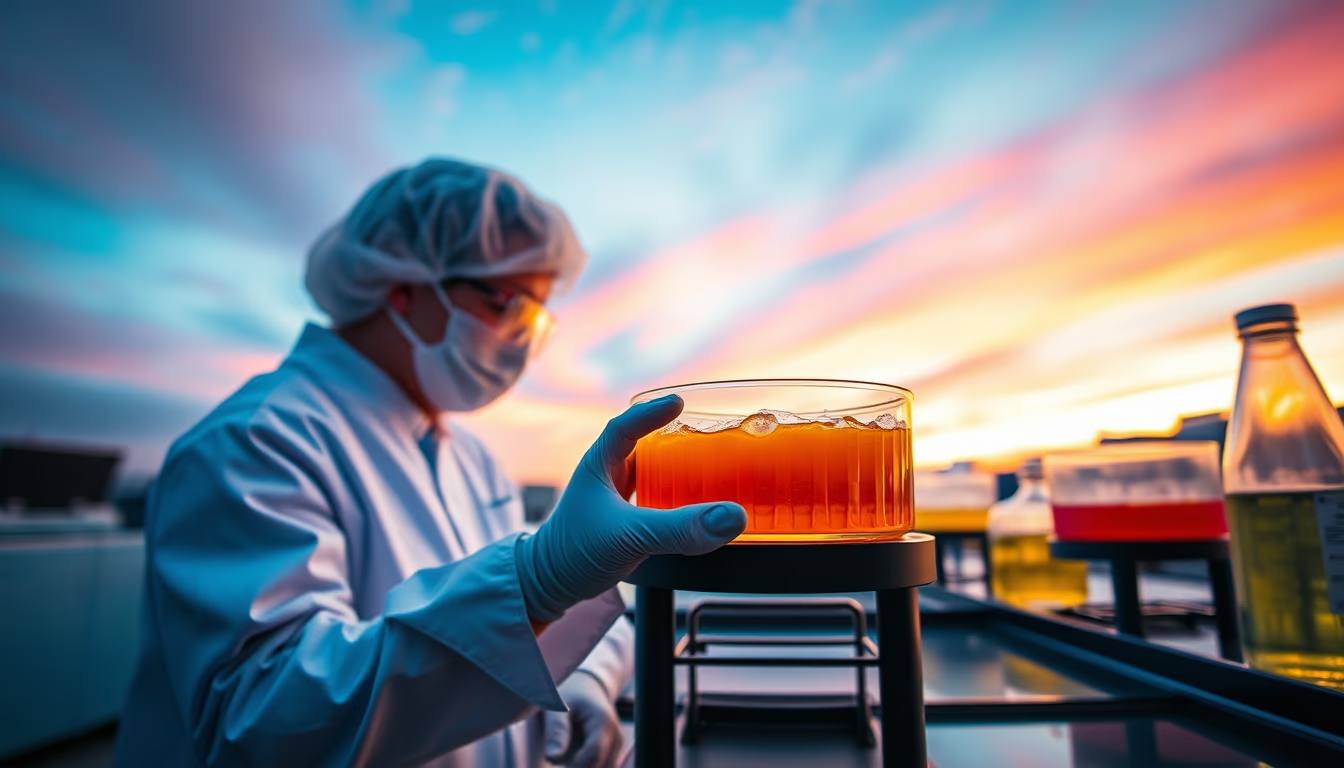
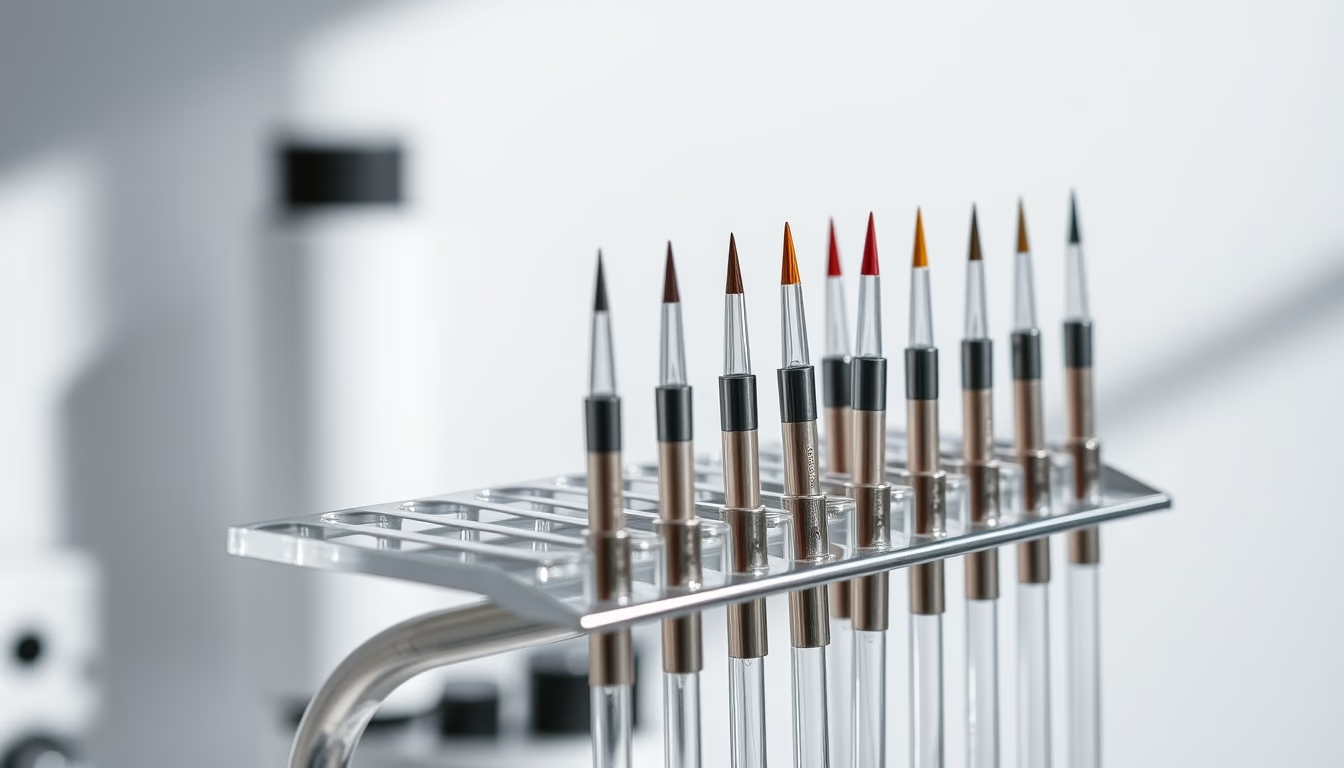
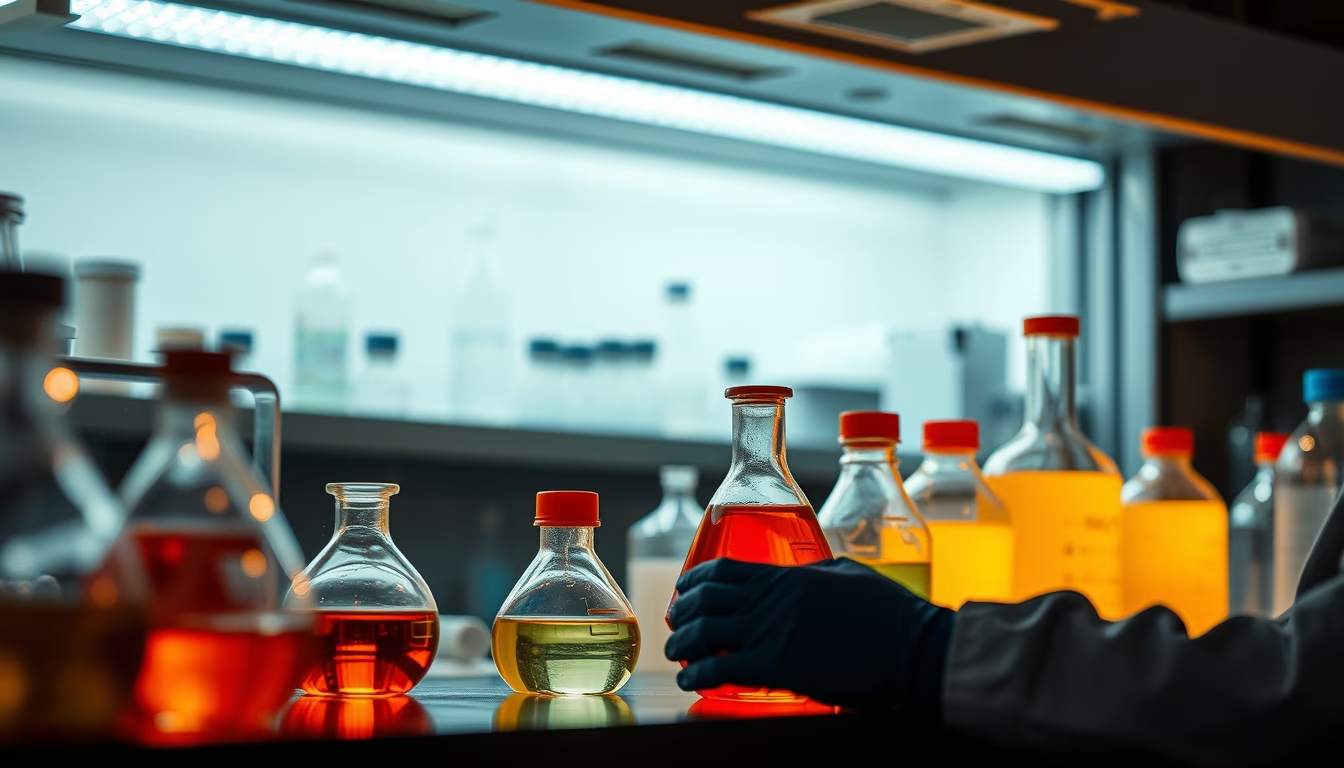
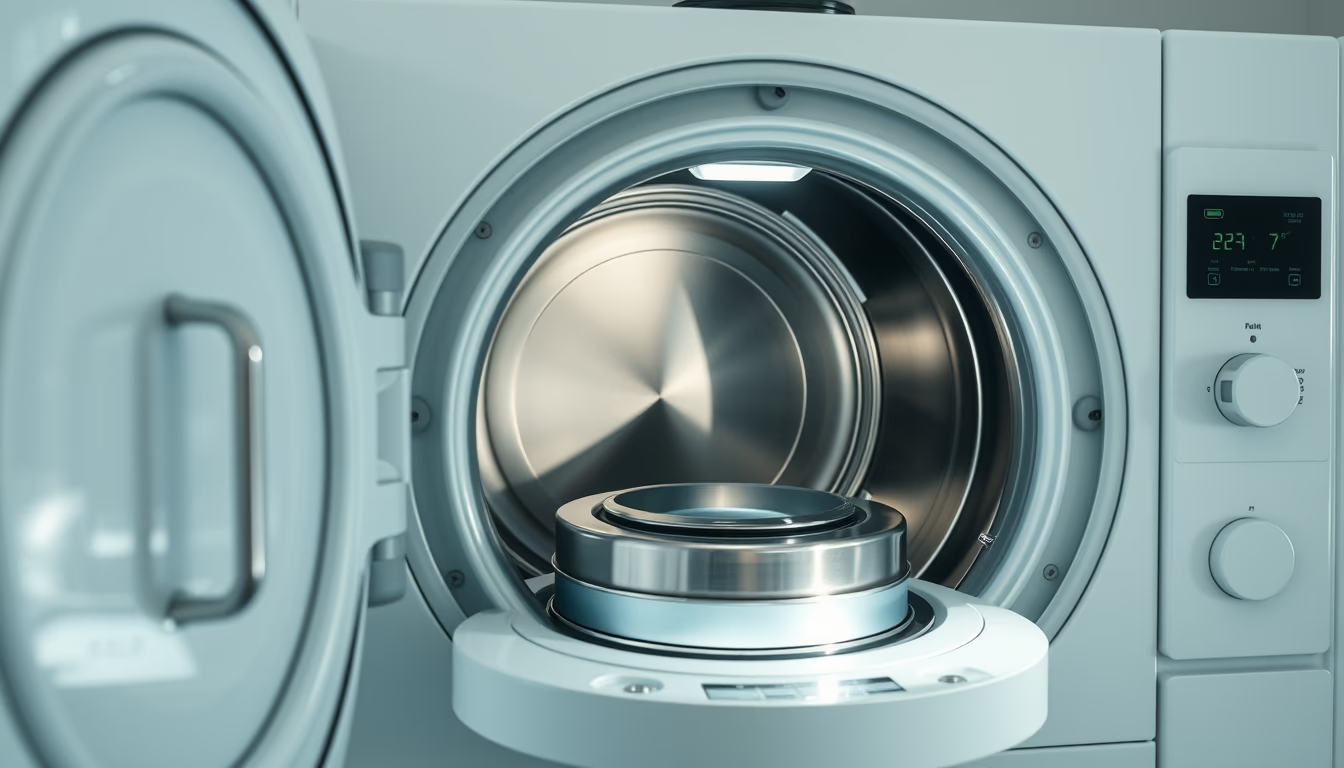
Bench-top incubator for Petri dishes, essential equipment in microbiology and cell culture laboratories.
About this subject
A laboratory incubator is an equipment that maintains controlled conditions of temperature, humidity and, in some models, CO2 concentration, being indispensable for the growth of microbial and cell cultures. Petri dishes, invented by German bacteriologist Julius Richard Petri in 1887, are shallow glass or plastic containers used to culture microorganisms on solid medium (agar). Together, incubator and dish form the basis of classic microbiology experiments such as antibiograms, colony counting and bacterial isolation.
Modern incubators offer precision of up to 0.1°C, with typical ranges from 5°C above ambient temperature to 60°C. Specialized models for mammalian cell culture operate at 37°C with 5% CO2, mimicking physiological conditions. The long exposure technique used in photographing this equipment allows capturing subtle details of internal lighting and dish arrangement, common in catalogs of laboratory supply manufacturers.
Historically, the development of the bacteriological incubator in the late 19th century by Louis Pasteur and Robert Koch revolutionized medicine by enabling controlled cultivation of pathogens. Today, incubators are also used in in vitro fertilization (embryo incubators), biotechnology and quality testing in pharmaceutical and food industries. The benchtop design, as seen in the image, is common in teaching and research labs for its practicality and space efficiency.
Frequently Asked Questions
What is the ideal temperature for bacterial culture in an incubator?
Most clinically relevant bacteria grow well at 37°C (human body temperature), but many also thrive between 25°C and 30°C. The incubator should be adjusted according to the target microorganism.
Why do some incubators require CO2?
Mammalian cells and some microorganisms require CO2 to maintain the pH of the culture medium. The CO2 incubator controls the concentration (usually 5%) to simulate physiological conditions.
How to avoid contamination when using Petri dishes in the incubator?
Always work near a Bunsen burner, use aseptic techniques (gloves, flame sterilization of loops) and keep the incubator clean with appropriate disinfectants, avoiding unnecessary door openings.
Direct URL
https://pub-c7d6a6ea828543ac903a74a341ccb2e1.r2.dev/imagens/incubator-lab-petri-long-exposure-fresh9.avifHow to credit
Include a visible link back to UtilizAí. Copy one of the snippets below:
<a href="https://xn--utiliza-eza.com/en/midia/imagens/incubator-lab-petri-long-exposure-fresh9">Incubator lab petri</a> by <a href="https://xn--utiliza-eza.com">UtilizAí</a>, licensed under <a href="https://creativecommons.org/licenses/by/4.0/">CC BY 4.0</a>.
[Incubator lab petri](https://xn--utiliza-eza.com/en/midia/imagens/incubator-lab-petri-long-exposure-fresh9) by [UtilizAí](https://xn--utiliza-eza.com), CC BY 4.0
License: CC-BY-4.0