Incubator lab petri
1344×768 · AVIF · CC BY 4.0
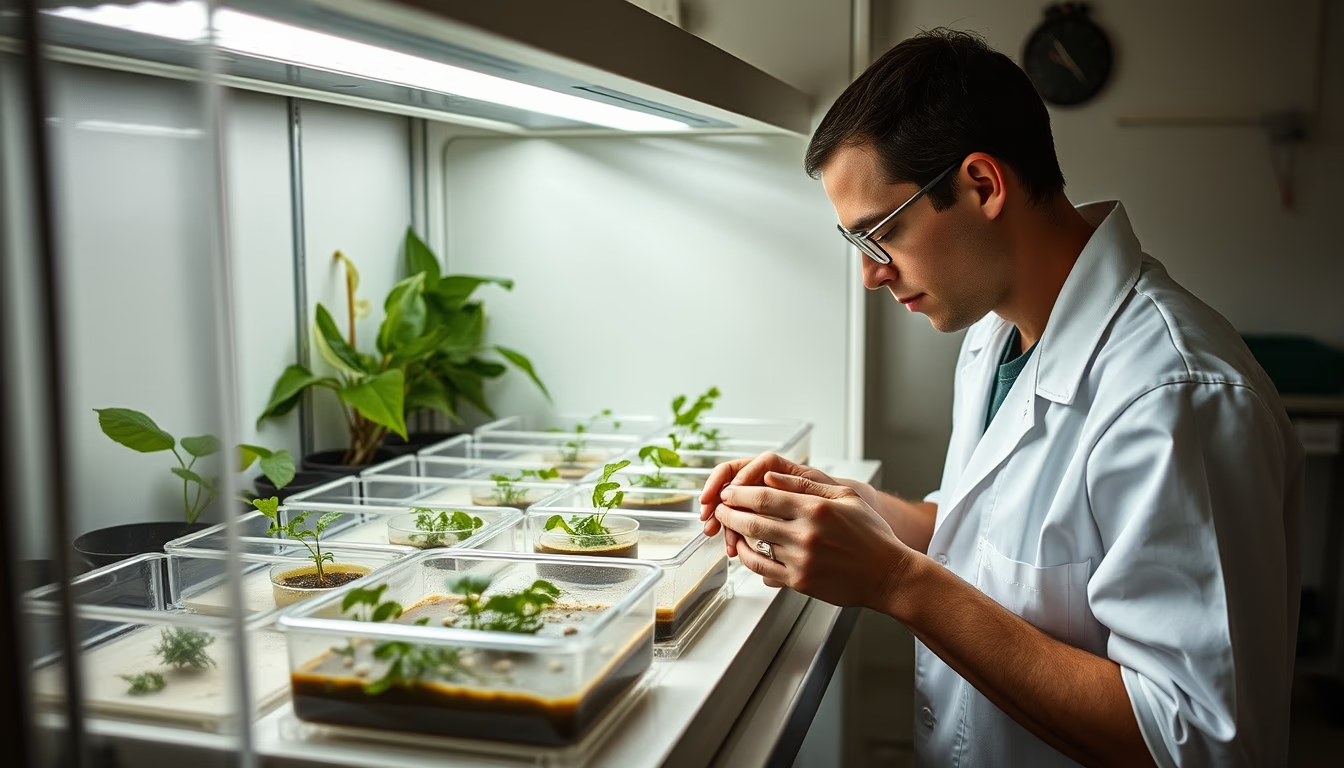
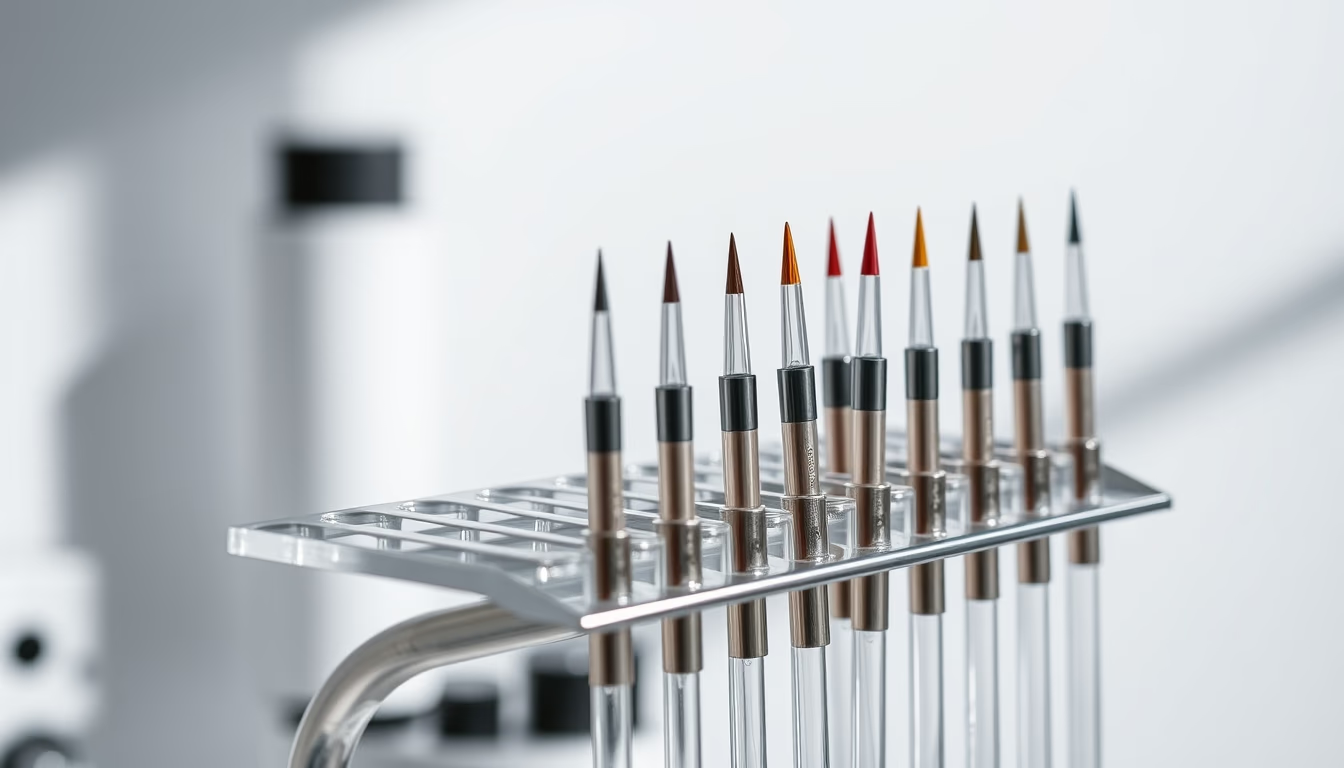
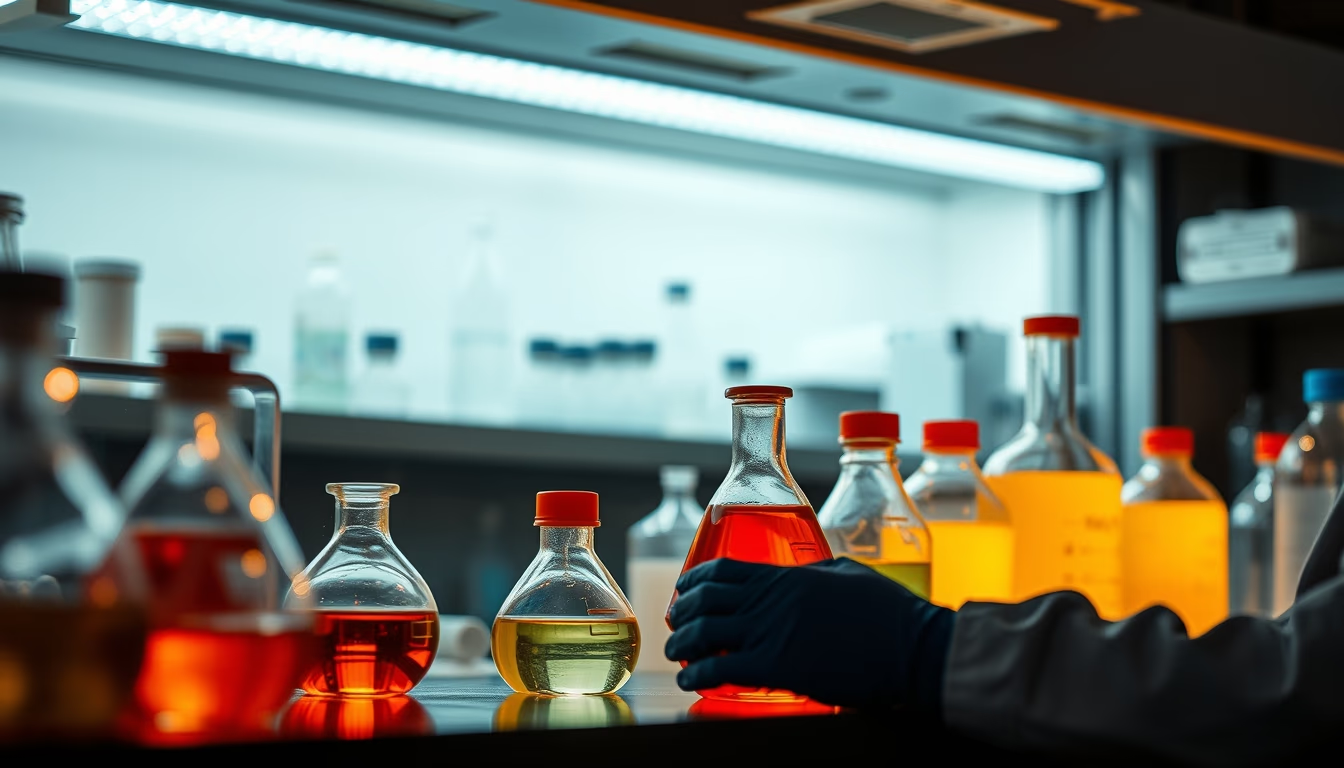
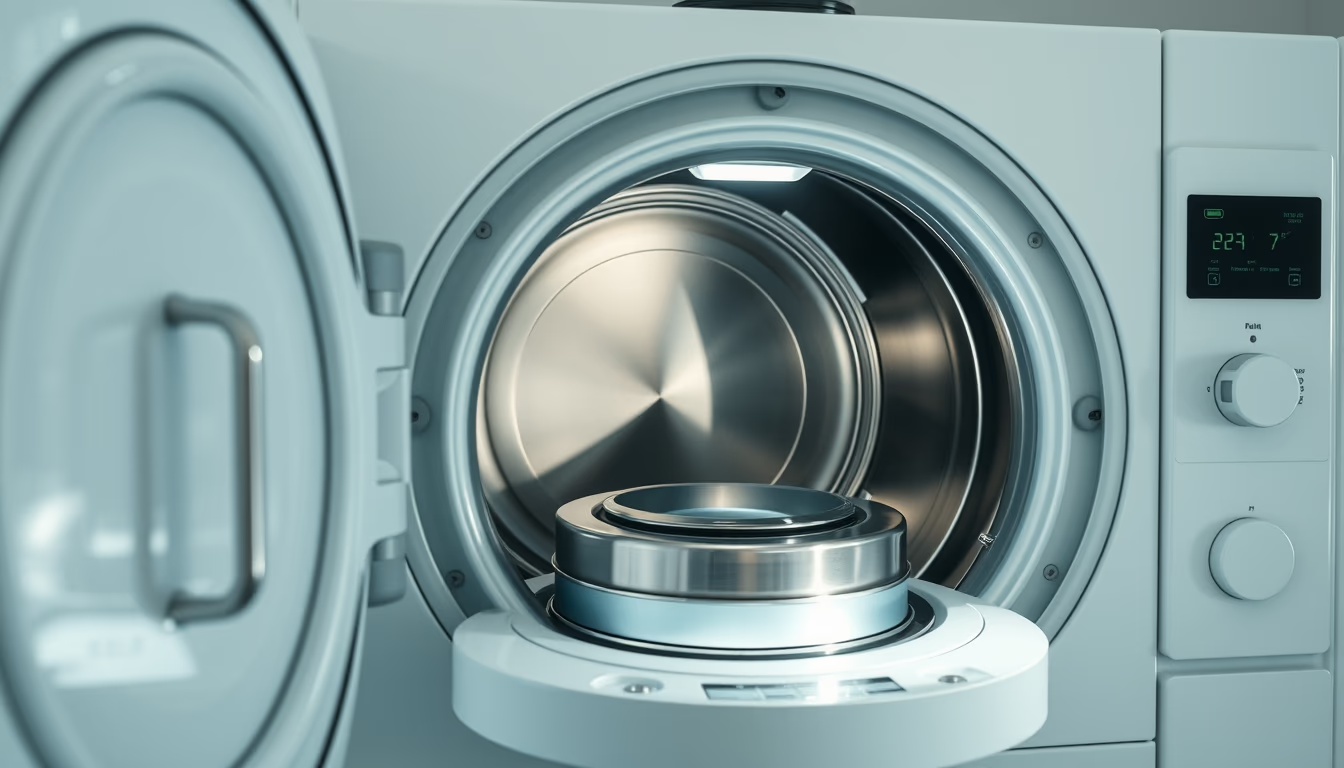
Laboratory incubator for Petri dishes: essential equipment in microbiology for culturing microorganisms with precise temperature control.
About this subject
A laboratory incubator is an enclosed device that maintains controlled environmental conditions, especially temperature and humidity, for culturing microorganisms. In the context of Petri dishes, the incubator provides the ideal environment for the growth of bacteria, fungi, and other microorganisms on solid or semisolid culture media. Typical temperature used is 37°C for human pathogenic cultures, but can range from 20°C to 50°C depending on the organism studied. Some incubators also control CO2 concentration, essential for eukaryotic cell cultures.
Petri dishes, invented by German bacteriologist Julius Richard Petri in 1887, are shallow glass or plastic containers with lids, filled with culture media. They allow isolation and observation of microbial colonies. The incubator ensures the dishes remain in sterile and stable conditions, preventing contamination. The combined use of these two items is fundamental in clinical microbiology laboratories, pharmaceutical research, and the food industry.
Temperature control is critical: variations can alter microbial metabolism, compromise experiments, or even prevent growth. Modern incubators feature convection heating systems, deviation alarms, and digital logging. Beyond microbiology, they are used in embryology (in vitro fertilization), tissue culture, and antibiotic sensitivity testing. The precision and reliability of these devices are vital for reproducible scientific results.
Frequently Asked Questions
What is the standard temperature for a Petri dish incubator?
The most common temperature is 37°C, simulating the human body for pathogen culture. It can range from 20°C to 50°C depending on the microorganism.
Why is humidity controlled in the incubator?
To prevent the culture medium from drying out, maintaining necessary hydration for microbial growth and avoiding cracks in the agar.
Are CO2 incubators different from regular ones?
Yes. CO2 incubators maintain levels of 5% to 10% carbon dioxide, essential for cell and tissue cultures that require stable pH.
Direct URL
https://pub-c7d6a6ea828543ac903a74a341ccb2e1.r2.dev/imagens/incubator-lab-petri-documentary-nature-style-fresh3.avifHow to credit
Include a visible link back to UtilizAí. Copy one of the snippets below:
<a href="https://xn--utiliza-eza.com/en/midia/imagens/incubator-lab-petri-documentary-nature-style-fresh3">Incubator lab petri</a> by <a href="https://xn--utiliza-eza.com">UtilizAí</a>, licensed under <a href="https://creativecommons.org/licenses/by/4.0/">CC BY 4.0</a>.
[Incubator lab petri](https://xn--utiliza-eza.com/en/midia/imagens/incubator-lab-petri-documentary-nature-style-fresh3) by [UtilizAí](https://xn--utiliza-eza.com), CC BY 4.0
License: CC-BY-4.0