Iceland fissure eruption
1344×768 · AVIF · CC BY 4.0
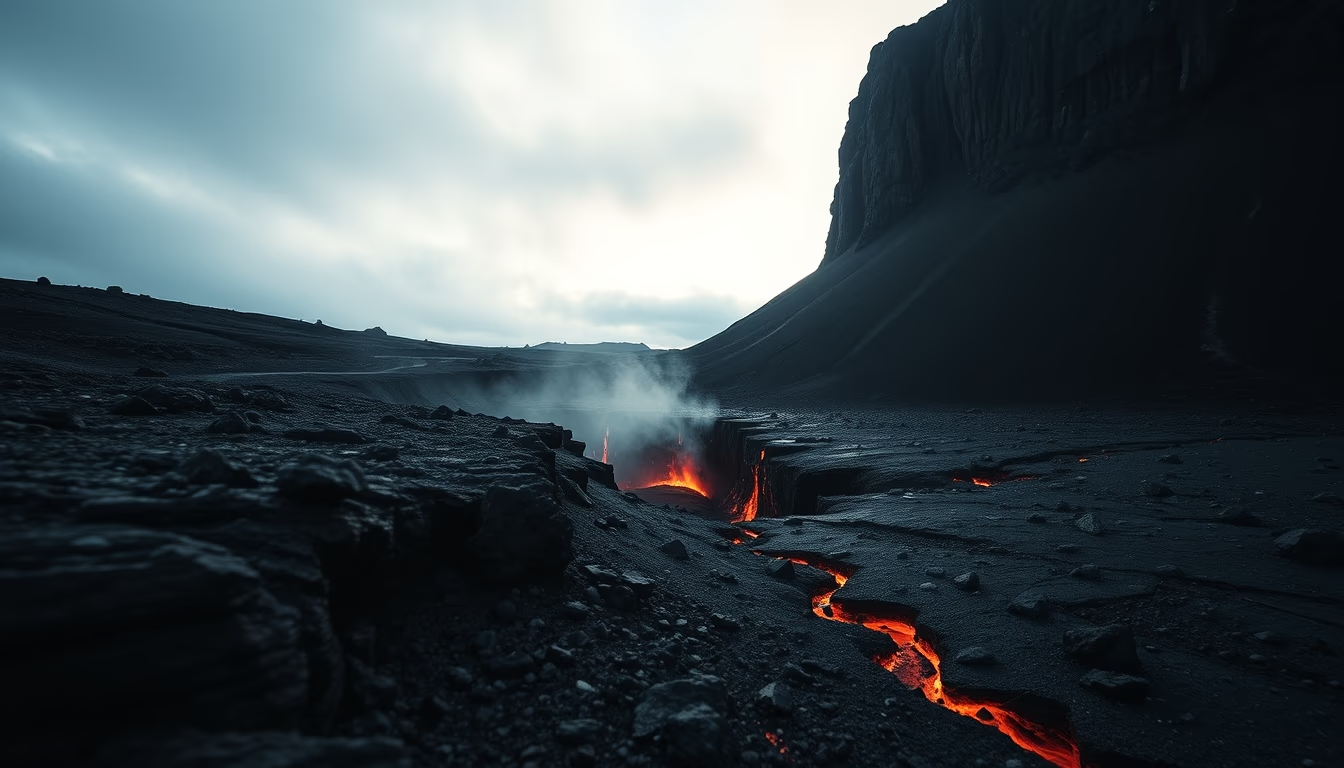
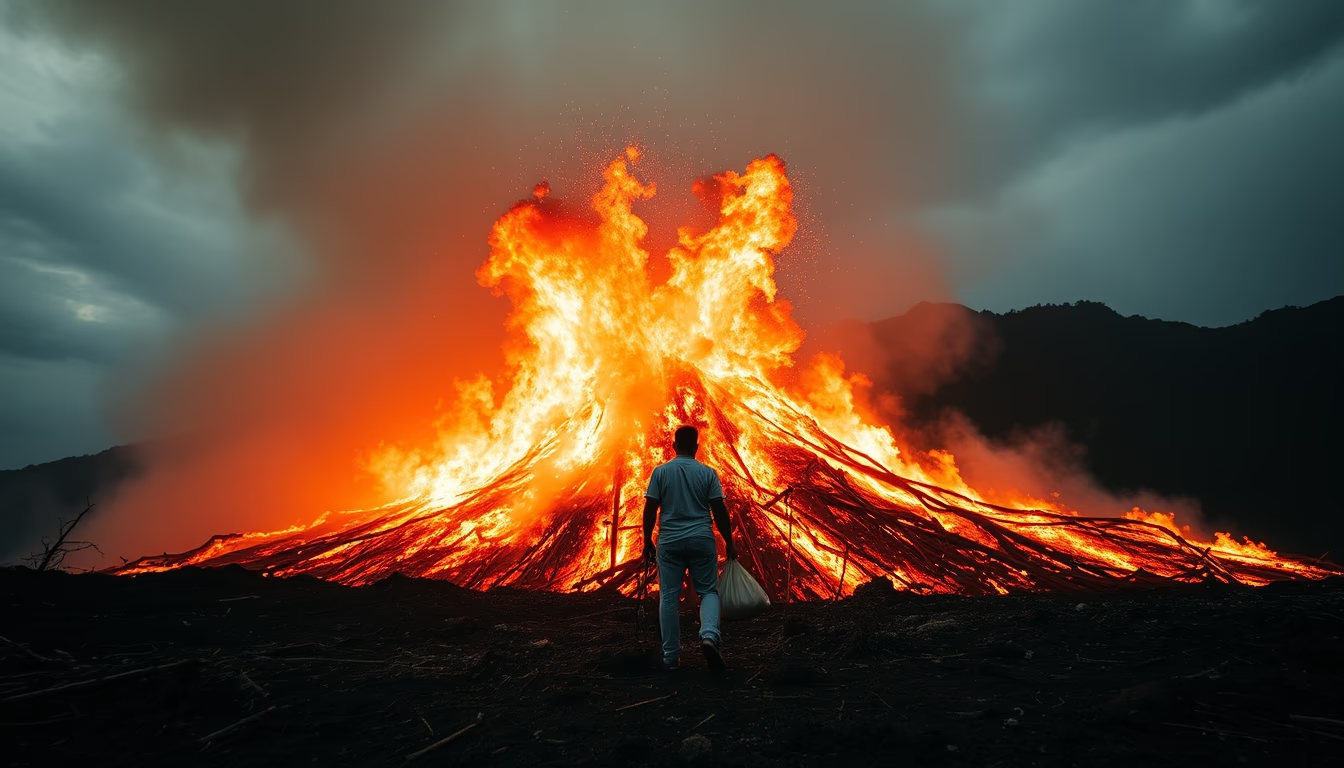
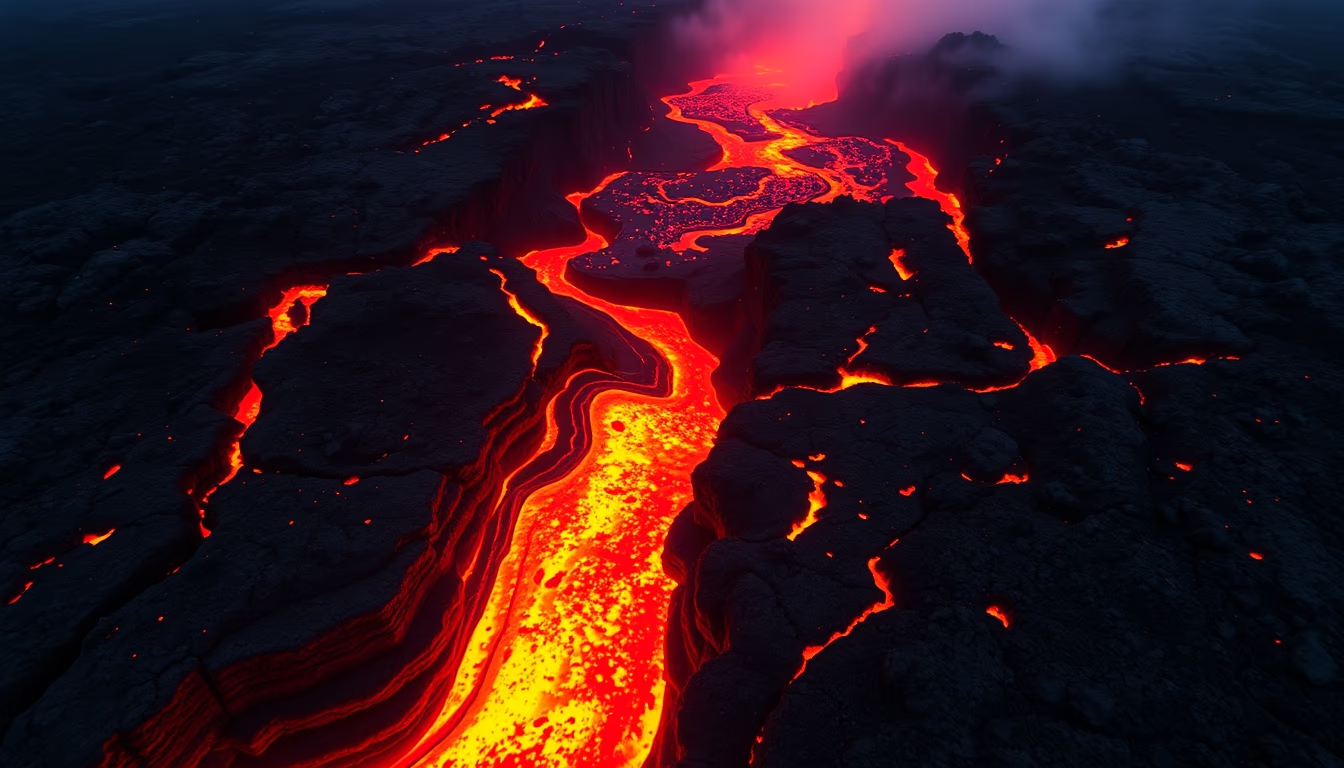
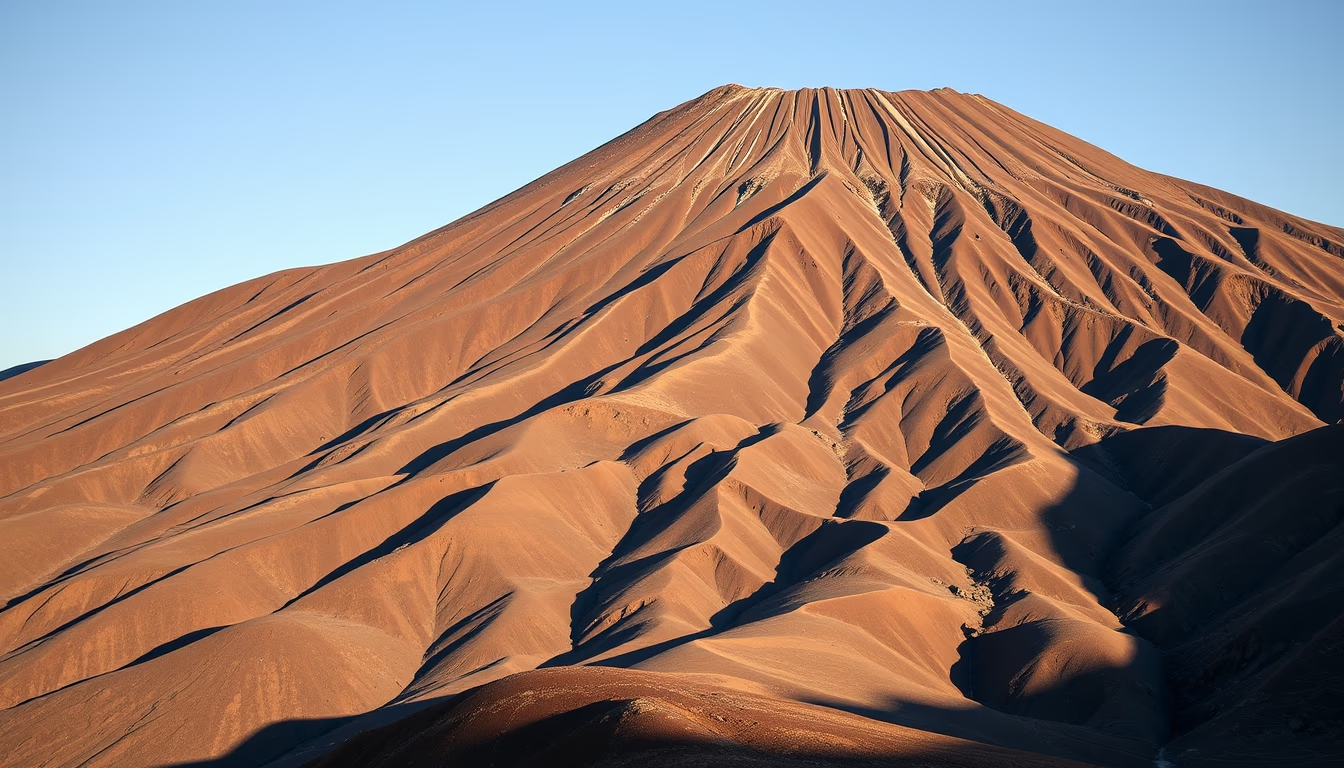
Icelandic fissure eruptions are dramatic volcanic events, creating long ground cracks that release lava and gases.
About this subject
Icelandic fissure eruptions occur along the Mid-Atlantic Ridge, where the Eurasian and North American tectonic plates diverge. These events produce cracks hundreds of meters to several kilometers long, through which basaltic magma emerges effusively, creating extensive lava fields. Unlike central vent eruptions, fissures produce fire curtains and lava fountains that shape landscapes like the Eldhraun lava plain and the Krafla system.
Historically, the Laki eruption in 1783-1784 was the most devastating, releasing about 14 km³ of lava and toxic gases that caused a catastrophic famine in Iceland and impacted the global climate. Another giant event was the Eldgjá eruption around 939 AD, which expelled roughly 18 km³ of lava. In the 21st century, the eruptions at Fagradalsfjall (2021) and Litli-Hrútur (2023) attracted thousands of tourists and scientists due to their accessibility and scenic beauty.
Iceland constantly monitors its seismic and volcanic activity with GPS networks and seismometers. Fissure eruptions, though less explosive, can release large amounts of sulfur dioxide and affect air quality. The resulting landscape, with vast lava fields covered in moss, is iconic and protected in national parks like Thingvellir and Skaftafell.
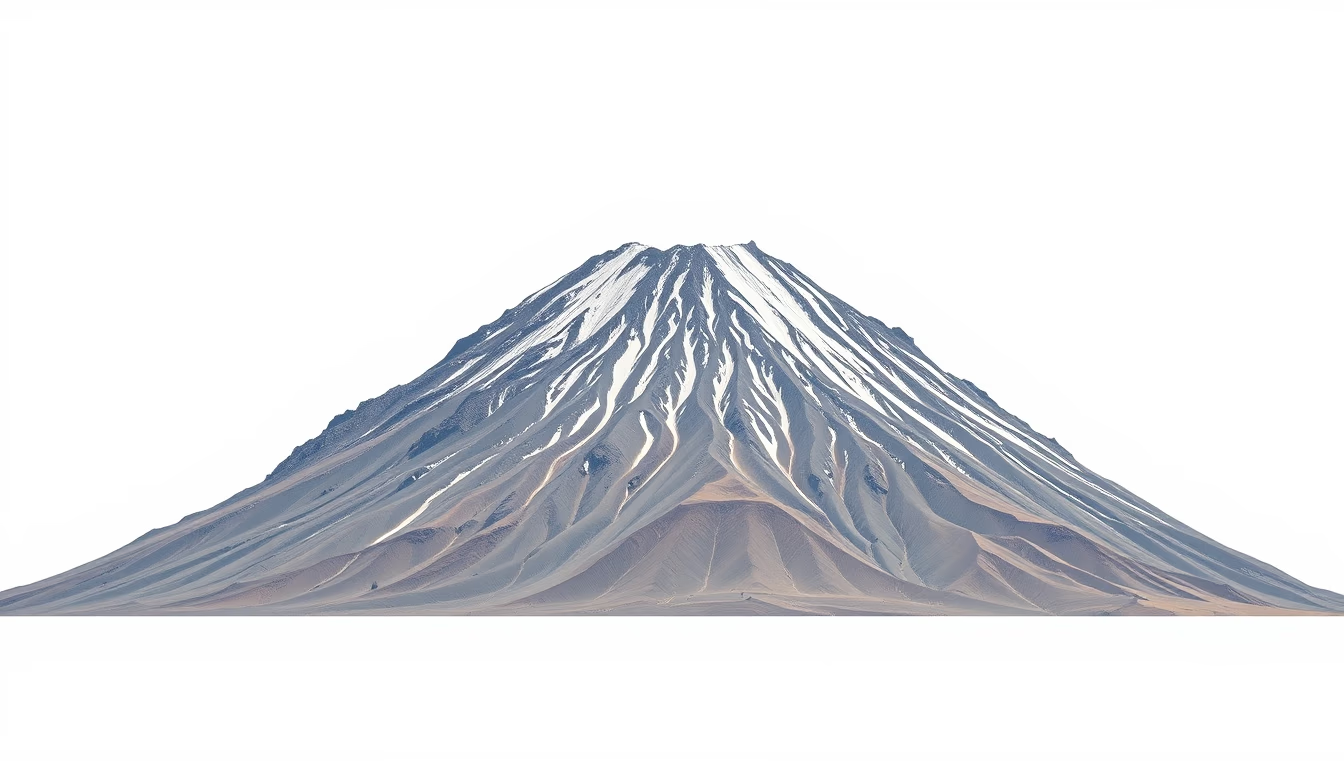
Interestingly, the term 'fissure' is used both for the geological phenomenon and for naming volcanoes such as the Bárðarbunga system, which had a fissure eruption in 2014-2015. The minimalist composition of these images highlights the straight lines and simplicity of the cracks against Iceland's ice and sky.
Frequently Asked Questions
What is a fissure eruption?
It is a type of volcanic eruption where magma emerges through long cracks in the ground instead of a central vent. In Iceland, they are common due to the tectonic rift.
Are Iceland's fissure eruptions dangerous?
They are usually effusive, not explosive, but can release toxic gases like sulfur dioxide. The Laki eruption in 1783 caused famine and deaths, but modern eruptions are monitored and managed.
Can you visit a fissure eruption in Iceland?
Yes, depending on location and safety conditions. Recent eruptions at Fagradalsfjall were accessible to the public, with trails and safety recommendations.
Direct URL
https://pub-c7d6a6ea828543ac903a74a341ccb2e1.r2.dev/imagens/iceland-fissure-eruption-minimalist-composition-fresh17.avifHow to credit
Include a visible link back to UtilizAí. Copy one of the snippets below:
<a href="https://xn--utiliza-eza.com/en/midia/imagens/iceland-fissure-eruption-minimalist-composition-fresh17">Iceland fissure eruption</a> by <a href="https://xn--utiliza-eza.com">UtilizAí</a>, licensed under <a href="https://creativecommons.org/licenses/by/4.0/">CC BY 4.0</a>.
[Iceland fissure eruption](https://xn--utiliza-eza.com/en/midia/imagens/iceland-fissure-eruption-minimalist-composition-fresh17) by [UtilizAí](https://xn--utiliza-eza.com), CC BY 4.0
License: CC-BY-4.0