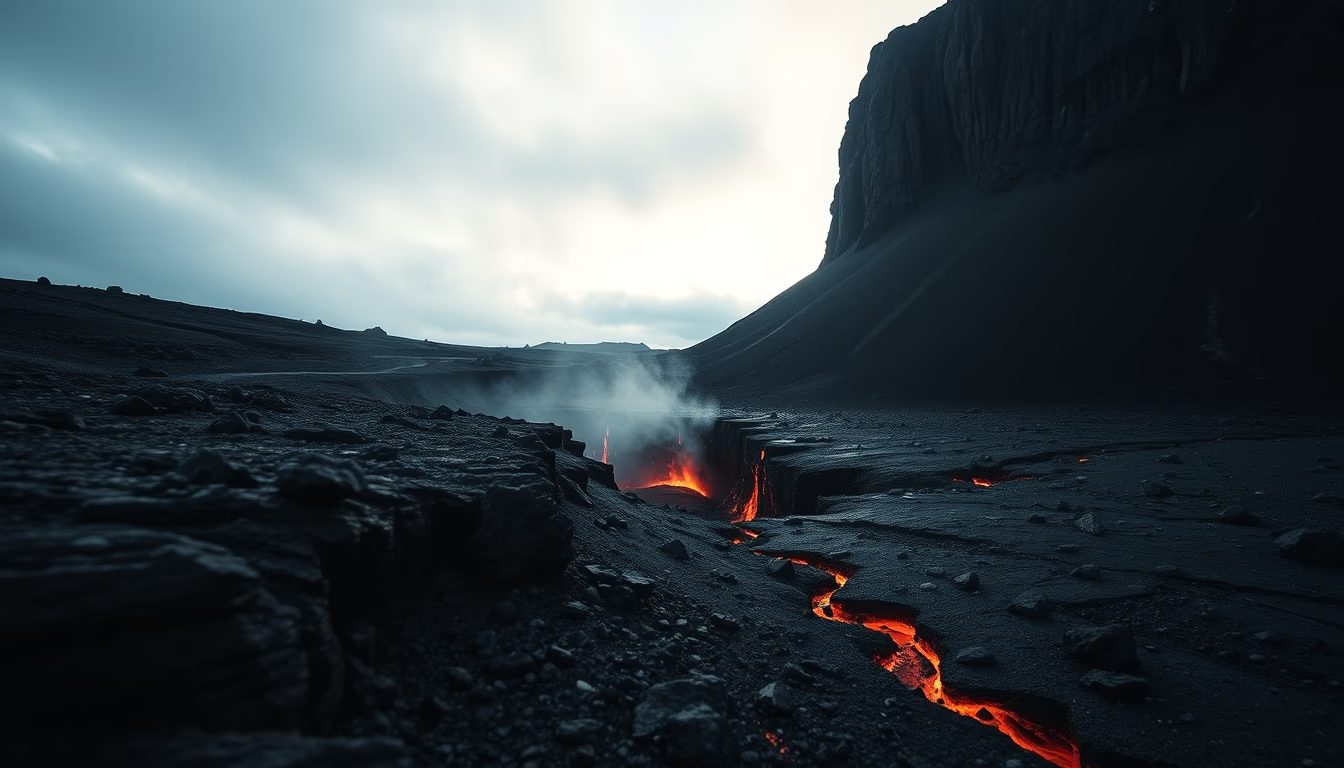
Iceland fissure eruption
1344×768 · AVIF · CC BY 4.0
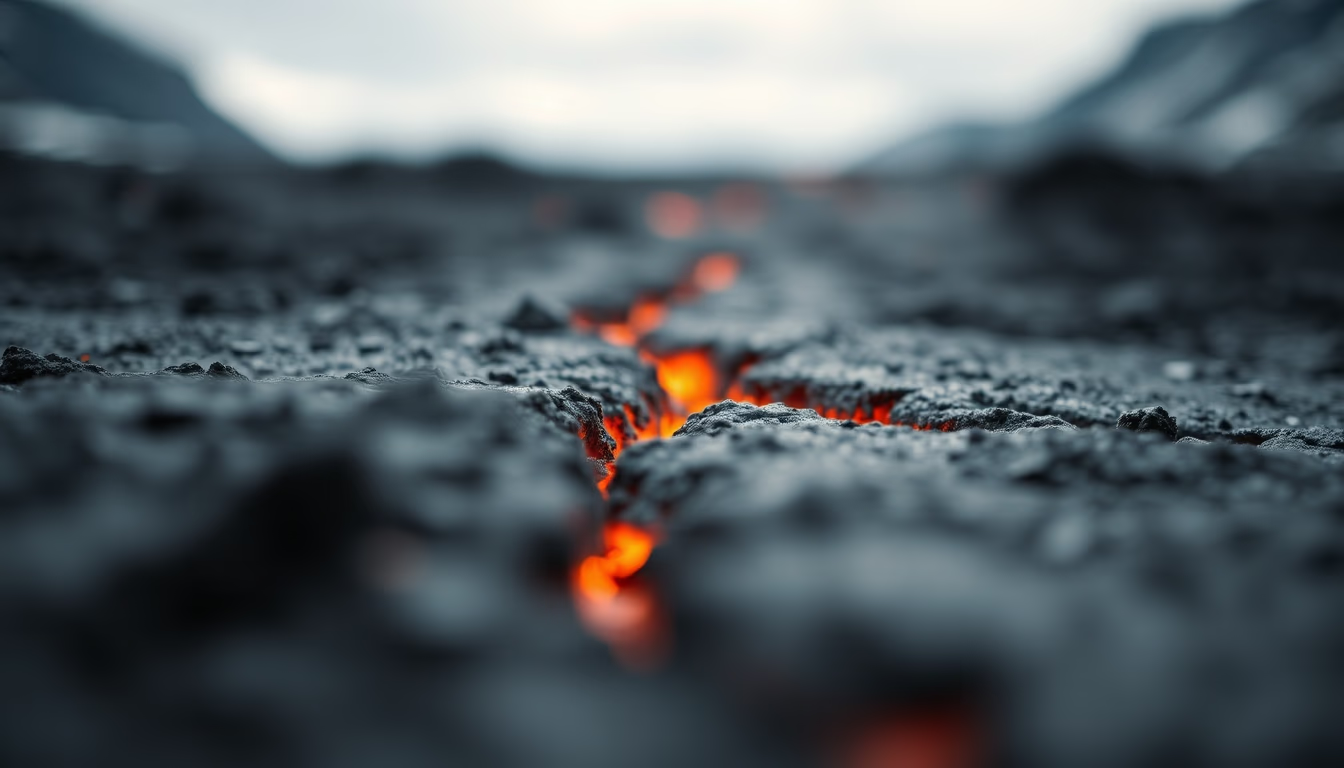
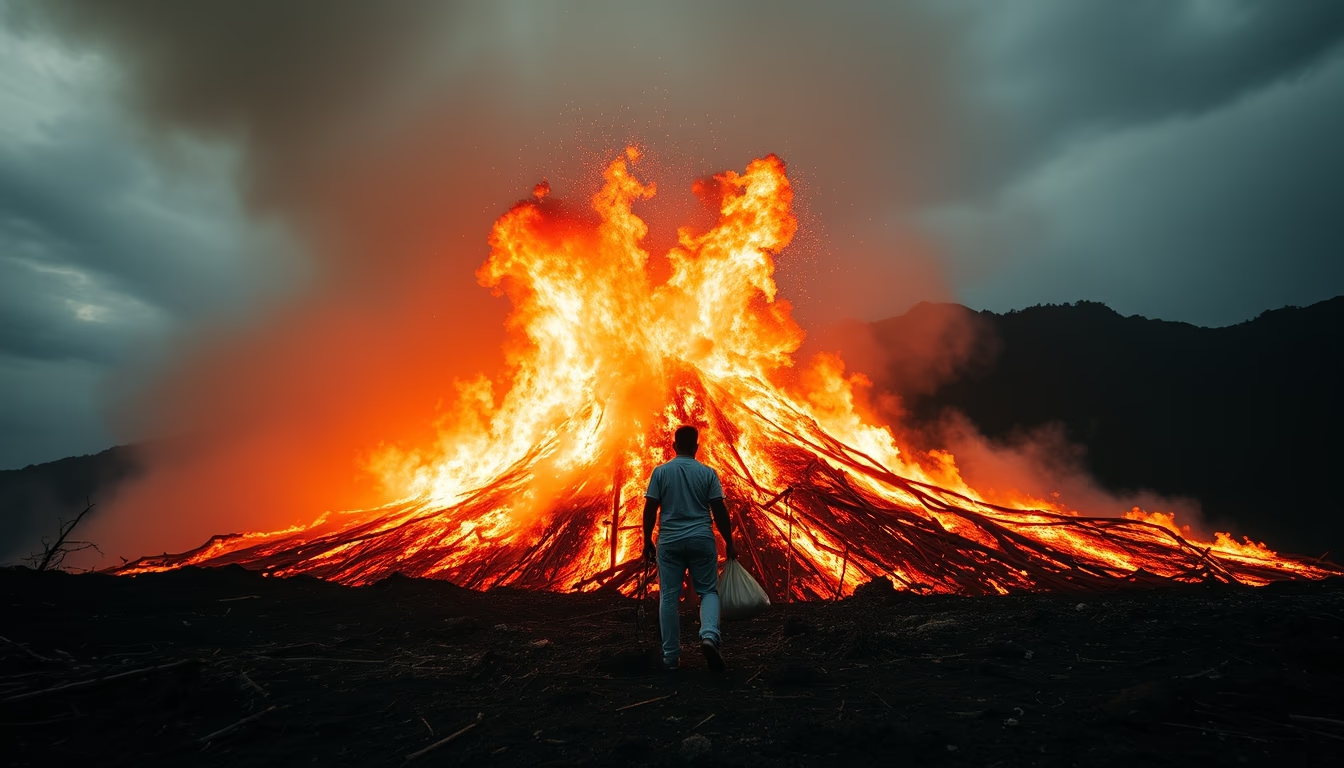
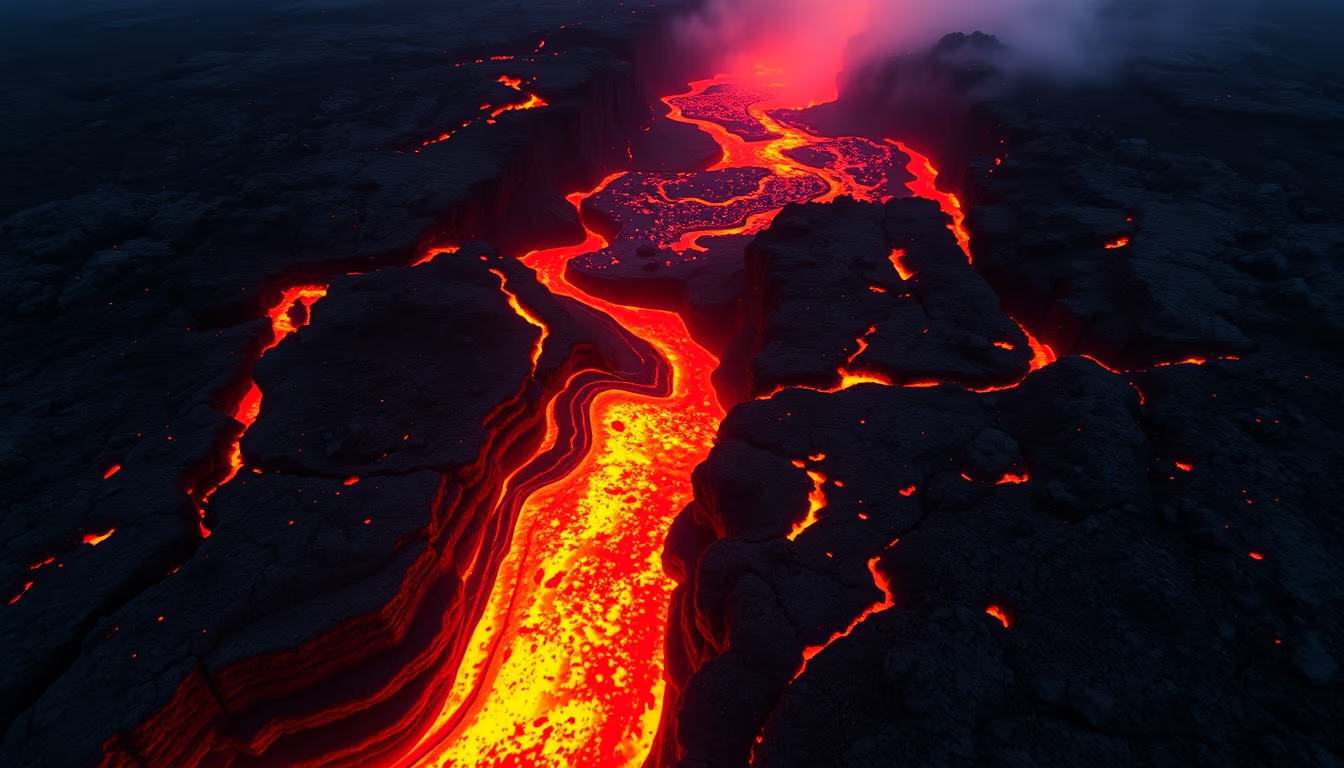
Icelandic fissure eruption, a common phenomenon along the Mid-Atlantic Ridge rift, producing basaltic lava and vast lava fields.
About this subject
In Iceland, fissure eruptions occur when magma ascends through linear fractures in the Earth's crust rather than a central vent. This process is typical of rift volcanism, associated with the separation of the North American and Eurasian tectonic plates. The magma, usually basaltic and of low viscosity, erupts along tens to hundreds of meters of the fissure, producing fire curtains and lava flows that can cover vast areas.
Iceland hosts several volcanic systems with historical fissure activity, such as Krafla, Askja, and the recent Fagradalsfjall system, which erupted in 2021 after nearly 800 years of quiescence on the Reykjanes Peninsula. These eruptions produce pahoehoe (smooth) and aa (rough) lava, along with gas emissions like sulfur dioxide. Fissure eruptions are typically effusive, with low explosivity, though they can generate lava fountains up to 100 meters high.
Interestingly, the composition of Icelandic basaltic magma is similar to magma found at oceanic ridges, but with distinct geochemical signatures due to contributions from the Iceland hotspot. Fissure eruptions can last weeks to months, and rapid cooling forms structures such as pillow lavas when contacting ice or water. These events are closely monitored by seismographs and satellites, providing valuable data on mantle dynamics.
Frequently Asked Questions
What is a fissure eruption?
It is a volcanic eruption that occurs along a linear fracture in the Earth's crust through which magma erupts instead of a single crater. Common in rift zones, such as Iceland.
Where do fissure eruptions occur in Iceland?
Mainly along rift zones, such as the Reykjanes volcanic zone and the Northern volcanic zone, including systems like Krafla and Askja. The recent Fagradalsfjall system on the Reykjanes Peninsula is a notable example.
How do fissure eruptions differ from central vent eruptions?
Fissure eruptions release lava from linear fractures, forming extensive lava fields, while central vent eruptions concentrate at a single conduit, building cones and volcanic edifices. Fissure eruptions are typical of fluid basaltic magmas.
Direct URL
https://pub-c7d6a6ea828543ac903a74a341ccb2e1.r2.dev/imagens/iceland-fissure-eruption-macro-closeup-fresh16.avifHow to credit
Include a visible link back to UtilizAí. Copy one of the snippets below:
<a href="https://xn--utiliza-eza.com/en/midia/imagens/iceland-fissure-eruption-macro-closeup-fresh16">Iceland fissure eruption</a> by <a href="https://xn--utiliza-eza.com">UtilizAí</a>, licensed under <a href="https://creativecommons.org/licenses/by/4.0/">CC BY 4.0</a>.
[Iceland fissure eruption](https://xn--utiliza-eza.com/en/midia/imagens/iceland-fissure-eruption-macro-closeup-fresh16) by [UtilizAí](https://xn--utiliza-eza.com), CC BY 4.0
License: CC-BY-4.0