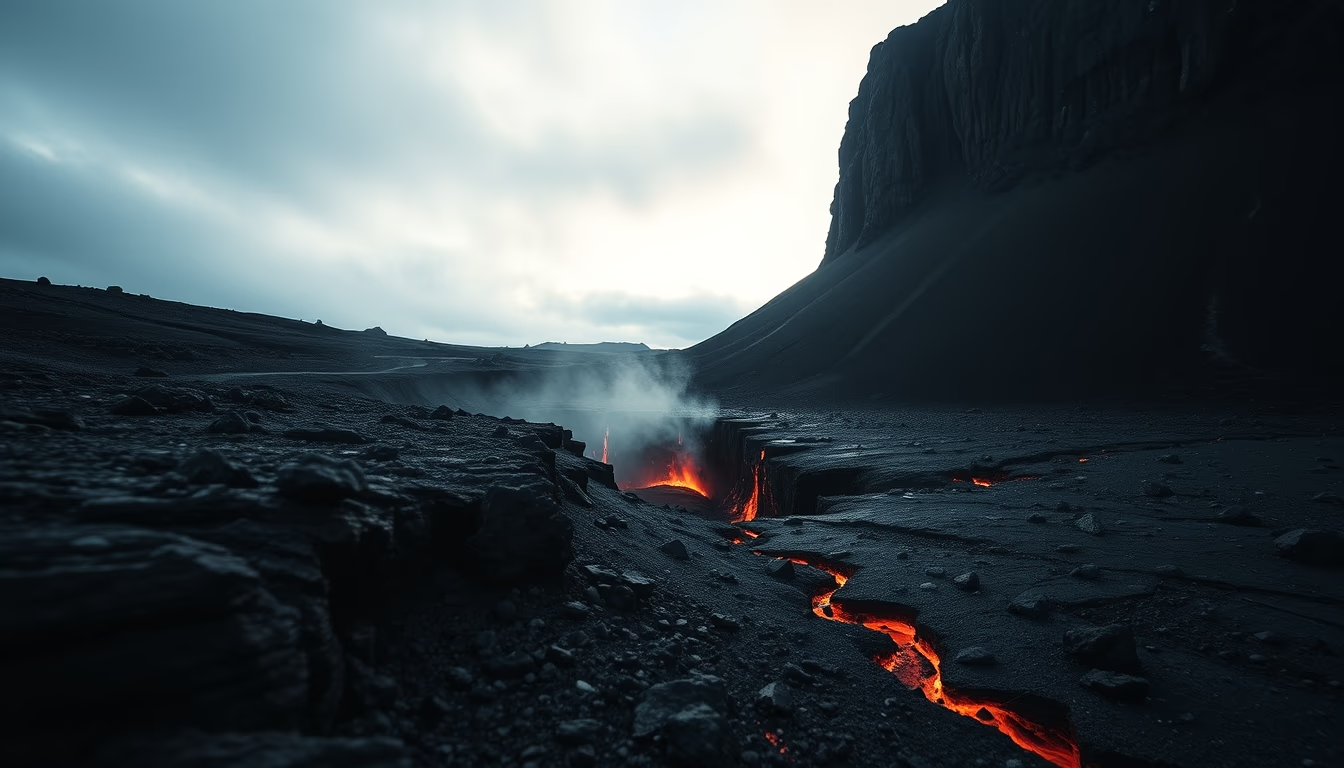
Iceland fissure eruption
1344×768 · AVIF · CC BY 4.0
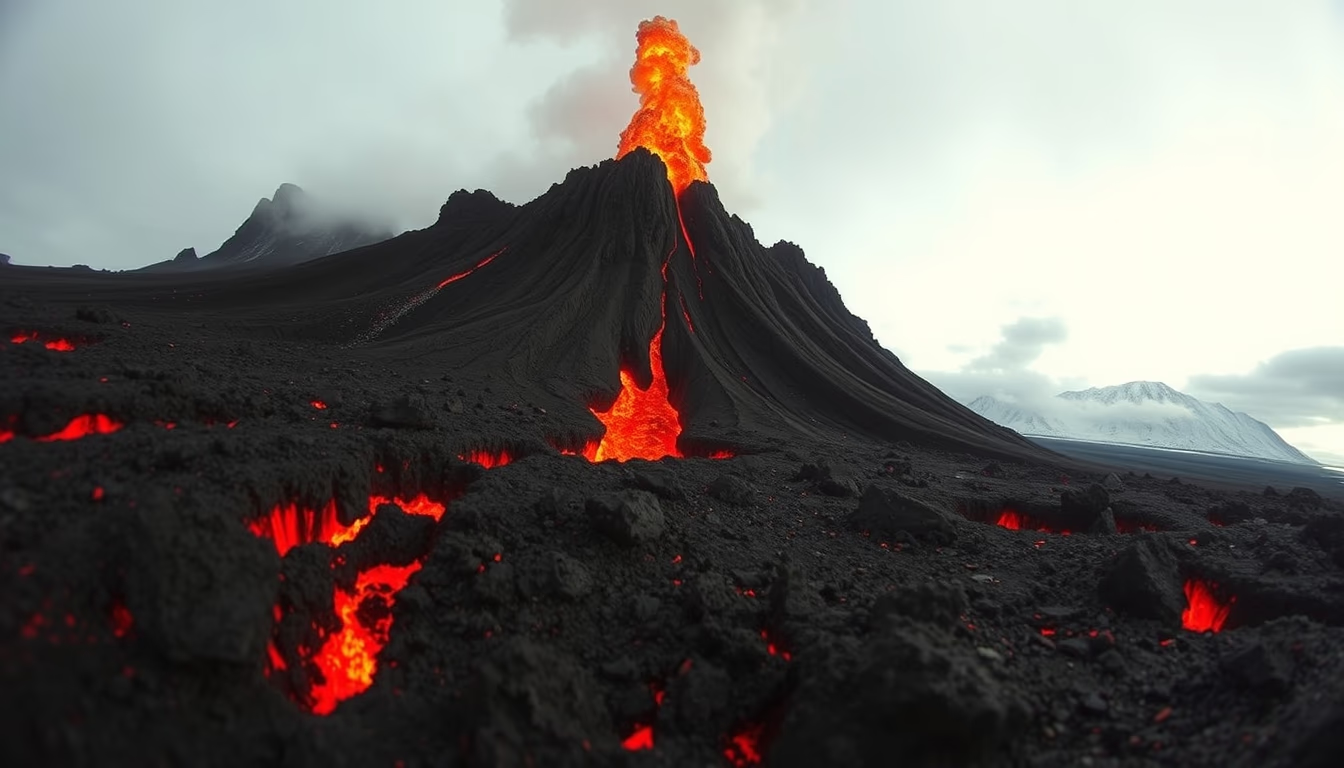
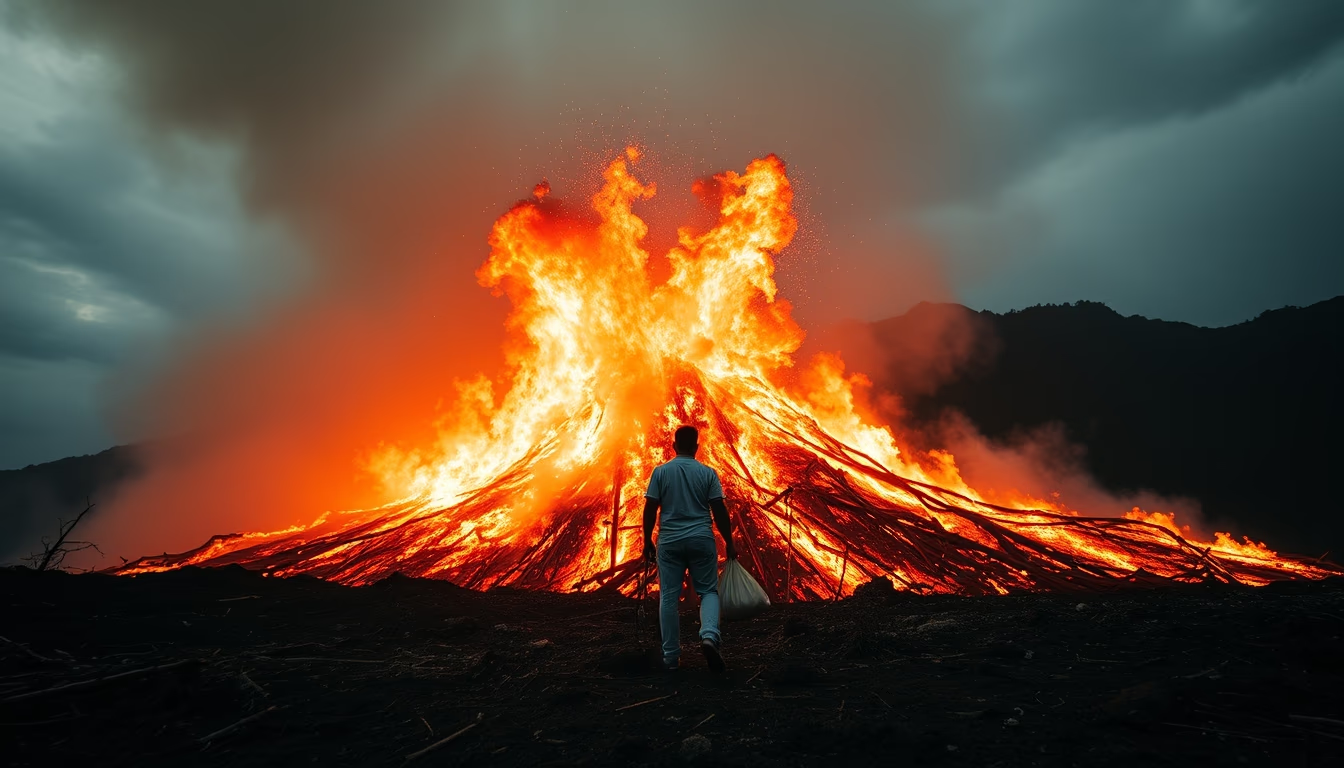
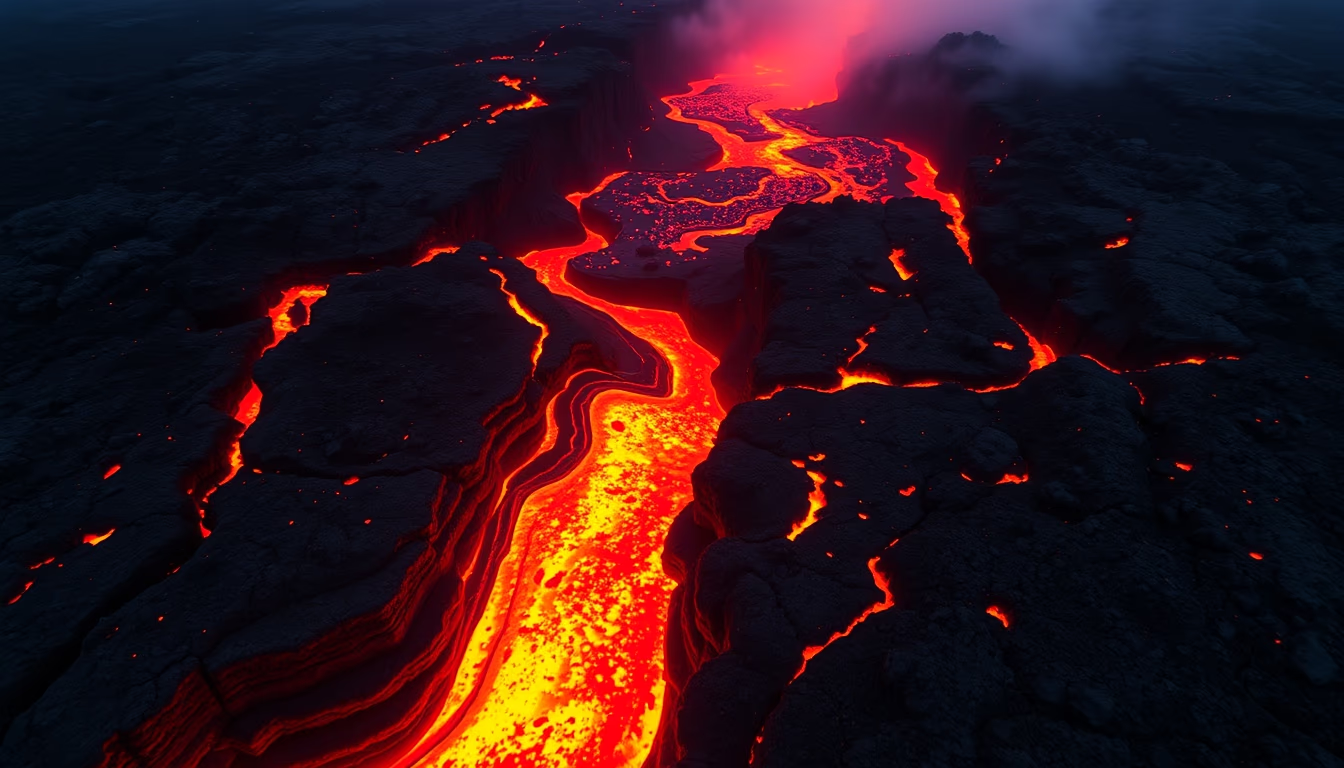
Iceland fissure eruption: discover the geological phenomenon that shapes the country's volcanic landscape.
About this subject
Fissure eruptions are a type of volcanic activity in which lava emerges from long cracks in the Earth's crust, known as fissures. In Iceland, this phenomenon is particularly common due to its location atop the Mid-Atlantic Ridge, where the Eurasian and North American tectonic plates are moving apart. This rifting process allows magma to easily reach the surface, triggering eruptions that can last days or even months.
One of the most famous fissure eruptions in history was the Laki eruption (Lakagígar) in 1783-1784, which released vast volumes of lava and toxic gases, causing climatic anomalies and a famine that killed about a quarter of Iceland's population. More recently, the 2021 Fagradalsfjall eruption on the Reykjanes Peninsula attracted thousands of visitors due to its accessibility and visual spectacle. These events are crucial for scientists studying mantle dynamics and the formation of new crust.
Fissure eruptions do not produce typical volcanic cones but instead create extensive lava fields, such as those seen in Iceland's interior. The lava is usually fluid (basaltic), allowing it to spread over large areas. Although hazardous for nearby communities, these eruptions are closely monitored by the Icelandic Meteorological Office, which issues warnings and ensures public safety. Volcanic tourism also benefits, with trails and organized tours to observe the phenomenon.
Frequently Asked Questions
What causes a fissure eruption?
Fissure eruptions happen when magma rises through fractures in the Earth's crust, often in areas of tectonic plate divergence, such as the Mid-Atlantic Ridge in Iceland.
Are fissure eruptions dangerous?
Yes, they can be dangerous due to toxic gas emissions (e.g., sulfur dioxide) and lava flows, which may threaten infrastructure. However, in Iceland, they are monitored and managed.
How often do fissure eruptions occur in Iceland?
They vary; on average, an eruption occurs every 4-5 years in the country. Regions like Reykjanes may experience periods of heightened activity.
Direct URL
https://pub-c7d6a6ea828543ac903a74a341ccb2e1.r2.dev/imagens/iceland-fissure-eruption-fish-eye-wide-angle-fresh9.avifHow to credit
Include a visible link back to UtilizAí. Copy one of the snippets below:
<a href="https://xn--utiliza-eza.com/en/midia/imagens/iceland-fissure-eruption-fish-eye-wide-angle-fresh9">Iceland fissure eruption</a> by <a href="https://xn--utiliza-eza.com">UtilizAí</a>, licensed under <a href="https://creativecommons.org/licenses/by/4.0/">CC BY 4.0</a>.
[Iceland fissure eruption](https://xn--utiliza-eza.com/en/midia/imagens/iceland-fissure-eruption-fish-eye-wide-angle-fresh9) by [UtilizAí](https://xn--utiliza-eza.com), CC BY 4.0
License: CC-BY-4.0