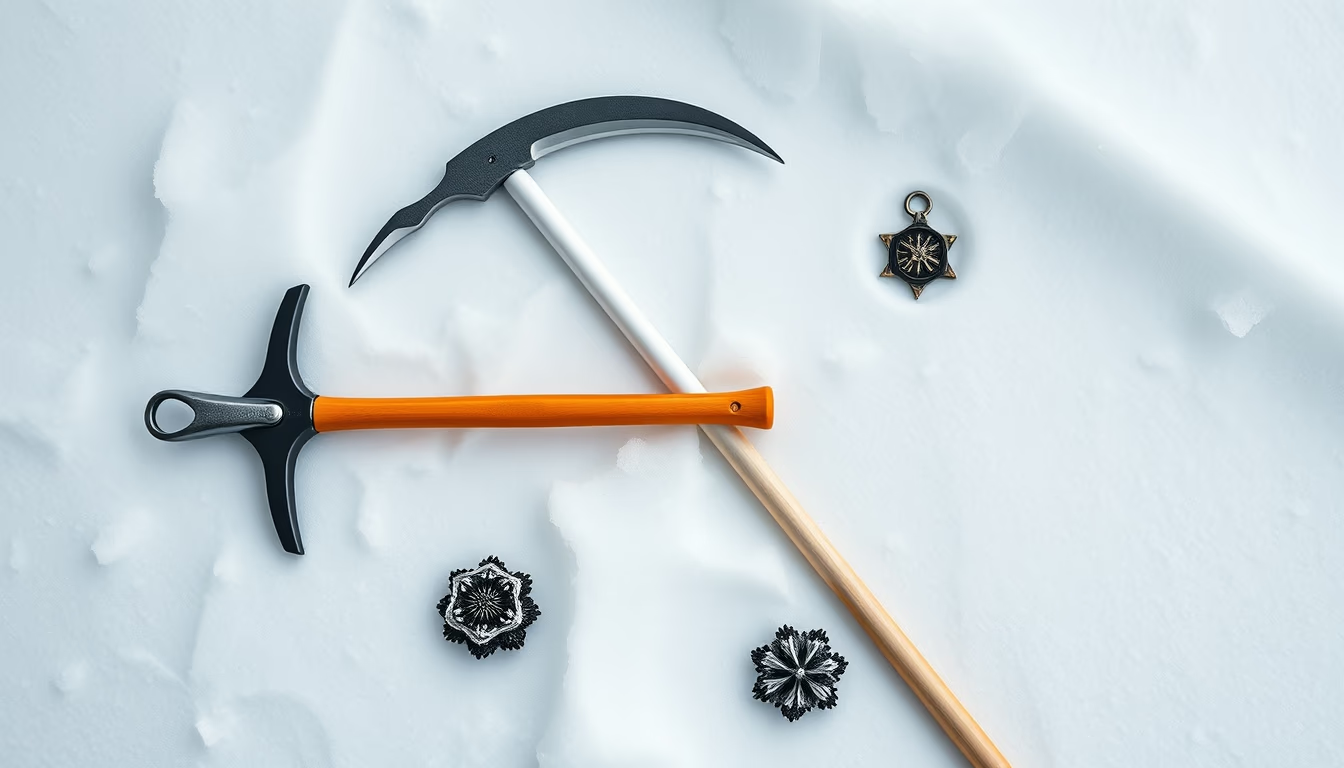
Ice axe alpine
1344×768 · AVIF · CC BY 4.0
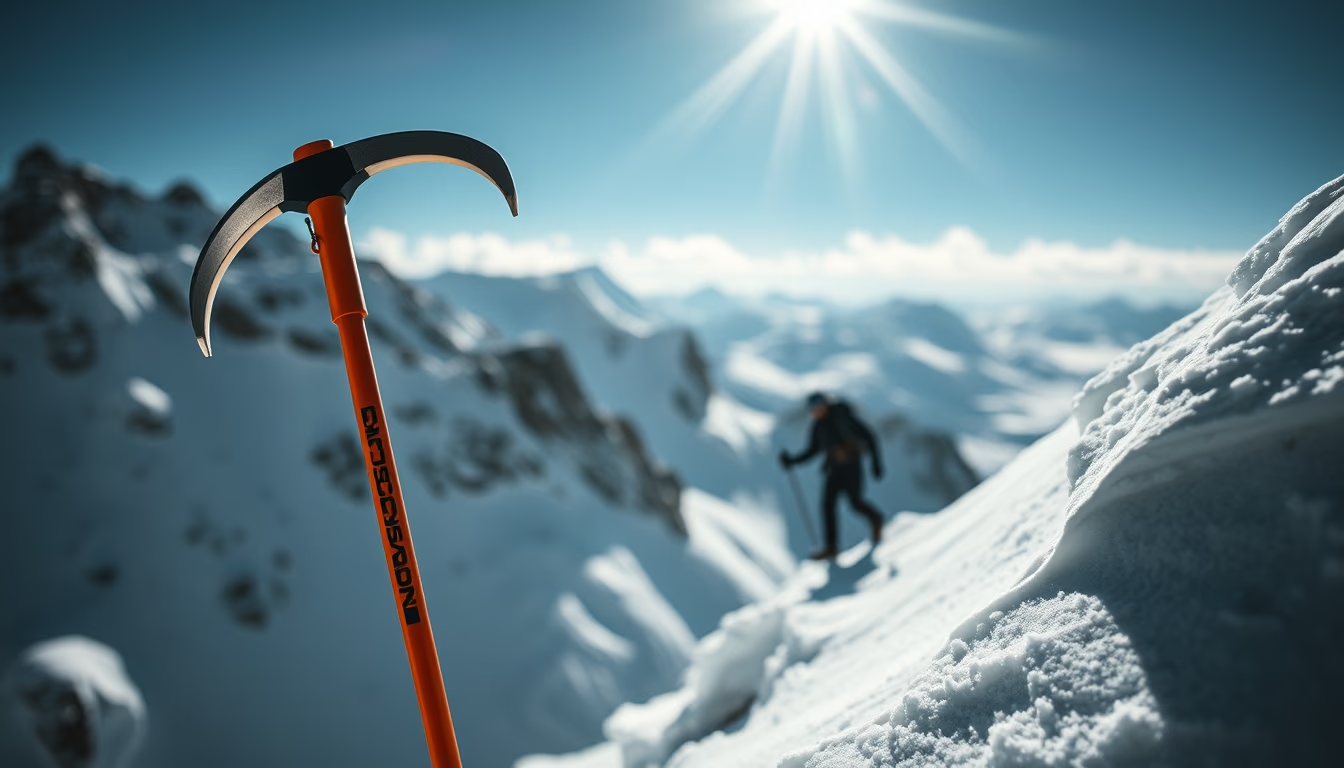
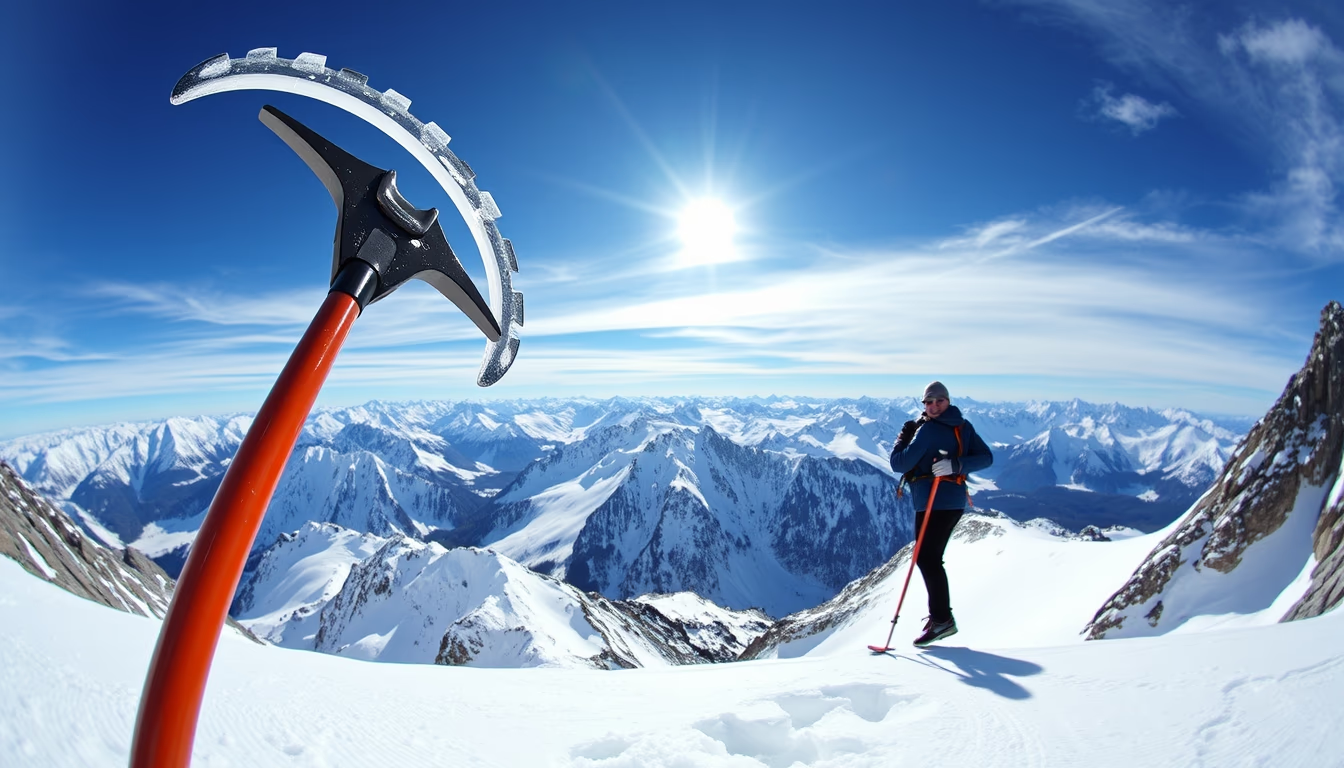
The alpine ice axe is an essential tool for ice climbing and mountaineering, combining safety and technique in high-altitude ascents.
About this subject
The ice axe, also known as a piolet, is one of the most iconic tools in mountaineering. Its origins date back to the 19th century when European alpinists began exploring the Alps. Initially a wooden stick with a metal tip, it evolved into modern designs with shafts made of aluminum or carbon fiber and blades of tempered steel. There are different types, such as the expedition ice axe, lighter, and the technical one, with a pronounced curve for steep ice climbing.
Proper use of the ice axe involves techniques like self-arrest and step cutting on ice. On high-altitude routes, it serves as a support point and a safety tool in falls, allowing mountaineers to perform a self-arrest to stop a potential slide. The UIAA (International Climbing and Mountaineering Federation) sets strict standards for its manufacture, ensuring strength and durability.
In Brazil, the ice axe is used mainly in ice climbing in places like the Serra do Mar or Mount Roraima, though the practice is less common due to geographical limitations. In the Andes or the Himalayas, it is mandatory gear. Interestingly, the piolet also gave its name to a famous route on Mount Everest, the Piolet d'Or, the highest award in mountaineering.
Beyond its practical function, the ice axe carries symbolism of overcoming challenges and connecting with wild nature. For mountaineers, choosing the right model (with appropriate length and blade type) is as important as mastering usage techniques. Regular maintenance, such as sharpening the blade and checking the shaft, extends the equipment's lifespan.
Frequently Asked Questions
What is the difference between an ice axe and a piolet?
Ice axe and piolet are interchangeable terms for the same tool, with 'piolet' more common in French-speaking countries and 'ice axe' in English. Both refer to the implement used in mountaineering for safety and progress on ice.
How do I choose the ideal length for an ice axe?
The ideal length is measured while standing: the blade tip should touch the ground when the shaft is held at the side. Generally, the ice axe should reach between the ankle and the knee.
What is the self-arrest technique with an ice axe?
Self-arrest is the maneuver to stop a fall on a snow or ice slope. It involves gripping the ice axe with both hands, driving the blade and spike into the surface, and applying weight to halt the slide.
Direct URL
https://pub-c7d6a6ea828543ac903a74a341ccb2e1.r2.dev/imagens/ice-axe-alpine-magazine-editorial-fresh8.avifHow to credit
Include a visible link back to UtilizAí. Copy one of the snippets below:
<a href="https://xn--utiliza-eza.com/en/midia/imagens/ice-axe-alpine-magazine-editorial-fresh8">Ice axe alpine</a> by <a href="https://xn--utiliza-eza.com">UtilizAí</a>, licensed under <a href="https://creativecommons.org/licenses/by/4.0/">CC BY 4.0</a>.
[Ice axe alpine](https://xn--utiliza-eza.com/en/midia/imagens/ice-axe-alpine-magazine-editorial-fresh8) by [UtilizAí](https://xn--utiliza-eza.com), CC BY 4.0
License: CC-BY-4.0